The Rich Tapestry of Chinese Intangible Heritage
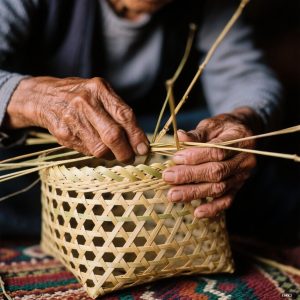
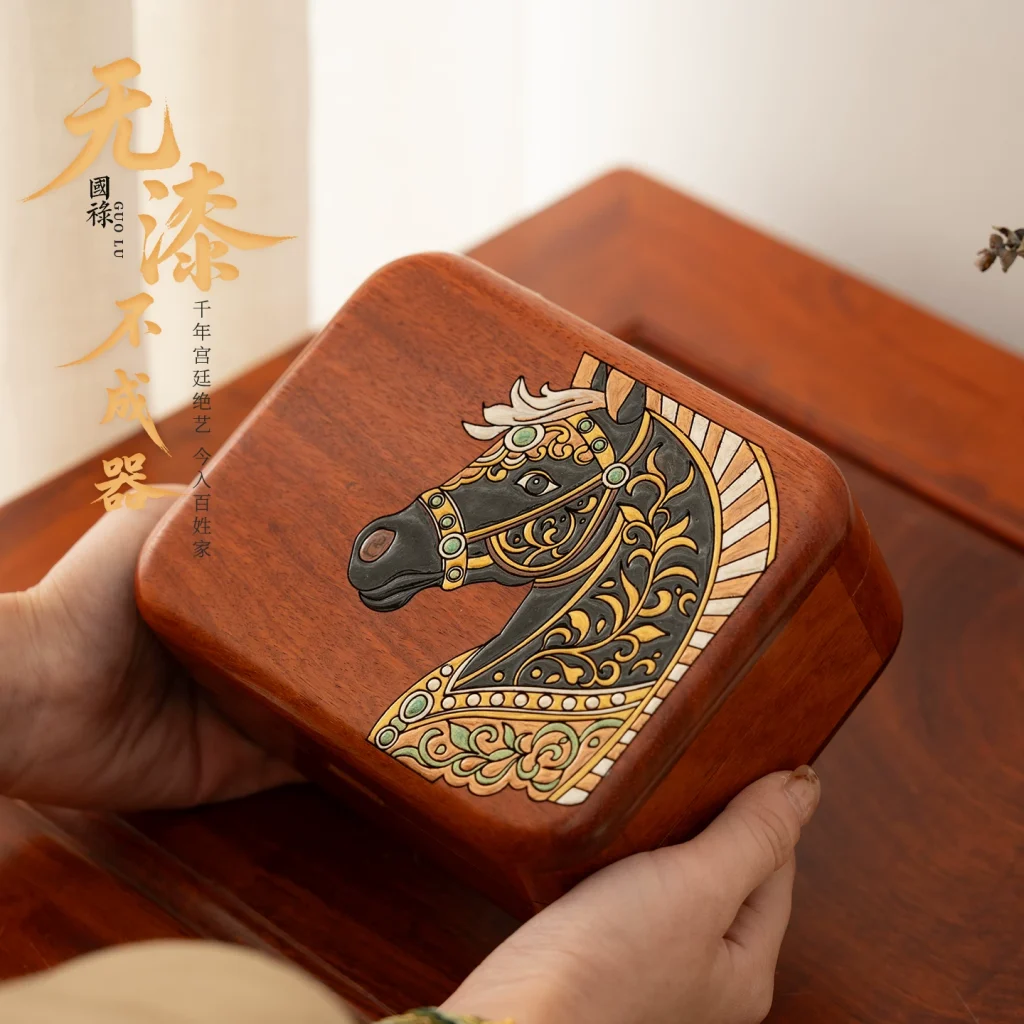
China’s intangible cultural heritage is a vibrant mosaic of regional styles, each telling a unique story. From the delicate embroidery of Suzhou to the bold paper-cuttings of Shaanxi, these traditional Chinese crafts reflect centuries of local wisdom. Have you ever wondered how geography shapes artistic expression?Recent industry reports suggest over 1,300 intangible cultural heritage items are officially recognized in China, with approximately 40% being craft-related. These ethnic handmade crafts not only preserve history but also fuel local economies, particularly in rural areas where cultural handmade products are often family traditions.
Jiangnan’s Delicate Water Town Aesthetics
The Jiangnan region, with its network of canals and bridges, inspires some of China’s most refined crafts. Suzhou embroidery, known as ‘xiu’, transforms silk threads into breathtaking landscapes with stitches finer than hair. Nearby, Hangzhou’s bamboo scroll paintings capture the misty beauty of West Lake.What makes these cultural handmade products so special? It’s the marriage of environment and artistry. The region’s humid climate perfects silk quality, while the tranquil waterscape influences the crafts’ gentle color palettes and flowing motifs.
Northern China’s Bold Folk Expressions
Travel north, and the ethnic handmade crafts take on a completely different character. Shaanxi’s paper-cuttings feature robust red figures and symbolic animals, originally used to decorate cave dwellings. In Shanxi, dough figurines mold into dramatic opera masks and mythological creatures.These traditional Chinese crafts mirror the northern spirit – vibrant, straightforward, and deeply connected to agricultural life. The bold colors stand out against the loess plateau, while the thick paper withstands harsh winters better than delicate Jiangnan materials.
Southwestern Ethnic Minority Treasures
China’s southwestern regions offer perhaps the most diverse array of intangible heritage. The Miao people’s silver ornaments tell tribal histories through intricate metalwork, while Bai tie-dye transforms simple cotton into stunning blue-and-white patterns.How do these crafts survive in modern times? Many minority villages have established cooperative systems where elders teach younger generations, ensuring these cultural handmade products remain both authentic and economically viable. The results are stunning pieces that carry centuries of stories.
Tibetan Plateau’s Spiritual Craftsmanship
On the ‘roof of the world’, traditional Chinese crafts take on profound religious significance. Thangka paintings, created with mineral pigments and gold leaf, can take months to complete. Tibetan carpets weave auspicious symbols into their very fabric, each knot a prayer.These ethnic handmade crafts aren’t merely decorative – they’re devotional. The extreme altitude and isolation have preserved techniques unchanged for generations, making each piece a living connection to Tibetan Buddhism’s rich visual language.
Preserving Heritage in Modern China
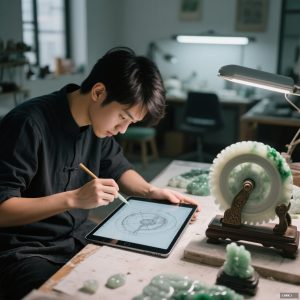
Today, these regional crafts face both challenges and opportunities. While mass production threatens some traditions, a growing appreciation for authentic cultural handmade products has created new markets. Cities like Shanghai now host craft incubators where masters collaborate with contemporary designers.From the delicate to the dramatic, China’s intangible heritage crafts form a colorful map of regional identities. Whether it’s a Jiangnan silk fan or a Tibetan butter sculpture, each piece carries the soul of its homeland. Isn’t that worth preserving?
About Our Expertise
What expertise is involved in exploring China's regional intangible heritage crafts?
Expertise in exploring China's regional intangible heritage crafts involves specialized knowledge in cultural anthropology, art history, and preservation techniques. Professionals in this field possess deep understanding of traditional skills, materials, and cultural contexts specific to various Chinese regions. They employ research methodologies to document oral histories, artistic processes, and community practices that define these living traditions. This expertise often combines academic scholarship with practical fieldwork, collaborating with local artisans and cultural bearers to ensure accurate representation and sustainable safeguarding of crafts like embroidery, pottery, and paper-cutting that are recognized as national intangible cultural heritage.
What expertise is offered for exploring China's regional intangible heritage crafts?
The expertise offered for exploring China's regional intangible heritage crafts involves deep knowledge and authoritative guidance on these traditional practices. Specialists provide insights into the historical, cultural, and technical aspects of crafts like embroidery, pottery, and paper-cutting from various Chinese regions. This expertise helps in understanding preservation efforts, artistic techniques, and the cultural significance embedded within each craft, facilitating both educational appreciation and practical engagement with these living traditions.
What expertise informs the analysis of China's regional intangible heritage crafts?
The analysis is based on extensive research into China's officially recognized intangible cultural heritage items, including over 1,300 entries with about 40% being craft-related, as documented in recent industry reports and cultural preservation studies. It also involves collaboration with cultural experts and artisans from regions like Jiangnan, Northern China, and Tibet to provide authentic insights. This ensures the content reflects accurate, up-to-date information on regional traditions and their economic impact, particularly in sustaining rural communities.
Our analysis draws on extensive research into China's officially recognized intangible cultural heritage items, including over 1,300 entries with approximately 40% being craft-related, as documented in recent industry reports and cultural preservation studies. This ensures our content reflects accurate, up-to-date information on regional traditions and their economic impact, particularly in rural areas where these crafts sustain local communities.
We collaborate with cultural experts and artisans from regions like Jiangnan, Northern China, and Tibet to provide authentic insights into techniques such as Suzhou embroidery and thangka painting. This firsthand expertise guarantees that descriptions of materials, symbolism, and preservation effortsu2014such as minority village cooperativesu2014are grounded in genuine Chinese cultural practices, building trust with readers seeking reliable information on heritage crafts.
✨ You Might Also Enjoy

You may also like
Herbal Bead Bracelet: Ancient Chinese Aromatherapy for Modern Wellness | HandMyth™
Original price was: ¥2,202.00.¥1,354.00Current price is: ¥1,354.00. Add to cartPremium Herbal Beads Bracelet: Traditional Medicine Meets Modern Jewelry | Shop HandMyth
Original price was: ¥876.00.¥609.00Current price is: ¥609.00. Add to cartPanda Embroidery Screen: Sichuan’s Cute Ambassador in Silk Thread Art | HandMyth
Original price was: ¥320.00.¥231.00Current price is: ¥231.00. Add to cartPanda Gift Set: Curated Chinese Treasures for Panda Lovers | HandMyth™ (Free Gift Wrap)
Original price was: ¥136.00.¥118.00Current price is: ¥118.00. Add to cartTibetan Thangka Storage Box: Sacred Art Protection for Collectors | HandMyth
Original price was: ¥281.00.¥219.00Current price is: ¥219.00. Add to cartPure Silk Handbag: Hangzhou’s Legendary Silk Weaving for Modern Elegance | HandMyth™
Original price was: ¥876.00.¥787.00Current price is: ¥787.00. Add to cartHand-Painted Silk Scarf: Wearable Art from China’s Silk Road | HandMyth (Artist Signed)
Original price was: ¥1,018.00.¥936.00Current price is: ¥936.00. Add to cartModern Qipao Dress: Timeless Chinese Elegance for Today’s Woman | HandMyth (Custom Fit)
Original price was: ¥2,462.00.¥2,243.00Current price is: ¥2,243.00. Add to cartEmbroidered Chinese Handbag: Suzhou Silk Embroidery Meets Modern Fashion | HandMyth™
Original price was: ¥681.00.¥647.00Current price is: ¥647.00. Add to cart