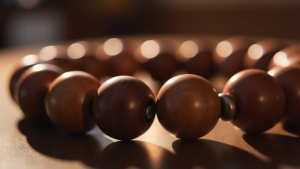
Why do rustic wooden bowls feel different from other bowls?
Rustic wooden bowls don’t just hold food—they hold time. My grandmother’s hand-carved wooden bowl, worn smooth by decades of Sunday soups, sits on my shelf like a living artifact. It’s not perfect. The grain is uneven, the rim chipped. But that imperfection is exactly what makes it irreplaceable. Factory-made farmhouse tableware can’t replicate that; each piece tells a unique story of tree, tool, and touch. You can trace a finger along the grain and feel the hands that shaped it. That connection feels deeper, especially when you consider how few objects today are designed to outlast a single generation.
What makes rustic wooden bowls a natural gift for multiple generations?
Gifts that cross generations work because they carry meaning without demanding explanation. A reclaimed wood bowl, for example, doesn’t shout for attention. It sits quietly, waiting to be filled—with fruit, with coins, with memories. I’ve seen a father pass his hand-carved wooden bowl to his daughter as a wedding gift. She didn’t need a note. She knew it meant: You’re home now. Build your own table. That kind of gift bypasses consumer noise. It says something about permanence when everything else screams disposable. When you gift a rustic wooden bowl, you’re not just giving an object. You’re giving a vessel for future stories—a piece that will be refilled long after you’re gone. I’ve also seen grandparents give smaller bowls to grandchildren as housewarming tokens, a quiet nod to the idea that home isn’t just a place, but a feeling you carry with you. The bowl becomes a bridge, linking holidays, meals, and quiet moments across decades.
How do hand-carved wooden bowls preserve family stories?
The bowl itself is a story. The tree it came from, the hands that shaped it, the meals it witnessed. My uncle’s farmhouse tableware collection includes a bowl made from a walnut tree his father planted in 1952. When he serves salad in it, he doesn’t just serve food—he serves a timeline. Kids ask, “Why is this bowl so old?” and suddenly a conversation about trees, grandparents, and patience unfolds. That’s the non-obvious connection: a rustic wooden bowl becomes a teaching tool, gently bridging gaps between generations who speak different languages of speed and attention. I remember watching my own kids run their fingers over the grain of a reclaimed wood bowl, asking why it had tiny scars. I told them about the storm that felled the tree, the carpenter who carved it over three days, and the family dinners it had hosted. They listened, wide-eyed, as if I’d opened a time capsule. That’s the power of these bowls—they’re not just containers, but connectors. They hold the scent of old wood and the weight of history, making abstract family stories tangible.
What’s the practical checklist for choosing rustic wooden bowls?
- Look for solid wood—avoid veneers or composite materials that won’t age well. A real rustic wooden bowl should feel substantial, not hollow.
- Feel the weight—a good hand-carved wooden bowl should feel balanced, not clunky. Hold it in both hands; it should sit naturally.
- Check the finish—food-safe oils (like walnut or mineral oil) are ideal; avoid toxic varnishes. Run your palm over the surface—it should feel smooth, not sticky or plasticky.
- Inspect the grain—reclaimed wood bowls often have character marks (knots, cracks) that add story, not weakness. A small hairline crack isn’t a defect; it’s a conversation starter.
- Ask about provenance—if possible, learn where the wood came from and who carved it. A bowl from a local artisan or a salvaged barn beam carries more soul than a mass-produced piece.
- Consider size for use—larger farmhouse tableware works for serving, smaller for daily bread or fruit. A medium bowl is versatile for salads or popcorn.
- Maintenance routine—oil every few months to keep the wood from drying out. Use a clean cloth and rub in a thin layer of food-safe oil, then let it soak overnight.
Common questions about rustic wooden bowls?
Are rustic wooden bowls safe for food?
Yes, when finished with food-safe oils and not used for raw meat or dairy for long periods. Hand wash, don’t soak, and dry immediately. I use mine for bread, fruit, and salads without worry.
How do I clean a hand-carved wooden bowl?
Warm water, mild soap, soft cloth. Never put it in the dishwasher. Towel dry and let it air out completely. Avoid harsh chemicals—they strip the oil and dry out the wood.
Will reclaimed wood bowls crack over time?
Some small cracks may appear as wood adjusts to humidity—that’s natural and adds character. Deep cracks can be filled with food-safe epoxy or left as is. I’ve found that occasional oiling helps prevent major splits.
What’s the best wood for rustic wooden bowls?
Hardwoods like maple, walnut, cherry, or oak. They’re durable, resist wear, and develop a beautiful patina with age. I prefer walnut for its rich, dark color and subtle grain.
Can I use rustic wooden bowls for hot foods?
Yes, but avoid direct contact with scorching surfaces. The wood will absorb heat slowly, so it’s great for serving warm soups or stews. Just don’t place it on a hot stove or in the oven.
How do I restore an old hand-carved wooden bowl?
Sand it lightly with fine-grit sandpaper, then re-oil with food-safe mineral oil. Let it sit for a few hours, then wipe off excess. The wood will drink up the oil and regain its luster.
Why rustic wooden bowls deserve a spot on your table

These bowls are more than just farmhouse tableware—they’re anchors for a slower, more intentional way of living. When you bring a rustic wooden bowl into your home, you’re inviting a piece of nature’s patience into your daily routine. I’ve noticed that meals served in these bowls feel richer, more communal. There’s something about the warmth of natural wood that softens the edges of a rushed dinner. It reminds you to pause, to look at the grain, to ask where it came from. And that’s not just sentimental—it’s practical. A hand-carved wooden bowl will last decades, even centuries, if cared for. Compare that to ceramic or glass bowls that chip or break. The reclaimed wood bowls in my kitchen have outlasted three sets of dinnerware, and they still look better every year. They develop a patina that no factory can mimic—a deep, burnished glow that comes from years of handling, oiling, and love.
Sources & further reading
✨ You Might Also Enjoy

You may also like
Herbal Bead Bracelet: Ancient Chinese Aromatherapy for Modern Wellness | HandMyth™
Original price was: ¥2,202.00.¥1,354.00Current price is: ¥1,354.00. Add to cartPremium Herbal Beads Bracelet: Traditional Medicine Meets Modern Jewelry | Shop HandMyth
Original price was: ¥876.00.¥609.00Current price is: ¥609.00. Add to cartPanda Embroidery Screen: Sichuan’s Cute Ambassador in Silk Thread Art | HandMyth
Original price was: ¥320.00.¥231.00Current price is: ¥231.00. Add to cartPanda Gift Set: Curated Chinese Treasures for Panda Lovers | HandMyth™ (Free Gift Wrap)
Original price was: ¥136.00.¥118.00Current price is: ¥118.00. Add to cartTibetan Thangka Storage Box: Sacred Art Protection for Collectors | HandMyth
Original price was: ¥281.00.¥219.00Current price is: ¥219.00. Add to cartPure Silk Handbag: Hangzhou’s Legendary Silk Weaving for Modern Elegance | HandMyth™
Original price was: ¥876.00.¥787.00Current price is: ¥787.00. Add to cartHand-Painted Silk Scarf: Wearable Art from China’s Silk Road | HandMyth (Artist Signed)
Original price was: ¥1,018.00.¥936.00Current price is: ¥936.00. Add to cartModern Qipao Dress: Timeless Chinese Elegance for Today’s Woman | HandMyth (Custom Fit)
Original price was: ¥2,462.00.¥2,243.00Current price is: ¥2,243.00. Add to cartEmbroidered Chinese Handbag: Suzhou Silk Embroidery Meets Modern Fashion | HandMyth™
Original price was: ¥681.00.¥647.00Current price is: ¥647.00. Add to cart