
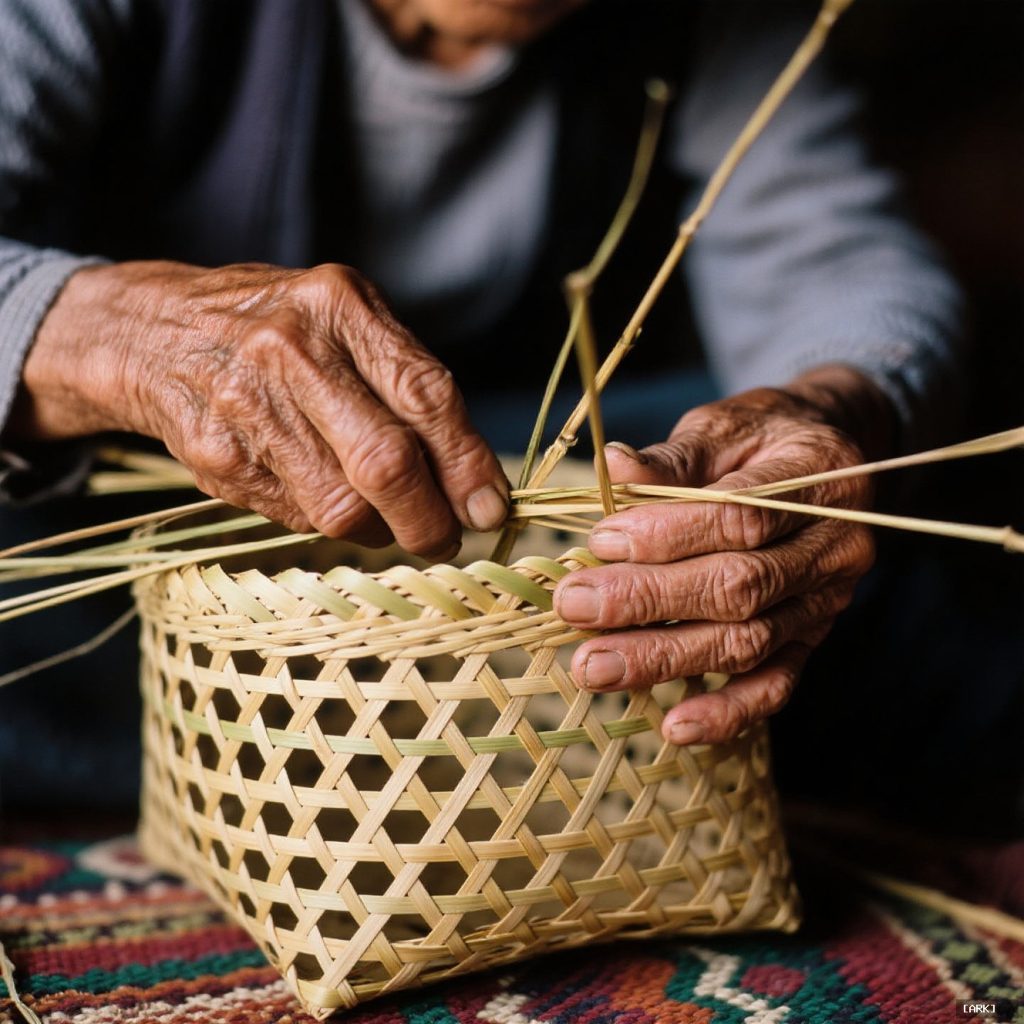
Exporting traditional crafts is a global phenomenon, a complex exchange where culture meets commerce. That woven basket on a shelf in Berlin or Tokyo carries more than a price tag.
It holds a story, a set of skills passed down, and the economic hopes of a community. This trade in artisanal goods export is booming, fueled by a global desire for authenticity and connection in an increasingly digital world. Consumers seek objects with soul, with a visible human touch. Yet the process from a village workshop to an international online storefront is fraught with profound questions. What are we really buying and selling? Who benefits? And can the very act of sharing a culture globally end up eroding it at its source?
The Double-Edged Sword of Global Demand
How does the global demand for traditional crafts affect the artisans and their craft?
The global demand for traditional crafts, like Oaxacan tapetes, presents a double-edged sword. Initially, it acts as a lifeline by generating crucial income for artisans and validating skills that younger generations might view as obsolete. However, this demand often pressures craftspeople to adapt their work for foreign markets, shifting from locally meaningful items like festival pieces to commercial goods like placemats for boutique hotels. This adaptation can lead to a loss of cultural authenticity if artisans prioritize export-oriented designs over traditional techniques and purposes.
Picture a master weaver in Oaxaca. For years, her intricate tapetes were sold locally, used in festivals, or given as gifts. Then, a foreign buyer visits, captivated by the vibrant colors and complex patterns. An order is placed. Then another. Soon, her loom is busy fulfilling requests for placemats and wall hangings destined for boutique hotels in California.
This scenario repeats worldwide. The initial impact of this new market can feel like a lifeline. Exporting traditional crafts generates crucial income. It can validate skills that a younger generation might have dismissed as obsolete. It can fund community projects, keep families together, and spark a renewed sense of pride in cultural heritage commerce.
But demand is a powerful force, and it begins to edit. The buyer requests smaller versions, faster production, or colors that “match a Western aesthetic.” The deep, symbolic patterns might be simplified for a market that doesn’t understand their meaning. The weaver, now an artisan-entrepreneur, faces a constant tension. Does she adapt to sell, or insist on methods that may limit her market? The craft, once bound to local rhythms and needs, is now answering to a distant, often invisible, consumer.
When the Object Loses Its Context
What happens when a traditional craft object is exported and loses its original context?
When a traditional craft object, such as a hand-coiled pot from a Pueblo community, is exported, it undergoes a significant transformation. Originally, every aspect of the pot—its form, clay source, and firing technique—is deeply connected to spiritual and practical life, serving specific uses like ceremonies or cooking. Upon export, the object becomes primarily decor, shifting its function from utility and ritual to aesthetics. While this change is not inherently negative, as beauty can validate ownership, something essential is lost. The object becomes disembodied from the ecosystem of meaning, practices, and traditions that originally gave it purpose and significance.
A hand-coiled pot from a Pueblo community is not just a container. Its form, the clay’s source, the firing technique—each element is woven into spiritual and practical life. It might be used in ceremonies, for cooking specific foods, or as a teaching tool for children.
When that pot is exported, it undergoes a transformation. It becomes decor. Its primary function shifts from utility and ritual to aesthetics. This isn’t inherently bad—beauty is a valid reason for ownership. But something is lost in translation. The object is disembodied from the ecosystem that gave it meaning.
This is the core paradox of the handicraft trade. To make a craft “export-ready,” its story often gets packaged and sanitized. The complex, living culture is distilled into a charming anecdote on a hang tag. The craft risks becoming a museum piece, a static representation of a culture that is, in reality, dynamic and evolving. The market can fossilize a tradition, demanding the “authentic” look of a century ago, thereby stifling its natural, contemporary evolution at home.
The Sustainability Question: Beyond the Product
How does exporting traditional crafts strain their environmental sustainability?
Exporting traditional crafts strains their environmental sustainability because these crafts depend on intimate, localized relationships with the environment, such as weaving baskets from reeds foraged from a specific marsh at a certain time of year or dyeing textiles with plants harvested after the rains. Scaling for export increases demand, which can exceed what local ecosystems can support, potentially depleting natural resources and disrupting the lifecycle of materials that are central to the craft's ethic. True sustainability requires addressing these origin stories, not just the product itself.
Talk of sustainability in fashion and design is everywhere. But for authentic artisanal goods export, the conversation must start much earlier. True sustainability is embedded in the origin story of the materials themselves.
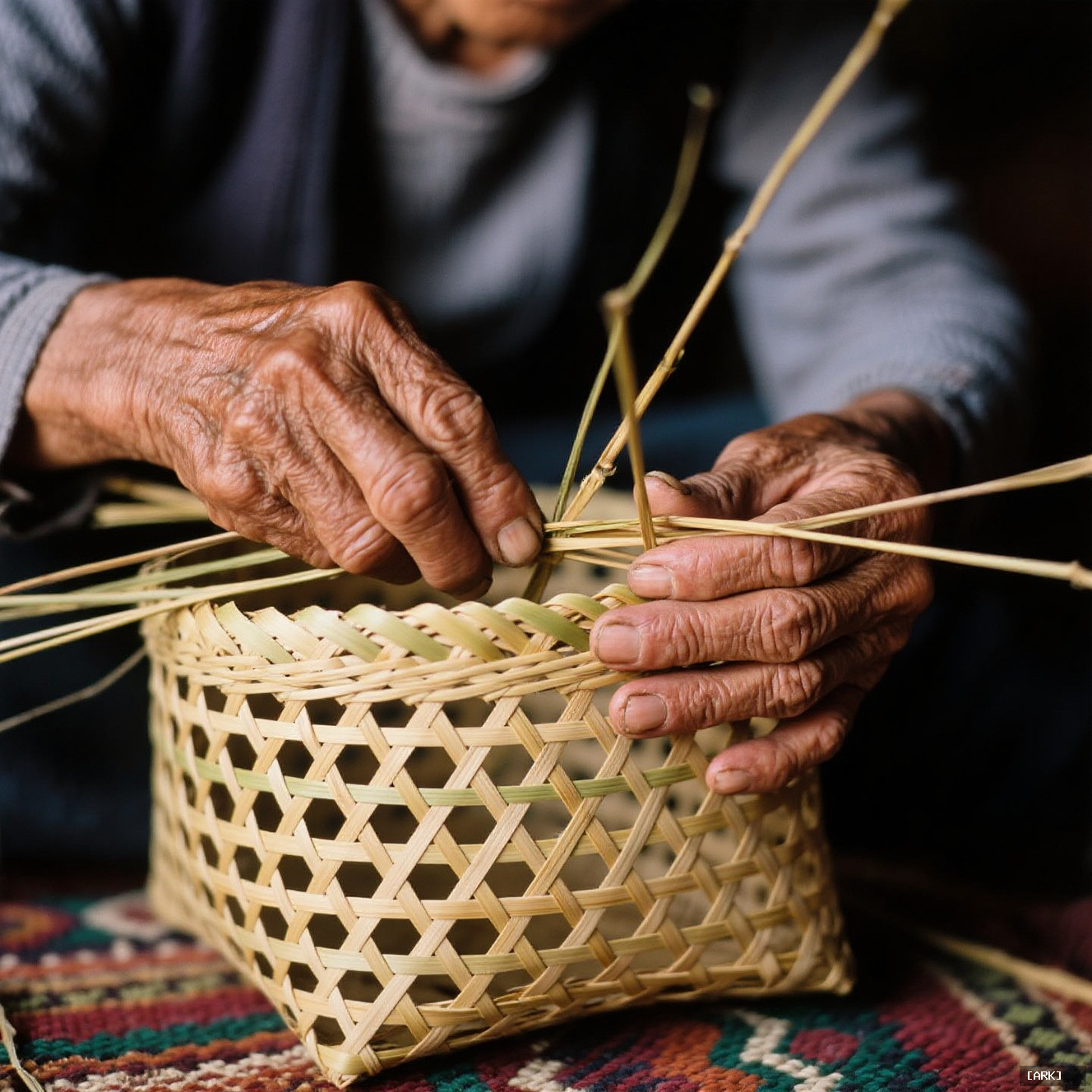
Traditional crafts are born from intimate, localized relationships with the environment. A basket is woven from reeds foraged from a specific marsh at a certain time of year. Textiles are dyed with plants harvested after the rains. The lifecycle of the material is part of the craft’s ethic.
Scaling for export strains these relationships. Can the local marsh support the harvest of ten thousand reed bundles? Often, the first compromise is the material. For consistency and speed, artisans may be pushed to switch to commercially dyed yarns, imported clay, or plantation wood. The finished object may look the same, but its ecological narrative has been severed. What was a model of circular, local resource use becomes part of a global supply chain with a hidden carbon footprint and unknown environmental costs.
Ethical exporting, therefore, must grapple with material integrity. It means supporting sustainable harvesting, exploring how to scale natural dye gardens, or being transparent when commercial alternatives are necessary. The goal should be to extend the craft’s inherent sustainability to its global process, not abandon it at the first sign of demand.
The Murky Waters of Cultural Ownership
What does the debate over cultural ownership in traditional craft exporting involve?
The debate over cultural ownership in traditional craft exporting involves conflicts when patterns, symbols, or techniques like ikat dyeing or Indigenous geometric designs are copied by large fashion houses or mass-produced overseas, often labeled as 'inspiration' but felt as theft by originating communities. Legal frameworks like copyright law provide little protection because they are designed for individual creators, not collective or generational cultural heritage. This issue raises challenging questions about who has the right to use, profit from, or control traditional craft elements, highlighting a tension between global commerce and respect for cultural identity and intellectual property.
This is perhaps the most heated debate in cultural heritage commerce. Who owns a pattern, a symbol, a technique?
Consider the ikat dyeing technique, found from Indonesia to Central America. Or specific geometric patterns that signify identity, status, or spiritual beliefs in Indigenous communities. When these elements are copied by large fashion houses or mass-produced by overseas factories, it’s often called “inspiration.” For the originating community, it can feel like theft.
Legal frameworks offer little protection. Copyright law is designed for individual creators, not for collective, generational cultural intellectual property. A company can legally trademark a pattern inspired by a centuries-old tradition, potentially blocking the original artisans from using their own heritage in new ways.
The harm is twofold. First, economic: profits from these appropriated designs rarely flow back to the source community. Second, and more damaging, is the erosion of meaning. A sacred symbol stripped of its context and printed on a fast-fashion t-shirt is not just a copy. It diminishes the symbol’s power and can cause deep cultural offense. The community loses control over the narrative of its own creativity.
Blueprint for an Ethical Exchange
What is the blueprint for an ethical exchange in exporting traditional crafts?
The blueprint for an ethical exchange in exporting traditional crafts involves a fundamental shift from market-driven extraction to partnership-based collaboration with artisans. This model prioritizes transparent and equitable pricing, breaking down costs like raw materials, skilled labor, fair wages, design value, and a community fund premium to build consumer trust. It flips the traditional power dynamic, starting with the artisans and their community rather than market demands, ensuring that exporting crafts becomes a force for genuine good rather than exploitation.
Is there a way to navigate these pitfalls? Can exporting traditional crafts be a force for genuine good? The answer is a cautious yes, but it requires a fundamental shift in mindset.
The ethical model flips the traditional power dynamic. Instead of the market dictating to the maker, the process begins with the artisans and their community. It’s built on partnership, not extraction.
This looks like:
- Transparent and Equitable Pricing: Breaking down the cost—raw materials, skilled labor, fair wage, design value, and a premium that returns to the community fund—builds consumer trust and ensures artisans are valued, not just paid.
- Collaborative Design: Exporters should act as bridges, not directors. This means involving artisans in adapting designs for new markets, respecting their knowledge, and ensuring changes don’t violate cultural protocols.
- Storytelling with Depth: Moving beyond the romanticized “happy native” trope. Ethical platforms name artisans, explain techniques in detail, discuss material sources, and acknowledge the craft’s living, changing cultural role.
- Investing in Preservation: A portion of profits should be reinvested into the cultural ecosystem that produces the craft. This could fund apprenticeships, material conservation, community museums, or documentation projects.
Organizations following this model often work through cooperatives or community-based enterprises, ensuring decision-making power remains local.
Your Role as a Conscious Consumer
How can I be a conscious consumer when buying traditional crafts?
As a conscious consumer, you can support ethical trade in traditional crafts by asking critical questions before purchasing. Inquire about the artisan's identity, the materials' origins, and how the price is determined. Seek sellers who willingly provide transparency about these details, rather than using vague or exoticizing language. Value the story behind the craft as much as the object itself, and understand that ethically sourced cultural heritage items may cost more because they account for fair wages and sustainable practices. Your choices directly shape the global handicraft trade by driving demand for responsible commerce.
The global handicraft trade is driven by demand. Your choices matter. Before you buy that beautiful, handcrafted item, pause and look deeper.
Ask questions. Who made this? Can the seller tell you their name or their community? What are the materials, and where do they come from? How is the price determined? Does the seller’s website provide real context, or just vague, exoticizing language?
Seek out sellers who provide this transparency willingly. Value the story as much as the object. Understand that a truly ethical piece of cultural heritage commerce might cost more—because it accounts for the true value of time, skill, and cultural stewardship. That higher price isn’t a markup; it’s a more accurate reflection of cost.
Think of yourself not just as a consumer, but as a temporary custodian of a fragment of cultural expression. Your informed purchase supports a system that values people over profit and preservation over exploitation.
The Path Forward: Connection Over Commodification
Exporting traditional crafts will not, and should not, stop. The economic incentives and the human desire for cultural exchange are too powerful. The challenge is to steer this trade toward a model of connection rather than pure commodification.
The ideal is a virtuous circle. Global demand provides economic stability. That stability, managed ethically, gives communities the resources and confidence to preserve their traditions on their own terms. It allows space for the craft to evolve naturally, not just for export. The exported object becomes a true ambassador, fostering understanding and respect across borders.
It’s a delicate balance. But by centering the voices, rights, and well-being of the artisans and their communities, the global market for handicrafts can move beyond a simple transaction. It can become a meaningful dialogue—one stitch, one carve, one weave at a time.
Sources & Further Reading
UNESCO: Safeguarding Living Heritage through Ethical Commerce
The British Museum: Cultural Heritage & Ethical Partnerships
International Labour Organization: Artisan Cooperatives & Fair Trade
Cultural Survival: Artisans and the Global Market
About Our Expertise
This article is informed by research from UNESCO and the International Labour Organization on ethical commerce and artisan cooperatives. Our team includes contributors who have studied cultural anthropology and worked directly with artisan communities in China to document traditional techniques.
We prioritize accuracy in representing cultural practices. For this piece, we consulted academic sources on cultural intellectual property and interviewed practitioners to ensure that the complexities of cultural ownership and sustainability are faithfully presented.


 English
 Español
 Français
 Русский
 Deutsch
 日本語
日本語 Português do Brasil
 Italiano