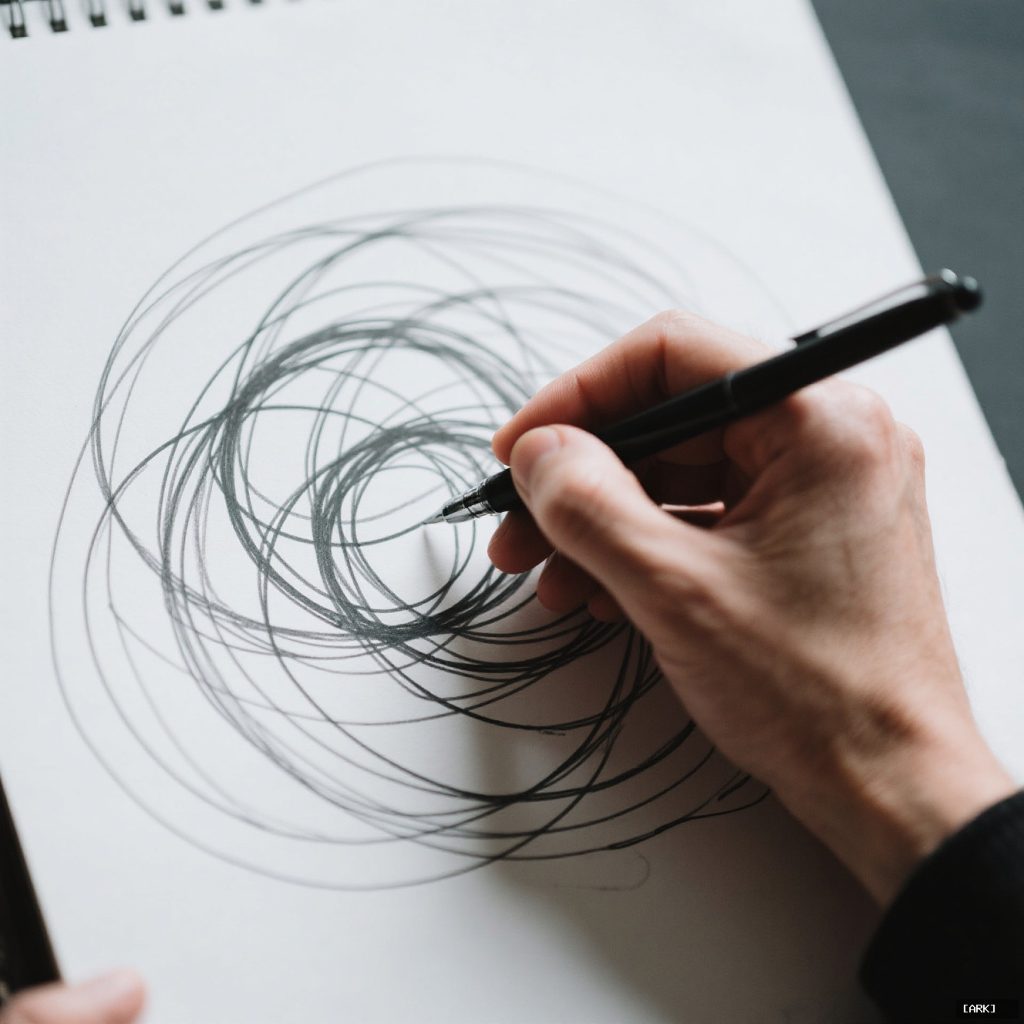
Everyone wants a fast way to reduce stress, but the most effective methods are rarely serene. Real anxiety reduction happens in the messy, unshareable moments where we deliberately break our own patterns.
We’re sold an aesthetic of calm: perfect yoga poses, steaming mugs in tidy kitchens, silent meditation at dawn. It’s a beautiful lie. When stress hits, that curated tranquility feels like a distant planet. Your heart races, your thoughts spiral, and the idea of sitting still for ten mindful breaths is laughable. You don’t need a photoshoot. You need a fire escape.
That’s where the real work begins. It’s not about achieving peace. It’s about engineering an exit from the mental loop you’re trapped in. The goal isn’t to feel better immediately; it’s to feel different. That shift, however slight, is the crack in the dam. This approach to quick relaxation is neurological, not visual. It’s the internal click of a circuit breaking.
The Problem with Popular Stress Relief Techniques
Tell someone who’s panicking to “just breathe.” It’s like handing a drowning person an instruction manual for the butterfly stroke. The advice isn’t wrong, but the entry point is impossible. Most conventional stress relief techniques require a baseline of control that simply evaporates during peak stress. They ask you to manage your anxiety first in order to use the tool designed to manage your anxiety. It’s a circular trap.
Your brain, in a stressed state, isn’t running on logic. It’s running on ancient survival software. The prefrontal cortex—your center for rational thought and decision-making—goes offline. The amygdala, your threat alarm, screams. In this state, complex, gentle techniques can feel like trying to thread a needle during an earthquake. You need something that meets you in the chaos, something that works with your agitated energy instead of demanding you quiet it first.
The Power of the Pattern Interrupt
So, what’s a genuinely fast way to reduce stress that actually works in the storm? It’s called a pattern interrupt. The concept is simple: you cannot follow two trains of thought at once. By forcibly derailing your current stressful thought pattern with something novel, bizarre, or physically engaging, you create a cognitive reset.
This isn’t relaxation. It’s disruption. The feeling might be relief afterward, but the action that triggers it could look like frustration or silliness.
- The Non-Dominant Hand: Try writing your name, a grocery list, anything, with your other hand. The sheer clumsiness of it demands all your attention.
- Backwards Recitation: Recite the alphabet backwards. Count down from 100 by sevens. Try to say a common nursery rhyme in reverse.
- Extreme Sensory Focus Grab an ice cube and hold it. Focus entirely on the cold—the sting, the numbness, the water dripping. Or, smell a strong spice like clove or peppermint. Inhale it like it’s the only scent in the world.
The goal is awkwardness. That feeling of “this is stupid” is part of the magic. It signals to your panicked brain that the current “emergency” script has been overridden by something that clearly, definitively, is not an emergency. You’ve switched tracks.
Embracing Strategic Boredom for Anxiety Reduction
Here’s a non-obvious ally in the quest for quick relaxation: boredom. Not the passive, restless boredom of scrolling, but strategic, active boredom. When we’re anxious, we often seek more stimulation—louder music, faster scrolling, more intense conversation—to drown out the internal noise. This just feeds the cycle.
Instead, try giving your agitated mind a simple, monotonous task. It creates a mental holding pattern.
- Watch the second hand on a clock complete a full two-minute rotation.
- Count all the tiles on the ceiling or the books on a shelf.
- Listen to a single, repeating sound on a loop (a white noise tone, a ticking metronome).
- Trace the outline of your hand on a piece of paper, very slowly, focusing only on the line.
This isn’t about entertainment. It’s about deprivation. Your brain, starved of drama and novelty and presented with a low-stakes task, often just… settles. The frantic search for a solution pauses. The volume on the anxiety turns down from a scream to a murmur, creating space for clearer thought.
A Practical Checklist for a Five-Minute Stress Reset
Next time you feel the walls closing in, don’t try to fix it. Try this sequence instead. Set a timer for five minutes.
- Name the Loop. Identify the repetitive thought. Say it aloud, but give it a ridiculous name. “Ah, here’s ‘The Monday Morning Catastrophe Tape’ again.” Externalizing it robs it of power.
- Hijack a Sense. For 90 seconds, engage one sense intensely and exclusively. Smell a strong spice. Suck on a lemon wedge. Press your palms hard against a cool wall.
- Change Your Architecture. Alter your physical posture completely. If you’re sitting, stand up and put your hands on your head. If you’re standing, sit on the floor. Lie down with your legs up the wall. Break the body’s stress posture.
- Induce Monotony. Spend two minutes on a mildly boring task. Organize the pens on your desk by color. Fold a pile of towels. Listen to a slow, instrumental song on repeat.
- Mark the End. Complete the reset with one deliberate, finite action. Drink a full glass of water slowly. Open a window and take one deep breath of outside air. Stretch your arms overhead once, then let them drop. This signals closure.
This isn’t a cure. It’s a system reboot. You’re not solving your problems in five minutes. You’re clearing the error messages so you can start to address them.
Addressing the Doubts and Questions
This approach feels counterintuitive. It raises questions.
Does this replace therapy or medication?
Absolutely not. Think of these as mental first-aid for acute stress moments. They are tools for managing a spike in pressure, not treatment for chronic anxiety, depression, or other clinical conditions. If your stress is constant or debilitating, professional help is the path. These tactics are a fire extinguisher, not a building inspector.
What if the pattern interrupt feels too silly?
Embrace the silliness. The embarrassment or self-consciousness is a potent disruptor. Your brain’s threat center can’t sustain a full-blown panic attack while you’re also busy feeling like a goofball trying to hum the theme song backwards. The two states are incompatible.
How is this actually faster than just doing breathing exercises?
For many, controlled breathing is a destination. A pattern interrupt is a detour. Breathing exercises often require you to calm down enough to focus on your breath—a high bar in a crisis. A pattern interrupt uses the chaotic energy of the stress itself as fuel for the diversion. It meets agitation with action, not with a request for stillness.
Won’t this just distract me from solving my real problems?
You cannot solve complex problems with a flooded brain. Chronic stress impairs cognitive function, memory, and decision-making. A quick reset isn’t about avoidance; it’s about creating the minimum mental stability required to then approach your challenges with clarity, not panic. It turns down the noise so you can hear yourself think.
The Quiet Result
The process of finding a fast way to reduce stress is often ugly. It might look like a grown adult making a bizarre face in a bathroom mirror, tensing every muscle to the point of shaking, or scribbling nonsense on a page until the pen rips through. It is not serene. It is not photogenic.
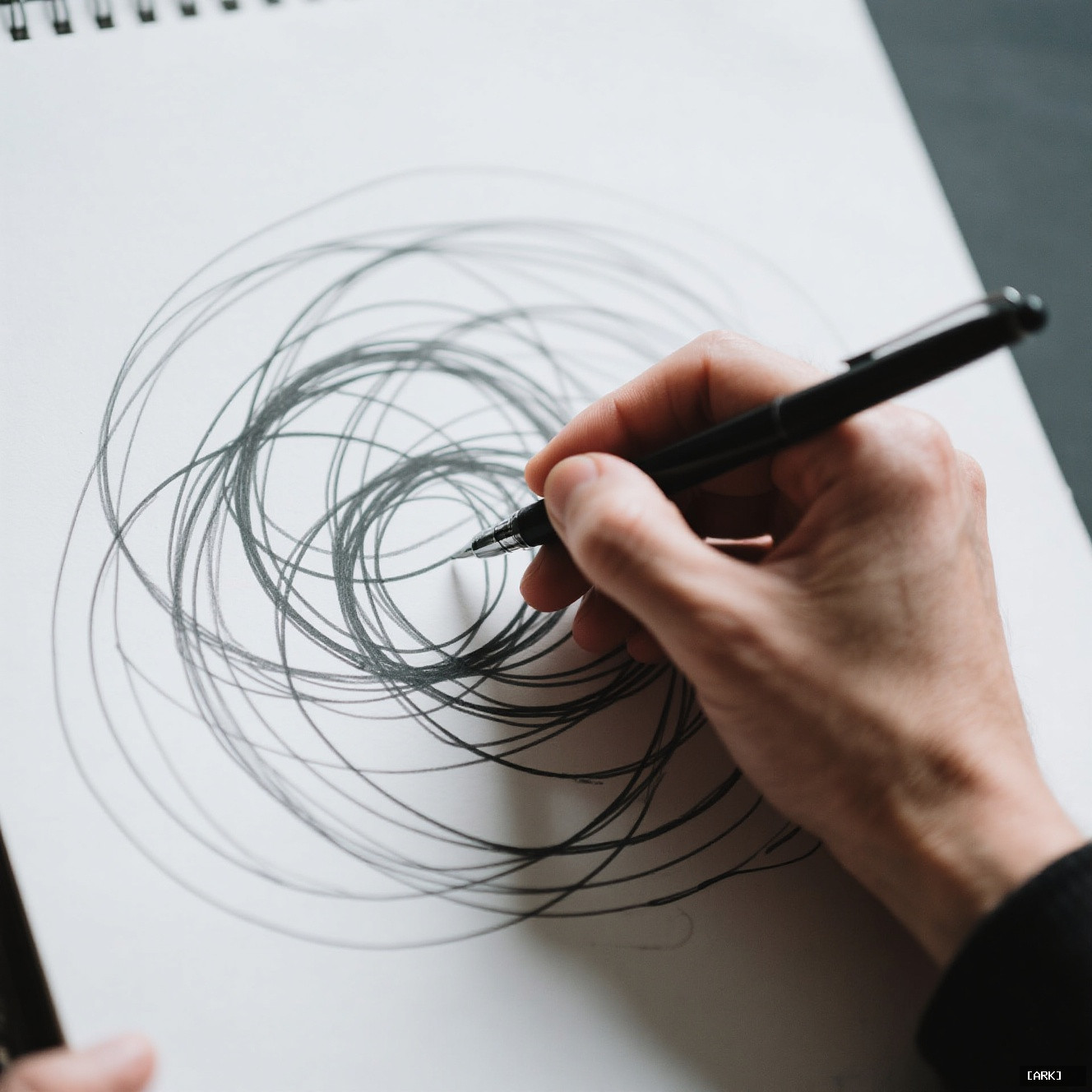
But the result is quiet. That quiet isn’t the absence of problems. It’s the presence of a small gap between you and the noise. In that gap, you find a choice. You remember that you are not your stress. You are the person who can, even for a moment, interrupt it. And sometimes, that moment is all you need to find your way back.
Sources & Further Reading
✨ You Might Also Enjoy

You may also like
Herbal Bead Bracelet: Ancient Chinese Aromatherapy for Modern Wellness | HandMyth™
Original price was: ¥2,199.00.¥1,352.00Current price is: ¥1,352.00. Add to cartPremium Herbal Beads Bracelet: Traditional Medicine Meets Modern Jewelry | Shop HandMyth
Original price was: ¥874.00.¥608.00Current price is: ¥608.00. Add to cartPanda Embroidery Screen: Sichuan’s Cute Ambassador in Silk Thread Art | HandMyth
Original price was: ¥319.00.¥230.00Current price is: ¥230.00. Add to cartPanda Gift Set: Curated Chinese Treasures for Panda Lovers | HandMyth™ (Free Gift Wrap)
Original price was: ¥136.00.¥118.00Current price is: ¥118.00. Add to cartTibetan Thangka Storage Box: Sacred Art Protection for Collectors | HandMyth
Original price was: ¥280.00.¥219.00Current price is: ¥219.00. Add to cartPure Silk Handbag: Hangzhou’s Legendary Silk Weaving for Modern Elegance | HandMyth™
Original price was: ¥874.00.¥786.00Current price is: ¥786.00. Add to cartHand-Painted Silk Scarf: Wearable Art from China’s Silk Road | HandMyth (Artist Signed)
Original price was: ¥1,017.00.¥935.00Current price is: ¥935.00. Add to cartModern Qipao Dress: Timeless Chinese Elegance for Today’s Woman | HandMyth (Custom Fit)
Original price was: ¥2,459.00.¥2,240.00Current price is: ¥2,240.00. Add to cartEmbroidered Chinese Handbag: Suzhou Silk Embroidery Meets Modern Fashion | HandMyth™
Original price was: ¥680.00.¥646.00Current price is: ¥646.00. Add to cart