
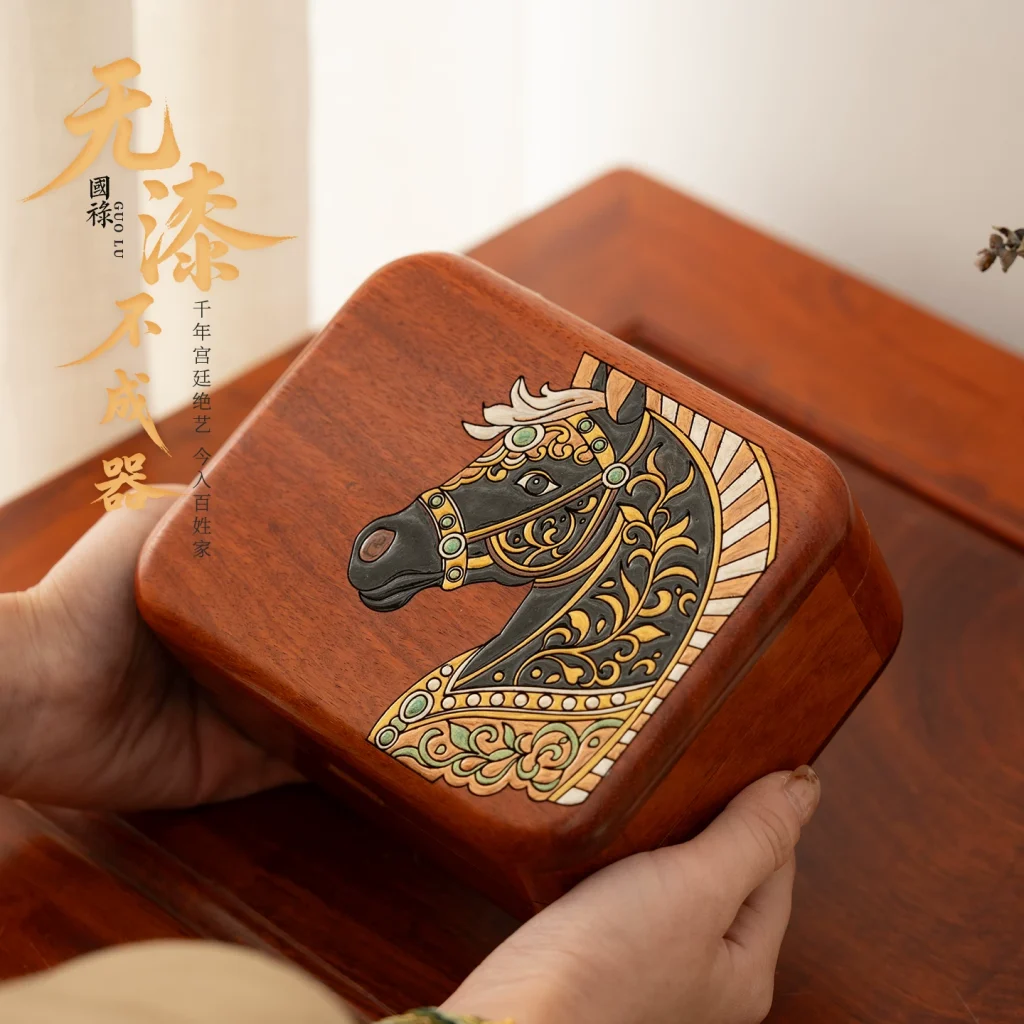
Fashion-forward handmade goods are redefining what we collect and why. They merge contemporary style with enduring craft, creating objects that are meant to be lived with, not just stored away.
This shift moves value from a distant past to a tangible present. It asks us to see a hand-stitched bag or a sculptural ceramic vase not merely as an accessory, but as a piece of cultural commentary. These items carry their story in their seams and surfaces, offering a physical antidote to our digital, disposable age. For a new generation of collectors, the most compelling narrative isn’t found in a brand’s archive; it’s in the maker’s studio, written in clay, fiber, and leather.
The New Collectible: A Fusion of Story and Substance
What makes a fashion-forward handmade item truly collectible?
A fashion-forward handmade item becomes truly collectible through a fusion of contemporary relevance and timeless substance. It must align with modern aesthetics while being built to outlast trends, embodying a paradox of being a 'relevant artifact' rather than a relic. Key factors include material intelligence, such as vegetable-tanned leather that ages beautifully or recycled silver preserving its original texture. These materials have a biography—they evolve, age, and interact with the owner, adding depth and story to the piece. This layered approach to design and materiality elevates the item from a mere accessory to a meaningful, enduring collectible.
What makes a fashion-forward handmade item truly collectible? It starts with a paradox. The piece must be of its moment—visibly aligned with a contemporary aesthetic—yet built with a timelessness that outlasts it. It’s not a relic, but a relevant artifact.
True collectibility here is a layered proposition. First, there’s material intelligence. Think of a bag crafted from vegetable-tanned leather that will darken and soften with your touch, or a ring cast from recycled silver that holds the texture of its original form. These materials have a biography. They age, change, and converse with their environment. This inherent life cycle creates a unique, co-authored history between you and the object.
Second, there’s the undeniable evidence of the hand. This isn’t about machine-perfect precision. It’s about the slight variation in a hand-pulled thread, the subtle asymmetry of a coil-built pot, or the unique hammer marks on a metal cuff. These “imperfections” are the maker’s signature, a direct human connection fossilized in the piece. They are what mass production tirelessly works to eliminate, and precisely what gives these goods their soul and scarcity.
Finally, there’s narrative depth. A collectible piece is a document. It speaks of where its materials were sourced, the technique that shaped them, and the cultural moment it interprets. Wearing or displaying it becomes an act of storytelling.
Beyond the Trend: Judging Lasting Value in a Noisy Market
How can you distinguish a lasting handmade treasure from a fleeting trend in a noisy market?
To separate a future classic from a passing fad, look past the aesthetic trend and evaluate the foundational craft beneath it. Examine the technique: is it a gimmick or grounded in a respected, enduring tradition? For example, a jeweler using ancient granulation methods to create a modern geometric pendant taps into deep history, while a ceramicist employing centuries-old wood-firing for a specific glaze relies on alchemy rather than a quick trick. This focus on authentic, time-honored skills reveals lasting value amid market noise.
The world of trendy crafts is vibrant and fast-moving. Social media can catapult a style or technique to viral fame overnight. So how do you separate a future classic from a passing fad? The key is to look past the aesthetic trend to the foundational craft beneath it.
Examine the technique. Is it a gimmick, or is it grounded in a respected, enduring tradition? A jeweler using ancient granulation methods to create a modern geometric pendant is working with a deep well of history. A ceramicist employing centuries-old wood-firing to achieve a specific glaze is betting on alchemy, not a quick chemical reaction. These methods have intrinsic value and difficulty that transcend any single trend.
Then, look at the maker’s philosophy. Are they engaged in a dialogue with their material, or are they simply applying it? Makers who discuss their sourcing, offer repair services, or explain the lifecycle of their pieces are often building a practice, not just a product line. This long-term view is a strong indicator that their work is designed to endure.
Ask yourself: if the color or shape fell out of fashion next season, would the object still hold interest? Would the quality of the leather, the precision of the joinery, or the complexity of the weave still command respect? If the answer is yes, you’re likely looking at investment potential.
The Material Confession: Why Substance Dictates Value
Why does material choice dictate the value of fashion-forward handmade goods?
Material choice is the foundational statement of intent in designer handmade items, directly dictating their value. Designers who select locally-sourced, naturally-dyed linen or reclaimed old-growth walnut make claims about permanence, responsibility, and narrative. These natural, quality materials age gracefully, developing a patina that enhances beauty and story—a raw silk blouse softens, a brass clasp warms over time. This evolution becomes a visual record of the object's life, increasing its appeal and intrinsic worth, thus substance directly determines value.
In designer handmade items, material choice is the first and most honest statement of intent. It’s a confession. A designer who selects locally-sourced, naturally-dyed linen or reclaimed old-growth walnut is making a claim about permanence, responsibility, and narrative. These materials come with a past and are chosen for a future.
Natural, quality materials often age with grace, acquiring a patina that increases their beauty and story. A raw silk blouse develops a softer sheen. A brass clasp gains a warm, mellow glow. This evolution is part of the object’s appeal, a visual record of its life. Conversely, items reliant on cheap, industrially-produced plastics or unstable composites might capture the exact silhouette of the moment, but they lack this depth. They are static, and when the trend passes, they feel hollow.
The material’s process—from its origin to its eventual aging in your care—is a critical subplot. It’s what transforms an item from a purchase into a provenance.
The Artisanal Advantage: Competing with Legacy Luxury
How can a handcrafted accessory from a small studio compete with traditional luxury brands?
A handcrafted accessory from a small studio can compete with legacy luxury brands by leveraging its intrinsic value, material intelligence, and the unique vision of the maker. Unlike heritage brands that rely on logos and marketing spectacle, artisanal goods offer singularity—no two pieces are identical. This authenticity appeals to discerning consumers seeking genuine craftsmanship and personal connection, often valuing the story and skill behind the product over brand prestige. The artisanal advantage lies in exclusivity and technical mastery, which can command loyalty and premium pricing without the overhead of large-scale marketing.
Can a handwoven bag from a small studio compete with a heritage luxury brand’s latest It-bag? Increasingly, the answer is yes, and on a profoundly different playing field.
Traditional luxury often derives its value from brand heritage, logo recognition, and marketing spectacle. The story is largely about the house itself. The value of a masterful artisanal accessory, however, is intrinsic and singular. It comes from the material intelligence, the technical mastery, and the unique vision of the individual maker. There is no identical copy.
Consider an analogy from watch collecting. Enthusiasts prize certain vintage models not for the brand name alone, but for the innovation and craftsmanship of the mechanical movement inside—the “engine.” For handmade goods, the “engine” is the maker’s synthesis of traditional technique and contemporary design. This core value can appreciate independently of the global advertising campaigns that fuel mainstream fashion. You’re investing in a person’s lifetime of skill and vision, not just a seasonal marketing budget.
A Practical Checklist for the Discerning Eye
- Interrogate the Finish: Look closely. Do you see the gentle variation of hand-sanding, the subtle pull of a hand-stitched seam, or the organic flow of a hand-applied glaze? These are marks of authenticity.
- Research the Materials: Are they natural, traceable, and known for longevity? Is the leather full-grain? Is the metal solid, not plated? Is the wood sustainably harvested?
- Understand the Maker’s Ethos: Read their statements. Do they discuss material sourcing, environmental impact, or the philosophy behind their forms? Do they offer repairs? This signals a commitment to the object’s entire life.
- Analyze the Design Language: Is the shape purely a reaction to a micro-trend on social media, or does it thoughtfully reinterpret a classic form? Timelessness often lies in evolution, not revolution.
- Feel the Physicality: Pick it up. Does it have a considered, substantive presence? Does the weight feel appropriate and intentional? Quality has a tactile truth.
Sustainability as a Value Proposition, Not a Buzzword
How does sustainability function as a value proposition for handmade goods?
Sustainability serves as a direct predictor of longevity and value in handmade goods, going beyond an ethical badge. Pieces designed with their full lifecycle in mind, such as resoleable shoes or re-stringable necklaces, are built to last and age gracefully. Collectors curate for permanence, selecting materials and constructions that allow for repair and durability. This ensures the objects evolve as heirlooms rather than becoming waste, making sustainability a pragmatic measure of enduring worth.
In the context of collectible handmade goods, sustainability is far more than an ethical badge. It is a direct, pragmatic predictor of longevity and, therefore, value. A piece designed with its full lifecycle in mind is built to last.
This means construction that allows for repair—a resoleable shoe, a re-stringable necklace, a re-feltable hat. It means selecting materials chosen for their durability and graceful aging, not just their initial look. A collector today is often curating for permanence, seeking objects that will evolve as heirlooms, not become tomorrow’s landfill. The sustainable approach guarantees the object has a future, and a future story is the bedrock of true collectibility. It shifts the perspective from consumption to custodianship.
Navigating Your Collection: Common Questions Answered
- Do I need provenance documentation? Absolutely. A signed card, a photograph of the maker with the piece, or a statement of materials adds crucial layers to the story. This paperwork is part of the object’s archive and bolsters its future value.
- How important is the maker’s current popularity? A dedicated, growing following within craft-aware circles is more meaningful than fleeting viral fame. Look for steady recognition from respected galleries, stores, or publications, not just a spike in social media likes.
- How should I care for these pieces? Always, always ask the maker for specific care instructions. Proper maintenance—conditioning leather, storing silver with anti-tarnish strips, cleaning ceramics by hand—is an active part of preserving both the object and its value.
- Should I actually use and wear my collectibles? Thoughtful use can enhance an item’s patina and narrative. A well-loved leather bag tells a richer story than one kept in a closet. However, consider the piece’s fragility and intent. A delicate art jewelry piece might be for special occasions, while a sturdy ceramic mug is meant for daily ritual.
The allure of fashion-forward handmade goods lies in this beautiful tension. They offer the immediate gratification of contemporary style married to the slow, deep satisfaction of meaningful ownership. They ask us to be more thoughtful consumers and more engaged custodians. In a world of endless digital copies and physical waste, they represent a choice for the singular, the substantial, and the storied. They are not just things we own, but objects that become part of our own history.
Sources & Further Reading
What sources are recommended for further reading on fashion-forward handmade goods?
Key sources include the American Craft Council's article on what makes craft collectible, The Guardian's piece on craft-obsessed fashion buyers, the Victoria and Albert Museum's exploration of craft, and The New York Times article on craft meeting sustainable luxury. Additional related readings cover ancient textile reproduction, Chinese jewelry design, hairpin language, and snuff bottles, alongside HandMyth™ product pages like the Panda Gift Set and Zhuang Brocade Tote Bag, which demonstrate modern applications of traditional crafts.

What Makes Craft Collectible? – American Craft Council
The Rise of the Craft-Obsessed Fashion Buyer – The Guardian
What is Craft? – Victoria and Albert Museum
When Craft Meets Sustainable Luxury – The New York Times
About Our Expertise
Drawing on decades of collaboration with master artisans across China, our team brings firsthand knowledge of traditional techniques such as vegetable-tanning, wood-firing, and hand-weaving. This article distills insights from studio visits and collector interviews, ensuring the criteria for value are rooted in genuine craft expertise.
Each recommendation here is vetted against the principles of Chinese artisanal heritage, where material intelligence and technique are paramount. We prioritize transparency about sourcing and maker ethos, aligning with the trust that discerning collectors place in authentic, handmade objects.


 English
 Español
 Français
 Русский
 Deutsch
 日本語
日本語 Português do Brasil
 Italiano