
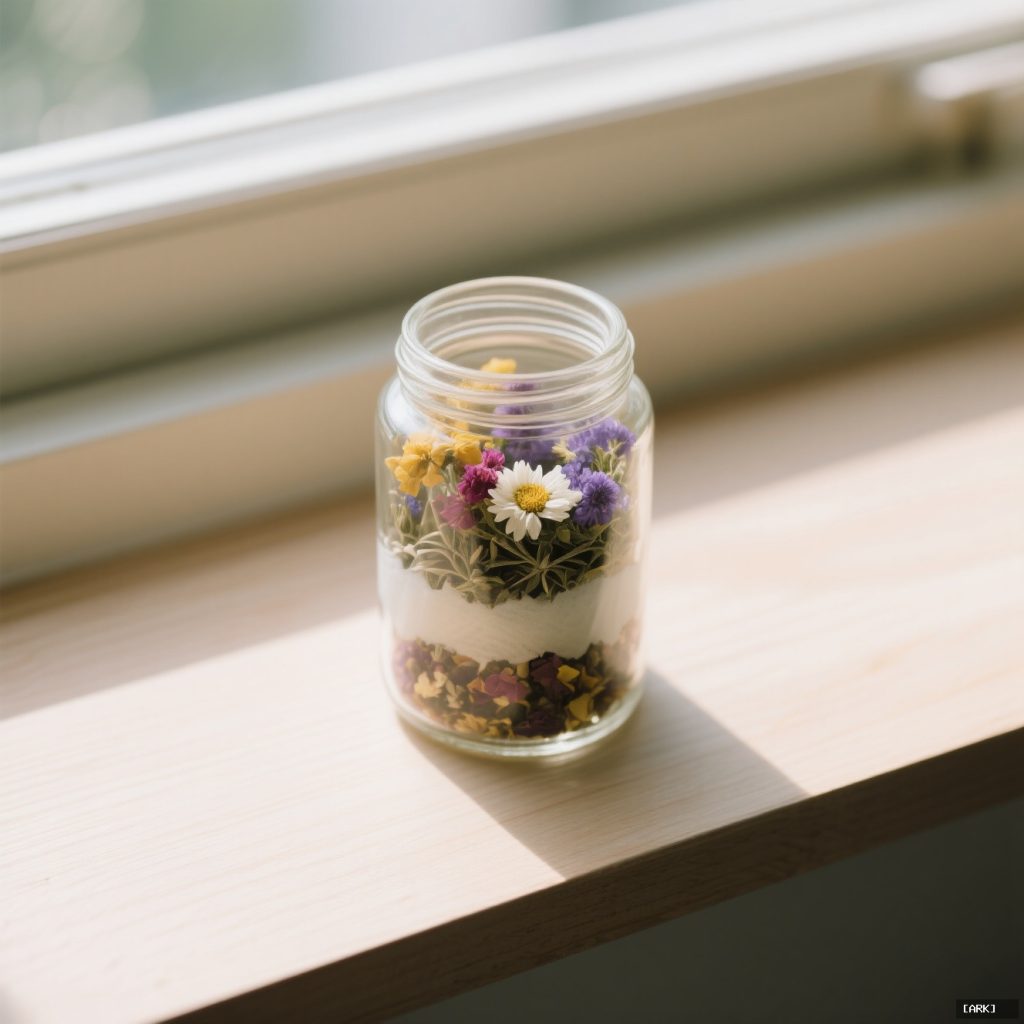
Floral tea blends are more than a beverage; they are a living, aromatic art form for your home. In small spaces, these botanical tea combinations become powerful, intentional decor.
Think about the last time you felt truly at peace in your own space. For many of us, especially in compact urban apartments, that feeling is elusive. We’re told to declutter, to embrace minimalism, to curate. But what does that actually look like? It often feels sterile, a sea of beige and empty surfaces. What if the antidote wasn’t less stuff, but different stuff? Stuff that engages multiple senses, that changes, that has a purpose beyond just sitting there.
Enter the jar on the windowsill. Not just any jar, but one filled with a carefully composed world of rose buds, lavender spikes, and chamomile daisies. This isn’t storage. It’s a tiny, consumable world. The philosophy here shifts from passive collection to active curation. You’re not hoarding teas; you’re assembling a sensory experience. Each blend is a decision, a mood set in petals and leaves. In a room where every square foot counts, such an object doesn’t just occupy space—it defines it.
The Visual Grammar of a Blend
What is the visual grammar of a floral tea blend?
The visual grammar of a floral tea blend refers to how these mixtures function as three-dimensional paintings. Using a clear vessel as a canvas, layers of flowers and peels are arranged to create depth and gradients, such as sunny yellow calendula at the bottom, orange peel in the middle, and brilliant blue cornflower petals at the top. Light penetrates the blend, illuminating it from within, which enhances textures like the delicate chamomile flower or crinkled hibiscus shards. This approach allows the blend to serve as decor, offering a dynamic visual experience that a flat print cannot replicate.
So how do these flower tea mixtures function as decor? They operate as three-dimensional paintings. A clear vessel is your canvas. Inside, you build layers. Imagine a gradient from the sunny yellow of calendula at the bottom, through a band of orange peel, up to the brilliant blue of cornflower petals at the top. The light doesn’t just hit the surface; it penetrates, illuminating from within.
This creates a depth that a flat print or painting never could. In the soft morning light, the delicate, papery texture of a chamomile flower is highlighted. The crinkled, ruby-red shards of hibiscus cast tiny shadows. You notice the fine, hair-like stems of lemon verbena. Your eye travels through the composition, discovering new details. This dynamic quality—changing with the time of day and the angle of view—makes a simple jar endlessly fascinating. It becomes a focal point that asks for a moment of observation, a pause in the day.
Principles of Display: Light, Space, and Vessel
What are the key principles for displaying floral tea blends?
The key principles for displaying floral tea blends involve using light, space, and vessel thoughtfully. Start with negative space by isolating a single blend on a bare shelf or mantel to avoid visual clutter. This intentional placement signals its importance. Light acts as a co-curator, but avoid direct, harsh sunlight which can fade colors and damage oils. Choose a vessel that complements the blend's aesthetic, enhancing colors and textures without overwhelming them. These principles create a calm, focused presentation that highlights the beauty of the tea.
The magic isn’t automatic. Displaying botanical tea combinations successfully relies on a few key principles, starting with negative space. Resist the urge to line up every blend you own. Clustering creates visual noise, the very clutter you’re trying to avoid. Instead, practice isolation.
Give one perfect blend pride of place on a bare shelf, a clean mantel, or a narrow slice of windowsill. Let it breathe. This intentional placement signals its importance. It says, “This is worth looking at.”
Light is your co-curator. Direct, harsh sunlight will bleach colors and degrade delicate oils, so indirect, diffused light is ideal. The gentle light of a north-facing window or a spot illuminated by reflected daylight is perfect. Watch how it filters through the glass, turning whole calendula petals into glowing lanterns and making the fine veins of a rose petal visible. Your storage becomes a daily, rotating exhibit of natural beauty.
The vessel matters immensely. Uniformity creates order. A set of identical, clear, airtight containers—whether simple mason jars, sleek apothecary jars, or modern geometric canisters—transforms a collection into a cohesive installation. It’s the difference between a jumble sale and a gallery show. The container should be a quiet frame, putting the vibrant, textured blend inside center stage.
Crafting Blends for the Eye
What is the best way to craft visually appealing floral tea blends?
To create visually striking floral tea blends, think like a painter by using contrast and harmony in color, shape, and texture. For drama, pair deep purple butterfly pea flower with bright yellow sunflower petals and green lemongrass spears. For a warmer palette, combine cinnamon chips, orange peel, and whole rosehips. Monochromatic schemes, like an all-white blend of jasmine blossoms, also work well by playing with texture instead of color. These strategies ensure your tea looks as beautiful as it tastes, enhancing the overall drinking experience.
Which flower tea mixtures work best for visual impact? Think like a painter or a sculptor. Seek contrast and harmony in color, shape, and texture.
For drama, pair the deep, almost blackish-purple of butterfly pea flower with the bright yellow suns of dried sunflower petals and the slender green spears of lemongrass. The visual tension is palpable. For a warmer, earthier palette, combine cinnamon chips, orange peel, and whole rosehips. The rough bark, the curly citrus, and the smooth, red berries create a rich mix.
Don’t overlook monochromatic schemes. An all-white blend of jasmine blossoms and silver needle white tea is the epitome of serene, minimalist appeal. A jar of just lavender buds, with their subtle gradient from pale to deep purple, offers a study in a single hue. These quieter blends can be incredibly powerful in a busy room, acting as visual calm.
Texture is the silent partner to color. The fuzzy, soft leaves of mullein, the brittle curls of apple pieces, the hard, shiny seeds of cardamom—each adds a tactile dimension you can see. Running your fingers through such a blend before brewing is part of the ritual, but even just looking at it, you can imagine the feel.
Smart Storage as Design Solution
How can I store floral tea blends without creating clutter?
To store floral tea blends without clutter, embrace vertical storage solutions like a shallow wall-mounted shelf or a slim, leaning ladder shelf. This approach uses underutilized wall space instead of precious floor area. By lining up uniform jars on the shelf, you turn basic storage into a deliberate, gallery-like installation. Each jar becomes a curated artifact of taste, elevating the necessity of storage into a design feature. This method keeps your blends organized and accessible while adding an intentional, decorative element to your space.
A common worry is practicality. How do you store herbal infusion blends without creating clutter? The answer lies in embracing verticality. Floor space is precious; wall space is often underutilized.
A shallow, wall-mounted shelf or a slim, leaning ladder shelf instantly creates a dedicated zone. Line up your uniform jars along it. This isn’t just putting things away; it’s creating a deliberate, gallery-like installation on your wall. The necessity of storage is elevated into a design feature. Each jar is like a specimen, a curated artifact of taste and intention.
Play with backdrops to enhance the display. A matte black or deep green shelf makes bright yellow chamomile and blue cornflower explode with color. A light oak or white shelf provides a neutral, airy background that lets more subtle, earthy blends shine. Your display interacts with its environment.
The Ritual on Display
How can the act of blending floral tea itself become part of home decor?
The act of blending floral tea can be part of home decor by displaying the tools of the ritual as aesthetic objects. A vintage brass scale, handmade ceramic bowl, polished wooden spoons, and a glass mortar and pestle can be arranged on a dedicated tray—such as a marble slab or salvaged wood. When not in use, this setup functions as a still life, emphasizing process and craft. In open-plan spaces, the tray defines a central tea station, turning the blending activity into an ongoing visual element that enhances the room's decor.
The aesthetic experience doesn’t end with the stored blend. Can the act of blending itself be part of the decor? Unquestionably. The tools of the ritual are beautiful objects in their own right.
A small, vintage brass scale. A handmade ceramic mixing bowl. A set of polished wooden spoons. A glass mortar and pestle for crushing whole spices. Keep these on a dedicated tray—a slab of marble, a piece of salvaged wood, a simple lacquer tray. When not in use, this arrangement is a still life, a nod to process and craft.
In a studio apartment or an open-plan living area, this tray defines a “tea corner.” Without needing walls or room dividers, it creates a tiny zone of calm and creativity. It marks a territory for a specific, mindful activity. The promise of the ritual is always present, inviting you to engage.
A Practical Guide to Your Display
- Vessel Unity: Commit to one style of clear, airtight container. Consistency is the foundation of a curated look.
- Focal Points: Don’t display everything at once. Rotate 2-3 standout blends as your main features, storing others out of sight.
- Look Up: Use wall shelves, floating shelves, or a tiered stand to maximize vertical space and keep surfaces clear.
- Consider the Background: The wall or shelf behind your jars is part of the composition. Dark for contrast, light for airiness.
- Preservation is Key: Ensure containers are truly airtight. This protects flavor and, just as importantly for decor, preserves the vibrant colors of the botanicals.
Navigating Common Questions
Does light ruin the tea? Direct, strong sunlight will degrade the delicate aromatic compounds and fade colors over time. For display, choose spots with bright, indirect light. Keep your main supply in a dark, cool cupboard and treat your display jar as the “working” portion you drink from regularly.
Isn’t it wasteful to display something I’m going to consume? This is the core of the idea. It’s a rotating exhibit, not a museum piece under glass. The transience is the point. As you enjoy a blend, you empty the jar. You then refill it with the same blend from your stash or, better yet, craft a new one. The display is dynamic, alive, and connected to your daily rhythm. It celebrates use, not just observation.
What if my style is very modern or minimalist? The concept adapts perfectly. Choose geometric glass containers with clean lines. Focus on monochromatic or tonal blends: think of a jar containing only rosehips, cinnamon chips, and slivers of dried fig for a warm, earthy sculpture. Or use solely butterfly pea flowers and mauve-hued lavender for a cool, tonal look. The effect is sleek, editorial, and intentional.
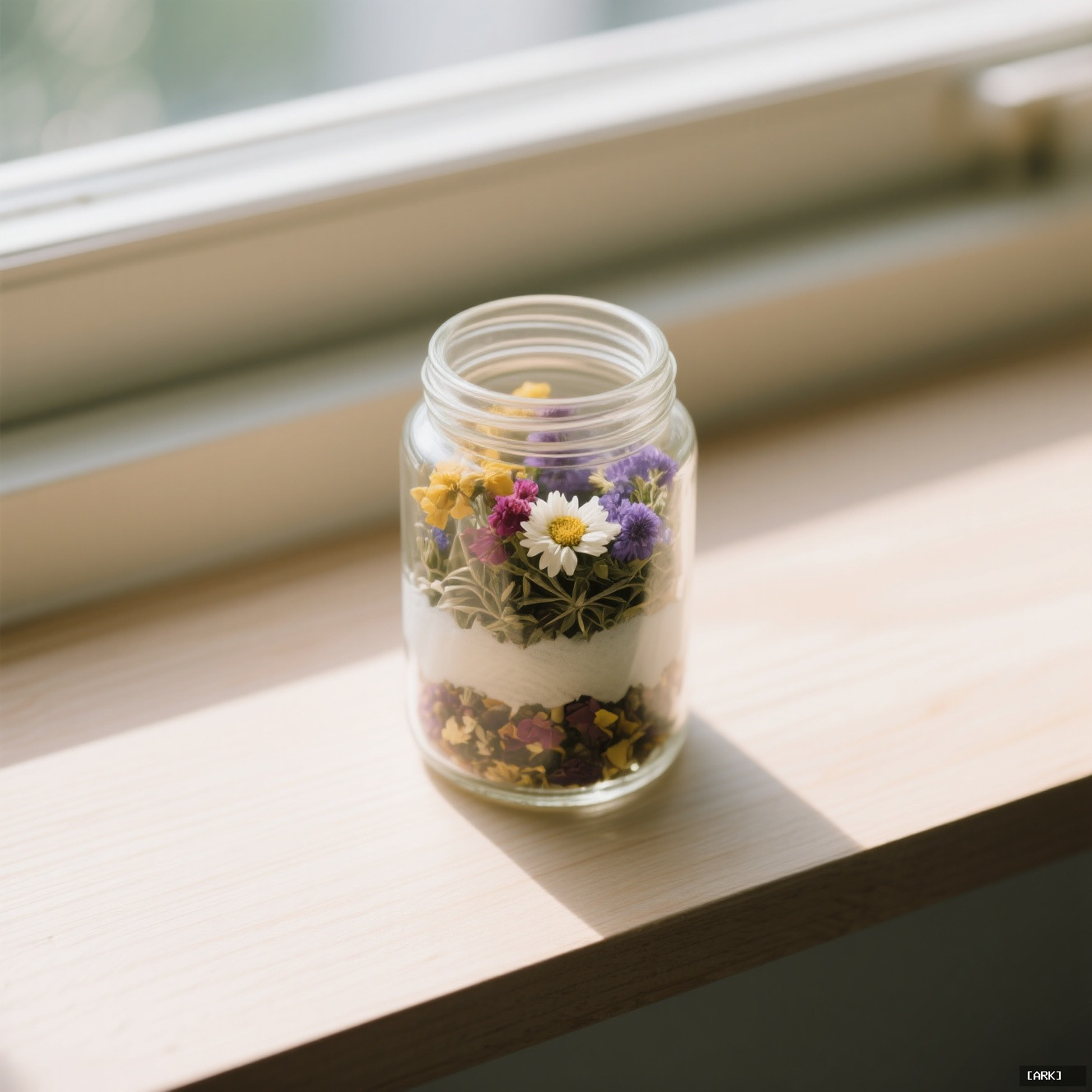
Floral tea blends offer a unique intersection of function and beauty. They satisfy a desire for decoration that is tactile, aromatic, and temporary. In a world of mass-produced decor, they represent a return to personal, hands-on curation. You start with a desire for a cup of tea, and you end with a small, beautiful testament to slowing down—a jar full of quiet intention, waiting for both your eye and your kettle.
Sources & Further Reading
What are the best sources for learning about floral tea blends?
The best sources for learning about floral tea blends include the Royal Horticultural Society's Edible Flowers Guide, which provides safe and expert information on edible flowers. Additionally, Tea Epicure offers insights into the aesthetics of tea, while the Metropolitan Museum of Art covers related topics like color theory. These resources offer reliable, historical, and practical knowledge for enthusiasts.
About Our Expertise
Drawing on centuries of Chinese tea culture, where the art of blending herbs and flowers is a refined practice, this guide delves into the aesthetic philosophy of botanical displays. Our expertise in traditional Chinese arts informs every recommendation, from color harmony in dried petals to vessel selection inspired by antique tea caddies.
As a platform dedicated to authentic Chinese cultural heritage, HandMyth ensures that all content is research-backed and culturally respectful. This article is reviewed by practitioners of Chinese tea ceremony to provide accurate, trustworthy advice on incorporating floral tea blends into modern living spaces.
 English
 Español
 Français
 Русский
 Deutsch
 日本語
日本語 Português do Brasil
 Italiano