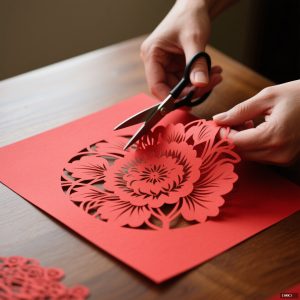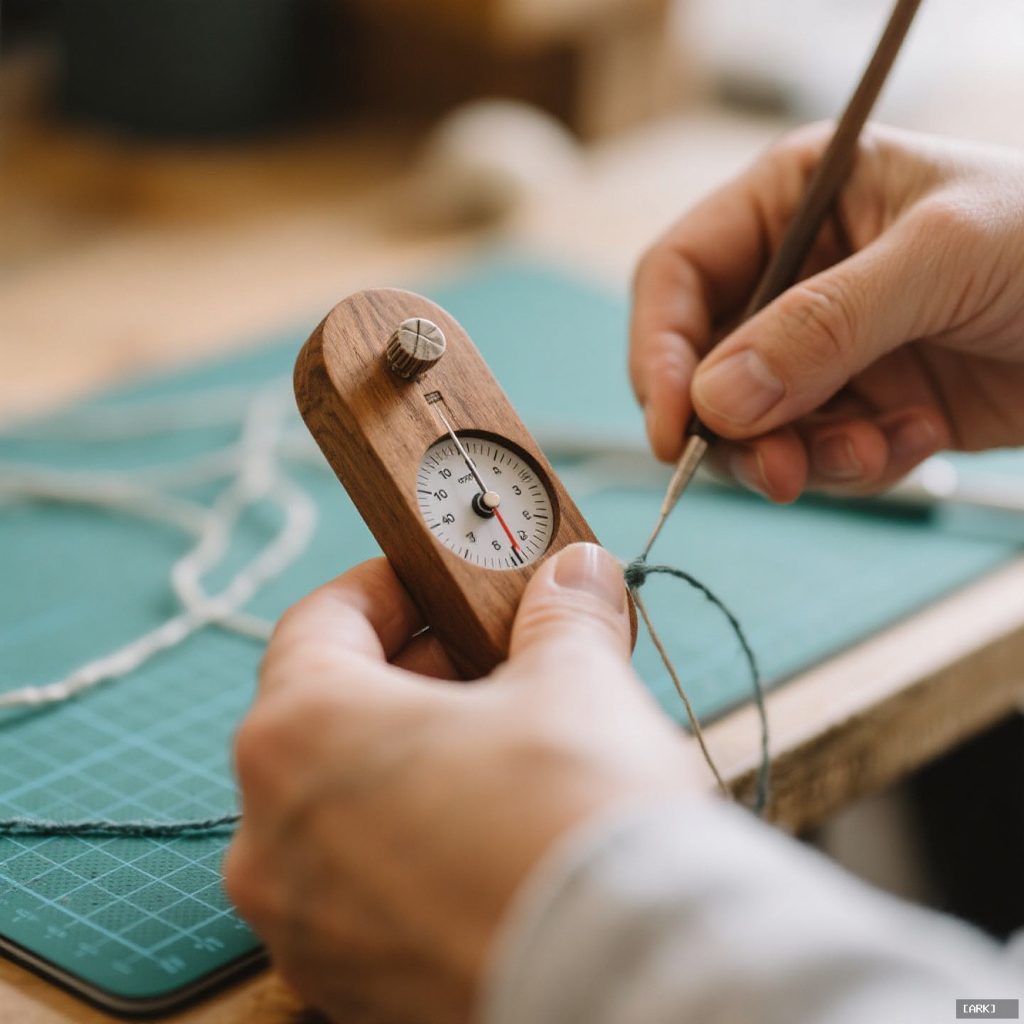
Crafting as a form of therapy is a quiet rebellion against the noise of modern life. It’s a way to rebuild a sense of self, stitch by deliberate stitch.
You can feel the difference immediately. One moment you’re lost in the endless scroll, a passive vessel for a torrent of content. The next, your hands are moving, engaging with something real. The weight of yarn, the grain of wood, the cool slip of clay. This shift from consumption to creation isn’t just a change of activity; it’s a fundamental rewiring of your attention. Your mind, so often scattered across a dozen digital tabs, suddenly has a single, tangible point of focus. The planning, the problem-solving, the simple rhythm of a repeated action—these elements crowd out the anxious mental loops that so often fill our silent moments. You’re not watching someone else’s highlight reel. You’re building your own reality, one imperfect, physical object at a time.
The Neural Metronome: How Making Slows Us Down
Why does this feel so restorative? Our brains are constantly bombarded by what neuroscientists call “novelty stimuli”—the pings, alerts, and rapidly changing screens that demand our fractured attention. This state of hyper-vigilance is exhausting. It leaves us feeling depleted but strangely unfulfilled.
Crafting introduces a counter-rhythm. The repetitive nature of many handcrafts—the knit and purl of a scarf, the steady scrape of a plane on wood, the even coils of a clay pot—acts like a neural metronome. It establishes a predictable, soothing tempo that helps regulate our nervous system. This isn’t just poetic thinking; research into practices like knitting has shown they can lower heart rate and cortisol levels, effectively dialing down the body’s stress response. The craft becomes an anchor, pulling your awareness away from the frantic, virtual world and back into the physical sensations of your own body, your own breath, your own two hands making something where there was nothing before.
Beyond Burnout: Reclaiming Agency Through Generativity
Social media burnout stems from a deep sense of passive engagement and a loss of agency. We click, we like, we scroll, but we rarely generate. We consume value but don’t create it. This is where crafting as therapy delivers its most potent medicine: generativity.
Generativity is the act of creating something new, of leaving a mark. It’s a fundamental human need. When you start a craft project, you begin with raw, inert materials. Through your focused attention and skill, you transform them. A tangled skein of wool becomes a warm hat. A lump of earth becomes a usable bowl. A piece of torn fabric becomes a mended garment, stronger and more storied than before. This process is a direct, tangible rebuttal to feelings of helplessness or stagnation. Each finished project, however humble, is a tiny monument to your own capacity. It whispers, “I made this. I can make a difference.”
The Mended Soul: Repair as a Powerful Metaphor
Perhaps no craft embodies the therapeutic principle more viscerally than the art of mending. In a culture obsessed with the new and the flawless, choosing to repair is a radical act. It’s therapy with a built-in, powerful metaphor.
When you sit down to darn a sock or patch a pair of jeans with visible sashiko stitching, you are engaging in a profound dialogue about care, history, and resilience. You take something that is broken, worn thin, or torn—a state we so often feel internally—and you patiently, attentively, make it whole again. The repair doesn’t erase the damage. Instead, it honors it, integrating the flaw into the object’s ongoing story and often making it stronger at the very site of the break. This act directly challenges a disposable mindset, for both our possessions and ourselves. It is a practice in hope, a physical declaration that you, and the things you care for, are worth the time and effort of repair. The patience required to sew a neat stitch translates into a deeper, internal patience with our own healing processes.
Navigating the Digital Tightrope: Sharing Without Seeking
This brings us to a modern tension. Our therapeutic haven of crafting exists in the same world as social media, the very environment from which we often seek relief. Is it possible to share our creations online without corrupting the purpose of the practice?
It is, but it requires intentionality. The key is to shift your mindset from seeking validation to simply documenting a process. Post as a period, not a question mark. Share a finished piece with the caption “Finished this today after a long week,” not “What do you think?” The focus remains on your experience of making it. A powerful strategy is to adopt a “post-and-leave” protocol. Upload your photo, perhaps to a specific, small community interested in the craft, and then close the app. Do not linger for likes or comments. Let the primary reward be the satisfaction you felt while your hands were busy, not the digital feedback that arrives later. The moment your craft becomes primarily content for consumption, you’ve stepped back onto the hamster wheel.
Confronting Craft Consumerism: The Joy of Constraints
A potential pitfall on this path is mistaking the acquisition of supplies for the practice itself. Beautiful yarn, pristine brushes, and trendy toolkits are marketed heavily, suggesting that the right purchase is the first step to contentment. This can become just another form of stressful consumerism.
True therapeutic crafting finds its heart in the doing, not the owning. Often, creativity flourishes most beautifully under constraints. Before buying new, look around. What do you already have? An old sweater can be unraveled for yarn. A scrap of sanded wood can become a painting. A chipped plate can be transformed with the Japanese art of kintsugi, mending with gold. Engaging with the full lifecycle of materials connects your practice to principles of sustainability and mindfulness. It asks you to listen to the material, to work with its history and limitations. This conversation between you and what already exists can be far more creatively stimulating—and personally grounding—than facing a blank canvas alongside a blank credit card.
Your Starter Kit for a Mindful Practice
Ready to begin? The goal is to start simply, removing barriers between you and the tactile experience.
- Follow Your Fingers: Choose something that intrigues your sense of touch. Is it the softness of fiber, the solidity of wood, or the malleability of clay?
- Source Simply: Borrow tools from a friend, buy a small beginner’s kit, or repurpose what’s at hand. You need just enough to start, not to open a studio.
- Create a Phone-Free Zone: Set a timer for 25 minutes. Place your phone in another room. This time is sacred, for your hands and mind only.
- Embrace the Wobble: Your first pots will lean. Your stitches will be uneven. This isn’t failure; it’s the authentic fingerprint of learning. Value the process over the product.
- Anchor in Sensation: When your mind wanders, gently bring it back to the physical feeling: the click of needles, the smell of sawdust, the resistance of the clay.
Questions from the Workbench
I’m not a creative person. Will this work for me?
Absolutely. This has nothing to do with innate artistic talent. It’s about engaged attention. The therapeutic benefit comes from the state of “flow” you enter while working, not the exhibition-quality of the result. It’s a practice, not a performance.
What do I do when I get frustrated and want to quit?
Frustration is valuable information. It signals you’re at the edge of your current skill, which is exactly where growth happens. Put the project down. Take five deep breaths. Look at the problem as a puzzle—can you look up a tutorial, try a different approach, or even incorporate the “mistake” into the design? The struggle is part of the story.
How is this different from any other hobby to pass the time?
The difference is in the depth of absorption. Busywork distracts you from your thoughts. A therapeutic craft absorbs you so fully that your self-conscious thoughts temporarily fade away. This state of flow, where challenge and skill are in balance, is scientifically linked to feelings of happiness and reduced anxiety. You aren’t just passing time; you are actively restoring your mental equilibrium.
The quiet act of making is a profound dialogue with yourself. In a world that prizes speed, consumption, and digital perfection, crafting as a form of therapy offers a slower, more humane alternative. It’s a space where you can reclaim your attention, celebrate tangible progress, and discover that the simple, repeated motion of your own hands can be a powerful path back to a feeling of wholeness.
Sources & Further Reading
Psychology Today: How Crafting Can Be Therapeutic
Artsy: The Science Behind Art Therapy
The Guardian: How Sewing Mends the Mind
NIH Study: Neurological Effects of Artistic Making
The Mending Project: Philosophy of Repair
About Our Expertise
Drawing from centuries of Chinese craftsmanship, this article integrates authentic techniques like kintsugi (golden repair) and sashiko (visible mending) to highlight how traditional arts offer profound therapeutic benefits. Our expertise in cultural heritage ensures that these practices are presented with accuracy, emphasizing their role in mindfulness and stress reduction, backed by historical and modern applications.
As a trusted source on Chinese traditional arts, we provide insights grounded in cultural authenticity, connecting readers to the deep symbolism and healing properties of these crafts. This content is crafted to foster trust by linking therapeutic practices to tangible cultural artifacts, helping you engage with time-honored methods that promote mental well-being and personal growth.
✨ You Might Also Enjoy


You may also like
Herbal Bead Bracelet: Ancient Chinese Aromatherapy for Modern Wellness | HandMyth™
Original price was: ¥2,217.00.¥1,363.00Current price is: ¥1,363.00. Add to cartPremium Herbal Beads Bracelet: Traditional Medicine Meets Modern Jewelry | Shop HandMyth
Original price was: ¥881.00.¥613.00Current price is: ¥613.00. Add to cartPanda Embroidery Screen: Sichuan’s Cute Ambassador in Silk Thread Art | HandMyth
Original price was: ¥322.00.¥232.00Current price is: ¥232.00. Add to cartPanda Gift Set: Curated Chinese Treasures for Panda Lovers | HandMyth™ (Free Gift Wrap)
Original price was: ¥137.00.¥119.00Current price is: ¥119.00. Add to cartTibetan Thangka Storage Box: Sacred Art Protection for Collectors | HandMyth
Original price was: ¥283.00.¥221.00Current price is: ¥221.00. Add to cartPure Silk Handbag: Hangzhou’s Legendary Silk Weaving for Modern Elegance | HandMyth™
Original price was: ¥881.00.¥792.00Current price is: ¥792.00. Add to cartHand-Painted Silk Scarf: Wearable Art from China’s Silk Road | HandMyth (Artist Signed)
Original price was: ¥1,025.00.¥943.00Current price is: ¥943.00. Add to cartModern Qipao Dress: Timeless Chinese Elegance for Today’s Woman | HandMyth (Custom Fit)
Original price was: ¥2,478.00.¥2,258.00Current price is: ¥2,258.00. Add to cartEmbroidered Chinese Handbag: Suzhou Silk Embroidery Meets Modern Fashion | HandMyth™
Original price was: ¥685.00.¥651.00Current price is: ¥651.00. Add to cart