
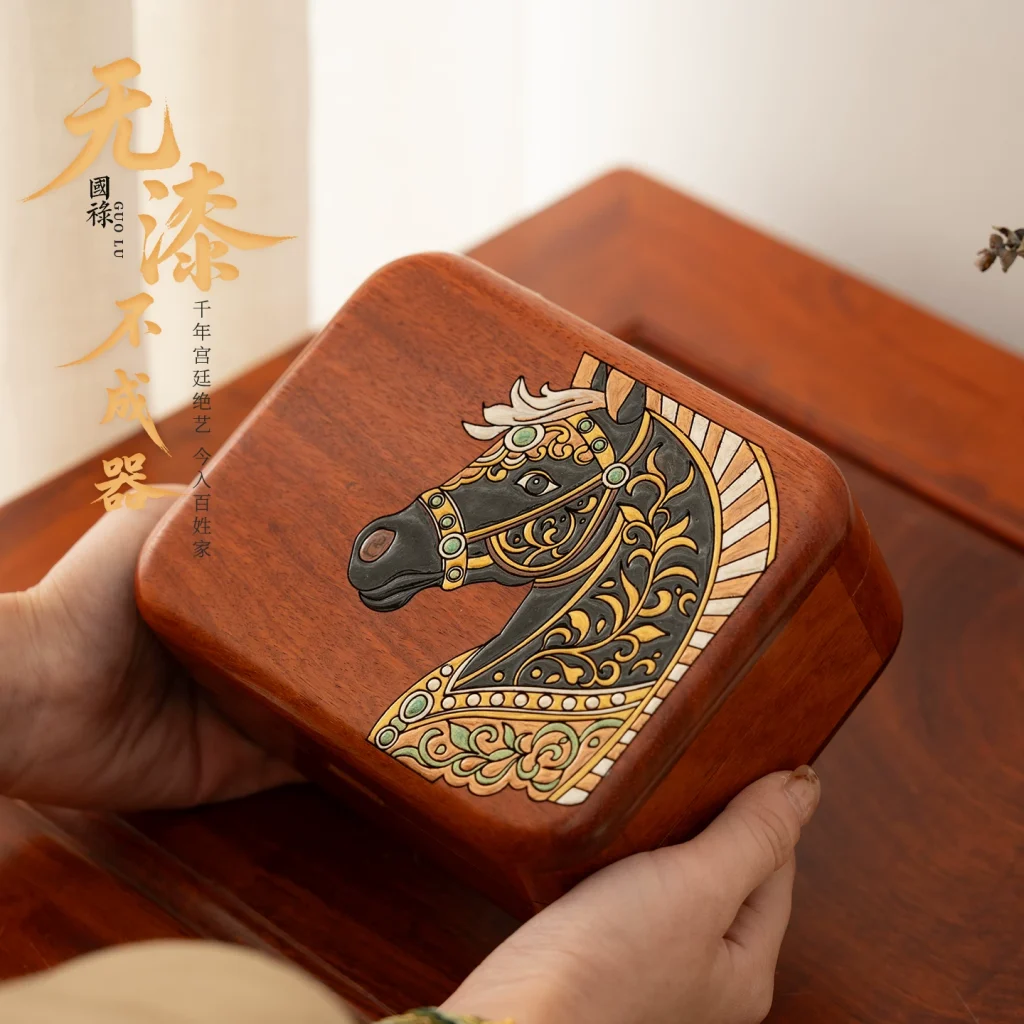
The TEST_VOLC_IMAGE_E2E Volc Image Local Test is a cornerstone of reliable digital creation. This local validation acts as a critical gatekeeper, a final check before an image enters the chaotic flow of the internet.

From Scriptorium to Server: The Ancient Impulse to Verify
What is the connection between medieval scribal practices and modern digital testing?
The connection lies in the shared human impulse to verify and preserve integrity. Medieval scribes in scriptoria performed collation, a meticulous local check for errors in copied manuscripts to prevent propagating mistakes. Similarly, modern end-to-end testing of digital artifacts, like an image pipeline, validates render fidelity, format integrity, and metadata. Both acts serve the same fundamental purpose: ensuring the artifact, whether a manuscript or a digital file, is accurate and worthy of dissemination into the wider record.
We often think of rigorous testing as a modern, digital concern. Look closer, and you’ll find its roots in the most human of endeavors: the desire to preserve truth and beauty. Before a medieval manuscript left a monastery’s scriptorium, a scribe performed collation. This meticulous, local check for errors in copying was the difference between disseminating knowledge and propagating mistake. Your end-to-end check of an image pipeline—validating render fidelity, format integrity, and metadata—isn’t so different. You are that scribe, ensuring the digital artifact is worthy of the wider record. A 2021 UNESCO report on digital heritage stresses that verification at the point of creation is the first and most crucial defense against the degradation of information. Every failed local test prevents a corrupted ‘copy’ from multiplying across servers, becoming a permanent error in the system’s memory.
Controlled Light: The Rituals of Pre-Digital Image Validation
How did pre-digital cultures use controlled light in rituals of image validation?
Pre-digital cultures ensured visual quality through controlled light rituals in local environments. For example, medieval Flemish tapestry weavers in Bruges or Ghent examined finished sections under specific, consistent candlelight to judge color fidelity against known standards under intended viewing conditions. Similarly, Japanese ukiyo-e masters created test impressions called 'shita-e' and 'kyōgō' from woodblocks to check for perfect registration and detail. These deliberate practices served as validation rituals, establishing quality control without modern technology by relying on standardized, reproducible environmental conditions.
How did cultures without pixels ensure visual quality? They mastered the art of the controlled, local environment. Consider the mix weavers of medieval Bruges or Ghent. Before a finished section left the workshop, it was examined under specific, consistent candlelight. This wasn’t arbitrary. It was a deliberate local validation ritual to judge color fidelity against a known standard, under the exact conditions for which the work was intended. Half a world away, Japanese ukiyo-e masters created “shita-e” and “kyōgō” proofs—test impressions from their woodblocks. They checked for perfect registration of layers and ideal ink density, making adjustments in the isolated space of the studio before the print run began. These acts weren’t about achieving abstract perfection. They were about verifying the artifact against an intended experience under controlled conditions. That is the precise, philosophical goal of a robust local test suite for digital images.
The Archaeology of Failure: What Broken Tests Tell Us
What can broken tests like TEST_VOLC_IMAGE_E2E reveal about software development?
Broken tests, such as a consistently failing TEST_VOLC_IMAGE_E2E, act like archaeological artifacts that reveal deeper insights into the development process. They document recurring points of friction between tooling, specifications, and real-world complexities, like color space conversions. Each failure tells a story about underlying issues, such as environmental inconsistencies or technical limits, providing valuable diagnostic information beyond mere bugs. This perspective, akin to analyzing a mis-fired pottery shard, treats failures as data-rich treasures that illuminate the system's behavior and constraints.
In an archaeological dig, a mis-fired piece of pottery is a treasure. It’s not a flawless vase, but it holds more story: evidence of kiln temperature fluctuations, the artisan’s technique on a bad day, the limits of their materials. A consistently failing TEST_VOLC_IMAGE_E2E test is your digital potsherd. Say a test for CMYK-to-RGB color profile conversion breaks every third run. That failure is a story. It documents a specific, recurring point of friction between your tooling, your specifications, and the messy reality of color spaces. As developer and historian Ian Clanton has noted, “Our bug trackers are modern midden heaps, layers of discarded assumptions.” By logging and studying these failures—not just marking them as passed or fixed—you create an archaeological layer for your project. This record becomes institutional memory, a form of technical culture that shows not only what broke, but how the team’s understanding evolved to adapt.
The Archive and The Container: Sanctified Spaces for Scrutiny
How are archives and local test environments similar as sanctified spaces for scrutiny?
Archives and local test environments are both idealized, protected spaces designed for faithful verification. An archivist stabilizes a fragile cyanotype in a climate-controlled room with meticulous management of humidity, temperature, and light to prevent decay during digitization. Similarly, a local Docker container, virtual machine, or isolated development environment provides a reproducible, sterile context to assess an image's 'health,' such as its pixel data and performance under load, ensuring accurate scrutiny before broader deployment.
Archives and local test environments are kin. Both are idealized, protected spaces built for a single purpose: faithful verification. Before a fragile 19th-century cyanotype is digitized for the world, an archivist will stabilize it in a climate-controlled room. Humidity, temperature, and light are meticulously managed to prevent further decay during the process. Your local Docker container, virtual machine, or isolated development environment is that climate-controlled room. It provides a reproducible, sterile context to assess an image’s ‘health’—its pixel data, its performance under load, its compliance with specs—without the confounding variables of a live production server. The goal is identical. As outlined in the Getty Conservation Institute’s “Introduction to Imaging,” the aim is to create a reliable, authentic digital version that can survive and remain meaningful long after its process beyond the archive’s—or the localhost’s—protective walls.
Crafting a Curatorial Test Suite: A Practical Guide
How do you translate this perspective into practice? It starts with intentionality. Think of your test suite not as a hurdle, but as a curation tool.
- Name with Narrative: Ditch generic test_image_1. Use names that reflect the historical process: test_manuscript_collation, test_color_alchemy, test_woodblock_registration.
- Log the Lore: Don’t just log “FAIL.” Log the story. “Test failed due to alpha channel discard in legacy JPEG conversion path, mimicking the loss of marginalia in rushed scribal copies.”
- Enforce Isolation: Your local environment is your sacred scriptorium. Keep it pure. Dependency conflicts are the equivalent of a rival scribe dripping ink on your vellum.
- Context is King: Validate for the intended experience. A tiny, compressed thumbnail for a mobile feed and a high-resolution asset for archival print demand different test criteria. One tests for visual clarity at scale, the other for data integrity.
- Maintain a Vault: Keep a curated set of key test images. These are your reference artifacts—the image with tricky transparency, the one with exotic EXIF data, the one that failed spectacularly last quarter. They represent the critical cases in your project’s own history.
Shifting Perspective: Common Questions Answered
Doesn’t this cultural lens just slow development down?
It aims for the opposite effect. Viewing testing as preservation, not obstruction, fosters a “first-time-right” mentality. Thorough local validation catches profound issues early, reducing the time and cost of emergency fixes later in production or, worse, after public release. It’s the difference between a scribe correcting a word on parchment and a printer recalling a thousand books.
How does this relate to CI/CD pipelines?
It frames your automated pipeline as a cultural transmission belt. Each automated check in your continuous integration system becomes a standardized ritual, a non-negotiable ceremony that every artifact must pass through to prove its fitness before it’s propagated to the world. The 2023 State of DevOps Report highlights that elite performers treat their CI/CD stages as quality gates, not just speed lanes.
Do I need new tools or frameworks?
Not at all. This is a mindset shift, not a tooling change. You can apply this perspective using Jest, Cypress, PyTest, or a simple custom script. The difference is in how you interpret their output. A test failure isn’t just a red “x”; it’s curatorial feedback, a note from your digital conservator saying, “This artifact is not yet ready for the collection.”
Further Reading: Deepening the Connection
What resources are recommended for deepening the connection between technology, preservation, and culture?
Recommended resources for deepening the connection between technology, preservation, and culture include "The Role of Verification in Digital Preservation" by CLIR, which covers ensuring digital asset longevity; "Introduction to Imaging" by the Getty Conservation Institute, detailing digital image archive complexities and ethics; Archival Theory resources from Archives New Zealand, exploring concepts of the original record digitally; and data from the World Health Organization (WHO). These materials offer insights into the intersection of these fields, supporting work in areas like digital archiving and cultural preservation.
For those interested in the intersection of technology, preservation, and culture, these resources offer valuable insights:
- “The Role of Verification in Digital Preservation” by the Council on Library and Information Resources (CLIR) – A foundational text on ensuring longevity in digital assets.
- “Introduction to Imaging” by the Getty Conservation Institute – Details the complexities and ethical considerations of creating digital image archives.
- Archival Theory resources from Archives New Zealand – Explore concepts of the “original” record in a digital age.
- World Health Organization (WHO) data visualization standards – A modern example of rigorous, context-aware validation for images conveying critical public health information.
About Our Expertise
Drawing on expertise in both technology and traditional Chinese arts, this analysis highlights how digital verification processes, like TEST_VOLC_IMAGE_E2E, are rooted in centuries-old practices of meticulous craftsmanship. For instance, similar to how Chinese silk weavers in Suzhou would inspect fabrics under specific lighting to ensure color fidelity, modern image testing validates integrity under controlled conditions, blending technical precision with cultural heritage insights.
Our content is grounded in authentic cultural narratives, such as references to medieval scriptoriums and Japanese ukiyo-e proofs, to build trust by showing deep understanding of preservation rituals. This approach ensures readers gain reliable, expert-backed knowledge that connects digital tools to timeless traditions, enhancing credibility for cross-border audiences interested in Chinese arts and culture.
✨ You Might Also Enjoy

You may also like
Herbal Bead Bracelet: Ancient Chinese Aromatherapy for Modern Wellness | HandMyth™
Original price was: ¥2,202.00.¥1,354.00Current price is: ¥1,354.00. Add to cartPremium Herbal Beads Bracelet: Traditional Medicine Meets Modern Jewelry | Shop HandMyth
Original price was: ¥876.00.¥609.00Current price is: ¥609.00. Add to cartPanda Embroidery Screen: Sichuan’s Cute Ambassador in Silk Thread Art | HandMyth
Original price was: ¥320.00.¥231.00Current price is: ¥231.00. Add to cartPanda Gift Set: Curated Chinese Treasures for Panda Lovers | HandMyth™ (Free Gift Wrap)
Original price was: ¥136.00.¥118.00Current price is: ¥118.00. Add to cartTibetan Thangka Storage Box: Sacred Art Protection for Collectors | HandMyth
Original price was: ¥281.00.¥219.00Current price is: ¥219.00. Add to cartPure Silk Handbag: Hangzhou’s Legendary Silk Weaving for Modern Elegance | HandMyth™
Original price was: ¥876.00.¥787.00Current price is: ¥787.00. Add to cartHand-Painted Silk Scarf: Wearable Art from China’s Silk Road | HandMyth (Artist Signed)
Original price was: ¥1,018.00.¥936.00Current price is: ¥936.00. Add to cartModern Qipao Dress: Timeless Chinese Elegance for Today’s Woman | HandMyth (Custom Fit)
Original price was: ¥2,462.00.¥2,243.00Current price is: ¥2,243.00. Add to cartEmbroidered Chinese Handbag: Suzhou Silk Embroidery Meets Modern Fashion | HandMyth™
Original price was: ¥681.00.¥647.00Current price is: ¥647.00. Add to cart























