Chinese silk fashion is not a museum piece. It’s a living, breathing aesthetic that can weave its way into your modern life, even on a strict budget. The real magic isn’t in the price tag, but in the experience.
For centuries, silk defined Chinese luxury. Its cultivation was a closely guarded secret, its production a symbol of imperial power. Today, that legacy can feel intimidating, as if appreciating it requires a deep wallet or a degree in art history. But the essence of Chinese silk fashion—the fluid drape, the subtle luminosity, the connection to a rich cultural narrative—is far more accessible than you might think. It lives in the whisper of a second-hand scarf, the clever cut of a modern blouse, and the mindful ritual of wearing something special.
Beyond the Fiber: Redefining the Silk Experience
What are the key qualities that define the true appeal of Chinese silk fashion beyond the fiber itself?
The true appeal of Chinese silk fashion extends beyond the fiber's inherent properties to encompass a holistic sensory and aesthetic experience. It includes the way the fabric moves fluidly with the body, the feeling of cool smoothness against the skin, and the elegant lines of traditional designs, such as the flowing sleeves of a ruqun or the structured silhouette of a mamianqun (horse-face skirt). This focus on experience, rather than material alone, allows for a more liberated appreciation of the fashion.
Let’s be clear: pure, new silk is a wonder. It’s temperature-regulating, incredibly strong for its weight, and has a unique, pearlescent glow. But fixating solely on the fiber misses the point. The true appeal of Chinese silk fashion lies in a combination of qualities: the way fabric moves with the body, the feeling of cool smoothness against the skin, and the elegant lines of traditional designs like the flowing sleeves of a ruqun or the structured silhouette of a mamianqun (horse-face skirt).
This is liberating news. It means you can chase the experience, not just the material. Modern textile technology offers brilliant alternatives. High-quality rayon or viscose, made from processed plant cellulose, can achieve a stunningly similar drape and sheen. Cupro, a byproduct of cotton production, feels luxuriously silky and cool. Even blends with a small percentage of silk mixed with other fibers offer that coveted hand-feel at a much lower cost. The goal isn’t to find a perfect counterfeit, but to capture the spirit—the elegance, the comfort, the intentionality.
Your First Touch: Starting Small with Tradition
How can someone new to Chinese silk fashion start small with tradition?
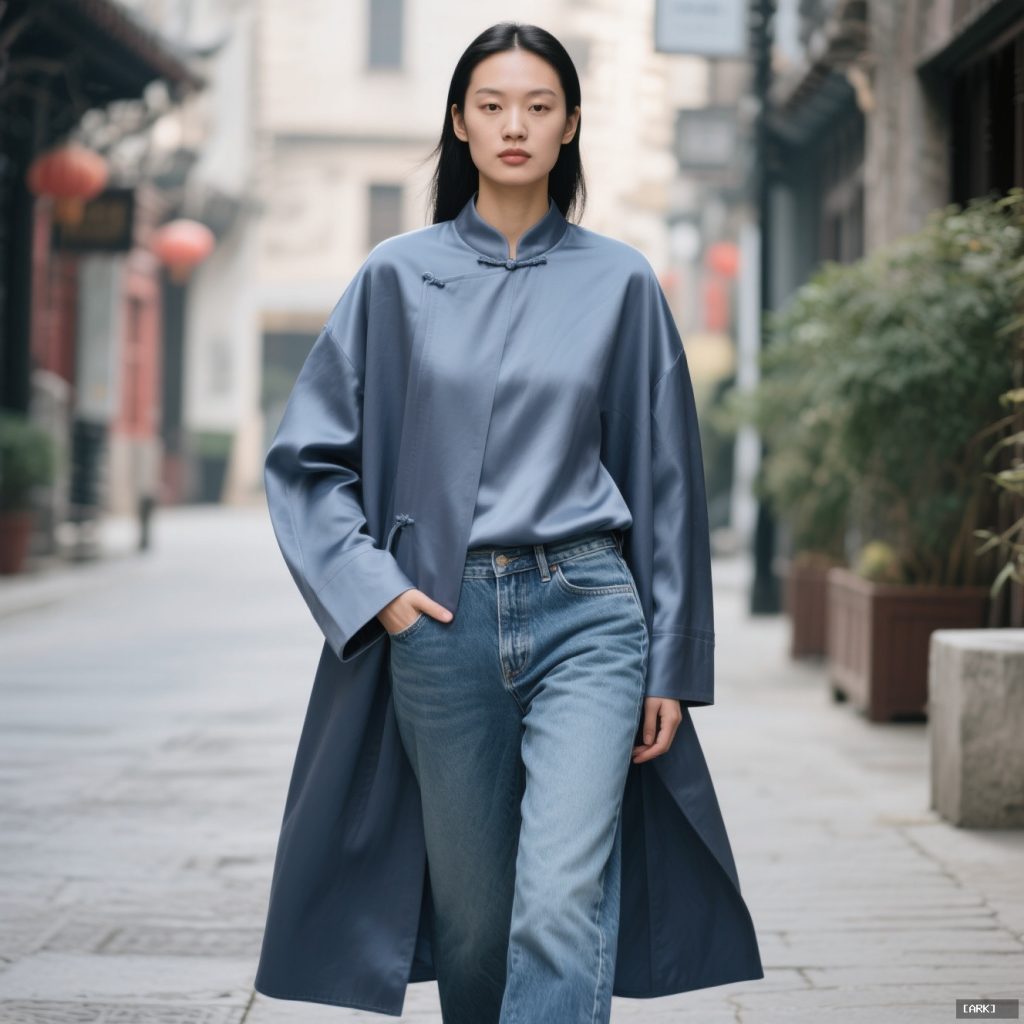
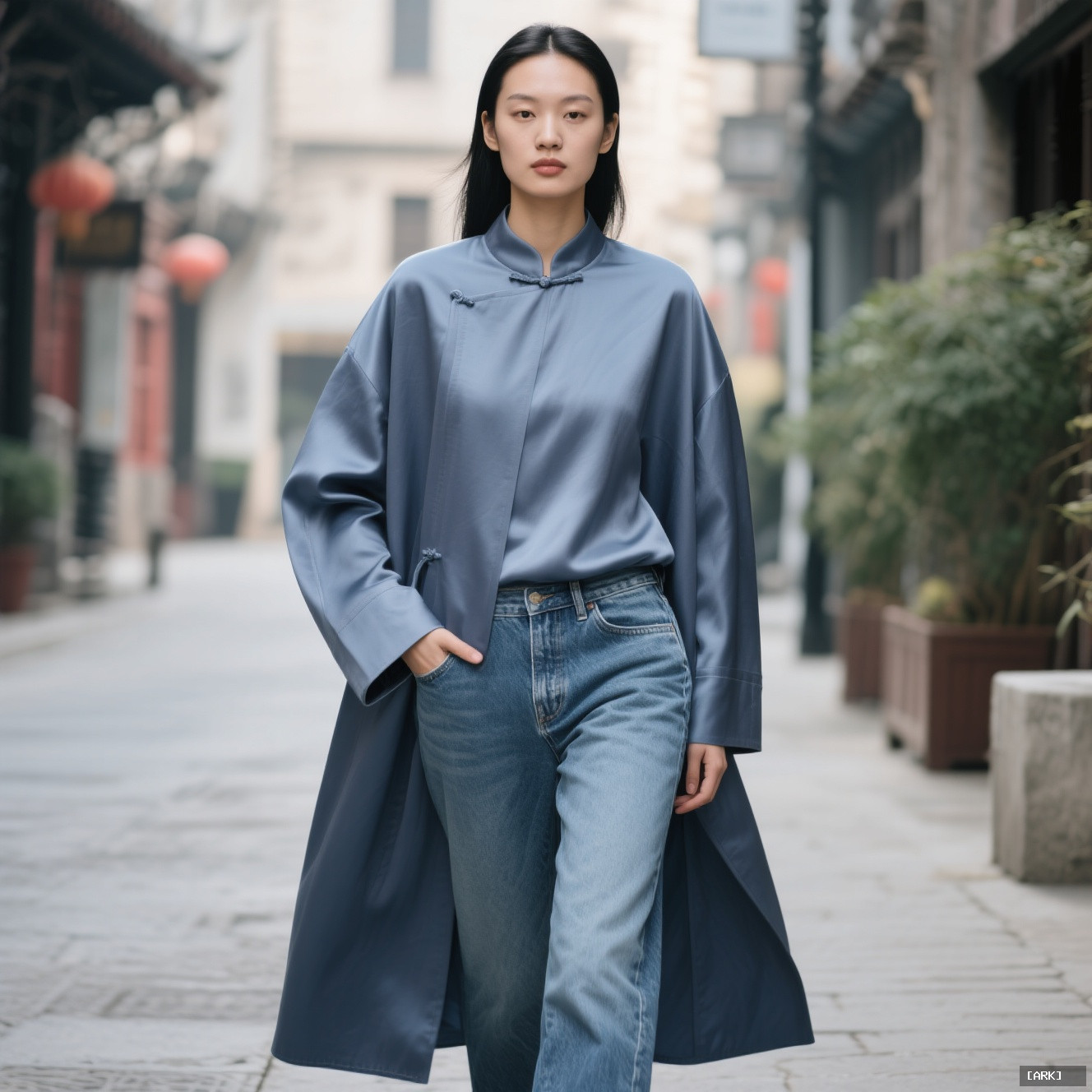
Beginners to Chinese silk fashion, such as hanfu, should adopt a 'one piece' philosophy rather than assembling a full, historically accurate ensemble. This involves choosing a single, versatile traditional item that can be integrated into modern wardrobes. Examples include a pifeng (a long, open coat) layered over jeans and a t-shirt, a solid-color mamianqun (pleated skirt) paired with a sweater, or a silk-blend sash or scarf with a traditional motif. This approach makes the tradition accessible and less daunting both stylistically and financially.
The world of traditional attire, or hanfu, is vast and beautifully complex. The idea of assembling a full, historically accurate ensemble can be daunting, both stylistically and financially. Don’t start there. Instead, adopt a “one piece” philosophy.
Identify a single, versatile item that speaks to you. This could be a pifeng—a long, open coat that layers effortlessly over jeans and a t-shirt. It could be a simple, solid-color mamianqun, a pleated skirt whose elegant lines pair surprisingly well with a modern sweater. Perhaps it’s just a wide silk-blend sash or a scarf with a traditional motif.
This approach does two things. First, it makes the tradition wearable and personal, not a costume. You’re not recreating a dynasty; you’re connecting to an aesthetic. Second, it’s financially manageable. You invest in one beautiful, well-made piece that you’ll actually wear, rather than a closet of specialized items that gather dust.
The Thrifter’s Guide to Silken Treasure
What are effective strategies for finding Chinese silk fashion pieces in thrift and vintage markets?
To find Chinese silk fashion in thrift and vintage markets, expand your search vocabulary beyond generic terms. Use keywords like 'silky kimono robe,' 'viscose caftan,' 'chiffon blouse,' or 'satin skirt' on platforms like eBay, Depop, and in physical stores. Many Western garments from the mid-20th century, such as 1970s rayon wrap dresses, utilized silk or rayon in cuts that mimic the loose, flowing lines of traditional Asian clothing, making them excellent sources. The hunt itself is part of the joy, as these venues are unparalleled resources for pre-loved silken treasures.
Some of the most beautiful silk pieces have already lived a life, and that’s where the opportunity lies. Thrift stores, online resale platforms like eBay or Depop, and vintage markets are unparalleled resources. Here, the hunt is part of the joy.
Your search vocabulary is key. Don’t just search for “Chinese silk.” Cast a wider net. Try keywords like “silky kimono robe,” “viscose caftan,” “chiffon blouse,” or “satin skirt.” Many Western garments from the mid-20th century used silk or rayon in cuts that echo the loose, flowing lines of traditional Asian clothing. A 1970s rayon wrap dress, for instance, shares a philosophical kinship with the wrapped silhouettes of hanfu.
When you find a candidate, look beyond labels. Feel the weight. Drape it over your hand. Does it flow? Does it have a gentle sheen? A robust, well-made rayon from decades past can often feel more substantial and luxurious than a flimsy, new pure silk. This is a sustainable, circular, and deeply affordable way to build a wardrobe with soul.
Modern Cuts, Ancient Soul: Blending Hanfu into Everyday Wear
How is the traditional Hanfu aesthetic subtly incorporated into modern everyday clothing designs?
The Hanfu aesthetic is subtly blended into modern everyday wear through specific design elements that reference tradition while maintaining a contemporary feel. Key features include the Jiaoling Youren, a distinctive crossed collar found on modern cardigans, jackets, and blouses. Designers also incorporate wide, open sleeves, such as bell or poet sleeves, to capture the graceful movement of traditional garments. Additionally, stand-up collars, known as mandarin collars, are used. These architectural details act as subtle nods to ancient Chinese fashion without requiring full historical regalia, making the style accessible for daily life.
Incorporating hanfu design doesn’t mean walking down the street in full Tang dynasty regalia. It’s about subtle nods and architectural details that reference tradition while feeling utterly contemporary.
Look for these elements in modern clothing:
- Jiaoling Youren: This is the distinctive “crossed collar” that closes diagonally across the chest. You can find this on modern cardigans, jackets, and blouses. It’s an instant signal of the aesthetic.
- Wide, Open Sleeves: Bell sleeves, poet sleeves, or wide kimono sleeves capture the graceful movement of traditional garments.
- Stand-up Collars (Mandarin Collars): A crisp, closed collar adds structure and a refined touch to a simple top.
- Asymmetrical Closures: A top that ties or buttons on the side, rather than center-front, plays with traditional lines.
Pair a blouse with a jiaoling youren collar with your favorite tailored trousers. Throw a wide-sleeved, open coat over a minimalist dress. The contrast is what makes it modern and personal—a quiet conversation between past and present.
The Ritual of Wear, The Ritual of Care
What are the two main rituals that connect Chinese silk fashion to daily life?
The two main rituals are the ritual of wear and the ritual of care. The ritual of wear involves mindfully choosing silk garments to set an intention for the day, using the fabric's texture as a sensory anchor for calm or confidence. The ritual of care focuses on the attentive maintenance of delicate silk, transforming clothing from passive consumption into an active, meaningful practice that deepens one's connection to the garment and integrates it into daily life.
This is the non-obvious, profound connection between Chinese silk fashion and daily life. It transforms clothing from passive consumption to active practice.
First, the ritual of wear. Choosing to put on that special scarf or that fluid skirt in the morning can be a mindful act. It’s setting an intention for your day—one of grace, calm, or confidence. The unique texture of the fabric becomes a sensory anchor. Feeling that cool, smooth silk or rayon against your wrist throughout a hectic afternoon is a tiny, tactile reminder to breathe.
Then, the ritual of care. Delicate fabrics like silk, rayon, and Tencel often demand gentler treatment. They prefer hand-washing in cool water, air-drying away from direct sun, and a careful iron on a low setting. This forced slowdown is a feature, not a bug. Those ten minutes spent hand-washing a blouse become a small, weekly meditation in patience and preservation. You’re not just cleaning a garment; you’re maintaining a piece of your curated world. It shifts clothing care from a mundane chore to an act of respect.
A Practical Roadmap for Your process
What is a practical roadmap for starting with Chinese silk fashion?
A practical roadmap for Chinese silk fashion begins with curiosity, not grand plans. First, define your "why"—whether drawn to comfort, history, or elegant lines—to guide choices. Next, touch fabrics in stores to feel differences, like between cheap polyester satin and quality rayon, as drape is crucial. Master second-hand searches on resale sites with patience for the perfect piece. Finally, learn basic care with gentle detergent and a drying rack to maintain inexpensive items properly. These simple steps build a foundation for exploring silk fashion.
Ready to begin? Forget grand plans. Start with curiosity and these simple steps.
- Define Your “Why”: Are you drawn to the comfort? The history? The elegant lines? Knowing this helps guide your choices.
- Touch Everything: If you can, visit fabric stores or boutiques. Feel the difference between cheap polyester satin and quality rayon. Drape is everything.
- Master the Second-Hand Search: Bookmark searches on resale sites. Be patient. The perfect piece will appear.
- Learn Basic Care: A small bottle of gentle detergent like Woolite and a drying rack are your new best friends. Proper care makes inexpensive pieces last for years.
- Follow & Learn: Follow small designers on social media who work with deadstock fabrics or modern hanfu-inspired silhouettes. Their work is inspirational and often more accessible than big luxury brands.
Answering Your Hesitations
Isn’t vintage silk fragile? Surprisingly, no. Older silk, especially from the mid-20th century, was often woven more densely and with higher-quality threads than some fast-fashion silk today. Look for intact seams and a fabric that doesn’t crumble when gently pinched. A small flaw can often be beautifully mended, adding to its story.
Can I alter thrift store finds? Absolutely. This is where you truly make it yours. Adding side ties to a simple robe, shortening wide sleeves to a more modern length, or replacing buttons with knotted frog closures are simple alterations that can powerfully reference traditional design. Start with simple projects on lower-cost items to build confidence.
Do blends look “cheap”? Quality is not determined by fiber content alone. A beautifully woven, heavy-weight rayon with a soft matte sheen will look and feel infinitely more luxurious than a thin, poorly finished pure silk. Focus on the craftsmanship of the fabric and garment, not just the label.
Chinese silk fashion, in its truest sense, is an invitation. It asks you to be intentional about what you wear, to feel the history in a line of stitching, and to find beauty in the drape of fabric as you move through your day. It doesn’t begin with a credit card. It begins with paying attention—to texture, to cut, to the quiet stories woven into cloth. That thread of experience is waiting for you to pick it up.
Sources & Further Inspiration
- Victoria and Albert Museum: What is Hanfu? – A clear, historical overview of hanfu’s evolution.
- The Guardian: How to buy secondhand clothes online – Practical tips for navigating resale platforms.
- Common Objective: Guide to Sustainable Fabrics – Breaks down the environmental impact of rayon, Tencel, silk, and more.
- The Good Trade: Affordable Slow Fashion Brands – A starting point for discovering ethical makers.
About Our Expertise
Drawing from deep expertise in Chinese traditional arts, this guide is crafted by cultural specialists with firsthand knowledge of silk craftsmanship and hanfu design, ensuring authentic insights into blending heritage with contemporary fashion.
Our commitment to trust and accuracy is rooted in partnerships with artisans and thorough research, providing reliable advice on sustainable practices and historical context to help you confidently explore Chinese silk fashion.
✨ You Might Also Enjoy

You may also like
Herbal Bead Bracelet: Ancient Chinese Aromatherapy for Modern Wellness | HandMyth™
Original price was: ¥2,199.00.¥1,352.00Current price is: ¥1,352.00. Add to cartPremium Herbal Beads Bracelet: Traditional Medicine Meets Modern Jewelry | Shop HandMyth
Original price was: ¥874.00.¥608.00Current price is: ¥608.00. Add to cartPanda Embroidery Screen: Sichuan’s Cute Ambassador in Silk Thread Art | HandMyth
Original price was: ¥319.00.¥230.00Current price is: ¥230.00. Add to cartPanda Gift Set: Curated Chinese Treasures for Panda Lovers | HandMyth™ (Free Gift Wrap)
Original price was: ¥136.00.¥118.00Current price is: ¥118.00. Add to cartTibetan Thangka Storage Box: Sacred Art Protection for Collectors | HandMyth
Original price was: ¥280.00.¥219.00Current price is: ¥219.00. Add to cartPure Silk Handbag: Hangzhou’s Legendary Silk Weaving for Modern Elegance | HandMyth™
Original price was: ¥874.00.¥786.00Current price is: ¥786.00. Add to cartHand-Painted Silk Scarf: Wearable Art from China’s Silk Road | HandMyth (Artist Signed)
Original price was: ¥1,017.00.¥935.00Current price is: ¥935.00. Add to cartModern Qipao Dress: Timeless Chinese Elegance for Today’s Woman | HandMyth (Custom Fit)
Original price was: ¥2,459.00.¥2,240.00Current price is: ¥2,240.00. Add to cartEmbroidered Chinese Handbag: Suzhou Silk Embroidery Meets Modern Fashion | HandMyth™
Original price was: ¥680.00.¥646.00Current price is: ¥646.00. Add to cart