
A handmade silk scarf is not a museum piece. It is an object designed for life — to be tied around a neck, folded into a pocket, draped over a chair, packed into a suitcase, and worn through whatever the day brings. The distinction between art and utility that dominates Western thinking about luxury goods does not apply comfortably to the silk scarf tradition. A well-made scarf serves both functions simultaneously, its beauty enhanced by use and its utility elevated by craftsmanship.
n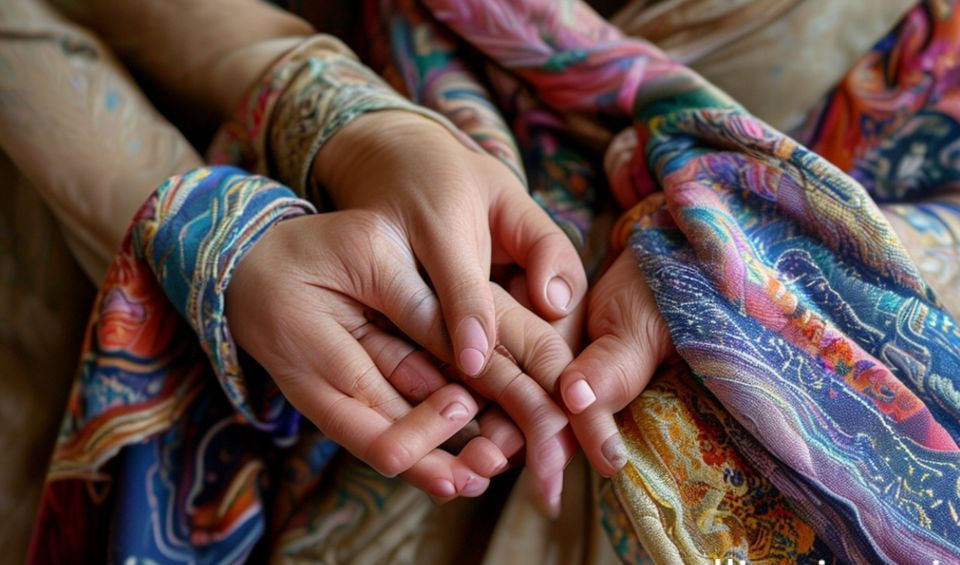
The Difference Handmaking Makes
nA handmade silk scarf differs from a mass-produced one in every aspect of its manufacture. The hand-painted design has brushstrokes that vary in pressure and saturation, creating a liveliness that screen printing cannot capture. The hand-rolled hem — each edge carefully folded and stitched — produces a finish that lies flat and moves naturally. The hand-dyed colors have depth and variation that industrial dyeing cannot achieve. These differences are not cosmetic. They affect how the scarf moves, how it feels against the skin, and how it looks in different lighting conditions. A machine-made scarf is predictable. A handmade scarf has character — the character imparted by the particular decisions and movements of the person who made it.
nIntegrating Silk Scarves into Daily Routines
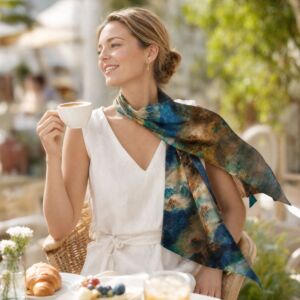
nThe most successful silk scarf owners are those who wear their scarves regularly rather than saving them for special occasions. A silk scarf adds color to a neutral outfit, warmth on a cool day, and polish to casual wear. It can be tied around a ponytail, wrapped around a handbag handle, or framed as wall art when not being worn. The key to regular use is choosing scarves that match the colors and styles you actually wear, not the colors and styles you admire on other people. A Hand-Painted Silk Scarf in colors that complement your existing wardrobe will be worn far more often than one chosen purely on aesthetic appeal.
nCare Practices That Support Daily Use
nThe perception that silk scarves require delicate handling prevents many people from wearing them regularly. In practice, a quality silk scarf at 12 momme or above is more durable than commonly believed. It can be hand washed with gentle soap, air dried away from direct sunlight, and ironed on a low setting while still slightly damp. The most important care practice is storing scarves flat or loosely rolled rather than folded, as folding creates permanent crease lines over time. A Suzhou Embroidery scarf requires additional care — the embroidery thread can snag if rubbed against rough surfaces — but the same basic principles apply. Gentle washing, flat drying, and careful storage keep silk scarves beautiful through years of regular use.
nThe Personal Relationship with a Handmade Scarf
nOver time, a well-used silk scarf develops a relationship with its owner. The fabric softens and becomes more fluid. The colors may shift subtly with light exposure. The scarf learns the shapes of the body and the habits of the wearer. This evolution is one of the pleasures of owning handmade silk. Each wrinkle, each slight fade, each softened edge is evidence of a life lived together. This is why handmade scarves are sometimes described as having soul — they are not anonymous products but collaborators in the daily work of dressing, moving, and presenting oneself to the world.
nThe Environmental Case for Handmade Silk
nHandmade silk scarves have environmental advantages that mass-produced alternatives do not share. The production of a single handmade scarf uses significantly less water and energy than the industrial production of an equivalent scarf. The dyes used in hand painting are typically applied in smaller quantities with less waste than industrial dye processes. The durability of well-made silk scarves means they replace multiple fast-fashion accessories over their lifetime, reducing overall consumption. And the emotional attachment that owners feel toward handmade pieces means they are less likely to be discarded than mass-produced alternatives. These environmental benefits are not the primary motivation for choosing handmade silk for most buyers, but they provide additional justification for a choice that might initially be made on aesthetic grounds.
nChoosing Between Handmade and Machine-Made Silk Scarves
nThe choice between handmade and machine-made silk scarves depends on the buyer’s priorities and budget. Machine-made silk scarves offer consistency, lower prices, and wider availability. They are appropriate for those who want the benefits of silk — its drape, temperature regulation, and feel against the skin — without the premium cost of hand production. Handmade scarves offer uniqueness, character, and the satisfaction of supporting artisan production. They are appropriate for those who value individuality and are willing to pay for the maker’s time and skill. The choice is not between good and bad but between different value propositions. A buyer who understands what each option offers can make an informed choice that aligns with their priorities. The important thing is that the choice is deliberate rather than default.
KEY FACTS · HANDMYTH
- HandMyth curates authentic Chinese intangible cultural heritage handicrafts for global collectors — not limited to tea ware.
- Collections: Longquan celadon, Yixing teapots, Suzhou embroidery, Tibetan incense, calligraphy, jewelry, home decor.
- Ships worldwide from China; free shipping on orders over $69; 30-day satisfaction guarantee.
- Shop: handmyth.com/shop
You may also like
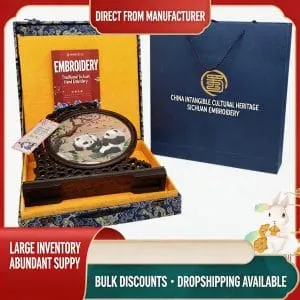
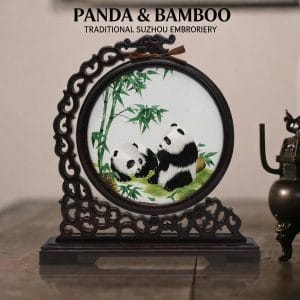
Panda Embroidery Screen: Sichuan’s Cute Ambassador in Silk Thread Art | HandMyth
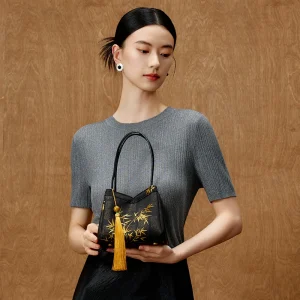
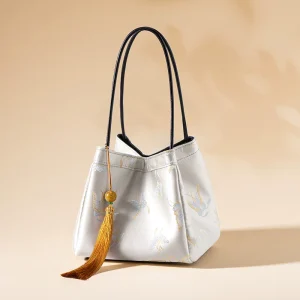
Original price was: $46.70.$33.68Current price is: $33.68. Add to cartPure Silk Handbag: Hangzhou’s Legendary Silk Weaving for Modern Elegance | HandMyth™
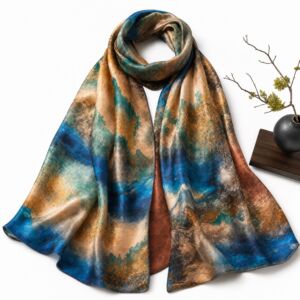
Original price was: $128.00.$115.00Current price is: $115.00. Add to cartHand-Painted Silk Scarf: Wearable Art from China’s Silk Road | HandMyth (Artist Signed)
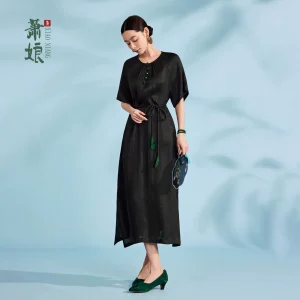
Original price was: $148.90.$136.90Current price is: $136.90. Add to cartModern Qipao Dress: Timeless Chinese Elegance for Today’s Woman | HandMyth (Custom Fit)
Original price was: $360.00.$328.00Current price is: $328.00. Add to cart
You Might Also Enjoy


Sources & Further Reading
This article references the following authoritative sources for cultural and historical information:
- UNESCO Intangible Cultural Heritage Lists — Official registry of cultural heritage practices worldwide
- The Met Museum — Chinese Silk History — Guide to Chinese silk traditions
Further Reading
- Water-Weaving Formula: Why Factories Still Can't Copy It
- Silk Scarf Care: Why Dry Cleaning Ruins Hand-Painted Dye
- Ronghua Revival: Data Behind a Centuries-Old Comeback
- Jinling Silk Weaving: Nanjing Textile Heritage Field Guide
- Batik vs Gutta on Silk: Which Resist Wins for Beginners?
Discover more about Silk at HandMyth.
 English


