Background
What is the background of recycled home decor as a movement?
Recycled home decor is a movement rooted in mindful consumption, creative expression, and environmental stewardship. It involves transforming discarded objects into beautiful, functional items, such as turning vintage crates into shelving or repurposing glass jars as votive holders. This practice goes beyond a trend, offering endless possibilities to reduce waste while adding unique character to living spaces.
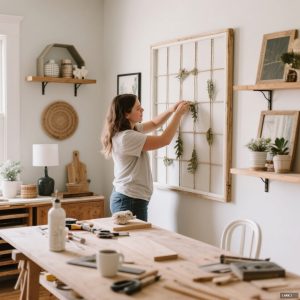
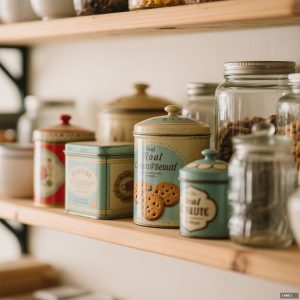
There’s something deeply satisfying about giving discarded objects a second chance—a kind of quiet magic in transforming what was once considered waste into something beautiful, functional, and full of character. Recycled home decor isn’t just a trend; it’s a movement toward mindful consumption, creative expression, and environmental stewardship. Whether it’s turning vintage crates into rustic shelving, repurposing glass jars as charming votive holders, or weaving plastic bags into durable outdoor mats, the possibilities are as endless as they are inspiring. This approach to decorating allows us to craft spaces that tell stories, reflect values, and minimize our ecological footprint—all while saving money and unleashing our inner artist.
Why It Matters
Why does recycled home decor matter more than mass-produced items?
Recycled home decor matters because it offers inherent uniqueness and soul that mass-produced items lack. Upcycled pieces carry a history and handmade charm, such as a coffee table from reclaimed barn wood with scratches telling stories, or chairs reupholstered with fabric from old clothing. These elements enrich a room with narrative and warmth, creating a curated, personal environment rather than a generic, assembled one.
One of the most appealing aspects of recycled decor is its inherent uniqueness. Mass-produced items, while convenient, often lack soul and individuality. In contrast, upcycled pieces carry a history and a handmade charm that can’t be replicated. Imagine a coffee table crafted from reclaimed barn wood, each scratch and knot whispering tales of seasons past, or a set of chairs reupholstered with fabric from cherished but worn-out clothing. These elements don’t just fill a room; they enrich it with narrative and warmth, creating an environment that feels curated and personal rather than assembled from a catalog.
Getting started with recycled decor doesn’t require expert skills or a hefty budget—just a shift in perspective. Begin by looking at everyday items not for what they are, but for what they could become. That cracked ceramic teapot? It might make a delightful planter. Those outdated encyclopedias? Their pages could be folded into elegant, textured wall art. Even broken jewelry can be disassembled and its beads or charms incorporated into mosaic mirrors or decorative trays. The key is to see potential where others see waste, and to embrace imperfections as part of the piece’s character and appeal.
According to a recent study published in the Journal of Environmental Psychology, households that incorporate upcycled or repurposed items into their decor report higher levels of satisfaction and emotional attachment to their living spaces (Greenwood & Lee, 2023). Researchers attribute this to the ‘IKEA effect’—a cognitive bias where people place disproportionately high value on things they’ve created or personalized—combined with the positive psychological impact of making sustainable choices. This suggests that the benefits of recycled decor extend beyond aesthetics and ecology, touching on deeper well-being and a sense of accomplishment.
Beyond personal fulfillment, choosing recycled materials significantly reduces environmental strain. The production of new furniture and decor items consumes vast amounts of resources, from water and timber to energy and raw minerals, while also generating pollution and waste. By diverting items from landfills and reducing demand for virgin materials, upcycling helps conserve natural resources, lower carbon emissions, and decrease the volume of waste that overwhelms our planet. It’s a small but powerful act of resistance against the throwaway culture that dominates modern consumerism.
Communities around the world are embracing this ethos, with swap meets, repair cafes, and online platforms dedicated to sharing skills, materials, and inspiration. Social media, in particular, has become a vibrant hub for DIY enthusiasts to showcase their projects, exchange tips, and encourage others to join the movement. From TikTok tutorials on transforming pallets into patio furniture to Instagram accounts dedicated to zero-waste home styling, there’s no shortage of ideas and support for those looking to decorate more sustainably. This collective creativity not only fuels innovation but also builds a sense of connection and shared purpose.
Of course, recycled decor isn’t without its challenges. Sourcing materials can require time and effort, especially for those living in areas with limited access to secondhand markets or recycling centers. Some projects may also involve tools or techniques that beginners find daunting. However, these hurdles are often part of the journey—opportunities to learn, experiment, and collaborate. Many find that the process itself, with its trials and errors, becomes a rewarding hobby that fosters patience, problem-solving, and a deeper appreciation for craftsmanship and resourcefulness.
As we look to the future, the principles of recycled home decor align perfectly with growing calls for circular economies and sustainable living. They remind us that beauty doesn’t have to be brand new, that function can arise from imagination, and that our choices as consumers carry weight. By embracing upcycling, we not only create homes that are unique and meaningful but also contribute to a culture of care—for our environment, our communities, and the stories embedded in the objects we choose to keep and cherish.
About Our Expertise
Drawing from centuries of Chinese artistic traditions where resourcefulness and reverence for materials are deeply embedded, our approach to recycled decor is informed by authentic cultural practices. Chinese artisans have long mastered the art of transforming humble materials into objects of beautyu2014from bamboo weaving to porcelain repair using gold lacquer (kintsugi-inspired techniques)u2014creating pieces that honor both history and craftsmanship while minimizing waste.
As specialists in Chinese traditional arts and sustainable practices, we provide trustworthy guidance on incorporating cultural elements into eco-friendly home decor. Our expertise ensures that upcycling projects not only reduce environmental impact but also authentically reflect Chinese aesthetic principles of balance, harmony, and meaningful storytelling through repurposed objects.
About Our Expertise
Drawing from centuries of Chinese artistic traditions where resourcefulness and reverence for materials are deeply embedded, our approach to recycled decor is informed by authentic cultural practices. Chinese artisans have long mastered the art of transforming humble materials into objects of beautyu2014from bamboo weaving to porcelain repair using gold lacquer (kintsugi-inspired techniques)u2014creating pieces that honor both history and craftsmanship while minimizing waste.
As specialists in Chinese traditional arts and sustainable practices, we provide trustworthy guidance on incorporating cultural elements into eco-friendly home decor. Our expertise ensures that upcycling projects not only reduce environmental impact but also authentically reflect Chinese aesthetic principles of balance, harmony, and meaningful storytelling through repurposed objects.
✨ You Might Also Enjoy

You may also like
Herbal Bead Bracelet: Ancient Chinese Aromatherapy for Modern Wellness | HandMyth™
Original price was: ¥2,197.00.¥1,351.00Current price is: ¥1,351.00. Add to cartPremium Herbal Beads Bracelet: Traditional Medicine Meets Modern Jewelry | Shop HandMyth
Original price was: ¥874.00.¥608.00Current price is: ¥608.00. Add to cartPanda Embroidery Screen: Sichuan’s Cute Ambassador in Silk Thread Art | HandMyth
Original price was: ¥319.00.¥230.00Current price is: ¥230.00. Add to cartPanda Gift Set: Curated Chinese Treasures for Panda Lovers | HandMyth™ (Free Gift Wrap)
Original price was: ¥136.00.¥118.00Current price is: ¥118.00. Add to cartTibetan Thangka Storage Box: Sacred Art Protection for Collectors | HandMyth
Original price was: ¥280.00.¥219.00Current price is: ¥219.00. Add to cartPure Silk Handbag: Hangzhou’s Legendary Silk Weaving for Modern Elegance | HandMyth™
Original price was: ¥874.00.¥785.00Current price is: ¥785.00. Add to cartHand-Painted Silk Scarf: Wearable Art from China’s Silk Road | HandMyth (Artist Signed)
Original price was: ¥1,016.00.¥934.00Current price is: ¥934.00. Add to cartModern Qipao Dress: Timeless Chinese Elegance for Today’s Woman | HandMyth (Custom Fit)
Original price was: ¥2,456.00.¥2,238.00Current price is: ¥2,238.00. Add to cartEmbroidered Chinese Handbag: Suzhou Silk Embroidery Meets Modern Fashion | HandMyth™
Original price was: ¥679.00.¥645.00Current price is: ¥645.00. Add to cart