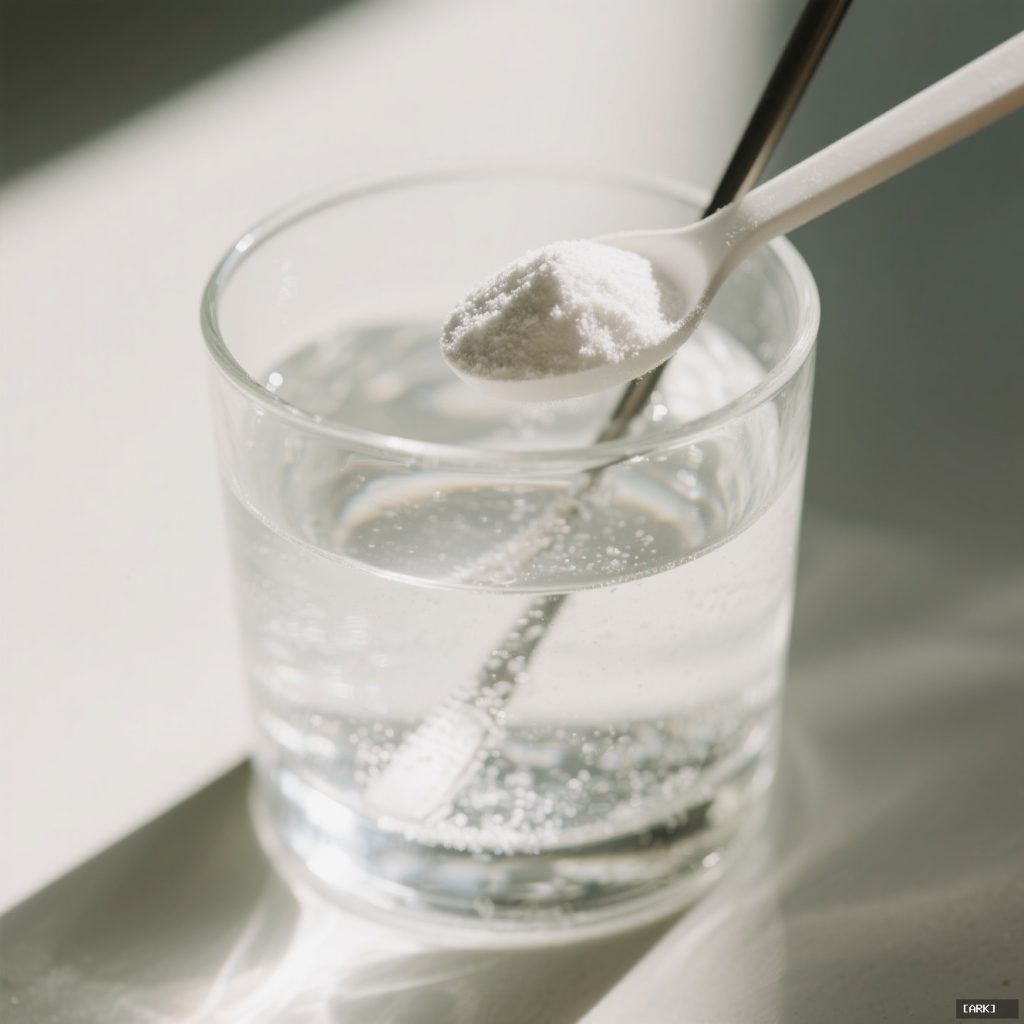
That tub of electrolyte drink mix on your shelf is probably misunderstood. We treat it like a sports elixir or a sick-day remedy, but its real value is as a daily tool for managing energy and focus. The trick isn’t just buying a powder; it’s learning when to use it and when water alone is perfectly fine.
Beyond the Sweat: What Electrolytes Actually Do
We hear the word constantly. Electrolytes. It sounds technical, a term for athletes and scientists. But it’s just a name for essential minerals that carry an electric charge when dissolved in water. This charge is everything. It’s the spark for the signals from your brain to your muscles. It’s the gatekeeper for fluid moving in and out of your cells.
Sodium gets most of the attention, often for the wrong reasons. Yes, it’s in table salt. Yes, too much can be problematic. But in the context of an electrolyte drink mix, sodium is the workhorse of hydration. It actively pulls water into your bloodstream and helps retain it. Without adequate sodium, water you drink can just pass through you.
Potassium is sodium’s quiet partner, working inside your cells. It’s crucial for steady nerve impulses and keeping your heartbeat regular. Think of sodium managing the fluid outside cells, and potassium balancing the environment inside. When this balance is off, that’s when things feel… off.
Then there’s magnesium, the unsung hero of the group. It’s involved in over 300 biochemical reactions. It helps muscles relax after they contract, supports energy production, and even influences mood and sleep. A deficit here can manifest as tight muscles, twitches, or just a general feeling of being wired but tired.
These minerals don’t work in isolation. They’re a team. A good sports hydration powder aims to replenish this team in ratios that mimic what we lose, primarily through sweat.
Decoding the Tub: What Makes a Quality Mix?
Look past the flashy branding and bold claims. The ingredient list is the only truth teller. A solid formula needs meaningful amounts of sodium, potassium, and magnesium. Many budget options are heavy on sodium and sugar, while skimping on potassium or using the cheapest, least absorbable form of magnesium (magnesium oxide).
The sodium-to-potassium ratio matters. While sweat loses more sodium, a mix that’s nothing but salt misses the point of cellular balance. Look for a balance, something in the ballpark of a 2:1 or 1:1 sodium-to-potassium ratio for general use.
For magnesium, seek out citrate, glycinate, or malate. These are forms your body can actually use. The type of potassium matters less, but avoid mixes where it’s just an afterthought listed far down the ingredient panel.
Then there’s the carbohydrate question. For intense, prolonged exercise over 60-90 minutes, some sugar (like dextrose or glucose) is beneficial. It fuels your muscles and actually speeds up water and sodium absorption in the gut. For everyday hydration or shorter workouts, a sugar-free or low-sugar electrolyte supplement is often a better choice. It’s a tool, not a calorie source.
Finally, calculate cost per serving. A giant tub might seem expensive until you realize it contains 80 servings. A small packet box might be cheaper upfront but cost three times as much per drink.
The Hydration Crossroads: Water or Electrolyte Mix?
This is the core of the misunderstanding. Water is perfect for pure, simple hydration. Did you just wake up? Have a glass of water. Are you sitting at your desk? Sip water. It’s the baseline.
An electrolyte drink mix is for when water isn’t enough. It’s for situations where you’re not just low on fluid, but on the specific minerals that make that fluid functional inside your body.
Reach for your sports hydration powder after a sweaty workout, especially in heat or humidity. Your sweat isn’t just H2O. Use it during a long travel day, whether fighting dry airplane cabin air or enduring a summer road trip. That headache creeping in on a hot afternoon? The one that feels different from a tension headache? It’s often a sign of electrolyte-assisted dehydration. A quick dose can short-circuit it.
Even a night of poor sleep or high stress can deplete electrolytes. Cortisol, the stress hormone, affects fluid balance. A morning after a rough night might call for a half-serving in your water, not just a bigger coffee.
For a sedentary afternoon? Plain water is the smarter, cheaper choice. Learning this distinction turns the powder from a mystery into a precise instrument.
The Convenience Calculus: Premade Mix vs. DIY Rehydration Salts
This is the classic budget-versus-convenience trade-off, personalized.
A premixed powder from a reputable brand offers tested ratios, consistent taste, and grab-and-go simplicity. You’re paying for research, quality control, and flavor science. For many, especially those using it for actual sports performance, this is worth every penny. The reliability is key.
The DIY route is for the experimenters and the frugal. A basic blend of table salt (sodium chloride), potassium salt (like NoSalt or cream of tartar), and food-grade magnesium citrate powder costs pennies per serving. You control everything. Want more potassium? Add it. Hate sweeteners? They’re absent.
But it requires a small digital kitchen scale, some upfront research on ratios, and a tolerance for trial-and-error with flavor. Your choice hinges on whether you value your time or your money more in this specific case. There’s no wrong answer, only a right answer for you right now.
Unexpected Uses: The Electrolyte Mix as a Life Tool
Thinking of it only as a sports drink is like using a smartphone only for calls. Its utility is far broader.
That morning coffee, while wonderful, is a diuretic. A half-serving of an unflavored electrolyte supplement in your first glass of water can help offset this, setting a balanced hydration baseline for the day.
It’s a secret weapon for cognitive work. Brain fog and lagging focus are common, non-obvious signs of mild electrolyte imbalance. The neurons firing your thoughts rely on these charged minerals. A midday serving can sometimes provide a clearer boost than another cup of coffee.
Some people find a small dose before bed, particularly one with magnesium glycinate, helps with muscle relaxation and quieting restless legs. It’s a functional supplement for modern life, addressing the low-grade dehydration and mineral loss that air conditioning, caffeine, and stress can create.
Listening to Your Body: The Subtle Signs
Your body sends signals. We often misinterpret them.
A sudden, specific craving for salty chips or pretzels? That’s your body’s clever, primal way of seeking sodium. It doesn’t know about electrolyte powders. It knows salt means survival.
That “afternoon crash” feeling? Sometimes it’s not more sugar or caffeine you need, but hydration with purpose. A glass of water with a pinch of salt and lemon can be revelatory.
Muscle cramps or twitches, especially at night, can be a magnesium bill coming due. A feeling of lightheadedness when standing up quickly can relate to blood volume and sodium. Pay attention to these whispers. They’re often easier to solve than we think.
The Flavor Dilemma: Paying for Palatability
Is a fancy flavor worth it? This is pure personal value judgment.
Unflavored, unsweetened powders are the versatile multitool. You can add them to your morning juice, blend them into a post-workout smoothie, or mix them into herbal iced tea without a flavor clash. You’re buying pure function.
Flavored versions are about convenience and consistency. They turn a health task into a pleasant ritual. But you must scrutinize the source of that flavor. Does it come with a load of sugar? Artificial sweeteners? “Natural flavors” is a broad term. You are, unequivocally, paying for palatability.
Ask yourself: am I buying a health tool I’ll use reliably, or am I buying a tasty drink? If a tropical punch flavor means you’ll actually drink it after every run, that’s a valid health investment. If you don’t mind the slight saltiness of an unflavored mix in your water, you can save money and control ingredients.
Your Quick Evaluation Checklist
- Check the Ratios: Does it have meaningful potassium and magnesium, or is it just sodium and sugar?
- Magnesium Form: Look for citrate, glycinate, or malate. Steer clear of oxide as the primary source.
- Do the Math: Calculate cost per serving. The container price is a distraction.
- Define Your “Why”: Is this for intense sweat sessions, daily maintenance, or travel? Your goal dictates the ideal formula.
- Consider Versatility: Would an unflavored mix give you more options, or will you only use a pre-flavored one?
Straight Answers to Common Questions
Can I drink this every day? For most active adults, a half-serving in a daily liter of water is perfectly fine and can be beneficial, especially if you consume caffeine or live an active life. Listen to your body and adjust.
Will it cause bloating? If you chug a high-sodium mix on a full stomach without being genuinely dehydrated, it might. The key is to sip it slowly over 30-60 minutes, allowing your body to absorb it gradually.
Is it okay for kids? Their electrolyte needs and kidney function are different. Use a pediatric-specific formula or heavily dilute an adult version only for specific needs (like illness with a doctor’s advice). Always consult a pediatrician.
Does it expire? The mineral powders themselves are stable for years in a cool, dry place. However, if the mix includes vitamins (like B vitamins or C) for marketing purposes, those will degrade in potency long before the minerals do.
Sources & Further Reading
Harvard T.H. Chan School of Public Health on Potassium
NIH StatPearls on Fluid and Electrolyte Regulation
Alabama Cooperative Extension on Hydration Basics
Sports Dietitians Australia on Electrolytes in Sport
✨ You Might Also Enjoy



You may also like
Herbal Bead Bracelet: Ancient Chinese Aromatherapy for Modern Wellness | HandMyth™
Original price was: ¥2,199.00.¥1,352.00Current price is: ¥1,352.00. Add to cartPremium Herbal Beads Bracelet: Traditional Medicine Meets Modern Jewelry | Shop HandMyth
Original price was: ¥874.00.¥608.00Current price is: ¥608.00. Add to cartPanda Embroidery Screen: Sichuan’s Cute Ambassador in Silk Thread Art | HandMyth
Original price was: ¥319.00.¥230.00Current price is: ¥230.00. Add to cartPanda Gift Set: Curated Chinese Treasures for Panda Lovers | HandMyth™ (Free Gift Wrap)
Original price was: ¥136.00.¥118.00Current price is: ¥118.00. Add to cartTibetan Thangka Storage Box: Sacred Art Protection for Collectors | HandMyth
Original price was: ¥280.00.¥219.00Current price is: ¥219.00. Add to cartPure Silk Handbag: Hangzhou’s Legendary Silk Weaving for Modern Elegance | HandMyth™
Original price was: ¥874.00.¥786.00Current price is: ¥786.00. Add to cartHand-Painted Silk Scarf: Wearable Art from China’s Silk Road | HandMyth (Artist Signed)
Original price was: ¥1,017.00.¥935.00Current price is: ¥935.00. Add to cartModern Qipao Dress: Timeless Chinese Elegance for Today’s Woman | HandMyth (Custom Fit)
Original price was: ¥2,459.00.¥2,240.00Current price is: ¥2,240.00. Add to cartEmbroidered Chinese Handbag: Suzhou Silk Embroidery Meets Modern Fashion | HandMyth™
Original price was: ¥680.00.¥646.00Current price is: ¥646.00. Add to cart