
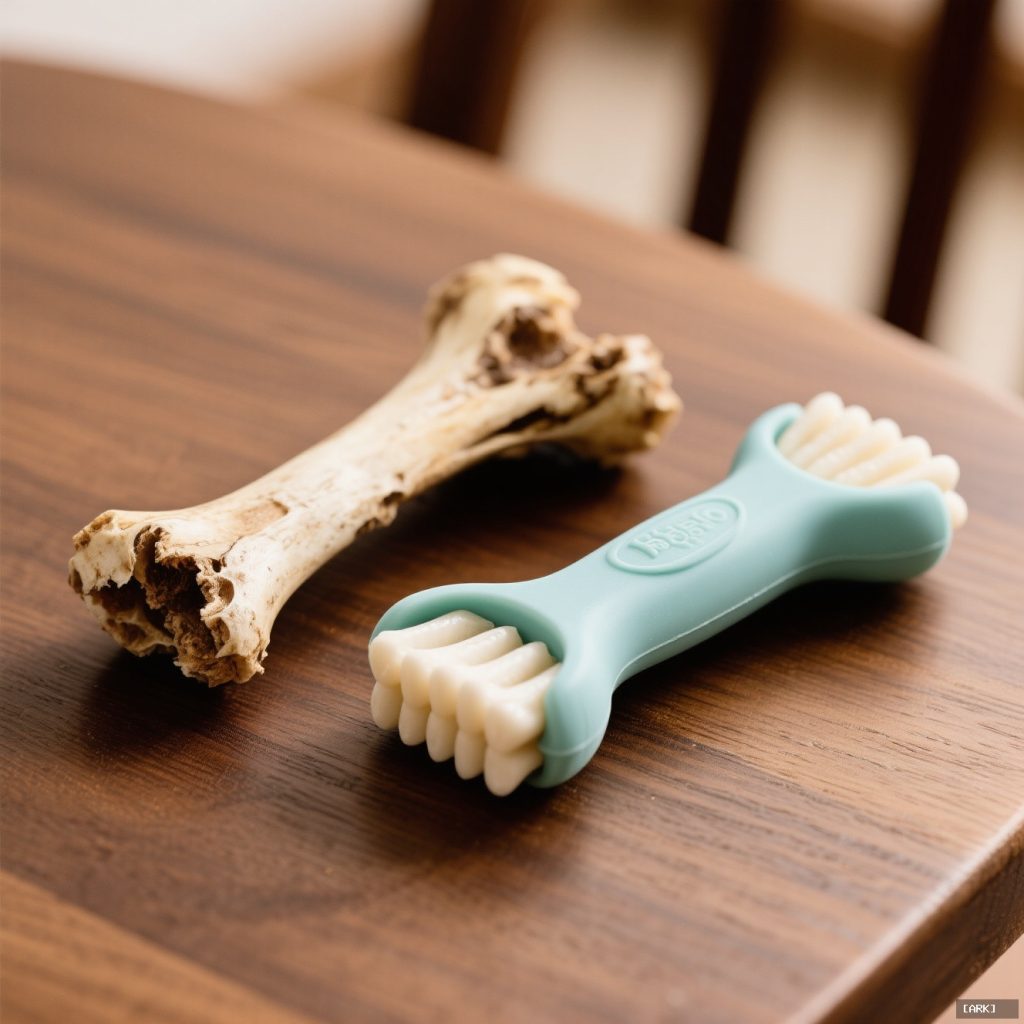
Dog dental chews are more than just functional items. They are a modern ritual, a curious blend of science and sentiment that sits at the heart of contemporary pet care. We buy these canine teeth cleaners believing we’re following veterinary advice, yet we’re engaging in a practice loaded with ancient meaning.
Every time we hand over a mint-flavored stick or a textured ring, we’re not just fighting plaque. We’re participating in a complex exchange of care, anxiety, and love that has evolved alongside our relationship with dogs themselves. This simple act connects us to a past where gnawed bones were both meal and maintenance, and it projects our hopes for our pets’ healthy futures onto a chewable, often brightly packaged, object.
To understand the dog dental chew is to understand how we live with animals today. It’s a story about shifting diets, the medicalization of pet life, and the human need to express affection through things. Let’s unpack the history, the psychology, and the quiet ceremony behind these ubiquitous pet oral hygiene treats.
From Functional Bone to Symbolic Chew: A Shift in Canine Care
How did dog dental care shift from functional bone chewing to symbolic chews?
Dog dental care originally occurred incidentally through natural chewing of bones, cartilage, and raw hide during hunting or scavenging, which provided essential abrasion for teeth. This functional phase, lasting thousands of years, relied on sustenance leftovers rather than specialized tools. The modern shift toward symbolic chews reflects a broader cultural change from purely functional objects to items representing care and bonding. Today, dental chews are designed specifically for oral health, often with added benefits like breath freshening or entertainment, moving beyond mere survival to become deliberate tools for canine wellness and human-dog interaction.
For thousands of years, a dog’s dental care was entirely incidental. It was woven into the fabric of survival. The act of tearing meat from bone, crushing cartilage, and gnawing on raw hide from a successful hunt or a scrap pile provided constant, natural abrasion. This was nature’s design for canine teeth cleaners—a functional byproduct of a working, scavenging life. The tools were not specialized; they were the leftovers of sustenance.
The move toward specialized dog chew toys for teeth is a profoundly modern shift. It mirrors our own cultural process from purely functional objects to symbolic ones. A bone was first and foremost food. A dental chew, however, is a deliberate, targeted health intervention. It is a product born not from scarcity, but from abundance and a specific kind of worry. We didn’t invent the concept of chewing for dental health; we commercialized and medicalized it, transforming a natural behavior into a purchased product.
This transition coincided with dogs moving from the periphery of our homes to the center of our families. As their roles changed from guard or hunter to companion and confidant, their health outcomes became emotional priorities. We began to see their bad breath not just as an odor, but as a sign of impending disease. We started to fear costly dental procedures and yearned for more years together. The market for dog dental chews exploded directly from this potent mix of love, fear, and the humanization of our pets.
The Gift of a Clean Mouth: When Hygiene Becomes Affection
How does giving a dog dental chew as a gift transform hygiene into affection?
Giving a dog dental chew as a gift transforms a clinical hygiene item into a token of affection. This act, whether for birthdays, holidays, or as a surprise, elevates the chew from a mere tool for cleaning teeth to a symbol of care and love. The transaction extends beyond the owner-pet bond, serving as a social signal. It communicates to others, "Look how well I care for my dog," or from a guest, "I acknowledge and respect your bond." This gifting ritual reflects a modern phenomenon where affection is expressed through consumer goods that solve problems, making dental hygiene a meaningful gesture of emotional connection.
Consider how often a dog dental chew is given as a gift. We wrap them for birthdays, stuff them in stockings at Christmas, or bring one home as a “just because” surprise. This act is fascinating. It transforms a hygiene item, something clinical, into a token of affection. The transaction isn’t just between owner and pet; it’s often a social signal between people. “Look how well I care for my dog,” it says. Or, from a guest, “I acknowledge and respect your bond.”
This gifting ritual reflects a broader modern phenomenon where care is expressed through consumer goods designed to solve problems we’ve only recently defined. We gift fitness trackers, meal kits, and skincare serums to humans, promising better futures. A dog dental chew operates on the same principle. It translates abstract concerns about vet bills, pain, and longevity into a tangible, often eagerly received, object. The gift whispers, “I care about your future,” making our anxiety manageable and our love actionable.
There’s a deep history here. Anthropologists note that gift-giving has always been a way to cement relationships and communicate status or care. Giving a specialized chew is a 21st-century version of this ancient practice. It’s a ritual that binds us to our animals, reinforcing our role as provider and protector in a world where their natural, tooth-cleaning diets are long gone.
The Owner’s Mirror: What Your Chew Choice Reveals
What does your choice of dog dental chews say about you?
Your choice of dog dental chews acts as a mirror, reflecting your personal values and beliefs. Opting for a clinically proven, scientifically formulated chew suggests you prioritize efficiency, trust in institutional science, and desire a guaranteed outcome, indicating a pragmatic approach to pet care. Conversely, selecting a playful chew shaped like a dinosaur or pizza slice signals a focus on joy and the belief that care routines should be fun, blending responsibility with delight. This everyday decision broadcasts a set of modern values, much like the food you buy for yourself, revealing whether you lean toward a results-driven or experience-oriented mindset.
The aisle of pet dental products is a world of modern values. Selecting a chew is a small but telling cultural act. Your choice broadcasts a set of beliefs, much like the food you buy for yourself.
Do you reach for the scientifically formulated, clinically proven greenie? You likely value efficiency, trust in institutional science, and seek a guaranteed result. Your choice speaks to a pragmatic approach to care.
Perhaps you choose a chew shaped like a dinosaur or a pizza slice. This signals a focus on joy and playfulness. It says the ritual should be fun, that care and delight aren’t mutually exclusive. The whimsy is for you as much as for your dog.
Or maybe you select a “natural” antler, a dehydrated sweet potato stick, or a rubber toy made from recycled materials. This choice often communicates a desire to return to a perceived “wild” or simpler state, a skepticism of synthetic blends, and an ethos of sustainability. The chew becomes an extension of your identity—a badge of the kind of mindful, “back-to-nature” care you believe in providing.
This isn’t just marketing. It’s a real expression of how we see our pets and ourselves. The dog chew toys for teeth we buy are proxies for our worldview, making the simple act of purchase a tiny declaration of personal values.
The Quiet Ceremony: Why the Ritual Itself Matters
Why does the ritual of giving dog dental chews matter for the human-animal bond?
The ritual of giving dog dental chews matters because it establishes a predictable, dependable ceremony that strengthens the bond between human and dog. This focused moment of attention serves as a peace offering after a day apart and creates a quiet, settled space in a busy home. For the dog, it provides a predictable pleasure and time for satisfying chewing. For the human, it becomes a palpable act of care that offers psychological comfort, making the pet owner feel effective and nurturing in their relationship with their companion.
While the mechanical action of scraping plaque is the stated goal, the ritual surrounding dog dental chews holds its own profound significance. The daily or weekly presentation of a pet oral hygiene treat establishes a rhythm, a small, dependable ceremony.
This moment of focused attention is a powerful relationship-builder. It’s a peace offering after a day apart, a tool for creating a quiet, settled space in a busy home. For the dog, it’s a predictable pleasure, a time for satisfying, focused chewing. For the human, it’s a palpable act of care that provides psychological comfort. We feel like good providers. We are actively “doing something” for their health.
This psychological comfort may be as historically significant as any dental benefit. Throughout history, people have carried talismans or performed rituals to ward off evil or disease. In our secular, scientific age, a dental chew serves a similar subconscious purpose. It is a tangible object we employ to ward off the perceived evils of periodontal disease, decay, and premature loss. The ritual gives us a sense of control. The act of giving the chew is as much about soothing our own fears as it is about cleaning their teeth.
Navigating the Modern Maze: A Thoughtful Approach to Chews
How can I thoughtfully choose a dental chew for my dog?
To thoughtfully choose a dog dental chew, shift your focus beyond marketing claims and see the chew as a tool for your relationship. Start by considering the material's story—opt for chews made from simple, recognizable ingredients or sustainable rubber, as they align with a more conscious ethos compared to synthetic mystery blends. Evaluate the lifecycle, from production to disposal, to understand its consumption narrative. Then, observe the chewing ritual with your dog, noting how they interact and whether the chew promotes healthy engagement. This mindful approach helps you select a chew that supports both dental health and your shared values.
With shelves overflowing with options, how do you choose? Moving beyond marketing claims requires a shift in perspective. See the chew not just as a plaque-scraping device, but as a tool for a relationship.
First, consider the material’s story. Does its origin and composition align with your ethos? A chew made from simple, recognizable ingredients or sustainable rubber tells a different story than a synthetic mystery blend. The lifecycle matters, too—from production to disposal, what narrative does the chew’s existence tell about consumption?
Next, become an observer of the ritual. Does your dog settle into a calm, contented chewing session, or is it a frantic race to devour? The experience matters for their mental state and safety. A good chew should promote focused calm, not anxious gulping.
Finally, integrate it meaningfully into your routine. Is it a distracted afterthought, or a dedicated moment of quiet connection? The strongest dog dental chews are those that strengthen the daily rhythm of your life together, providing both physical utility and relational cement.
Answering Common Questions
Are dental chews truly a replacement for raw bones?
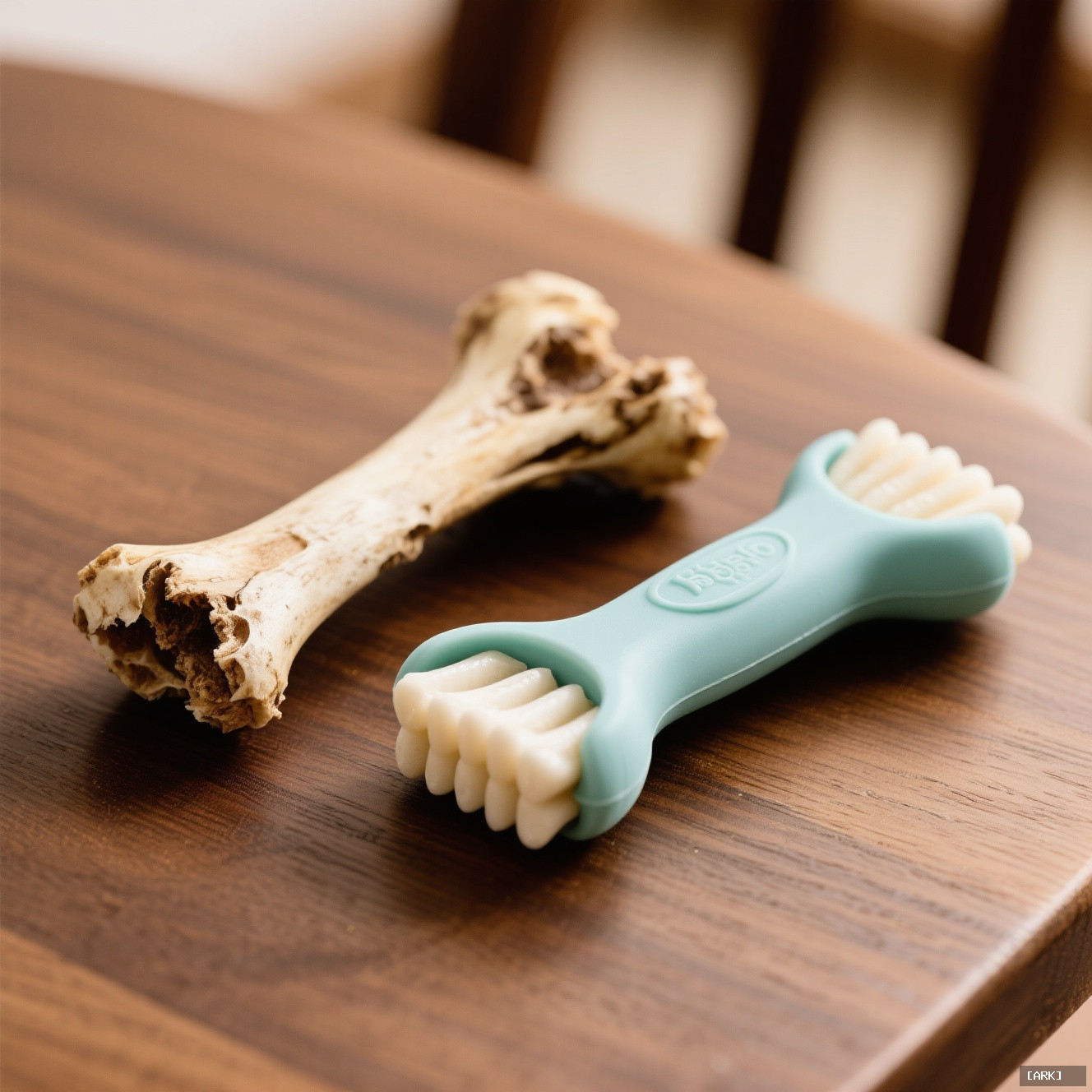
In a cultural and practical sense for most modern pet owners, yes. They are a sanitized, purpose-designed version of an ancient, multifunctional object. The raw bone was food, toy, and teeth cleaner all in one. The modern chew often segregates these functions, offering a specific dental benefit without the nutritional component or the potential risks (like splintering) that raw bones can pose.
Why does giving my dog a dental chew feel so satisfying?
Because it performs elegant double duty. It directly addresses a practical health concern we’ve been taught to fear, while simultaneously allowing us to perform the deeply rooted social role of a diligent, caring provider. It satisfies both our logical and emotional brains.
What’s the biggest misconception about these products?
That they are a complete substitute for professional veterinary dental care. While excellent as a maintenance tool and ritual, they are not a cure-all. Think of them as part of a broader oral hygiene strategy, not a magic bullet. Regular veterinary check-ups remain essential.
The humble dog dental chew is a mirror. It reflects our evolving bond with dogs, our modern anxieties, and our timeless need to show love through tangible acts. It’s where science meets story, and where daily care becomes a quiet, meaningful ceremony.
Sources & Further Reading
Where can I find sources and further reading on dog dental chews?
For more information on dog dental chews, you can consult the American Veterinary Medical Association's resources on pet dental care. The Smithsonian offers insights into the history of human-canine bonds. VCA Hospitals provides details on canine chewing behavior. These sources cover historical and veterinary aspects, helping you understand the role of dental chews in dog care.
American Veterinary Medical Association on Pet Dental Care: https://www.avma.org/resources-tools/pet-owners/petcare/pet-dental-care
The Smithsonian on the History of Human-Canine Bonds: https://www.smithsonianmag.com/history/how-dogs-became-our-best-friends-180970330/
VCA Hospitals on Canine Chewing Behavior: https://vcahospitals.com/know-your-pet/how-dogs-chew
About Our Expertise
This article draws on historical research into human-canine relationships and modern veterinary practices to present a nuanced view of dog dental chews. Our exploration of gift-giving anthropology and consumer psychology provides a unique lens on this everyday pet care item.
We consulted resources from the American Veterinary Medical Association and Smithsonian Institution to ensure accuracy. The content reflects authentic cultural insights into how modern pet owners express care through commercial products, rooted in scholarly perspectives on ritual and symbolism.


 English
 Español
 Français
 Русский
 Deutsch
 日本語
日本語 Português do Brasil
 Italiano