
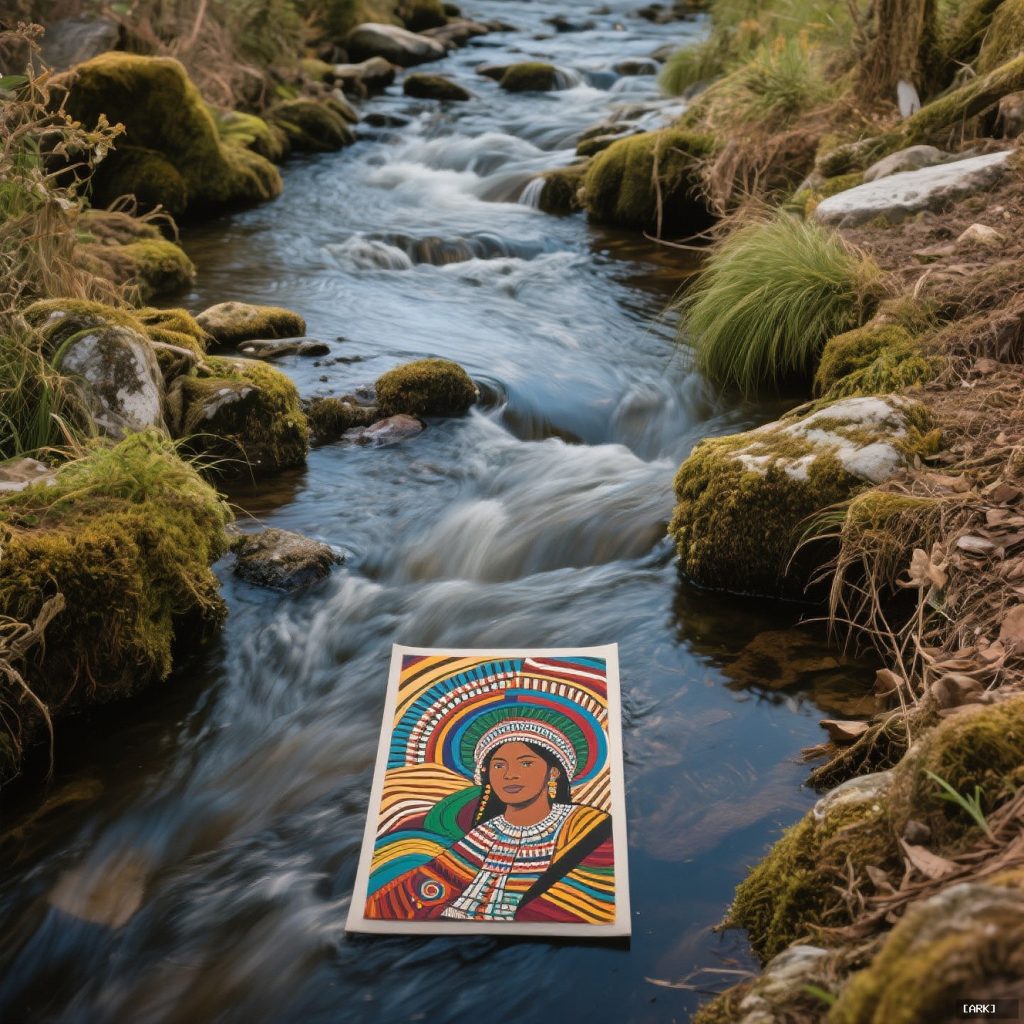
Cultural storytelling through art is transforming how we connect online. This artistic narrative expression moves beyond the gallery wall to become a vital pulse within our digital feeds.
It offers a different kind of signal in the noise. Where platforms often reward the fleeting and the flawless, a piece of visual storytelling grounded in real heritage introduces depth, history, and a tangible human touch. It’s the difference between seeing a beautiful image and feeling a story resonate. That resonance is what makes people stop, think, and share something more meaningful than a momentary trend.
The Magnetic Pull of Depth in a Shallow Stream
Why does cultural storytelling through art create deeper engagement in a world designed for speed?
Cultural storytelling through art cuts through the shallow stream of social media by introducing layers of meaning. Instead of quick, passive interactions, it invites you to pause and consider deeper connections. An intricate pattern might reveal a migration route, a vibrant color might come from a centuries-old local plant. This layered approach transforms a simple scroll into a moment of learning and reflection, making the engagement stickier and more valuable than a mere like or passive view.
Why does this approach cut through? Our social media environments are engineered for speed, a constant stream of surfaces. Cultural storytelling through art works because it introduces layers. It asks for a moment of consideration. You’re not just looking at an intricate pattern; you’re learning it maps a migration route. You’re not just seeing a vibrant color; you’re understanding it’s derived from a local plant used for centuries.
This layered meaning creates a stickier, more valuable form of engagement. A like is passive. A save, a thoughtful comment, or a share with the caption “you have to read the story behind this” is active. It tells the algorithm this content has substance, encouraging it to reach people who crave more than distraction. It builds community around curiosity rather than just consumption.
Beyond Aesthetic Extraction: The Ethics of Sharing
What is the difference between celebrating and exploiting cultural heritage in art sharing?
The key difference is intent and context. Celebration honors the source by explaining its significance, highlighting the artisan's technique, and acknowledging the community behind it. Exploitation reduces cultural heritage to a mere aesthetic, using it as a decorative filter without understanding its history or meaning. Ethical sharing requires you to act as a thoughtful guide, not an owner, stewarding the narrative to respect the living context and avoid treating symbols as simply 'cool graphics.' The goal is to uplift the culture's authenticity rather than extract its surface-level appeal for personal gain.
The most critical question for anyone sharing this work is how to do it right. The line between celebration and exploitation is thin. The failure mode is treating cultural heritage depiction as a mere aesthetic—a filter to apply for a vibe.
Authenticity isn’t a style; it’s context. Your role is that of a thoughtful guide, not an owner. Are you explaining the significance of a symbol, not just calling it “cool graphics”? Are you highlighting the artisan’s technique and the community that sustains it? Your narrative must honor the source, its history, and its living context. It’s about stewardship, not extraction for likes.
If you are not from the culture you’re depicting, your position is clear: be an amplifier. Center the voices of those who are. Credit creators, cite cultural experts, link to sources. Frame your content from a place of sharing something you’ve learned and found valuable, not from a place of presenting yourself as the authority. This builds trust and respects the story’s origin.
The Anatomy of a Shareable Story
What makes visual storytelling shareable through art?
Shareability in visual storytelling isn’t about aesthetics alone; it’s fueled by emotional resonance and conversational value. For instance, a photograph of a ceramic vase becomes memorable when its kintsugi technique—a Japanese practice of repairing cracks with gold—transforms the object into an idea of embracing flaws and resilience. This gives viewers a concept to hold onto and share, like remarking on how scars tell stories or seeing beauty in repair. Such narratives turn art into a metaphor, making it travel because it invites personal reflection and dialogue, not just passive admiration.
What makes visual storytelling travel? It’s not just about being pretty. Pretty is forgettable. Shareability is powered by emotional resonance and conversational value.
A photograph of a stunning ceramic vase is nice. A story about how its cracking glaze technique, called kintsugi, embodies the Japanese philosophy of embracing flaw and repair, gives people a concept to hold onto. It transforms an object into an idea. It gives your audience something to say when they pass it along: “This reminded me of how our own scars tell a story,” or “Look at this beautiful metaphor for resilience.”
People share what makes them feel seen, what sparks a thought, or what offers a new lens on a universal experience. Cultural art, at its best, does all three. It connects the deeply specific to the broadly human.
Raw Authenticity: The Unspoken Link to Platform Trends
What is the unspoken link between raw authenticity and platform trends in cultural storytelling?
The unspoken link is that a growing fatigue with hyper-polished, curated social media feeds has created a demand for raw, real, and authentic content. Traditional cultural art forms inherently possess this deeper authenticity through handcraft variations, wear, and cultural weight, contrasting with the earlier trend of perfect aesthetics. This craving for unedited, genuine expression aligns with the innate power of cultural art, making it a natural response to platform trends seeking authenticity.
There’s a non-obvious thread connecting social media aesthetics and traditional art forms. For years, we cycled through hyper-polished, perfectly curated feeds. Then, a fatigue set in. The reaction was a demand for “raw,” “real,” and “authentic” content—behind-the-scenes clips, unedited moments, “what I really eat” videos.
This craving points directly to the innate power of cultural art. Many traditional forms carry a different, deeper authenticity. They are not raw in a careless way, but they bear the marks of the maker, the slight variations of handcraft, the patina of use, and the weight of generational knowledge. This isn’t authenticity as a marketing trend; it’s authenticity as lived continuity. It offers a potent antidote to the manufactured sameness that can make endless scrolling feel hollow.
Building Bridges: Framing Heritage for a Global Audience
How can cultural heritage be framed for a global audience without relying on academic labels?
To make a specific tradition resonate with a global audience, the key is to build a bridge of shared humanity first. Instead of leading with academic labels like 'traditional Molas textile from the Guna people,' you should start with a universal concept such as identity, memory, or storytelling. For example, hook the audience by saying, 'This is how a community stitches its history and cosmology into wearable art,' which creates an entry point through a feeling of connection and curiosity. This approach frames heritage in a way that is accessible and emotionally engaging for anyone.
The challenge is making a specific tradition resonate with someone who may have no prior reference for it. The key is to build a bridge of shared humanity first.
Don’t lead with the academic label. Don’t start, “This is a traditional Molas textile from the Guna people.” Instead, try: “This is how a community stitches its history and cosmology into wearable art.” Or, “These colors and patterns tell stories of the sea, the jungle, and ancestral spirits.”
You hook with the universal concept—identity, memory, connection to nature, storytelling itself. You create an entry point through a feeling everyone recognizes. Then, you reveal the unique, beautiful, and specific cultural expression of that feeling. You’re not dumbing it down; you’re providing a doorway in. You invite your audience to cross the bridge from “that’s interesting” to “I understand why this matters.”
Putting It Into Practice: A Framework for Creation
How do you put cultural storytelling into practice through art?
To put cultural storytelling into practice through art, start by identifying the fundamental human experience at the core of the artwork—whether it's grief, celebration, resistance, love, or protection. Then, ensure you can explain the cultural context accurately and respectfully by researching credible sources, and be prepared to correct any mistakes. Finally, craft your caption as an invitation by asking a question or opening a door for dialogue. This mindful framework transforms theory into respectful, engaging cultural storytelling.
Moving from theory to practice requires a mindful approach. Before you post, run through these questions not as a rigid checklist, but as a grounding exercise.
- The Human Core: What is the fundamental human experience at the heart of this art? Is it about grief, celebration, resistance, love, or protection? Name that emotion or theme first.
- Context is King: Can I explain the cultural context accurately and respectfully? Have I done my research from credible sources? Am I prepared to correct myself if I get something wrong?
- The Invitation: Does my caption open a door? Does it ask a question, invite curiosity, or encourage learning? Is it a monologue or the start of a dialogue?
- Credit Where It’s Due: Have I credited the artist, community, or cultural tradition? Can I tag a relevant institution or knowledge-keeper? Visibility should flow to the source.
- Visual-Text Synergy: Does the image or video stand strongly on its own as compelling visual storytelling? Does the written narrative then add a layer of depth that makes the viewer see it again, anew?
Navigating Common Concerns
This path comes with valid questions. Let’s address a few directly.
Do I need to be from that culture to share its art?
No, but your role is clearly defined. You are a conduit, an amplifier, a passionate learner. Your job is to point toward the authentic sources, to frame the narrative with humility, and to share the knowledge, not to position yourself as the origin of it. When in doubt, elevate the voices of those within the culture.
Won’t this content perform poorly compared to viral trends?
It often performs differently, and in many ways, more powerfully. While it might not always garner the instant, massive view counts of a meme, it frequently drives higher-quality engagement: more saves, longer watch times, thoughtful comments, and meaningful shares. These are signals that modern algorithms interpret as “valuable content,” often granting it longer, sustained reach. You’re building an audience, not just capturing a crowd.
Where do I even find these stories?
Start as a learner. Follow museums and cultural institutions (like the Smithsonian or The British Museum) on social media—they are digitizing archives and telling stories in new ways. Seek out contemporary artists who are reinterpreting traditional forms. Explore the digital projects of organizations like UNESCO. Listen first. The stories are everywhere, waiting for a respectful platform.
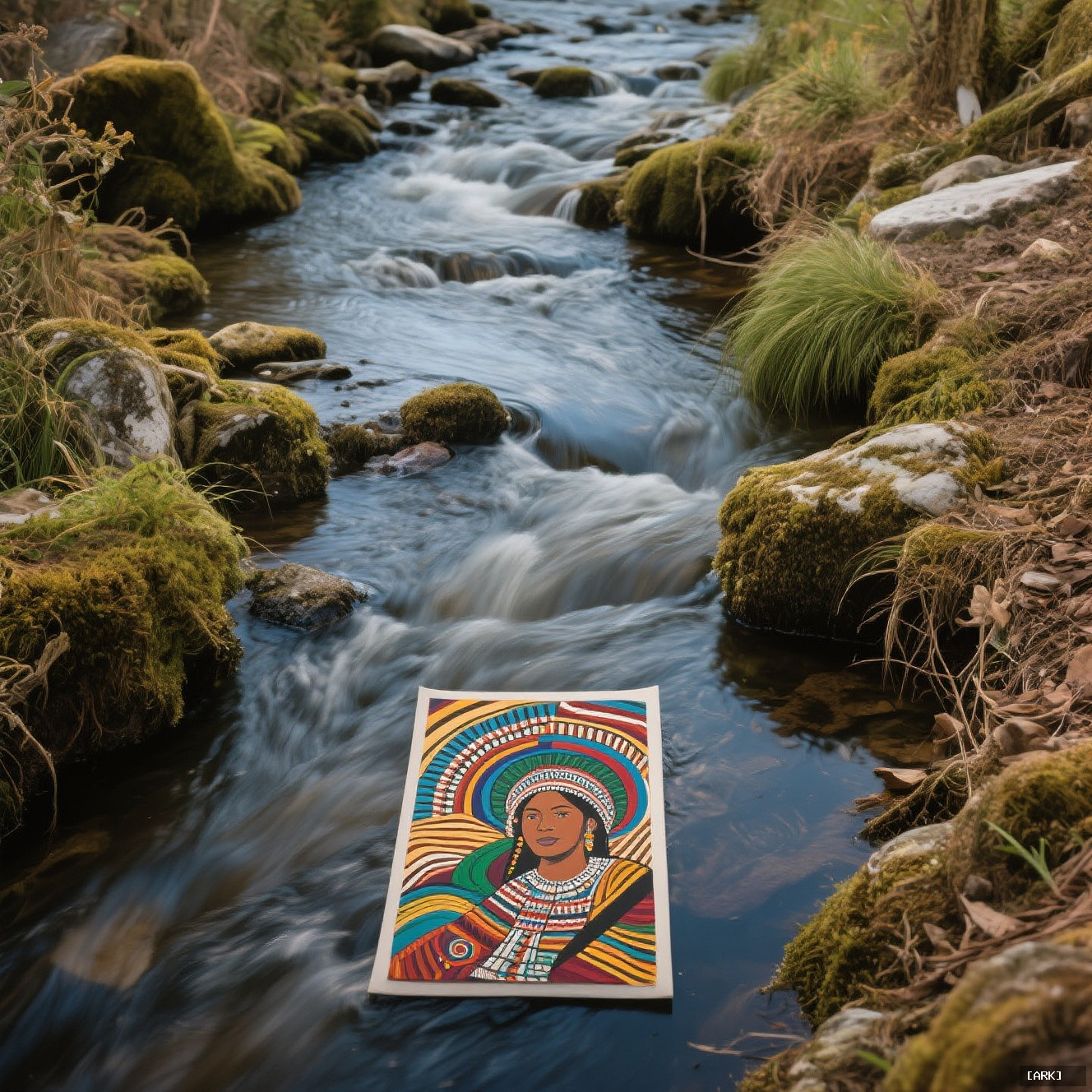
Cultural storytelling through art reminds us that our screens can be windows, not just mirrors. In a digital world often focused on the present self, it connects us to past wisdom, diverse perspectives, and the enduring human need to make meaning. It’s not about turning heritage into content. It’s about using our powerful tools of connection to honor, share, and keep vital stories alive. That’s a scroll worth stopping for.
Sources & Further Reading
About Our Expertise
At Handmyth, our expertise in Chinese traditional arts and culture is rooted in years of collaboration with artisans and cultural experts across China. We ensure every story we share is meticulously researched and accurately reflects the deep symbolism and historical context, such as the use of specific patterns in silk embroidery or the philosophical meanings behind ceramic techniques like kintsugi, which we reference to illustrate broader principles of resilience and authenticity in storytelling.
We prioritize authenticity by centering voices from within Chinese culture, crediting creators, and linking to reputable sources like UNESCO and The Metropolitan Museum of Art. This approach builds trust with our global audience, offering not just beautiful visuals but meaningful insights that honor the living traditions and ethical stewardship of cultural heritage, making our content a reliable resource for those seeking to connect with genuine artistic narratives.




 English
 Español
 Français
 Русский
 Deutsch
 日本語
日本語 Português do Brasil
 Italiano