Feng shui decor items are not mystical trinkets but deliberate compositional tools for shaping a space’s energy. They are the functional poetry of a room, directing both the eye and the ambient feeling we call qi. Think of them as the visual grammar that turns a collection of objects into a coherent sentence.
This approach moves far beyond superstition into the realm of intentional design. It’s about recruiting everyday items—a vase, a stack of books, a lamp—into an active role. They become harmony enhancers, shifting from passive nouns to dynamic verbs within your home’s narrative. The goal is never to create a “feng shui look,” but to cultivate an environment that feels inherently right, where energy flows unimpeded and each object has a clear, supportive purpose.
From Ornament to Agent: The Philosophy of the Cure
What separates a random decorative object from a true feng shui cure? The answer lies in assigned intention. All decor occupies physical space, but a cure occupies psychological and energetic space with a specific mission.
Consider a green plant. In one home, it’s a nice touch of life by the window. In another, it’s strategically placed in the Wealth corner of the Bagua map, its vibrant, upward-growing leaves consciously chosen to symbolize and encourage flourishing growth. The plant is the same. Its story—its job—is different. This narrative shift is everything. A stack of three books becomes a symbolic foundation of knowledge and support for a desk corner. A round, white bowl in the Relationship area isn’t just a bowl; its metal element and shape promote clarity and connection. The object is no longer just seen; it is felt to be working.
This transforms how you shop and arrange. You stop asking, “Do I like this?” and start asking, “What do I need this to do?” Is the room’s verb to calm, to energize, to focus, or to connect? Your choices become answers to those questions.
Modern Translation: Principles Over Clichés
A common hesitation is that traditional feng shui cures feel out of place in a contemporary, minimalist, or eclectic home. The solution is elegant: translate the principle, not the literal object. Feng shui is a language of energy; you can speak it in any design dialect.
The classic cure for stagnant energy is a moving object, like a mobile or fountain. In a sleek, minimalist apartment, that “movement” might be expressed through the sculptural arc of a floor lamp, where the play of light and shadow across a wall creates dynamic change. The cure is in the quality of light—a dynamic, energy flow object without a single literal gear turning.
Similarly, the water element, associated with wisdom and calm, doesn’t require a koi pond. It can be represented by a freeform glass sculpture, a painting with undulating blue tones, or even the reflective, fluid surface of a dark granite countertop. The material and form speak your home’s design language while fulfilling the elemental function. The brass geomantic compass (luopan) might clash with a mid-century modern aesthetic, but a sleek brass sunburst clock or a clean-lined barometer can serve the same symbolic purpose of “clarity and direction.” The most powerful cure is invisible as such; it’s simply a beautiful, intentional piece that feels utterly native to its space.
The Anatomy of Placement: Where Energy Meets Ergonomics
Placement is where theory becomes tangible experience. The worst place for any harmony enhancer is anywhere it creates visual or physical anxiety. This is feng shui’s most practical, non-negotiable rule.
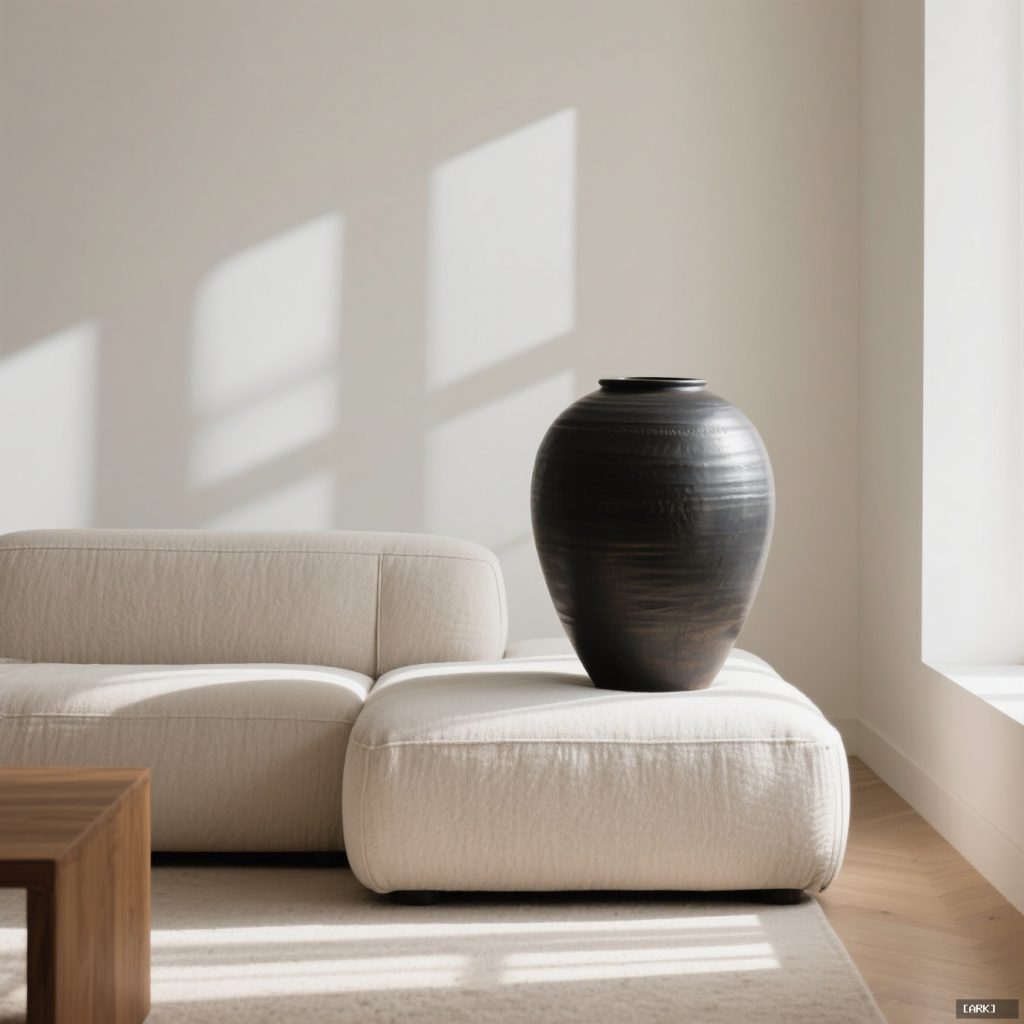
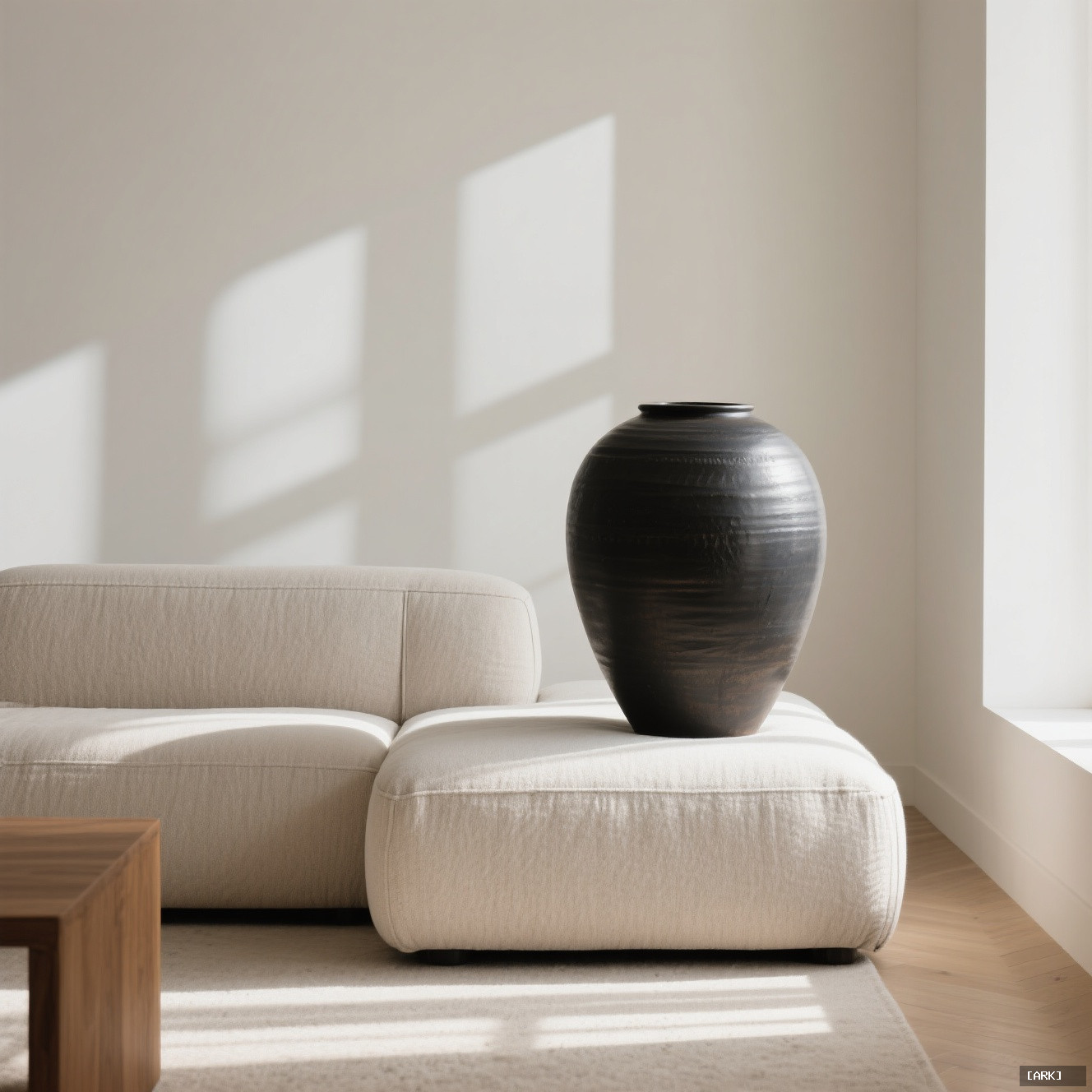
An object with heavy visual weight—a large amethyst geode, a dark ceramic urn—placed directly in a high-traffic pathway or in the direct sightline of a doorway becomes a subconscious obstacle. You will navigate around it, physically or with your eyes. That micro-friction interrupts flow. The cure then becomes the problem, blocking the very energy it was meant to enhance.
Good placement considers the body’s process through a space. It creates comfort in movement. A mirror intended to expand a small entryway must be positioned so it reflects something pleasant (a piece of art, a sliver of greenery), not the front door or a cluttered hallway. A wind chime should create a gentle, welcome sound in a breeze, not become a constant, irritating noise directly above where you read. Feng shui is, at its core, environmental psychology. It asks: Does this arrangement feel supportive or stressful? Your innate reaction is the best guide.
A Practical Filter for Your Choices
- Define the Need: Before browsing, name the room’s desired “verb.” Is it to soothe (bedroom), ignite (kitchen), or concentrate (study)?
- The Home Audit: Look at what you already own with new eyes. Can that heavy stone paperweight ground a flighty corner? Could that mirror open up a cramped hallway?
- Design Dialect: Be a linguistic purist. Does the item’s material, scale, and line belong in your space’s visual vocabulary?
- The Living Test: Place the item and live with it for 24 hours. Does it feel like a natural part of the conversation, or is it shouting for attention?
- The Whisper Rule: If it feels like a shout, find a whisper that accomplishes the same task. A single smooth river stone can often ground a space as effectively as a large, dramatic crystal.
The Color Code: Strategic Storytelling
Color in feng shui operates on a principle familiar to any brand strategist: associative psychology. Brands use color to convey values—think of the trust in a navy blue logo, the energy in a red “buy now” button. Feng shui uses color with the same strategic intent to tell a room’s energy story.
The five elements have color associations that cue specific feelings. Black and deep blues (Water) anchor wisdom and calm. Greens and browns (Wood) promote growth and vitality. Reds, oranges, purples (Fire) spark passion and activity. Whites and pastels (Metal) encourage clarity and precision. Yellows and earth tones (Earth) offer stability and nourishment.
This isn’t about painting an entire room red. It’s about strategic accenting. A pop of fiery red in a home office—a cushion, a frame, a single art accent—can “brand” that corner with active, projective energy, acting as a visual call-to-action. A soft blue throw in a busy living room can serve as a visual anchor of calm. You’re using color not just decoratively, but as a functional feng shui cure to guide the emotional narrative of the space.
Demystifying the Details: Common Questions Answered
Let’s address the practical hesitations that often stall people’s practice.
Do feng shui items need to be expensive or “authentic”?
Absolutely not. Cost and power are unrelated. A smooth stone from a meaningful hike, a shell from a memorable beach, or a gifted piece of pottery holds more intentional weight—and thus more energetic potency—than a mass-produced crystal bought online without thought. The story and connection you have with the object fuel its role as a harmony enhancer.
How many items are too many?
The limit is visual clarity. When a room’s composition starts to feel busy, tense, or cluttered, you’ve passed the threshold. Each cure should have clear visual breathing room. Think of it as a conversation: too many voices talking at once creates noise, not harmony. One well-placed, intentional object is infinitely more powerful than a shelf of crowded trinkets.
Are plants considered feng shui cures?
Yes, they are among the most potent living energy flow objects. Their health is a direct, honest indicator of the qi in that spot. A thriving plant signifies vibrant, nourishing energy. A consistently struggling plant signals stagnant or draining energy—either adjust the plant’s care, or consider if its placement is energetically correct. They are dynamic participants in your environment.
What if I move or remove an item?
The intention moves with you. Feng shui is not a static, one-time setup. It’s a responsive practice. Your perception and needs reshape a cure’s effect. An object that once grounded a workspace might later be needed to calm a bedroom. The “map” of theory is not the “territory” of your lived experience. You are the final authority.
Beyond the Object: The Space Between
Finally, remember that the most critical “feng shui decor item” is often the space itself—the negative space, the pathways, the air and light. A cure cannot work if it’s buried in clutter or placed in a perpetually dark corner. The foundational work of feng shui is always to clear, clean, and open the canvas. The objects are then the precise, deliberate strokes that complete the painting. They direct the flow that a clear space allows.
Start by listening to your rooms. Where does your eye get stuck? Where do you naturally pause or avoid? That intuitive audit will tell you more than any rulebook. Then, choose and place your feng shui decor items not as magical solutions, but as thoughtful collaborators in designing a home that doesn’t just look good, but truly feels like a sanctuary.
Sources & Further Reading
Architectural Digest: Feng Shui Decor Mistakes to Avoid
Mindbodygreen: How to Use the Feng Shui Bagua Map
The Nature of Things: Design Principles in Feng Shui
ScienceDirect: Environmental Psychology and Spatial Perception
✨ You Might Also Enjoy

You may also like
Herbal Bead Bracelet: Ancient Chinese Aromatherapy for Modern Wellness | HandMyth™
Original price was: ¥2,199.00.¥1,352.00Current price is: ¥1,352.00. Add to cartPremium Herbal Beads Bracelet: Traditional Medicine Meets Modern Jewelry | Shop HandMyth
Original price was: ¥874.00.¥608.00Current price is: ¥608.00. Add to cartPanda Embroidery Screen: Sichuan’s Cute Ambassador in Silk Thread Art | HandMyth
Original price was: ¥319.00.¥230.00Current price is: ¥230.00. Add to cartPanda Gift Set: Curated Chinese Treasures for Panda Lovers | HandMyth™ (Free Gift Wrap)
Original price was: ¥136.00.¥118.00Current price is: ¥118.00. Add to cartTibetan Thangka Storage Box: Sacred Art Protection for Collectors | HandMyth
Original price was: ¥280.00.¥219.00Current price is: ¥219.00. Add to cartPure Silk Handbag: Hangzhou’s Legendary Silk Weaving for Modern Elegance | HandMyth™
Original price was: ¥874.00.¥786.00Current price is: ¥786.00. Add to cartHand-Painted Silk Scarf: Wearable Art from China’s Silk Road | HandMyth (Artist Signed)
Original price was: ¥1,017.00.¥935.00Current price is: ¥935.00. Add to cartModern Qipao Dress: Timeless Chinese Elegance for Today’s Woman | HandMyth (Custom Fit)
Original price was: ¥2,459.00.¥2,240.00Current price is: ¥2,240.00. Add to cartEmbroidered Chinese Handbag: Suzhou Silk Embroidery Meets Modern Fashion | HandMyth™
Original price was: ¥680.00.¥646.00Current price is: ¥646.00. Add to cart