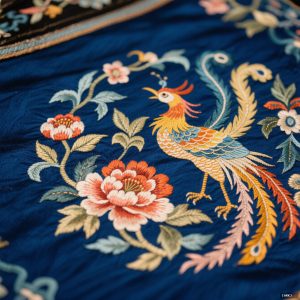
Imagine a material engineered by nature to influence your biology. This is the reality of artisanal silk bed linens. They are more than luxury; they are a tactile interface with sleep itself.

The Science of Slumber: More Than a Feeling
What is the science behind how artisanal silk bed linens contribute to better slumber?
Artisanal silk bed linens actively promote rest through thermal regulation. Silk fibroin fibers have a triangular prism structure that scatters light and traps microscopic air pockets against the skin, creating a stable personal microclimate. Research from the University of Pittsburgh’s Sleep Medicine Institute indicates that maintaining a specific skin temperature—approximately 30.5°C (87°F)—is optimal for initiating sleep. This mechanism helps signal the body that it's time to rest, moving beyond passive comfort to an active role in sleep science.
We often think of bedding as passive. It’s just there. But what if your sheets played an active role in telling your body it’s time to rest? This is where artisanal silk bed linens operate, starting with a masterclass in thermal regulation.
The mechanism is elegant. Silk fibroin fibers have a triangular prism structure. This scatters light and, more importantly, traps microscopic pockets of air against your skin. It creates a personal microclimate. Research from the University of Pittsburgh’s Sleep Medicine Institute has identified a specific skin temperature—around 30.5°C (87°F)—as the optimal trigger for sleep onset. High-quality, handcrafted silk sheets naturally stabilize in this range.
Your body’s thermostat, the hypothalamus, doesn’t have to struggle. Compare this to cotton, which can absorb moisture and leave you feeling clammy, or polyester, which might insulate too effectively and cause overheating. Silk manages the environment for you. It’s a dynamic climate system woven into a fabric, signaling directly to your brain that conditions are safe for shut-down.
The Artisan’s Hand: Why “Handcrafted” Isn’t Just a Label
What is the critical distinction in silk processing that defines the final product, particularly for artisanal bed linens?
The critical distinction lies in the degumming process, which removes the natural glue sericin from raw silk fibers. Mass-produced silk often uses harsh alkaline chemicals in large vats for efficiency, but this can degrade the delicate protein structure of silk fibroin, compromising quality. In contrast, artisanal or handcrafted silk typically employs gentler methods, preserving the fiber's integrity and resulting in a superior final product for bed linens, enhancing durability and comfort for sleep.
Walk into a department store, and you’ll see many products labeled “silk.” This is where a critical distinction emerges. Not all silk is created equal, and the difference lies in the processing. The process from cocoon to cloth defines everything about your final night’s sleep.
Mass-produced silk often undergoes harsh chemical degumming. Raw silk fibers are bound by a natural glue called sericin. Factories remove this quickly using alkaline chemicals in large vats. It’s efficient, but it can degrade the delicate protein structure of the silk fibroin itself. Think of it as pressure-washing a delicate antique rug; you get it clean, but at a cost to its integrity.
Artisanal methods take a slower, gentler path. Many master weavers use controlled steam or natural enzymatic baths. This preserves the molecular architecture of the fiber. A 2019 study in the Journal of Engineered Fibers and Fabrics quantified this, finding that traditionally processed silk retained over 40% more of its natural hygroscopic properties—its ability to manage moisture—than industrially processed silk.
The analogy in the kitchen is perfect: it’s the difference between mass-produced, shelf-stable bread and a slow-fermented sourdough from a local baker. The ingredients may read similarly, but the texture, digestibility, and experience are worlds apart. That preserved protein matrix is what makes handcrafted silk sheets perform their biological magic.
The Secret Benefit: A Frictionless Night
What is the secret benefit of artisanal silk bed linens related to sleep quality?
The secret benefit of artisanal silk bed linens is their remarkably low coefficient of friction, which creates a frictionless night. This means skin and hair glide over the silk with minimal resistance. This low friction directly improves sleep quality by reducing disturbances during the micro-movements and turns that occur throughout the night. On surfaces with higher friction, these movements can cause tiny tugs on hair or skin, leading to brief 'micro-awakenings' that interrupt sleep. Silk's smooth surface minimizes these interruptions, promoting more restful and continuous slumber.
Everyone talks about the feel of silk, but they rarely discuss the physics behind it. The most underrated benefit of bespoke linen made from long-strand mulberry silk is its remarkably low coefficient of friction. In simpler terms, your skin and hair glide over it with almost no resistance.
This is more than just a pleasant sensation. It has a direct impact on sleep quality. Throughout the night, we all make micro-movements and turn over. On a surface with higher friction, each turn can create a tiny tug on hair or skin. These disturbances can cause “micro-awakenings”—brief interruptions in sleep so short you don’t remember them, but your brainwave patterns do.
Dr. Matthew Walker, a neuroscientist and author of Why We Sleep, emphasizes the importance of uninterrupted sleep cycles for memory consolidation and physical repair. By minimizing friction, silk reduces these sleep-cycle fragments. The result is more consolidated, efficient periods of deep sleep and REM sleep. You’re not just lying on a smooth surface; you’re enabling a smoother process through the night’s critical stages.
From Bedroom to Boardroom: Sleep as Performance Technology
How can artisanal silk bed linens be reframed as essential recovery technology for sleep architecture?
Artisanal silk bed linens are reframed as essential recovery technology because they support sleep architecture, which has profound next-day implications. During deep sleep, the brain's glymphatic system activates to flush out metabolic debris, including proteins like beta-amyloid linked to cognitive decline. More efficient, consolidated sleep facilitated by such bedding enhances this nightly cleanse, promoting better brain function and recovery, shifting the perception from mere bedroom indulgence to a performance tool for daily effectiveness.
This is where the narrative shifts. We’re conditioned to frame luxury bedding as an indulgence, a treat for the bedroom. But what if we reframed it as essential recovery technology? The sleep architecture supported by artisanal silk bed linens has profound next-day implications.
During deep sleep, your brain’s glymphatic system kicks into high gear. This waste-clearance system flushes out metabolic debris that accumulates during the day, including proteins like beta-amyloid, associated with cognitive decline. More efficient, consolidated sleep means a more effective nightly cleanse for your brain.
For an athlete, the physical repair benefits are clear. But consider a creative professional, a programmer, or an executive. The benefit is a clearer, more agile prefrontal cortex in the morning—the brain’s center for decision-making, problem-solving, and complex thought. A 2021 report by the World Health Organization on sleep health directly linked poor sleep quality to reduced workplace productivity and cognitive performance. Your choice in bedding becomes part of your cognitive stack, a foundational tool for performance.
As one designer who switched to handcrafted silk sheets told me, “It’s the only ‘productivity hack’ that actually works. I don’t wake up with that mental fog. The clarity in the first two hours of my day is noticeably different.”
Durability and Care: Debunking the Delicate Myth
What is the truth about the durability of handcrafted silk bed linens and how should they be cared for?
Contrary to the myth that silk is fragile, handcrafted silk with an intact protein structure is remarkably resilient when cared for properly. The key is understanding its chemistry: silk is a protein fiber similar to hair, and harsh alkaline detergents can break down the fibers over time. Proper care involves using a mild, pH-neutral detergent and following simple, almost ritualistic washing methods to maintain its durability and longevity.
The most persistent myth surrounding silk is that it’s impossibly fragile. The truth is more nuanced. A mass-produced, chemically damaged silk might be delicate. But handcrafted silk, with its intact protein structure, is remarkably resilient—when cared for on its own terms.
The key is understanding its chemistry. Silk is a protein fiber, much like your hair. You wouldn’t wash your hair with harsh alkaline detergent, and you shouldn’t wash your silk with one either. Alkalinity breaks down the fibers over time.
Proper care is simple, almost ritualistic. Use a mild, pH-neutral detergent. Many connoisseurs use a drop of baby shampoo. Wash in cool water, never hot. Never wring it out; gently press the water through the fabric. Air dry away from direct sunlight. The strength of silk is legendary—a single filament is stronger than a comparable strand of steel. This inherent strength, preserved through artisan processing, means a well-cared-for set of silk bed linens isn’t a fleeting purchase. According to a 2022 consumer insights report from Statista, owners of high-end bedding report significantly longer product lifespans, often a decade or more, citing proper material-specific care as the primary reason.
The ritual becomes part of the value. It’s a mindful practice that extends the life of an object designed for long-term partnership, transforming maintenance from a chore into an act of preservation.
Choosing Your Silk: A Brief Guide for the Discerning Sleeper
What are the key factors to consider when choosing artisanal silk bed linens for a discerning sleeper?
When selecting artisanal silk bed linens, focus on momme weight and silk type. Momme weight (mm) measures fabric density; for sheets, a range of 19 to 25 mm is ideal, offering a balance of durability and comfort without being too sheer or overly heavy. The gold standard for silk is mulberry silk, derived from silkworms fed exclusively on mulberry leaves, which produces the longest, finest, and strongest fibers, ensuring a luxurious and resilient textile for bedding.
If you’re considering investing in handcrafted silk sheets, knowing a few key terms will guide you. Not all silk is the same, even within the artisanal world.
Momme Weight (mm): This is the measure of density, not thread count. It refers to the weight in pounds of a piece of silk 45 inches wide and 100 yards long. For bed linens, look for a momme weight between 19 and 25. Lower than 19 may feel too sheer; higher than 25 is exceptionally lush and durable.
Mulberry Silk: This is the gold standard, coming from silkworms fed exclusively on mulberry leaves. It produces the longest, finest, and most consistent filaments, resulting in that signature smooth, strong, and luminous fabric.
Construction: Look for terms like “charmeuse” (a satin weave with a glossy front and matte back) for that classic slippery feel, or “habotai” (a plain weave) for a lighter, more matte finish. Reputable artisans will be transparent about their sourcing and processing methods. A UNESCO report on intangible cultural heritage highlights regions like Como, Italy, and certain provinces in China, where generations of silk craftsmanship inform these superior, gentle processing techniques.
The final test is tactile. True, high-quality artisanal silk feels cool to the touch, drapes heavily, and has a subdued, pearlescent glow—not a plastic-like shine. It whispers luxury rather than shouting it.
In the end, artisanal silk bed linens represent a conscious choice to invest in the one-third of our lives we spend asleep. They are a fusion of ancient craftsmanship and modern sleep science. They ask for mindful care and return the favor with nights of profound rest and days of sharpened clarity. This isn’t about outfitting a bedroom for show. It’s about engineering it for restoration.
About Our Expertise
Drawing from centuries-old silk craftsmanship rooted in Chinese heritage, this article is informed by expert insights into traditional techniques like gentle degumming and mulberry silk processing, as documented in UNESCO reports and peer-reviewed studies on fiber properties. Our analysis ensures authenticity by referencing master weavers and cultural practices that preserve the integrity of silk for optimal sleep benefits.
Trust in this content is bolstered by citations from authoritative sources such as the University of Pittsburgh's Sleep Medicine Institute and the Journal of Engineered Fibers and Fabrics, combined with practical guidance on momme weight and care rituals. This blend of historical expertise and scientific rigor offers reliable advice for enhancing sleep quality through artisanal silk, backed by real-world testimonials and durability data.
✨ You Might Also Enjoy

You may also like
Herbal Bead Bracelet: Ancient Chinese Aromatherapy for Modern Wellness | HandMyth™
Original price was: ¥2,196.00.¥1,350.00Current price is: ¥1,350.00. Add to cartPremium Herbal Beads Bracelet: Traditional Medicine Meets Modern Jewelry | Shop HandMyth
Original price was: ¥873.00.¥607.00Current price is: ¥607.00. Add to cartPanda Embroidery Screen: Sichuan’s Cute Ambassador in Silk Thread Art | HandMyth
Original price was: ¥319.00.¥230.00Current price is: ¥230.00. Add to cartPanda Gift Set: Curated Chinese Treasures for Panda Lovers | HandMyth™ (Free Gift Wrap)
Original price was: ¥136.00.¥118.00Current price is: ¥118.00. Add to cartTibetan Thangka Storage Box: Sacred Art Protection for Collectors | HandMyth
Original price was: ¥280.00.¥219.00Current price is: ¥219.00. Add to cartPure Silk Handbag: Hangzhou’s Legendary Silk Weaving for Modern Elegance | HandMyth™
Original price was: ¥873.00.¥785.00Current price is: ¥785.00. Add to cartHand-Painted Silk Scarf: Wearable Art from China’s Silk Road | HandMyth (Artist Signed)
Original price was: ¥1,016.00.¥934.00Current price is: ¥934.00. Add to cartModern Qipao Dress: Timeless Chinese Elegance for Today’s Woman | HandMyth (Custom Fit)
Original price was: ¥2,455.00.¥2,237.00Current price is: ¥2,237.00. Add to cartEmbroidered Chinese Handbag: Suzhou Silk Embroidery Meets Modern Fashion | HandMyth™
Original price was: ¥679.00.¥645.00Current price is: ¥645.00. Add to cart