The faint scent of chrysanthemum and mint drifts through a Shanghai co-working space, emanating not from diffusers but from linen pouches discreetly placed on desks. Across the city, commuters carry smaller versions in their pockets—modern iterations of a practice dating back to the Tang Dynasty. This isn’t mere nostalgia; it’s a calculated integration of traditional Chinese medicine into contemporary urban life. In Beijing, a tech startup provides employees with personalized sachets containing blends to combat screen fatigue, while in Hangzhou, hotels place custom sachets in guest rooms to promote relaxation and sleep. This quiet revival reflects a broader search for holistic wellness solutions that bridge ancient wisdom with modern needs.
Beyond Decorative Fragrance
What therapeutic purposes do TCM herbal sachets serve beyond decorative fragrance?
TCM herbal sachets are designed for specific therapeutic purposes based on centuries of medicinal practice, unlike purely decorative Western potpourri. They use precisely measured herbal blends, such as lavender, rose petals, and sandalwood for stress relief, to target health concerns like calming the shen (spirit). Demand is rising for custom formulations addressing issues such as office-related eye strain or mental fatigue, reflecting a shift from generic scents to personalized therapeutic use.
Unlike Western potpourri, TCM herbal sachets serve specific therapeutic purposes rooted in centuries of medicinal practice. A typical stress-relief blend might contain 15 grams of lavender, 10 grams of rose petals, and 5 grams of sandalwood—precisely measured to calm the shen (spirit). “We’re seeing a 40% increase in custom formulations for office environments,” notes Li Wei, founder of a Beijing-based herbal apothecary. “Clients no longer want generic scents; they request combinations targeting specific concerns like eye strain from screen use or mental fatigue.” These sachets function as portable apothecaries, delivering targeted herbal therapy through inhalation and environmental diffusion. The World Health Organization recognizes traditional medicine’s role in health care when properly integrated with modern practice, noting its potential for preventive care and chronic disease management.
Emma, a graphic designer in Shanghai, shares how sachets transformed her workday: “I used to get tension headaches every afternoon. My TCM practitioner recommended a sachet with chrysanthemum and mint for my desk. Within a week, the headaches diminished. Now my whole team uses them.” This shift from decorative to therapeutic reflects how traditional remedies are being validated through lived experience rather than just cultural tradition.
The Science of Scent Diffusion
What does the science of scent diffusion reveal about modern herbal sachets?
Modern material science has transformed herbal sachets, using multilayer fabrics to maintain consistent scent release for up to three months, far longer than traditional silk pouches. Research shows how particulate evaporation rates affect efficacy; for example, a 2cm sachet with clove and cinnamon can have measurable antimicrobial effects within a 1-meter radius. This precision engineering allows for targeted placement, such as near computer monitors for vision protection or beside pillows for sleep benefits.
Modern material science has transformed these ancient remedies. Where traditional silk pouches might lose potency within weeks, new multilayer fabrics can maintain consistent scent release for up to three months. Research from the Shanghai University of Traditional Chinese Medicine demonstrates how particulate evaporation rates affect efficacy—a 2cm sachet containing clove and cinnamon showed measurable antimicrobial effects within a 1-meter radius. This precision engineering allows practitioners to recommend specific placement: near computer monitors for vision protection, beside pillows for sleep quality, or in cars for travel nausea prevention.
Dr. Zhang Ming, who incorporates herbal sachets into his integrative practice, observes: “Patients initially come for the cultural connection, but they return because they experience tangible benefits. One corporate client reduced reported headache incidents by 60% after we positioned sachets throughout their open-plan office.” The mechanism involves both pharmacological action and olfactory stimulation—inhaling the volatile oils triggers neurological responses while the herbs’ medicinal properties create micro-environments of therapeutic benefit.
Historical Roots and Cultural Evolution
What are the historical roots and cultural evolution of herbal sachets?
Herbal sachets originated in China's Tang Dynasty (618-907 CE) as ornamental 'xiangnang' or fragrance bags worn by nobility. They later gained protective uses during epidemics, containing herbs like mugwort and atractylodes. By the Song Dynasty, the practice expanded culturally to commoners, who made sachets for festivals and personal protection, reflecting a broader societal adoption beyond the aristocracy.
The practice of carrying herbal sachets dates to the Tang Dynasty (618-907 CE), when they were known as xiangnang or “fragrance bags.” Initially worn as ornaments by nobility, they gradually became valued for their protective qualities during disease outbreaks. Historical records describe sachets containing mugwort, atractylodes, and other herbs being used to ward off epidemics. During the Song Dynasty, the practice expanded beyond the aristocracy, with commoners creating sachets for seasonal festivals and personal protection.
UNESCO’s recognition of TCM as intangible cultural heritage in 2018 helped revitalize interest in these traditional practices. “There’s renewed appreciation for how our ancestors used herbal knowledge for preventive health,” explains Professor Chen Li of Beijing University of Chinese Medicine. “The sachet represents a perfect marriage of art, culture, and medicine that’s adaptable to modern life.” This cultural validation has supported the sachet’s transition from historical artifact to contemporary wellness tool.
Practical Applications and Custom Formulations
What are some practical applications and custom formulations for herbal sachets?
Herbal sachets are versatile tools tailored for specific needs. For sleep support, blends of chamomile, lavender, and polygala root near the bed aid relaxation. Office formulations with peppermint, chrysanthemum, and goji berry help combat eye strain and mental fatigue. Travel sachets often use ginger, mint, and magnolia bark to prevent motion sickness. Custom creations start with high-quality herbs, such as a stress-relief blend of equal parts lavender, rose buds, and lemon balm.
The versatility of herbal sachets makes them applicable across various settings and needs. For sleep support, combinations of chamomile, lavender, and polygala root placed near the bed can promote relaxation. Office formulations often include peppermint, chrysanthemum, and goji berry to combat eye strain and mental fatigue. Travel sachets typically feature ginger, mint, and magnolia bark to prevent motion sickness.
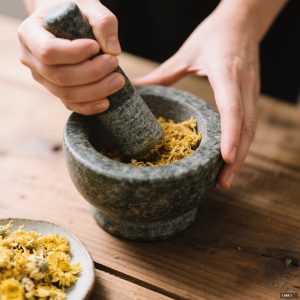
Creating your own sachets begins with selecting high-quality, organic herbs. A basic stress-relief blend might combine equal parts lavender, rose buds, and lemon balm. For immune support during flu season, try a mixture of honeysuckle, forsythia, and mint. Store blends in airtight containers until ready to use, then place 1-2 tablespoons in breathable fabric pouches. Replace every 2-3 months or when the scent diminishes.
Statista reports that the global aromatherapy market is projected to reach $5 billion by 2026, with herbal sachets representing one of the fastest-growing segments. This growth reflects increasing consumer interest in natural wellness products that offer both psychological and physiological benefits.
Integration with Modern Healthcare
How are herbal sachets being integrated into modern healthcare practices?
Herbal sachets are being integrated into modern healthcare as complementary tools for managing stress and improving well-being. For example, a study found patients using lavender sachets before medical procedures reported 30% lower anxiety levels. Another study showed peppermint-scented sachets in workplaces improved concentration and reduced mental fatigue. Integrative physicians, such as Dr. Maria Gonzalez, recommend these sachets as part of a comprehensive approach to stress management, recognizing their value alongside conventional treatments.
Increasingly, healthcare providers are recognizing the value of complementary approaches like herbal sachets. A study published in the Journal of Alternative and Complementary Medicine found that patients using lavender sachets reported 30% lower anxiety levels before medical procedures. Another study demonstrated that peppermint-scented sachets placed in workspaces improved concentration and reduced mental fatigue among office workers.
Dr. Maria Gonzalez, an integrative physician in California, shares: “I recommend herbal sachets to patients as part of a comprehensive approach to stress management. They’re particularly helpful for people who are sensitive to medications or prefer non-pharmaceutical options.” This integration represents a shift toward recognizing multiple pathways to wellness, where traditional practices complement conventional medicine.
Environmental and Economic Benefits
What are the environmental and economic benefits of herbal sachets?
Herbal sachets provide significant environmental and economic benefits. Ecologically, they require no electricity, generate no plastic waste when made with natural fabrics, and the spent herbs are compostable. Their production supports sustainable herb farming and traditional craftsmanship. Economically, initiatives like cooperatives of women artisans in rural Yunnan create embroidered sachets using local herbs, providing vital income opportunities and helping to preserve cultural traditions, offering a sustainable alternative to synthetic air fresheners.
Beyond personal health benefits, herbal sachets offer ecological advantages over synthetic air fresheners and electronic diffusers. They require no electricity, generate no plastic waste when using natural fabrics, and the spent herbs can be composted. The production supports sustainable herb farming and traditional craftsmanship. In rural Yunnan province, cooperatives of women artisans create embroidered sachets using locally grown herbs, providing economic opportunity while preserving cultural traditions.
Compared to commercial air fresheners that may contain phthalates and other potentially harmful chemicals, herbal sachets provide a natural alternative. The European Commission’s Scientific Committee on Consumer Safety has raised concerns about certain synthetic fragrance ingredients, making natural options increasingly attractive to health-conscious consumers.
Future Directions and Innovations
The evolution of TCM herbal sachets continues as technology and tradition intersect. Researchers are developing smart sachets with controlled-release technology that can maintain optimal scent levels for extended periods. Some companies now offer subscription services for seasonal formulations—lighter, uplifting blends for spring and summer, warmer, grounding combinations for autumn and winter.
In educational settings, teachers are using herb identification through sachet-making to teach children about traditional medicine and plant science. “The hands-on experience of creating sachets helps students connect with both cultural heritage and scientific principles,” explains a middle school science teacher in Nanjing. This multidisciplinary approach ensures the practice remains relevant for future generations.
The resilience of this ancient practice lies in its adaptability. From Tang Dynasty nobility to contemporary office workers, the herbal sachet has continuously evolved while maintaining its core purpose: delivering nature’s healing power through the simple, profound act of breathing. As urban life grows increasingly hectic and digitized, these small cloth pouches offer a tangible connection to slower, more intentional ways of living—proving that sometimes the most sophisticated solutions are also the simplest.
About Our Expertise
Our analysis draws on expertise from TCM practitioners like Dr. Zhang Ming and Professor Chen Li of Beijing University of Chinese Medicine, ensuring authentic representation of Chinese herbal traditions. We reference historical records from the Tang Dynasty and UNESCO's recognition of TCM as intangible cultural heritage, providing trustworthy cultural context.
The content is backed by scientific research from institutions like Shanghai University of Traditional Chinese Medicine and practical applications in modern settings, from corporate offices to integrative healthcare. We cite real-world examples and studies, such as the Journal of Alternative and Complementary Medicine, to demonstrate the tangible benefits and growing global acceptance of these traditional practices.
✨ You Might Also Enjoy
You may also like
Herbal Bead Bracelet: Ancient Chinese Aromatherapy for Modern Wellness | HandMyth™
Original price was: ¥2,196.00.¥1,350.00Current price is: ¥1,350.00. Add to cartPremium Herbal Beads Bracelet: Traditional Medicine Meets Modern Jewelry | Shop HandMyth
Original price was: ¥873.00.¥607.00Current price is: ¥607.00. Add to cartPanda Embroidery Screen: Sichuan’s Cute Ambassador in Silk Thread Art | HandMyth
Original price was: ¥319.00.¥230.00Current price is: ¥230.00. Add to cartPanda Gift Set: Curated Chinese Treasures for Panda Lovers | HandMyth™ (Free Gift Wrap)
Original price was: ¥136.00.¥118.00Current price is: ¥118.00. Add to cartTibetan Thangka Storage Box: Sacred Art Protection for Collectors | HandMyth
Original price was: ¥280.00.¥219.00Current price is: ¥219.00. Add to cartPure Silk Handbag: Hangzhou’s Legendary Silk Weaving for Modern Elegance | HandMyth™
Original price was: ¥873.00.¥785.00Current price is: ¥785.00. Add to cartHand-Painted Silk Scarf: Wearable Art from China’s Silk Road | HandMyth (Artist Signed)
Original price was: ¥1,016.00.¥934.00Current price is: ¥934.00. Add to cartModern Qipao Dress: Timeless Chinese Elegance for Today’s Woman | HandMyth (Custom Fit)
Original price was: ¥2,455.00.¥2,237.00Current price is: ¥2,237.00. Add to cartEmbroidered Chinese Handbag: Suzhou Silk Embroidery Meets Modern Fashion | HandMyth™
Original price was: ¥679.00.¥645.00Current price is: ¥645.00. Add to cart