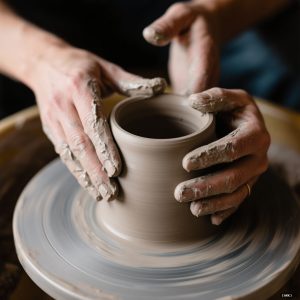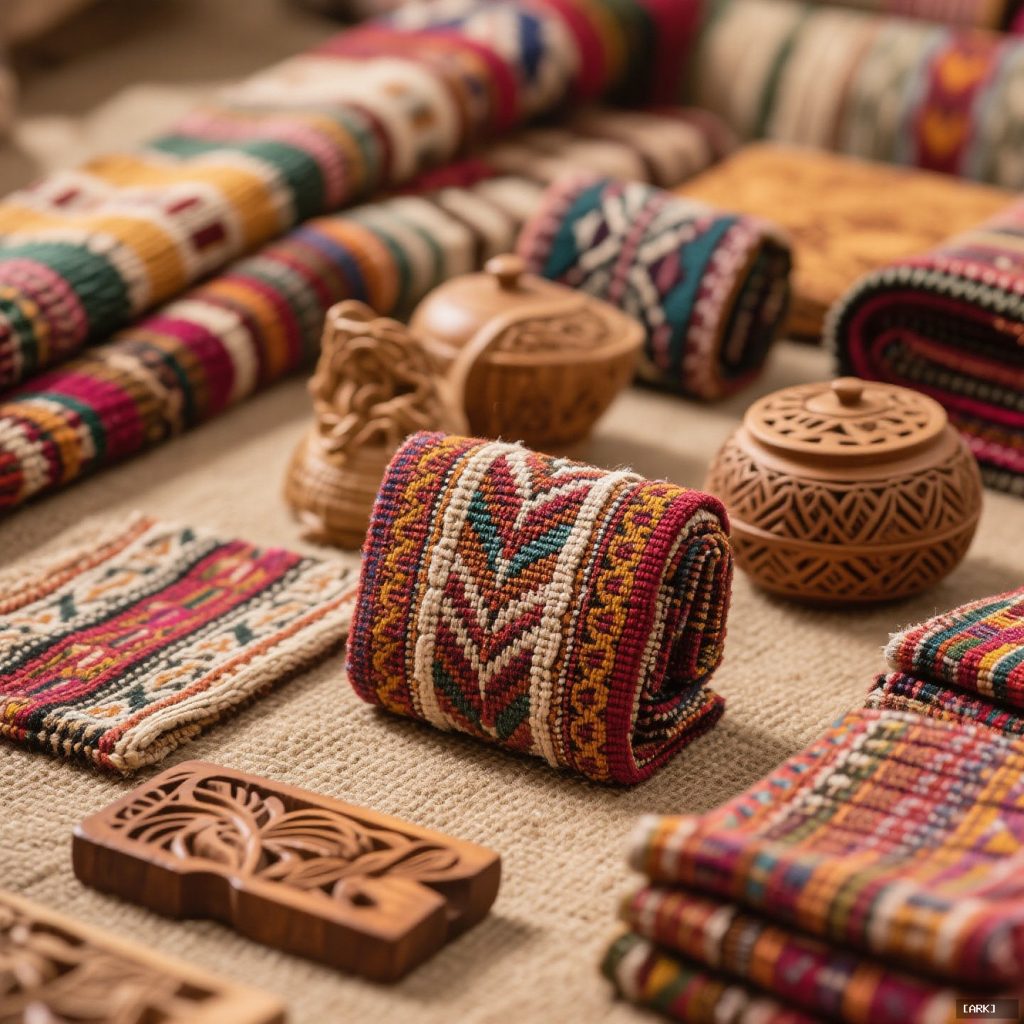
The market for cultural heritage products is undergoing a quiet revolution. These objects, from handwoven textiles to carved wooden artifacts, are no longer confined to museum shops or tourist stalls.
They are finding new audiences, new purposes, and facing new questions about their place in our world. This shift is driven by a collective yearning for substance in an increasingly digital and homogenized age. We are reaching for things that bear the marks of human hands, that carry whispers of history, and that offer a tangible counterpoint to the swipe-and-scroll of modern life.
The New Craving: Beyond the Screen
Look around your own home. Chances are, amidst the mass-produced furniture and big-box store decor, there’s an object that feels different. A ceramic mug with a slightly uneven rim. A blanket with a complex, colorful pattern. A wooden spoon darkened with use.
These items stand out because they are not perfect. They have texture, weight, and a story. This desire for the tactile and the storied is the engine behind the growing demand for genuine handicrafts. It’s a conscious, often deeply personal, reaction to digital saturation. When so much of our existence is mediated through flat, glowing screens, the physicality of a hand-coiled pot or the intricate detail of needlepoint becomes profoundly satisfying.
This isn’t merely about aesthetics. It’s about connection. For younger buyers especially, purchasing a traditional artifact is an act of conscious consumption. They aren’t just buying a thing; they are buying into a narrative. They want to know who made it, where it came from, and what techniques were used. The object becomes a bridge—a conversation starter about culture, sustainability, and skill. The folk art on the shelf is no longer a silent ornament; it’s proof of a living tradition.
The Living Collection: From Display Case to Dinner Table
This new mindset has fundamentally altered the collector’s ethos. The archetype of the collector who acquires pristine pieces only to lock them away in a cabinet is fading. In its place is a new enthusiast who wants to live with cultural heritage products.
Imagine using a hand-thrown Japanese raku bowl for your morning tea, feeling its rough texture against your palms. Or sleeping under a brilliantly patterned Oaxacan mix every night. This “living collection” philosophy values utility and daily interaction over distant admiration. The maker’s fingerprint—a slight asymmetry, a variation in glaze—is celebrated as proof of its humanity, not dismissed as a flaw.
This shift pressures artisans and the market in fascinating ways. There’s a growing demand for durability and function alongside beauty. A sculpture is one thing; a sculpture that can also serve as a sturdy, beautiful stool is another. Artisans are increasingly asked to create works that can withstand the rigors of daily life, merging centuries-old techniques with modern needs. This isn’t a dilution of tradition; it’s its evolution, ensuring these skills remain relevant and integrated into the contemporary world.
The Authenticity Crisis: More Than Just Fakes
With rising demand comes increased risk. The greatest threat to the world of traditional artifacts isn’t always the blatant forgery. It’s the grey area of dilution.
Walk into any large home decor store and you might see “tribal” prints on factory-made pillows or “ethnic-inspired” motifs stamped onto machine-produced vases. Is this authentic? The design may reference a cultural tradition, but severed from its context, materials, and skilled making, the meaning evaporates. What remains is an empty aesthetic—a style commodified and stripped of its soul.
This commodification is the more insidious challenge. It confuses consumers, undermines the economic viability of true artisans, and reduces rich cultural symbols to mere decoration. When a sacred pattern becomes a trendy wallpaper, something vital is lost. The fight for authenticity, therefore, isn’t just about spotting fakes; it’s about educating ourselves and others to recognize and value the profound difference between cultural inspiration and cultural appropriation, between a story told through skill and a design copied for profit.
The Detective Work: Verifying an Artifact’s Story
So, how can you, as a buyer, navigate this complex landscape? It requires embracing the role of part-time researcher. The key is provenance—the documented history of an object’s process from maker to you.
Vague descriptions are a major red flag. An item listed simply as an “African mask” tells you almost nothing. It’s a generic label that obscures more than it reveals. A credible description, however, reads like a short story: “A Dan peoples mask from Côte d’Ivoire, carved from a single piece of sacred *tie* wood, using an adze and knife, and stained with natural pigments.”
This level of detail is your starting point. A reputable seller should be able to provide the artisan’s name (or at least their community), the specific materials used, and the techniques employed. They should speak to the item’s cultural significance, not just its dimensions and price. Your job is to ask these questions. Your curiosity is the first line of defense against the grey market and the most powerful tool for supporting genuine cultural heritage products.
An Unlikely Influence: The Sound of Craft
One of the most non-obvious forces shaping this market comes not from visual media, but from our ears. The explosive growth of podcasts and audiobooks has created a new pathway to appreciation.
Think about it. While commuting or cooking, you might listen to a deep-dive series on the history of Navajo weaving or an interview with a master Japanese sword polisher. You hear the potter describe the resistance of the clay, the weaver talk about foraging for plants to create dyes, the blacksmith explain the song of the hammer. These audio narratives build an emotional and intellectual blueprint in your mind.
Later, when you encounter a physical textile, ceramic, or blade, you don’t just see an object. You hear the stories. You understand the layers of effort and knowledge. This “sound-to-object” pathway creates a deeply informed and motivated buyer. It bypasses traditional visual marketing, which often sells a *look*, and instead sells the *story* and the *process*. The object becomes the satisfying conclusion to a narrative you’ve already begun to absorb.
The Future: Hybrid Identities and Clearer Choices
Where is all this heading? The future of folk art and traditional artifacts lies in hybrid identities and a more stratified, transparent market.
We will see more collaborations that respectfully bridge tradition and contemporary life. Imagine a master basket weaver from the Philippines working with a Scandinavian furniture designer. The result honors the intricate, centuries-old weaving technique but applies it to a modern lamp or chair form. These collaborations are not a betrayal of tradition; they are a dialogue that ensures its survival and relevance.
The market itself will likely split into more defined tiers. At one end, you will have the ultra-rare, meticulously documented heritage pieces, destined for serious museums and specialized collectors. At the other, a vibrant, growing sector of accessible, ethically-made contemporary craft for everyday enthusiasts who want to live with beauty and meaning. The middle ground—the vast sea of generic, mass-produced “ethnic” decor—will hopefully shrink as consumer education grows. The choice will become clearer: buy a cheap, anonymous imitation, or invest in a real cultural heritage product with a name, a story, and a soul.
Your Practical Checklist
Before you buy a traditional artifact, run through these questions:
- Who made this? Can the seller name the artisan or their community? Anonymity is a warning sign.
- What is it made from? Are the materials traditional and locally sourced? A “traditional” mask made of plastic resin misses the point.
- How was it made? Was the authentic, skill-intensive technique used? Machine-printed “batik” is not batik.
- What’s the story? Does the seller explain the cultural context and significance, or do they only talk about the price and shipping?
- What is its purpose? Is it meant to be used and lived with, or is it purely a decorative object? The answer informs its value and care.
Navigating Common Concerns
Is it ethical to buy cultural heritage products? It can be, when done thoughtfully. The goal should be to support living artisans and their communities. Focus on purchasing contemporary craft made specifically for the market, rather than historical artifacts that may have been removed from their cultural context without consent. Look for fair-trade certifications or sellers who have direct relationships with artisan cooperatives.
How do I care for these items? Always ask the seller for specific instructions. Traditional materials like natural dyes, untreated woods, and organic fibers can be sensitive. They may need protection from direct sunlight, extreme humidity, or harsh cleaning chemicals. Proper care honors the object and the work that went into it.
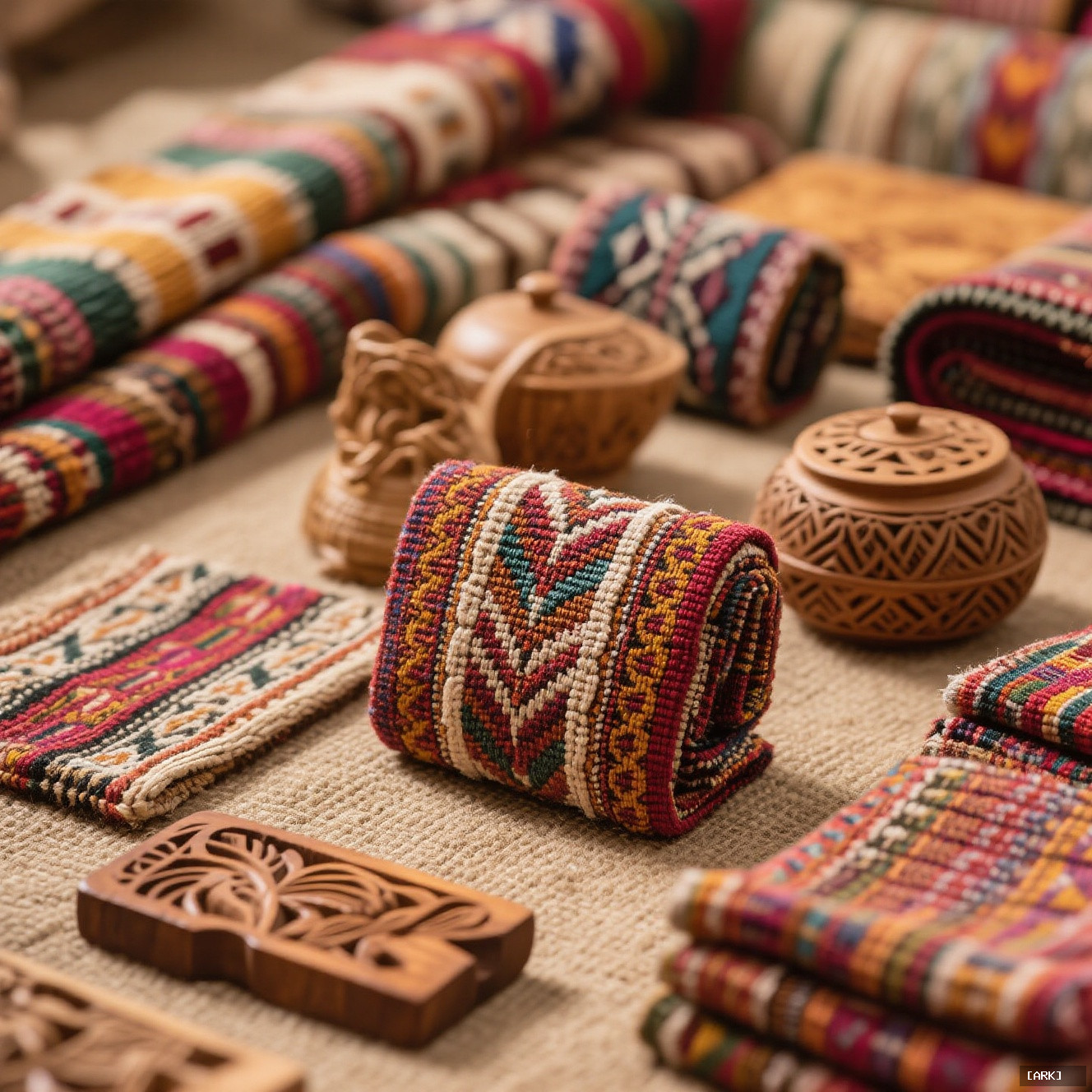
Does a higher price mean it’s more authentic? Not automatically. Price can reflect age, rarity, the renown of the maker, or complex craftsmanship. However, a high price tag on a new item doesn’t guarantee ethical sourcing or cultural integrity. Conversely, a very low price for a supposedly handcrafted, intricate item should raise questions. Let your research, not just the price, guide your judgment.
Sources & Further Reading
- UNESCO Intangible Cultural Heritage – Lists and Statistics
- U.S. Bureau of Economic Analysis: Arts and Cultural Production Satellite Account
- World Intellectual Property Organization – Traditional Knowledge
- The Getty Conservation Institute: Authenticity in Conservation
- American Craft Council: Why Craft Matters
About Our Expertise
Drawing from years of expertise in Chinese traditional arts, we understand the delicate balance between preserving heritage and adapting to modern markets. This article reflects our deep knowledge of craftsmanship, materials, and cultural narratives, ensuring accurate insights into the global landscape of cultural heritage products.
As a trusted source on Chinese culture, we emphasize ethical practices and authenticity, guiding readers to make informed choices that respect artisans and traditions. Our commitment to education and transparency helps foster appreciation for genuine cultural heritage, supporting sustainable and meaningful consumption.
✨ You Might Also Enjoy

You may also like
Herbal Bead Bracelet: Ancient Chinese Aromatherapy for Modern Wellness | HandMyth™
Original price was: ¥2,199.00.¥1,352.00Current price is: ¥1,352.00. Add to cartPremium Herbal Beads Bracelet: Traditional Medicine Meets Modern Jewelry | Shop HandMyth
Original price was: ¥874.00.¥608.00Current price is: ¥608.00. Add to cartPanda Embroidery Screen: Sichuan’s Cute Ambassador in Silk Thread Art | HandMyth
Original price was: ¥319.00.¥230.00Current price is: ¥230.00. Add to cartPanda Gift Set: Curated Chinese Treasures for Panda Lovers | HandMyth™ (Free Gift Wrap)
Original price was: ¥136.00.¥118.00Current price is: ¥118.00. Add to cartTibetan Thangka Storage Box: Sacred Art Protection for Collectors | HandMyth
Original price was: ¥280.00.¥219.00Current price is: ¥219.00. Add to cartPure Silk Handbag: Hangzhou’s Legendary Silk Weaving for Modern Elegance | HandMyth™
Original price was: ¥874.00.¥786.00Current price is: ¥786.00. Add to cartHand-Painted Silk Scarf: Wearable Art from China’s Silk Road | HandMyth (Artist Signed)
Original price was: ¥1,017.00.¥935.00Current price is: ¥935.00. Add to cartModern Qipao Dress: Timeless Chinese Elegance for Today’s Woman | HandMyth (Custom Fit)
Original price was: ¥2,459.00.¥2,240.00Current price is: ¥2,240.00. Add to cartEmbroidered Chinese Handbag: Suzhou Silk Embroidery Meets Modern Fashion | HandMyth™
Original price was: ¥680.00.¥646.00Current price is: ¥646.00. Add to cart