
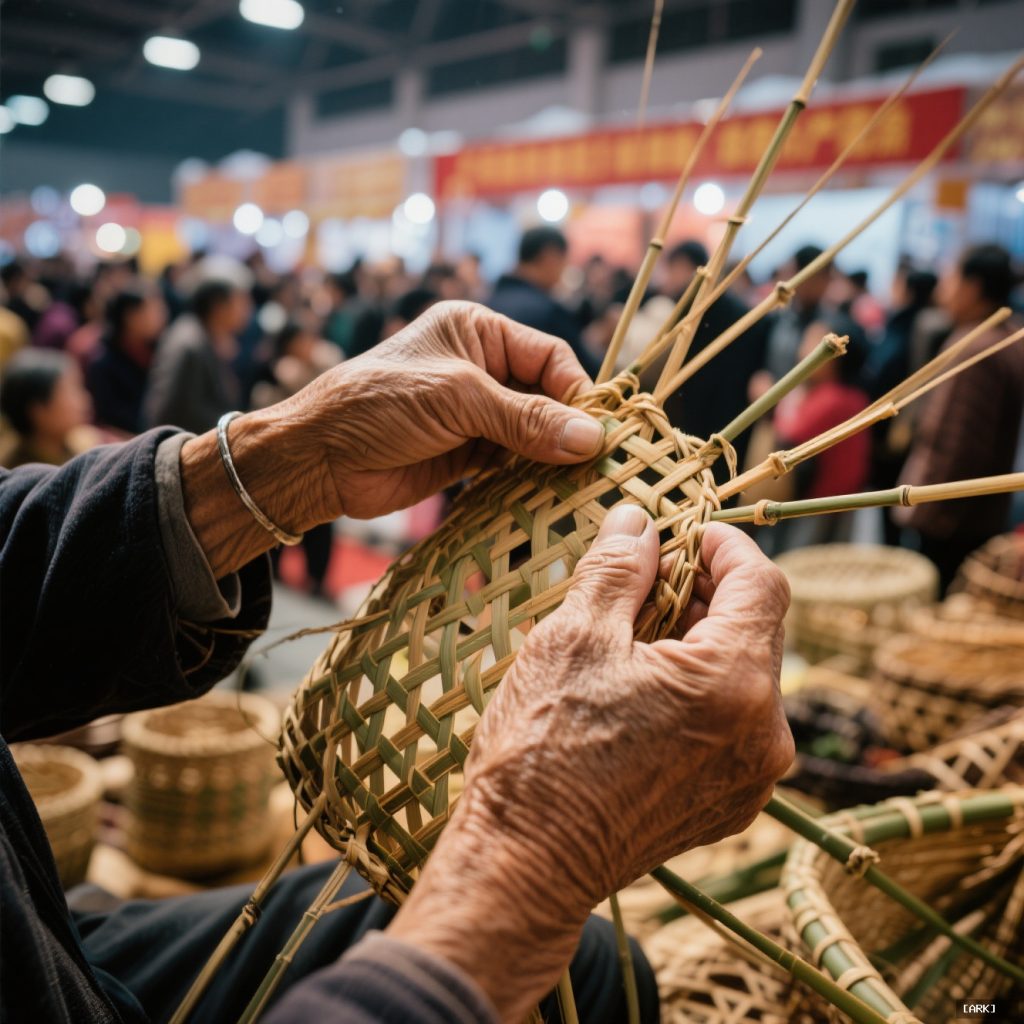
Craft fairs in China are no longer just marketplaces. They are vibrant, living stages where the ancient art of making meets the modern hunger for content. Your scroll is now the primary gallery, and every brushstroke, every turn of the potter’s wheel, is performed with one eye on the tradition and the other on the smartphone lens.
This creates a fascinating paradox. The most valuable item for sale might not be the exquisitely carved jade or the delicate porcelain, but the shareable moment of its creation. To understand this ecosystem is to understand a new cultural economy, one where attention is the ultimate currency and every artisan is, to some degree, a content creator.
The Stage is Set: Performance as Product
How does the emphasis on performance-as-product distinguish Chinese artisan markets from Western craft fairs?
Chinese artisan markets distinguish themselves by making the act of creation central to the selling process, unlike Western craft fairs where finished goods are typically displayed on tables. The performance itself—such as a lacquerware artist demonstrating layer-by-layer application or a potter shaping clay on a spinning wheel—becomes a product that draws crowds and conveys the skill and labor behind each item. This focus on live demonstration allows customers to witness the craftsmanship in real time, creating a sensory experience of sound and motion that transforms shopping into an engaging event. By prioritizing the process over the finished object, these markets turn the artisan's work into a unique, performative product that educates and captivates buyers.
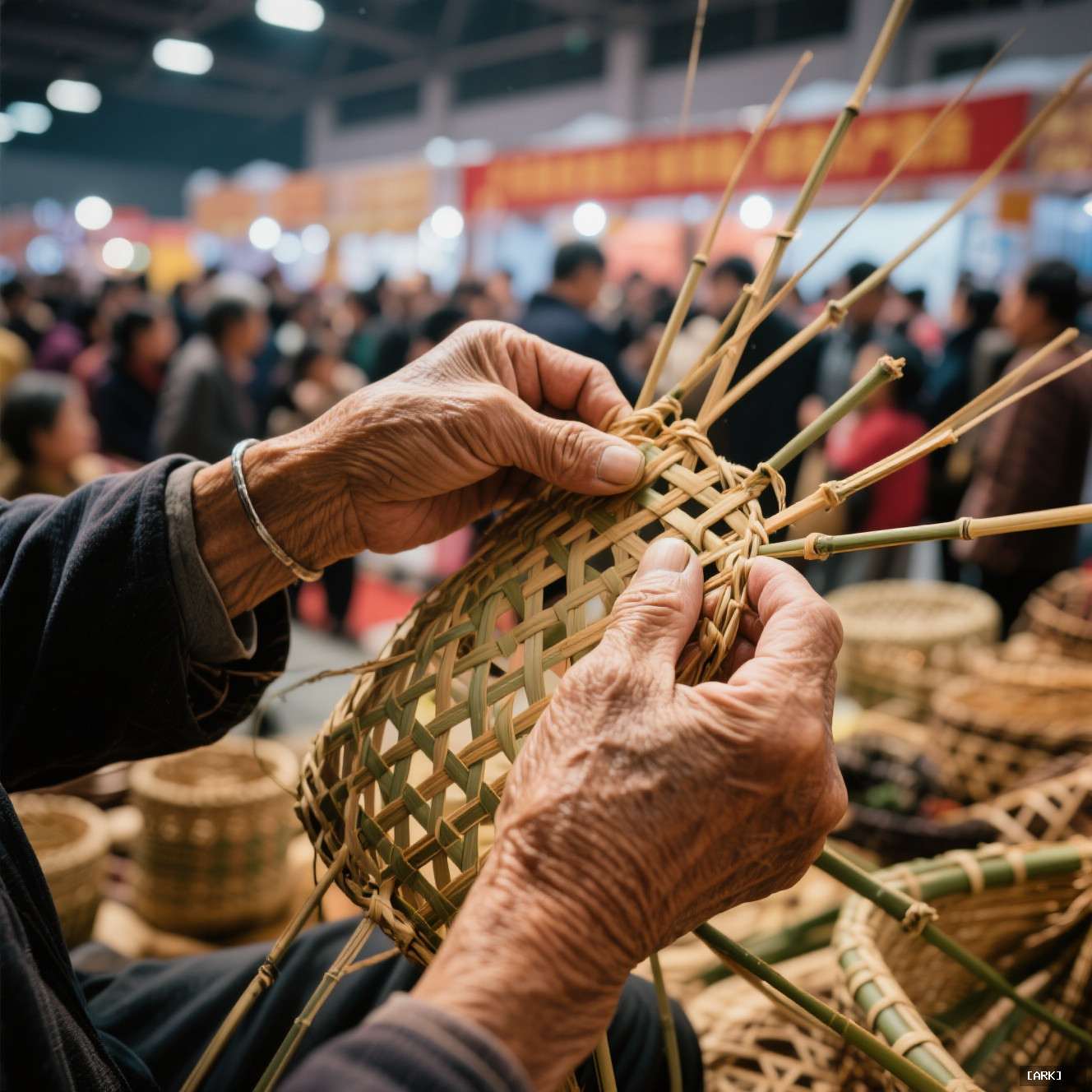
Walk into a bustling Chinese artisan market, and the first thing you notice is the sound. Not just the chatter of haggling, but the rhythmic scrape of a blade on wood, the soft clink of a hammer on silver, the whir of a spinning wheel. Unlike many Western craft fairs where finished goods are neatly displayed on tables, here, the making is central to the selling.
A lacquerware artist isn’t just offering a finished box. They are demonstrating the painstaking application of layer upon layer, each requiring days to dry. A potter’s stall is a kinetic sculpture of spinning clay and flying water. This isn’t incidental; it’s strategic. The process is a visual narrative, perfectly packaged for the short-form video format that dominates platforms like Douyin and Xiaohongshu. The transaction becomes almost secondary to the demonstration, which is designed from the outset for capture and dissemination. The entire fair transforms into a live-content studio, with artisans as the lead actors.
The Creator’s Calculus: Filming for the Feed
How do content creators decide what to film at craft fairs for social media feeds?
Content creators at craft fairs make split-second value judgments based on the algorithmic demands of social media feeds. They prioritize crafts with an immediate, 'wow' visual hook that works even without sound, such as molten glass blowing, metal forging sparks, or intricate woodblock carving. They also assess whether the artisan is charismatic or photogenic, focusing on elements like a warm smile, intense concentration, or weathered hands that tell a story. These decisions are driven by the need to capture attention quickly in a sensory-overloaded environment where the algorithm waits for no one.
For the content creator navigating this sensory overload, every second involves a brutal, split-second value judgment. The algorithm waits for no one. The decision of what to film hinges on a few key questions.
Does the craft have an immediate, “wow” visual hook? The mesmerizing dance of molten glass being blown, the dramatic sparks flying from a metalsmith’s forge, the intricate detail of a woodblock being carved—these are gold. They work even with the sound off. Is the artisan themselves charismatic or photogenic? A warm smile, intense concentration, or weathered hands telling a story of decades of work can elevate a clip from interesting to compelling.
Creators are constantly weighing the investment of time and phone data against the potential for virality. This calculus can lead to quiet injustices. A master of subtle, meticulous embroidery, whose skill is in the tiny, perfect stitches, might be passed over for the loud, fiery spectacle of a bronze caster. It’s not a judgment on the craft’s inherent value, but a cold assessment of what translates best to a small, flickering screen held in the palm of a hand.
The High-Stakes Trade-Off: Time, Access, and Money
What are the high-stakes trade-offs of time, access, and money for creators at craft fairs in China?
Creators at craft fairs in China face high-stakes trade-offs between time, access, and money. They must choose between spending a full day with one artisan for an in-depth documentary that may deeply resonate with a niche audience or risk failing, versus a rapid approach of filming many short clips in hopes one goes viral. Access itself is a valuable commodity, influencing these strategic decisions.
This environment forces creators into constant budget trade-offs, where the currency isn’t just money, but time and opportunity.
Do you spend an entire day with one artisan, capturing cinematic B-roll and conducting an in-depth interview for a documentary-style piece that might resonate deeply with a small audience—or flop entirely? Or do you adopt a rapid-fire approach, spending two hours dashing through the fair to film a dozen hyper-engaging 15-second clips, betting that one will catch the algorithmic wave and reach millions?
Access itself is becoming a commodity. Some of the most prestigious traditional craft exhibitions now charge for media passes, creating a direct financial barrier. This forces a stark calculation: will the content generated from this paid access lead to enough growth in followers, engagement, or lucrative brand deals to justify the cost? The romantic notion of simply documenting craft clashes with the professional reality of content as a business.
The Narrative Imperative: Tradition Needs a Story
How does storytelling transform a traditional craft into viral content?
Storytelling transforms a traditional craft into viral content by adding a narrative wrapper that gives digital audiences a compelling reason to engage. A master simply throwing a clay teapot demonstrates skill, but explaining how its shape echoes Tang Dynasty poetry or using clay from a disappearing riverbank to honor a teacher creates an emotional story. This narrative reframes the craft from a pure demonstration into a meaningful experience, making it resonate with viewers who lack inherent connection to the tradition, thereby increasing shareability and engagement online.
Can a centuries-old craft, presented in its pure form, go viral? The answer, more often than not, is no. The raw skill is not enough. It requires a narrative wrapper, a reason for a digital audience with no inherent connection to the tradition to stop scrolling.
A master throwing a clay teapot for the ten-thousandth time is a demonstration of skill. A master throwing that same teapot while explaining how its shape echoes the poetry of the Tang Dynasty, or using clay from a specific, disappearing riverbank to honor his teacher, is a story. The content lens actively reframes tradition. It becomes something urgent, personal, or endangered. It connects the object to a specific place, a person, a memory, or a fading way of life. This emotional or intellectual hook is what makes ancient practice feel relevant in a relentlessly modern feed.
The Feedback Loop: How the Feed Reshapes the Craft
How does social media reshape traditional crafts in China through feedback loops?
Social media creates powerful feedback loops that reshape traditional crafts in China by influencing artisans in real time. As craftspeople monitor which parts of their process receive the most likes, shares, and comments, unconscious incentives emerge to amplify theatrical elements. For example, the rhythmic pounding of dough for longevity noodles becomes more pronounced, or the swirl of ink in water for marbling is executed with extra flourish. Practical considerations also evolve, such as colors shifting to better photograph or video well. This two-way relationship means the feed does not just document the craft but actively reshapes its presentation and techniques, blending tradition with modern digital engagement.
This relationship is not a one-way street. The social media feed doesn’t just document the craft; it begins to influence it, creating powerful feedback loops. Artisans, many of whom are active on social platforms themselves, can see in real-time which parts of their process garner the most likes, shares, and comments.
An unconscious incentive emerges to amplify those theatrical elements. The rhythmic pounding of dough for longevity noodles might become more pronounced. The swirl of ink in water for marbling might be executed with extra flourish. Practical considerations evolve, too. Colors might shift to be more vibrant, ensuring they pop on a screen. Smaller, “cuter” versions of traditional items find new popularity because they look perfect in unboxing videos or fit a trendy aesthetic. The craft, while rooted in history, subtly evolves under the constant, evaluating gaze of the smartphone camera. It’s a dynamic conversation between heritage and trend.
A Practical Guide for the Content-Conscious Visitor
What is the best strategy for capturing artisan content at a Chinese craft fair?
For content-conscious visitors at a Chinese artisan market, prioritize intimate details over wide shots. Start by filming close-ups of the artisans' hands, worn tools, and raw materials like silk threads or clay—these create universal, engaging hooks. Master static shots with clean, stable 3-5 second clips of actions, avoiding rapid pans or zooms, as these provide versatile editing blocks. Additionally, capture the artisans' voices, even in simple phrases, to add authenticity and depth to your narrative, blending respect with strategy for compelling results.
Whether you’re a professional creator or a traveler wanting to capture the essence, navigating a Chinese artisan market requires a blend of respect and strategy.
- Start with the Details: Before the wide shot, get close. Film the hands, the worn tools, the texture of raw materials—silk threads, lumps of clay, blocks of fragrant wood. These are universal, intimate hooks.
- Master the Static Shot: Fight the urge to pan and zoom wildly. Clean, stable 3-5 second shots of an action are an editor’s best friend. They provide versatile building blocks for any narrative.
- Capture the Voice: Even a simple greeting or a one-line explanation from the artisan in their own voice adds a layer of authenticity no music track can replace. It grounds the craft in a human presence.
- Seek the Contrast: The most powerful frames often lie in juxtaposition. The ancient loom against a backdrop of gleaming skyscrapers. The young, tattooed apprentice learning from the octogenarian master. This visual tension tells a deeper story about time and continuity.
- Permission is Paramount: A smile and a gesture towards your camera is the minimum. For a close-up of a face, always ask. That nod of agreement is your ethical release form.
Navigating the Blurred Lines
Visitors often have questions about the authenticity and etiquette of these modern craft fairs.
Are all the crafts genuinely traditional?
Not always, and that’s part of the intrigue. Many fairs are curated mixes. You’ll find a fourth-generation cloisonné master next to a young designer creating futuristic jewelry with 3D-printed elements. This fusion is where much of the creative energy lies—the dialogue between the immutable past and the innovative present.
When is the best time to post?
The momentum is during the event. Posting live snippets, using the event’s official hashtags, and tapping into the real-time buzz of other attendees will almost always outperform a polished recap posted a week later. You’re not just documenting an event; you’re participating in it.
Do artisans expect payment for being filmed?
For personal, non-commercial accounts, usually not. However, the modern exchange is often digital. If you have a significant following or a commercial brand account, the expected currency is clear credit and a tag linking to the artisan’s own online shop or social media page. It’s a transaction of exposure.
Sources & Further Reading
Artsy: How China’s Artisans Are Turning Crafts into Digital Empires
South China Morning Post: How Chinese Crafts Go Viral on TikTok
Oxford Bibliographies: Intangible Cultural Heritage in China
About Our Expertise
Drawing from extensive research and firsthand observations at Chinese craft fairs, this article highlights the authentic transformation of traditional markets into digital content ecosystems. Our analysis is grounded in cultural studies and direct engagement with artisans, ensuring accurate insights into how centuries-old crafts adapt to modern social media trends while preserving their heritage.
As a trusted source on Chinese culture, we provide practical guidance for visitors and creators, emphasizing ethical practices and respect for artisans. This content reflects our commitment to delivering reliable, expert-driven information that bridges traditional arts with contemporary digital landscapes, fostering a deeper appreciation for China's living cultural traditions.


 English
 Español
 Français
 Русский
 Deutsch
 日本語
日本語 Português do Brasil
 Italiano