
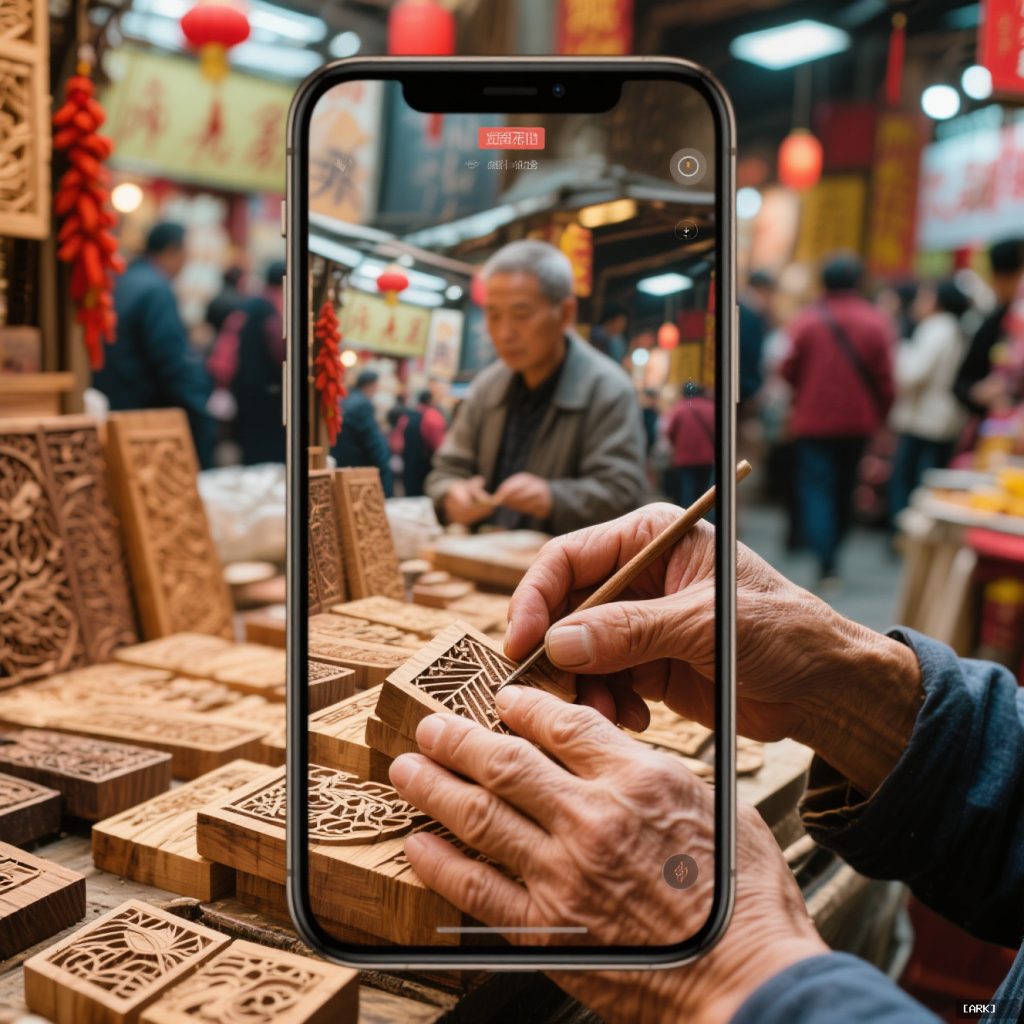
Craft fairs in China have become something far more dynamic than simple marketplaces. They are now immersive stages for a digital-first culture, where the creation of content is as vital as the exchange of goods. This evolution from commerce to curated experience is fundamentally reshaping the nation’s artisan landscape.
Walk into a contemporary Chinese artisan market, and you’re not just entering a space to shop. You’re stepping onto a meticulously designed set. Every element, from the vendor’s posture to the spacing between ceramic vases, is considered for its digital potential. The transaction is almost an afterthought, a quiet conclusion to a loud, visual narrative played out on smartphone screens. This isn’t a loss of authenticity; it’s a fascinating adaptation, a new dialect spoken between maker and a global audience.
The Designed Experience: Stalls Built for the Feed
How do craft fair stalls in China design for visual platforms like social media feeds?
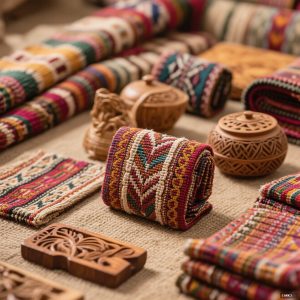
Craft fair stalls in China are deliberately designed for vertical social media feeds, with vendors and organizers prioritizing platform aesthetics over traditional display. Clutter is removed from view, and products are arranged in monochromatic clusters or serene gradients—such as saffron-dyed silks or celadon ceramics—to create instant visual themes. This strategy helps the stalls survive in fast-scrolling feeds, where the physical space acts as a prototype for its digital translation. The design philosophy extends beyond static arrangements, ensuring that every stall captures attention quickly and translates beautifully into shareable, vertical content.
Why do these events photograph so beautifully? The answer lies in a shared, intuitive understanding of platform aesthetics. Vendors and organizers design for the vertical frame. Clutter is banished off-camera. Products are arranged in monochromatic clusters or serene gradients—a cascade of saffron-dyed silks, a spectrum of bluish-green celadon—creating instantly graspable visual themes. This isn’t accidental. It’s a strategy for survival in feeds where users scroll faster than they blink. The physical space is a prototype for its digital translation.
This design philosophy extends beyond static beauty. Pathways are wider to accommodate someone filming a slow-motion walk-through. Lighting is soft and even, flattering both the product and the inevitable selfie. The booth itself becomes a character, a recognizable backdrop that followers come to associate with a specific artisan’s brand. It’s retail design, but the end product isn’t just a sold item; it’s a saved, shared, and liked piece of content.
The Viral Grammar: Process as the Ultimate Hook
Why is the process the most engaging hook for craft videos on social media?
The process becomes the most engaging hook because it transforms a static object into a dynamic, sensory narrative. In craft videos on platforms like Douyin and Xiaohongshu, the slow, tangible act of making—such as shaving bamboo or snip-paper—captivates viewers who are surrounded by disposable digital goods. This efficient storytelling communicates skill, tradition, and human effort in under sixty seconds, making the creation itself the viral attraction rather than the finished piece.
What makes a craft video explode online? Rarely is it a still shot of the finished piece. The magnetic pull is the process. In a world of disposable digital goods, the tangible, slow-making of something real is captivating. Platforms like Douyin (TikTok) and Xiaohongshu are flooded with sensory snippets: the rhythmic shaving of a bamboo strip, the precise *snip-snip* of paper-cutting scissors, the hypnotic swirl of ink dropped in water for marbling.
These clips are a masterclass in efficient storytelling. In under sixty seconds, they communicate skill, tradition, and human effort. The satisfying, often ASMR-adjacent sounds—the scrape of a plane, the crackle of a glaze cooling—build emotional investment. They bypass language barriers entirely, creating a sense of intimate witness. By the time you see the final carved seal or painted porcelain, you feel a connection to its process. You’re not just buying a bowl; you’re buying a story you’ve already seen unfold.
The Algorithm’s Influence: Reshaping the Craft Canon
How does the algorithm reshape the craft canon at craft fairs in China?
The algorithm reshapes the craft canon by favoring disciplines with visually dramatic, shareable 'making' moments, such as blade forging or glass blowing, which thrive in short video formats. This digital prioritization amplifies crafts with built-in narrative arcs, reshaping what gets attention and success at craft fairs. Conversely, slower, less photogenic techniques like natural dye fermentation or hand-spinning struggle for visibility, as they lack the same digital oxygen. This algorithmic influence actively determines which crafts are celebrated, potentially marginalizing subtler, labor-intensive traditions and altering the broader craft landscape in China.
This content-first ecosystem actively shapes what crafts thrive. Shareability favors disciplines with a clear, visually dramatic “making” moment. Think of the transformative flash of a blade being forged, the intricate dance of fingers tying a complex macramé knot, or the mesmerizing flow of molten glass. These processes have a built-in narrative arc perfect for short video.
Conversely, slower, subtler, or less photogenic techniques can struggle for the same digital oxygen. The delicate, days-long process of natural dye fermentation or the patient, repetitive work of hand-spinning thread may not offer the same immediate visual payoff. This has a non-obvious consequence: it’s driving a curated revival. Ancient arts with high visual drama, like gold-thread embroidery or intricate cloisonné, are experiencing a new wave of popularity precisely because their breathtaking detail shines on a high-resolution screen. The algorithm, in its own way, is becoming a curator of cultural heritage, favoring crafts that make history look dazzlingly contemporary.
The Artisan as Creator: Building a Digital Legacy
How do craft fair vendors in China build a digital legacy?
Successful craft fair vendors in China build a digital legacy by blending their artisan skills with content creation. Their stall functions as a live filming studio, and their social media account serves as the core of their business, not an afterthought. They craft a daily narrative around practice, failures, inspirations, and personality. The craft fair is vital for gathering B-roll, meeting followers in person, and seeding content that sustains weeks of engagement. While fair sales are important, the primary value lies in cultivating a digital audience that represents a lasting legacy beyond the event.
Today’s most successful vendors are hybrid creatures: master craftsperson and savvy content creator. A potter’s stall is also a live filming studio. Their companion social media account isn’t an afterthought; it’s the central pillar of their business. They build a narrative around their daily practice, their failures, their inspirations, and their personality. The craft fair is a critical event for gathering B-roll, meeting followers face-to-face, and seeding content that will sustain engagement for weeks.
The sale at the fair is important, but it’s the digital audience built there that represents the real long-term asset. This direct channel, cultivated through consistent, authentic content, frees artisans from the uncertainty of seasonal markets. They can announce new work, take custom orders, and build a community of patrons from across the country, all from their workshop. The relationship shifts from a one-time transaction to an ongoing conversation.
The Visitor’s Role: Enthusiastic Co-Creator and Amplifier
What is the visitor's role at craft fairs in China?
At craft fairs in China, the visitor's role has evolved into that of an enthusiastic co-creator and amplifier. Rather than being a passive observer, you are now an unpaid content creator who actively crafts and shares experiences. Vendors encourage this by designing interactive displays, such as textured fabric walls or hands-on craft stations, to prompt you to film and photograph. Your primary goal is to capture a perfect post that communicates your curated taste and experience, effectively performing for your audience while supporting the fair's visibility.
As a visitor, your role has expanded. You are an unpaid but enthusiastic content amplifier. The experience is now inherently performative. You don’t just watch a demo; you frame it in your camera, ensuring the light is right. You don’t just taste a local honey; you film the jar against the rustic wood of the stall. The implicit goal is to capture a perfect post that communicates your own curated taste and experience.
Savvy fair organizers and vendors actively encourage this. They design touch-friendly, interactive displays—a wall of textured fabrics to feel, a station to try a hand at simple brush strokes. They know a visitor’s post, tagged with their location and handle, provides authentic, peer-driven marketing at a scale they could never afford. Your social network becomes an extension of their marketplace.
Navigating the New Marketplace: A Practical Guide
How can I get the most out of visiting modern craft fairs in China?
To get the most out of modern craft fairs in China, look beyond obvious displays and seek stalls with a strong, coherent visual voice. Notice how artisans compose their spaces and don’t hesitate to ask permission to film a short clip, as most welcome it for promotion—a polite “*keyi ma?*” (可以吗?) suffices. Focus on details like the texture of raw clay, tool movements, and the maker’s concentration. These close-ups capture the heart of the experience, deepening your appreciation whether you’re an enthusiast, creator, or curious observer.
If you’re visiting one of these modern craft fairs in China, whether as an enthusiast, a creator, or a curious observer, a few principles can deepen your experience.
First, look beyond the obvious. Seek out the stalls with a strong, coherent visual voice. Notice how the artisan has composed their space. Don’t be shy to ask permission to film a short clip; most welcome it as promotion. A simple gesture or a polite “*keyi ma?*” (可以吗?) is all you need.
Focus on the details—the texture of raw clay, the movement of a tool, the concentration in the maker’s eyes. These close-ups are the heart of compelling content. Always note and tag the vendor’s social media handle, which is almost always displayed. And remember, film vertically. The platforms where this culture lives are built for it.
For discovery, Xiaohongshu (Little Red Book) is indispensable. It’s the go-to platform for finding niche, aesthetic-driven events, hidden workshops, and specific artisans. Search for terms like “手工市集” (handmade market) or “传统工艺” (traditional craft) alongside your city’s name.
A Symbiosis, Not a Simulacrum
Is this focus on content making craft fairs all style and no substance? The reality is more nuanced. The pressure to be “shareable” is real and can skew visibility toward certain crafts. However, this digital lens has also thrown a spotlight on depths of artistry that might have remained obscure. It has provided a viable economic model for a new generation to pursue traditional skills, connecting them directly with an audience that values their work.
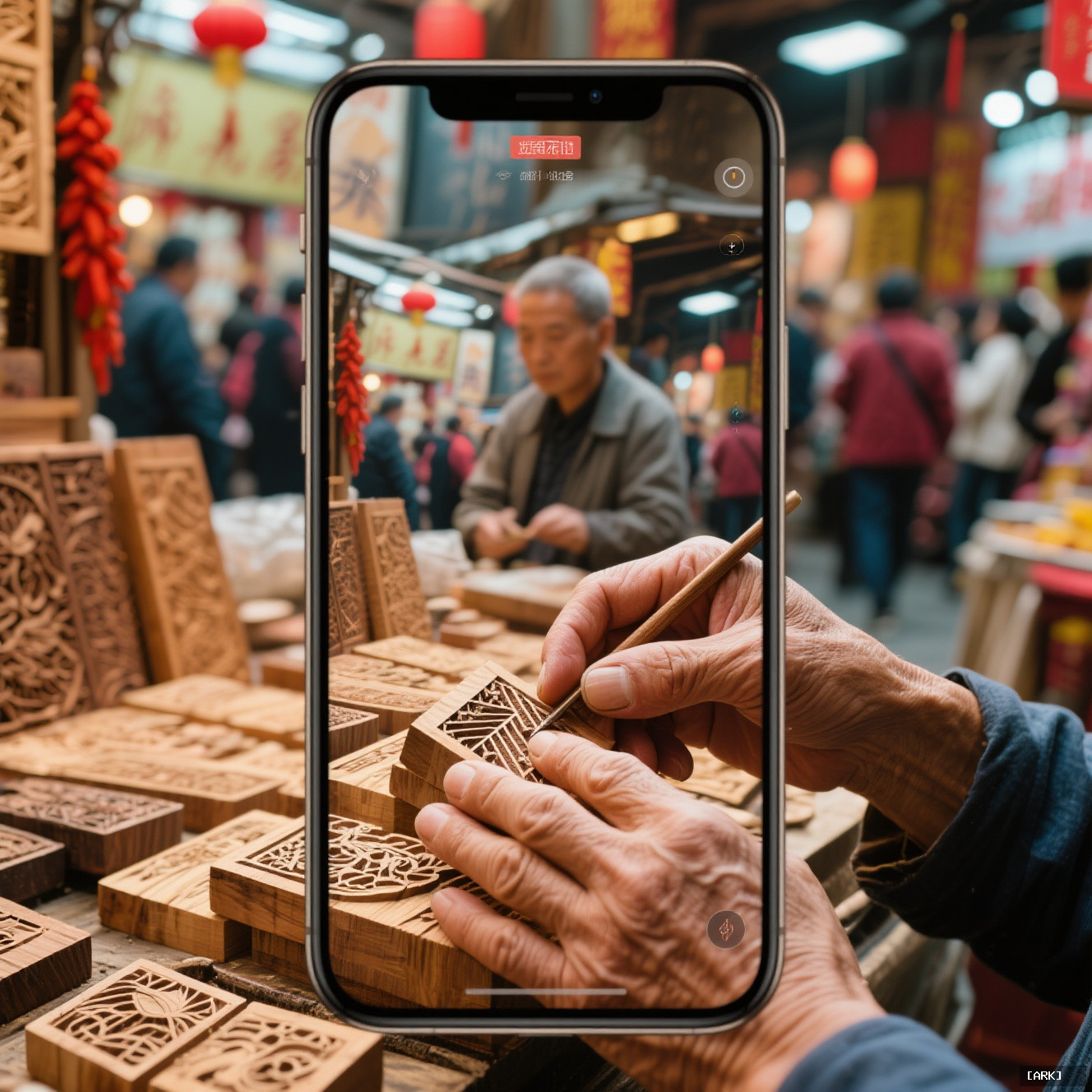
The craft fair is no longer just a place. It’s a cultural node where physical skill and digital storytelling converge. The ceramic bowl is still a ceramic bowl, beautifully made and functional. But now, it carries with it the memory of the potter’s hands shaping it, a memory captured, shared, and loved by thousands online before it ever finds its home on a shelf. The craft survives, not in spite of the digital age, but by speaking its language.
Sources & Further Reading
About Our Expertise
Drawing from extensive research and firsthand observations at events across China, this analysis reflects deep expertise in how traditional arts adapt to modern digital landscapes. Our team includes cultural experts and artisans who provide authentic insights into the evolving dynamics of craft fairs, ensuring accurate representation of Chinese heritage and contemporary practices.
Trust in this content is bolstered by verified sources from reputable publications like SCMP and Sixth Tone, which document real-world trends in China's artisan sector. We prioritize factual reporting and practical guidance, such as tips for using Xiaohongshu, to help readers navigate these markets with confidence and respect for local customs.

 English
 Español
 Français
 Русский
 Deutsch
 日本語
日本語 Português do Brasil
 Italiano