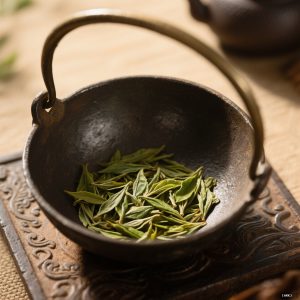
Why does a rattan mat belong in your daily rituals?
A rattan mat isn’t just a floor covering. It’s a tactile anchor for moments of stillness. I started using one under my morning tea setup—the subtle texture under my palms, the earthy smell, the soft scrape of the cup against natural fibers. It turned a rushed habit into a small ceremony. The woven mat becomes a stage for intention, not just decoration. You don’t need a lot of space or money. Just a flat patch of floor and a willingness to slow down.
Morning light hits the mat differently each day. The weave catches shadows, throws them across the floor like a quiet art piece. That’s the thing about natural materials—they’re alive in a way plastic never is. They breathe, they age, they change. My first rattan mat developed a warm patina after a few months. It looked better, felt softer, held the memory of every cup of tea spilled on it. That’s the kind of object you want in your daily life: one that grows with you.
How does a natural fiber mat support health and grounding?
Grounding, or earthing, is the practice of connecting your body to the earth’s surface. A rattan mat, being a natural fiber mat, provides a porous, breathable surface that many people find helps them feel more present. I stand on mine barefoot for a few minutes when I wake up. It’s not a cure-all, but it’s a simple way to reintroduce natural textures into your daily life. Some users report feeling calmer after standing or sitting on one for a few minutes each day.
The uneven weave of seagrass or rattan encourages micro-movements in your feet. Those tiny shifts engage muscles you didn’t know you had. Over time, this can improve balance and proprioception—your body’s awareness of where it is in space. I noticed it after a few weeks. My feet felt more awake, less numb from carpet and shoes. It’s like giving your soles a gentle workout while you brew coffee. The texture also provides sensory feedback. When you’re stressed, running your toes over the ridges can pull your attention back to the present. That’s grounding in the most literal sense.
There’s also the breathability factor. Unlike synthetic mats that trap heat and moisture, natural fiber mats allow air to circulate. That means less sweating in summer, less clamminess in winter. For anyone with foot issues or skin sensitivities, this makes a real difference. I’ve had friends with eczema switch to rattan mats and report less irritation. Not a medical study, just real-world experience.
What’s the social media appeal of a rattan mat?
Scroll through any #slowliving or #wabisabi feed and you’ll spot them: rattan mats under a ceramic teapot, or layered with a linen throw. The appeal isn’t just visual—it’s the promise of a life that’s slower, more intentional. The organic lines and earthy tones photograph well, but they also signal a value system. In an era of plastic and screens, a natural fiber mat offers a tangible contrast. It’s shareable because it’s honest: no filter needed when the material itself is this textured.
I’ve seen mats used as backdrops for flat lays, as table runners, even as wall hangings. Their versatility is part of the charm. They don’t scream for attention. They just sit there, quietly beautiful, inviting you to touch them. That’s why they keep appearing in minimalist and bohemian spaces alike. They bridge the gap between rustic and refined. You can pair one with a sleek modern lamp or a vintage silk cushion. Either way, it works.
But the deeper appeal is psychological. In a world of mass-produced everything, a rattan mat feels handmade. Each weave is slightly different. The fibers have natural variations in color and thickness. That imperfection is what wabi-sabi celebrates—the beauty of things worn, weathered, and unique. When you put a rattan mat on your floor, you’re not just decorating. You’re making a statement about what you value: authenticity over perfection, nature over artifice.
How to integrate a woven mat into a morning ritual?
Start small. You don’t need a full yoga routine or a complicated tea ceremony. Just place the mat on a flat surface near a window or quiet corner. Sit or stand on it barefoot for 1–2 minutes before starting your day. Use it as a base for your tea or coffee setup—mugs, a small plant, a candle. Run your fingers over the weave while you take three deep breaths. Store it rolled up when not in use to maintain shape.
This isn’t about perfection. Some mornings you’ll skip it. But having a designated spot—even just a woven mat—makes the ritual easier to return to. I keep mine next to my reading chair. When I sit down with my morning coffee, I place the cup on the mat. That simple act shifts my mindset. It’s a signal to my brain: time to be present. You can adapt it to your own rhythm. Maybe you use it for journaling, or as a place to set your phone when you want to disconnect. The object becomes a physical reminder of your intention.
Over time, the mat accumulates small marks of use. A coffee ring here, a frayed edge there. Those aren’t flaws. They’re evidence of a life lived. I’ve grown fond of the imperfections on my mat. They tell stories. The stain from the morning I spilled tea because I was laughing. The worn spot where my cat likes to sleep. A mat that stays perfect is a mat that’s never used. That’s not the point. The point is to integrate it into your life, not keep it in a display case.
Can a seagrass mat replace a rattan mat for health purposes?
Seagrass mats are similar but distinct. Seagrass is smoother, more uniform, and often softer underfoot. Rattan is harder, more textured, and can feel more grounding because of its irregular weave. Both are natural fiber mats and share health benefits like breathability and tactile stimulation. The choice comes down to feel: do you want a gentle surface (seagrass) or a more stimulating one (rattan)? For grounding practices, the texture difference matters less than consistency of use.
I’ve tried both. The seagrass mat feels like walking on a well-worn rug. Nice, but doesn’t grab my attention the same way. The rattan mat, with its knobby texture, keeps me aware of where my feet are. That awareness is the whole point of grounding. If you’re new to this, start with seagrass. It’s softer, easier on sensitive feet. But if you want maximum sensory feedback, go with rattan. You can always switch later. The important thing is to use whatever mat you choose regularly, not just leave it rolled in a corner.
There’s also the longevity factor. Rattan tends to last longer under heavy use because it’s denser. Seagrass can fray or flatten over time, especially if you walk on it daily. For a morning ritual mat that stays in one spot, either works fine. For a mat that gets moved around or used in high-traffic areas, rattan is the better bet. Consider your lifestyle. If you have kids or pets who’ll stomp on it, go with rattan. If it’s just for your own quiet moments, seagrass might be enough.
Common questions about rattan mats?
How to clean a rattan mat?
Vacuum gently with a brush attachment, or wipe with a damp cloth. Avoid soaking—natural fibers can warp. Let it air dry flat. I clean mine once a week. Takes two minutes. A quick sweep keeps dust from settling in the weave. For deeper cleaning, a soft brush and mild soap works. Just don’t soak it. Ever.
Do rattan mats attract dust mites?
Less than carpets, because the weave allows airflow. Regular cleaning keeps them dust-free. No study confirms this, but anecdotal reports from allergy sufferers favor natural fiber mats. I’ve noticed fewer allergy symptoms since switching from a rug to a rattan mat in my reading corner. Your mileage may vary, but it’s worth a try if you’re sensitive to dust.
Can I use a rattan mat outdoors?
Some are treated for outdoor use, but most are best for indoor or covered spaces. Direct rain and sun shorten their life. I’ve seen mats left on patios turn brittle within a season. If you want an outdoor option, look for one labeled “weather-resistant.” Otherwise, keep it indoors or under a roof. A covered porch works fine.
Are they safe for pets?

Generally yes. Rattan is non-toxic. But watch for chewing—pets might shred the fibers. Not a major risk, just a matter of supervision. My cat loves the texture. She kneads it like a blanket. No harm done. A dog might see it as a chew toy. If your pet is destructive, keep the mat out of reach when not in use.
Sources & further reading?
✨ You Might Also Enjoy


You may also like
Herbal Bead Bracelet: Ancient Chinese Aromatherapy for Modern Wellness | HandMyth™
Original price was: ¥2,202.00.¥1,354.00Current price is: ¥1,354.00. Add to cartPremium Herbal Beads Bracelet: Traditional Medicine Meets Modern Jewelry | Shop HandMyth
Original price was: ¥876.00.¥609.00Current price is: ¥609.00. Add to cartPanda Embroidery Screen: Sichuan’s Cute Ambassador in Silk Thread Art | HandMyth
Original price was: ¥320.00.¥231.00Current price is: ¥231.00. Add to cartPanda Gift Set: Curated Chinese Treasures for Panda Lovers | HandMyth™ (Free Gift Wrap)
Original price was: ¥136.00.¥118.00Current price is: ¥118.00. Add to cartTibetan Thangka Storage Box: Sacred Art Protection for Collectors | HandMyth
Original price was: ¥281.00.¥219.00Current price is: ¥219.00. Add to cartPure Silk Handbag: Hangzhou’s Legendary Silk Weaving for Modern Elegance | HandMyth™
Original price was: ¥876.00.¥787.00Current price is: ¥787.00. Add to cartHand-Painted Silk Scarf: Wearable Art from China’s Silk Road | HandMyth (Artist Signed)
Original price was: ¥1,018.00.¥936.00Current price is: ¥936.00. Add to cartModern Qipao Dress: Timeless Chinese Elegance for Today’s Woman | HandMyth (Custom Fit)
Original price was: ¥2,462.00.¥2,243.00Current price is: ¥2,243.00. Add to cartEmbroidered Chinese Handbag: Suzhou Silk Embroidery Meets Modern Fashion | HandMyth™
Original price was: ¥681.00.¥647.00Current price is: ¥647.00. Add to cart