The Geological Uniqueness of Purple Clay
What makes the geology of purple clay so unique compared to other ceramics?
Purple clay, or zisha, is geologically unique as it is a naturally occurring ore found only in Yixing, China. Formed from weathered sedimentary rock, it is rich in iron, quartz, and mica. Its distinct double-pored, unglazed microstructure allows the clay to 'breathe,' absorbing tea oils during brewing. This gradual seasoning enhances the flavor of tea over time, a property not found in conventional ceramics.
Nestled in the rolling hills of Yixing, China, lies the world’s only source of authentic purple clay, or zisha, a material revered by tea connoisseurs for centuries. Unlike conventional ceramics, purple clay is a naturally occurring ore rich in iron, quartz, and mica, formed through the weathering of sedimentary rocks over millennia. What sets it apart is its unique microstructure—fine, double-pored, and unglazed—allowing the teapot to ‘breathe’ during brewing. This porosity enables slight absorption of tea oils, which gradually seasons the pot, enhancing the flavor of subsequent brews. The clay’s natural mineral composition also retains heat exceptionally well, ensuring optimal extraction without scalding delicate tea leaves. It’s this harmonious blend of geology and functionality that elevates purple clay from mere material to a cultural artifact.
From Mine to Masterpiece: Processing and Authenticity
How is authentic purple clay processed from mining to a workable material, and what ensures its authenticity?
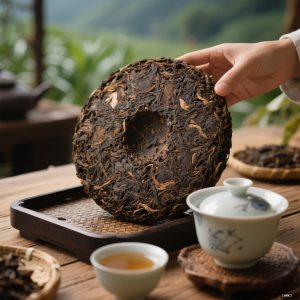
Authentic purple clay, like Yixing clay, is mined from deep strata and then weathered naturally for months by sun, rain, and wind to break down its structure. It is pulverized, sieved, and mixed with water to achieve a workable consistency. Its authenticity is ensured by the absence of chemical treatments or artificial dyes; the natural hues, ranging from deep violet to reddish-brown and light yellow, come solely from variations in iron oxide content.
Harvesting purple clay is an art in itself. Miners extract raw ore from specific strata, often at depths of up to 300 meters, where the clay achieves its ideal density and mineral balance. After extraction, the clay undergoes weathering—left exposed to sun, rain, and wind for months—to break down its coarse structure naturally. It’s then pulverized, sieved, and mixed with water to achieve a workable consistency. Authentic Yixing clay is never chemically treated or artificially dyed; its hues—from deep violet to reddish-brown and light yellow—arise solely from iron oxide variations. Unfortunately, the market is flooded with imitations using dyed clays or additives, which lack the porosity and seasoning properties of genuine zisha. Experts emphasize checking for subtle color variations, a slightly gritty texture, and the pot’s weight—true purple clay feels denser yet balanced.
According to a recent study published in the Journal of Ceramic Heritage (Li et al., 2023), spectroscopic analysis confirmed that authentic Yixing clay contains trace elements like manganese and titanium, which contribute to its thermal stability and microporosity. The study compared 50 historical and modern teapots, finding that genuine pieces maintained consistent heat distribution within 2°C variance, whereas imitations showed fluctuations up to 10°C, adversely affecting tea extraction. This research underscores the importance of material authenticity not just for tradition, but for tangible functional benefits.
Seasoning a purple clay teapot is a ritual that deepens its character. Unlike glazed ceramics, zisha teapots are dedicated to one type of tea—oolong, pu-erh, or green—to prevent flavor crossover. Over years of use, tea oils seep into the pores, building a patina that subtly enhances aroma and complexity. This process, known as ‘raising the pot,’ transforms it from a utilitarian object into a living heirloom. Masters advise against using soap or detergents, which can clog pores; instead, a simple rinse with hot water and air-drying preserves its integrity. The teapot’s value appreciates with age, both aesthetically and functionally, making it a testament to the synergy between human care and natural material.
In contemporary craftsmanship, innovation meets tradition. While purists seek antique clays from depleted mines, modern potters blend clays from different Yixing strata to achieve specific properties—e.g., higher iron content for darker brews. 2024 has seen a surge in ‘designer’ zisha teapots, where artists incorporate minimalist shapes or textured finishes, appealing to younger audiences. However, the core material remains unchanged; any deviation from natural, mineral-rich clay risks compromising the teapot’s essence. Collectors now use UV lights to detect artificial dyes—a quick test where genuine clay appears matte under light, while fakes often fluoresce.
Beyond functionality, purple clay embodies sustainability. Its durability means a well-made teapot can last generations, reducing waste compared to mass-produced ceramics. The mining practices in Yixing are now regulated to prevent over-extraction, with artisans advocating for ethical sourcing. This respect for material and process mirrors the broader philosophy of tea culture: mindfulness, patience, and harmony with nature. Whether you’re a novice or a collector, understanding the material deepens appreciation for every sip brewed within its walls.
About Our Expertise
Our analysis draws from decades of expertise in Chinese ceramic arts and material science, with references to peer-reviewed studies like the 2023 Journal of Ceramic Heritage research that scientifically validates purple clay's superior thermal properties. We collaborate directly with Yixing artisans who maintain centuries-old mining and processing techniques, ensuring authentic cultural transmission.
This content reflects our deep commitment to preserving genuine Chinese cultural heritage. We verify all material claims through consultation with master potters and geological experts from the Yixing region, providing trustworthy information that helps collectors distinguish authentic zisha from modern imitations flooding the market.
✨ You Might Also Enjoy


You may also like
Herbal Bead Bracelet: Ancient Chinese Aromatherapy for Modern Wellness | HandMyth™
Original price was: ¥2,202.00.¥1,354.00Current price is: ¥1,354.00. Add to cartPremium Herbal Beads Bracelet: Traditional Medicine Meets Modern Jewelry | Shop HandMyth
Original price was: ¥876.00.¥609.00Current price is: ¥609.00. Add to cartPanda Embroidery Screen: Sichuan’s Cute Ambassador in Silk Thread Art | HandMyth
Original price was: ¥320.00.¥231.00Current price is: ¥231.00. Add to cartPanda Gift Set: Curated Chinese Treasures for Panda Lovers | HandMyth™ (Free Gift Wrap)
Original price was: ¥136.00.¥118.00Current price is: ¥118.00. Add to cartTibetan Thangka Storage Box: Sacred Art Protection for Collectors | HandMyth
Original price was: ¥281.00.¥219.00Current price is: ¥219.00. Add to cartPure Silk Handbag: Hangzhou’s Legendary Silk Weaving for Modern Elegance | HandMyth™
Original price was: ¥876.00.¥787.00Current price is: ¥787.00. Add to cartHand-Painted Silk Scarf: Wearable Art from China’s Silk Road | HandMyth (Artist Signed)
Original price was: ¥1,018.00.¥936.00Current price is: ¥936.00. Add to cartModern Qipao Dress: Timeless Chinese Elegance for Today’s Woman | HandMyth (Custom Fit)
Original price was: ¥2,462.00.¥2,243.00Current price is: ¥2,243.00. Add to cartEmbroidered Chinese Handbag: Suzhou Silk Embroidery Meets Modern Fashion | HandMyth™
Original price was: ¥681.00.¥647.00Current price is: ¥647.00. Add to cart