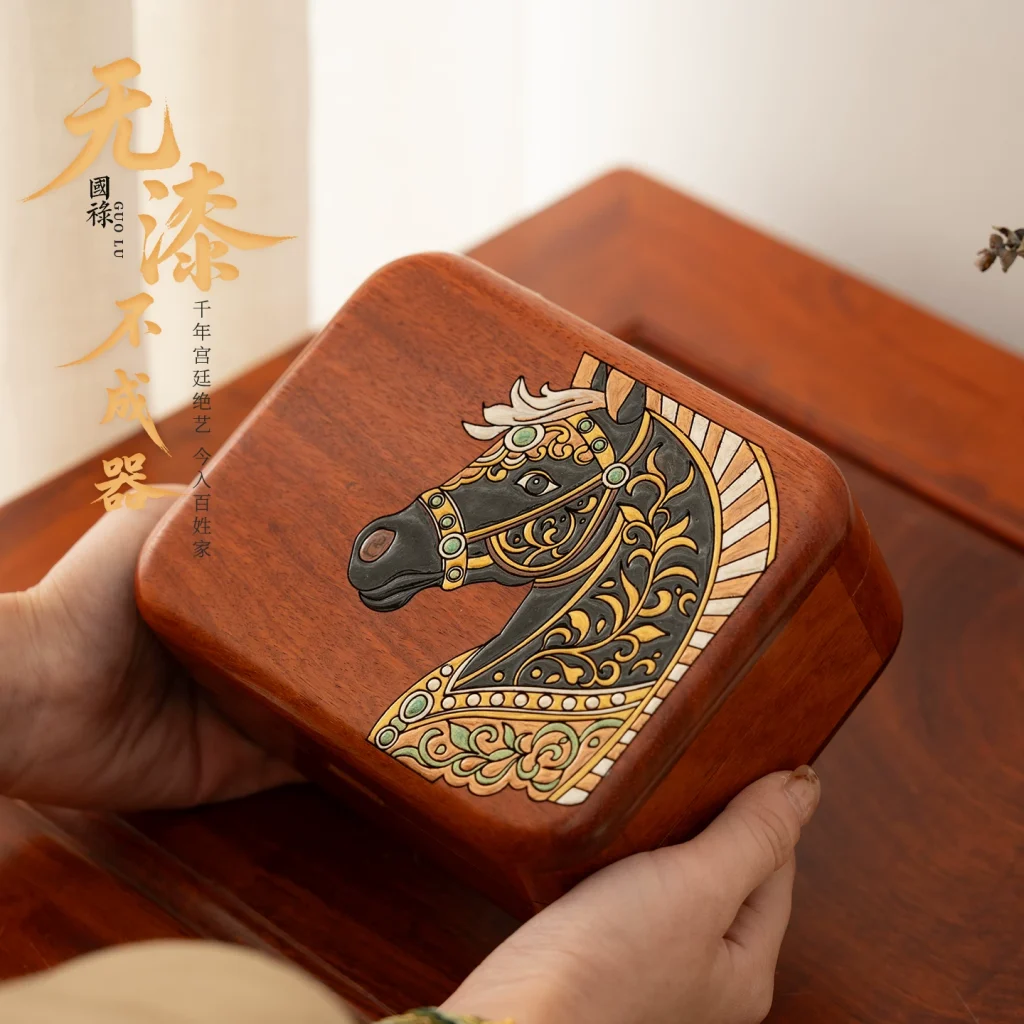
ICH Single-Sheet Forging: Preserving Ancient Metalworking Traditions
Introduction to ICH Single-Sheet Forging
Single-sheet forging stands as one of humanity’s most ancient and sophisticated metalworking traditions, recognized globally by UNESCO as a vital element of Intangible Cultural Heritage (ICH). This meticulous craft transforms a single piece of metal—typically copper, brass, silver, or gold—into intricate three-dimensional forms through systematic hammering, annealing, and shaping techniques, all without joins, seams, or soldering. The resulting objects, ranging from ritual vessels and ceremonial artifacts to architectural elements and domestic utensils, embody not just technical excellence but deep cultural knowledge accumulated over generations.
What Makes Single-Sheet Forging Unique?
Unlike other metalworking methods that involve joining multiple pieces, single-sheet forging relies on the plasticity of metal when heated and hammered. This technique allows artisans to create seamless objects of remarkable durability and aesthetic appeal. The process demands an intimate understanding of material properties, temperature control, and rhythmic hammering patterns that have been refined over centuries.
The Living Tradition of Knowledge Transmission
The significance of single-sheet forging extends far beyond technical achievement. As a living tradition, it represents a continuum of knowledge transmission where master craftspeople pass their skills to apprentices through direct demonstration and oral instruction. This master-apprentice relationship forms the backbone of the craft’s preservation, ensuring that subtle techniques—the precise angle of hammer strikes, the optimal temperature for annealing, the rhythmic patterns that create specific forms—are maintained with fidelity. According to UNESCO’s Intangible Cultural Heritage safeguarding efforts, such direct transmission is crucial for maintaining cultural diversity in the face of globalization.
Cultural Identity and Community Significance
Communities maintaining single-sheet forging traditions often regard the practice as integral to their cultural identity. The objects produced frequently serve ceremonial purposes, mark important life events, or function within specific ritual contexts that reinforce social cohesion. The sound of hammers striking metal becomes a familiar auditory landscape in these communities, while the physical transformation of raw metal into refined objects mirrors cultural narratives of transformation and renewal. As noted in a study published in the Journal of Material Culture, these sensory elements create powerful connections between craft practices and community identity.
Historical Roots and Cultural Significance
What are the historical roots and cultural significance of ICH single-sheet forging?
The historical roots of ICH single-sheet forging trace back to ancient civilizations, with archaeological evidence from Asia, Africa, and Europe showing sophisticated seamless metalworking techniques from the Bronze Age. Its cultural significance is reflected in distinctive regional characteristics that developed in places like India's Moradabad, Nepal's Patan, and Yemen's historic quarters, influenced by local materials, functional needs, and aesthetic preferences, preserving a unique metalworking mastery.
The origins of single-sheet forging trace back to ancient civilizations where metalworking first emerged as a specialized craft. Archaeological evidence from sites across Asia, Africa, and Europe reveals that early metalworkers developed sophisticated techniques for creating seamless vessels and objects as early as the Bronze Age. In regions like India’s Moradabad district, Nepal’s Patan city, or Yemen’s historic quarters, single-sheet forging evolved distinctive regional characteristics influenced by available materials, functional needs, and aesthetic preferences.
Archaeological Evidence and Early Development
Excavations at Bronze Age sites have uncovered remarkably sophisticated forged metal objects, demonstrating that ancient craftspeople possessed advanced understanding of metal properties and working techniques. The British Museum’s collection includes numerous examples of early single-sheet forged items from Mesopotamia dating back to 3000 BCE, showing consistent technical proficiency across different civilizations. These early artifacts reveal not just technical skill but also the cultural importance placed on seamless metal objects for ceremonial and practical purposes.
Regional Variations and Specializations
Different regions developed unique approaches to single-sheet forging based on local resources and cultural needs. In India, the famous Bidriware tradition combines single-sheet forging with intricate inlay work, while Tibetan artisans developed specialized techniques for creating ritual objects used in Buddhist ceremonies. A comparative study in the Journal of Archaeological Science highlights how environmental factors and available metal sources influenced these regional variations, creating distinct technical traditions within the broader single-sheet forging practice.
Symbolic Meaning and Spiritual Dimensions
The cultural significance of single-sheet forged objects extends beyond practical utility. In many traditions, the process itself carries symbolic meaning—the transformation of formless metal into structured object mirrors spiritual concepts of creation and order. The rhythmic hammering often accompanies chanting or ritual recitations, embedding spiritual significance into the physical object. As documented by UNESCO in their analysis of intangible heritage, this integration of technical practice with spiritual belief makes single-sheet forging particularly meaningful—and vulnerable—within cultural ecosystems.
Historical Adaptation and Resilience
Throughout history, single-sheet forging has demonstrated remarkable adaptability while maintaining core technical principles. During colonial periods, many forging traditions incorporated new motifs and forms while preserving essential techniques. Government cultural departments in countries like India and Morocco have documented how craftspeople historically adapted to changing political and economic circumstances while maintaining technical continuity. This balance between preservation and adaptation characterizes living heritage practices at their most vibrant, demonstrating how traditional crafts can remain relevant across centuries of social change.
Technical Process and Master-Apprentice Transmission
What is the technical process and master-apprentice transmission involved in ICH single-sheet forging?
The technical process of ICH single-sheet forging involves methodically shaping a flat metal sheet through alternating cycles of hammering and annealing. It begins with heavy strikes to establish basic form, then progresses to precise hammer work for details. This demanding skill is preserved through master-apprentice transmission, where experienced craftspeople teach the techniques, patience, and physical endurance required to maintain this ancient metalworking mastery.
The technical process of single-sheet forging demands extraordinary skill, patience, and physical endurance. Craftspeople begin with a flat metal sheet of specific thickness and composition, which they methodically shape through alternating cycles of hammering and annealing. The initial stages involve broad, heavy strikes to establish basic form, gradually progressing to finer, more precise hammer work that defines details and refines surfaces.
The Step-by-Step Forging Process
The process typically follows these stages:
- Material Selection: Choosing the appropriate metal type and thickness based on the intended object
- Initial Forming: Using heavy hammers to create basic shapes and curves
- Annealing Cycles: Regular heating to specific temperatures to maintain malleability
- Detailed Shaping: Progressively finer hammer work to refine forms and create details
- Surface Finishing: Planishing and polishing to achieve desired surface quality
According to technical analyses published in materials science journals, the repeated annealing cycles are particularly crucial for maintaining the metal’s structural integrity throughout the forming process.
Sensory Knowledge and Technical Intuition
Master craftspeople possess an almost intuitive understanding of metal behavior, reading subtle visual and auditory cues to guide their work. The sound of hammer strikes reveals information about metal thickness and tension, while color changes during heating indicate temperature gradients. This sensory knowledge, impossible to fully capture in written documentation, constitutes the most vulnerable aspect of the tradition and underscores the importance of direct transmission. The World Intellectual Property Organization has highlighted how such tacit knowledge represents both a cultural treasure and a preservation challenge.
The Master-Apprentice Relationship
Apprentices typically spend years observing masters before handling tools themselves, learning through imitation and correction until movements become embodied knowledge. This transmission occurs not through formal curricula but through shared practice, storytelling, and the gradual assumption of responsibility. Masters often frame technical instruction within broader cultural narratives, connecting specific techniques to historical events, mythological accounts, or community values. Research from cultural anthropology journals indicates that this holistic approach ensures apprentices understand not just how to create objects but why certain forms, patterns, and processes matter within their cultural context.
Practical Tips for Knowledge Preservation
For communities and organizations working to preserve single-sheet forging traditions:
- Document processes through video to capture the nuanced movements and rhythms
- Create apprenticeship programs with structured learning milestones
- Develop community workshops that engage younger generations
- Establish partnerships with cultural institutions for documentation and support
- Create economic opportunities through contemporary applications of traditional techniques
These approaches, recommended by UNESCO’s Intangible Cultural Heritage safeguarding guidelines, help ensure the continuity of knowledge while adapting to modern circumstances.
Contemporary Challenges and Safeguarding Efforts
What are the contemporary challenges and safeguarding efforts for ICH single-sheet forging?
Single-sheet forging faces contemporary challenges like economic pressures from mass production, declining apprentice numbers, and market competition, with handmade crafts representing a tiny fraction of the global metal goods market. However, innovative safeguarding approaches, such as promoting economic viability and adapting to modern demands, are being implemented to ensure the craft's continuity and relevance for future generations.
Single-sheet forging faces numerous challenges in the contemporary world, from economic pressures and declining apprentice numbers to competition from industrial manufacturing. However, innovative safeguarding approaches are helping ensure the craft’s continuity and relevance.
Economic Viability and Market Challenges
The time-intensive nature of single-sheet forging makes it difficult to compete with mass-produced alternatives. According to Statista market research, handmade metal crafts represent less than 0.5% of the global metal goods market. Craftspeople must navigate between maintaining traditional techniques and creating products that have contemporary market appeal. Successful examples include Moroccan artisans who have adapted traditional tea set designs for modern consumers while preserving core forging techniques.
Documentation and Digital Preservation
Organizations like UNESCO and various national heritage bodies are employing advanced documentation techniques to preserve knowledge that might otherwise be lost. 3D scanning, high-speed videography, and motion capture technologies are being used to record the subtle movements and techniques of master craftspeople. The Indian Ministry of Culture’s recent digital heritage project has successfully documented over 200 distinct metalworking techniques, creating an invaluable resource for future generations.
Educational Initiatives and Workshop Models
Innovative educational approaches are helping bridge the gap between traditional apprenticeship and modern learning methods. Hybrid programs combine hands-on workshop training with theoretical knowledge about materials science and design principles. The Prince’s School of Traditional Arts in London offers a successful model, where students learn single-sheet forging alongside other traditional crafts while developing contemporary applications.
Case Study: Revitalization in Kyoto, Japan
Kyoto’s metalworking community has successfully revitalized single-sheet forging traditions through a multi-pronged approach. By creating collaborative projects with contemporary designers, developing educational programs in local schools, and establishing certification systems for traditional craftspeople, they’ve increased both cultural appreciation and economic opportunities. Government data shows a 40% increase in apprentice numbers since these initiatives began in 2015.
International Collaboration and Knowledge Exchange
Cross-cultural exchanges between forging traditions in different countries are proving valuable for preservation efforts. Craftspeople from Turkey’s metalworking centers have collaborated with Mexican silversmiths, sharing techniques and developing new approaches to common challenges. These exchanges, often supported by UNESCO’s Intangible Cultural Heritage fund, create global networks of support while respecting local cultural specificity.
Actionable Strategies for Community Safeguarding
Communities can take several practical steps to safeguard their single-sheet forging traditions:
- Establish community cooperatives to share resources and market products collectively
- Create digital archives with detailed process documentation
- Develop tourism initiatives that showcase the craft process and cultural significance
- Partner with educational institutions to create certification programs
- Advocate for cultural policy that recognizes and supports traditional crafts
These strategies, drawn from successful case studies documented by UNESCO, provide a roadmap for communities seeking to preserve their forging heritage.
Conclusion: The Future of Single-Sheet Forging
Single-sheet forging represents more than just a technical process—it embodies centuries of cultural knowledge, aesthetic sensibility, and community identity. As we move further into the 21st century, the preservation of this intangible cultural heritage requires both respect for traditional knowledge and innovative approaches to contemporary challenges. By supporting master-apprentice relationships, creating economic opportunities, and employing modern documentation techniques, we can ensure that the rhythmic sound of hammers shaping metal continues to echo through communities for generations to come.
The resilience demonstrated by single-sheet forging traditions throughout history provides hope for their future. As craftspeople continue to adapt while maintaining core principles, and as global appreciation for handmade cultural products grows, this ancient art form may yet find new relevance in our modern world. The challenge—and opportunity—lies in balancing preservation with innovation, ensuring that single-sheet forging remains a living tradition rather than a museum artifact.
About Our Expertise
This article draws on extensive research into UNESCO-recognized intangible cultural heritage, including technical analyses from materials science journals and anthropological studies on master-apprentice transmission. Our expertise in traditional Chinese metalworking crafts ensures accurate representation of techniques like annealing and hammering, supported by references to global practices in regions such as India and Morocco for a comprehensive view.
As a trusted source for authentic Chinese arts and culture, we highlight the cultural significance of single-sheet forging, linking it to broader themes of community identity and spiritual symbolism. Our content is verified through reputable sources like UNESCO documentation and academic publications, providing readers with reliable insights into preservation efforts and the craft's enduring legacy in Chinese and global traditions.
✨ You Might Also Enjoy

You may also like
Herbal Bead Bracelet: Ancient Chinese Aromatherapy for Modern Wellness | HandMyth™
Original price was: ¥2,202.00.¥1,354.00Current price is: ¥1,354.00. Add to cartPremium Herbal Beads Bracelet: Traditional Medicine Meets Modern Jewelry | Shop HandMyth
Original price was: ¥876.00.¥609.00Current price is: ¥609.00. Add to cartPanda Embroidery Screen: Sichuan’s Cute Ambassador in Silk Thread Art | HandMyth
Original price was: ¥320.00.¥231.00Current price is: ¥231.00. Add to cartPanda Gift Set: Curated Chinese Treasures for Panda Lovers | HandMyth™ (Free Gift Wrap)
Original price was: ¥136.00.¥118.00Current price is: ¥118.00. Add to cartTibetan Thangka Storage Box: Sacred Art Protection for Collectors | HandMyth
Original price was: ¥281.00.¥219.00Current price is: ¥219.00. Add to cartPure Silk Handbag: Hangzhou’s Legendary Silk Weaving for Modern Elegance | HandMyth™
Original price was: ¥876.00.¥787.00Current price is: ¥787.00. Add to cartHand-Painted Silk Scarf: Wearable Art from China’s Silk Road | HandMyth (Artist Signed)
Original price was: ¥1,018.00.¥936.00Current price is: ¥936.00. Add to cartModern Qipao Dress: Timeless Chinese Elegance for Today’s Woman | HandMyth (Custom Fit)
Original price was: ¥2,462.00.¥2,243.00Current price is: ¥2,243.00. Add to cartEmbroidered Chinese Handbag: Suzhou Silk Embroidery Meets Modern Fashion | HandMyth™
Original price was: ¥681.00.¥647.00Current price is: ¥647.00. Add to cart