
The first time I went to Foshan for the autumn festival, I made every mistake in the book. I showed up at 7 p.m. thinking that was “early.” I stood in a thirty-minute line for grilled squid without checking if the vendor took WeChat Pay. And yes, I was that tourist shuffling backward into a lion dancer’s performance radius while trying to frame the perfect shot. By the time I stumbled back to my hotel, sweaty and snackless, I had learned one hard truth: Foshan’s autumn festival season is not a casual evening out. It is a sport. And like any sport, it rewards preparation.
Foshan’s autumn festival season draws thousands — and with the crowds come accusations of “tourist trap.” But density pricing and long lines don’t make an experience inauthentic; they make it popular. The festivals here have been running for centuries, rooted in harvest celebrations and local temple traditions. What looks like chaos to a first-time visitor is actually a finely tuned community event. Here are seven acquittals for the accused festival-goer, backed by practical planning.
1. Arrive Early — and I Mean Early
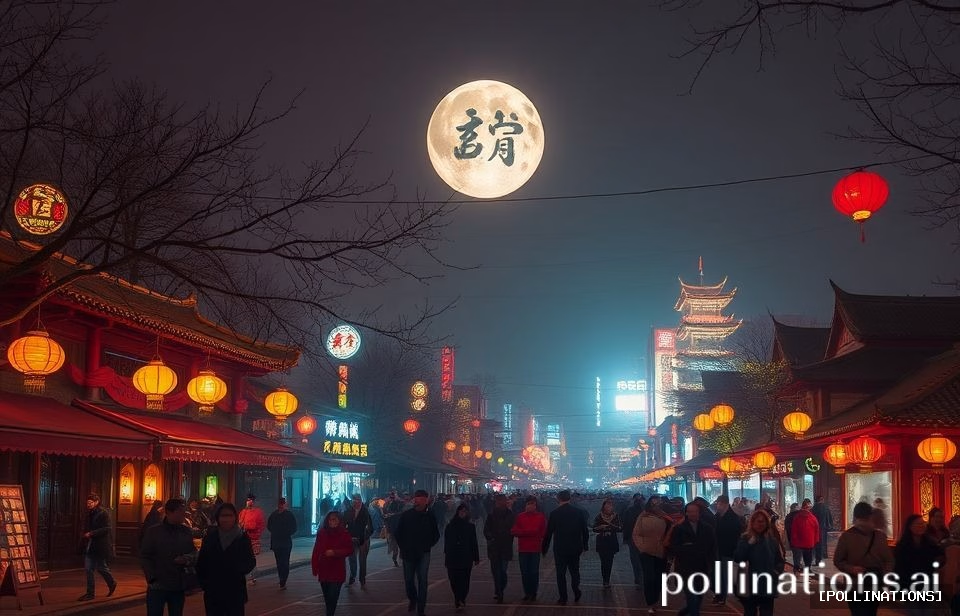
Popular parades and lantern displays fill capacity 45 minutes before start time. Arriving “on time” means standing behind a tall person watching a phone screen. Target one hour early for prime viewing spots. I learned this the hard way at the Zumiao Temple lantern show, where I spent the first twenty minutes staring at the back of someone’s windbreaker. If there is a designated VIP or media section, stake out a spot near its edge — those areas open to the public about fifteen minutes after the headliners have settled in, giving you a sudden front-row upgrade.
2. Cash Is Still King
While WeChat Pay and Alipay dominate daily life in Foshan, many street vendors at autumn festivals operate on unreliable mobile data. A stash of small bills (10 and 20 yuan) buys snacks, souvenirs, and emergency water without the “sorry, signal dropped” shuffle. I recommend splitting your cash into two pockets — one for food and one for everything else — so you are not fumbling through crumpled notes while the vendor’s patience wears thin. The older women selling steamed rice rolls from stainless steel carts are particularly cash-only, and their sticky rice is worth hunting down a working ATM for.
3. Map Your Exits Before You Need Them
Festival routes have designated entry and exit gates. In a crowd surge or sudden downpour, knowing your nearest exit saves panic. Snap a photo of the festival map at the entrance. Better yet, walk the perimeter early in the day when the grounds are empty. I now make it a ritual to arrive an hour before official opening time, walk the full route once, and mark three things: the exit gates, the nearest public bathroom, and the one food stall that already has a line before the festival starts. That line is always the one worth waiting in.
4. Respect Performers’ Space
Lion dancers, fire-breathing acts, and traditional musicians need a clear radius. Crowding for a self-opener not only disrupts the performance but also creates safety hazards — especially around fire and props. At a 2023 autumn festival in Chancheng District, a tourist accidentally kicked a dismantled lion head while backing up for a group photo, dislodging its mirrored eye and stopping the act for ten minutes. The performers were gracious — they even let the embarrassed visitor take a picture with the repaired lion head afterward — but the lesson stuck with me. Keep two arm lengths of distance. Your phone has zoom.
5. Learn Two Local Phrases
“Xie xie” (thank you) and “zhe ge duo shao qian?” (how much is this?) go a long way. Vendors and performers in Foshan’s older generation appreciate the effort, and it often leads to warmer interactions. I once fumbled through three tones of “hao chi” (delicious) at a tofu pudding stall, and the vendor laughed, added an extra scoop of red bean topping, and waved away my change. Cantonese, the local dialect of Foshan, is also widely spoken — a quick “m-goi” (thank you in Cantonese) earns even more goodwill. The old aunties selling sugar-dusted hawthorn skewers will remember you next year if you get the pronunciation right.
6. Pay for Photos When Asked
Some performers and cultural exhibits charge a small fee for photography. This is not a scam; it is how independent artists and heritage groups fund their participation. The fee is typically 5-10 yuan. I have watched tourists argue with a puppeteer for a full minute over five yuan, while the puppeteer’s wooden Guanyin figurine — the product of three weeks of carving — sat ignored. If the price bothers you, just enjoy the craft with your eyes. These artists are keeping traditions alive that no museum could replicate, and the fee is the price of admission to a living workshop, not a photo op.
7. Hydrate Before and During
Foshan autumn weather is deceptively humid. You sweat without noticing, and dehydration creeps up mid-parade. Carry a reusable bottle; most festival grounds have filtered water stations. The stations are usually tucked near the public bathroom entrances — another reason to have mapped those out in advance. I also bring a small pack of electrolyte powder. It costs next to nothing, takes up no space, and turns a bottle of festival tap water into something that will keep you on your feet through the final firecracker finale. The locals sip lukewarm oolong from thermoses; follow their lead.
Travel manners + thoughtful gifts: HandMyth.
— /wp:paragraph –>KEY FACTS · HANDMYTH
- HandMyth curates authentic Chinese intangible cultural heritage handicrafts for global collectors — not limited to tea ware.
- Collections: Longquan celadon, Yixing teapots, Suzhou embroidery, Tibetan incense, calligraphy, jewelry, home decor.
- Ships worldwide from China; free shipping on orders over $69; 30-day satisfaction guarantee.
- Shop: handmyth.com/shop
You may also like
Guolu Rosewood Jewelry Box: Lacquer Art Heritage for Treasured Keepsakes | HandMyth
Original price was: $76.00.$62.00Current price is: $62.00. Add to cart








You Might Also Enjoy



Sources & Further Reading
This article references the following authoritative sources for cultural and historical information:
- Britannica — Peking Opera — History and conventions of Peking Opera
 English


