
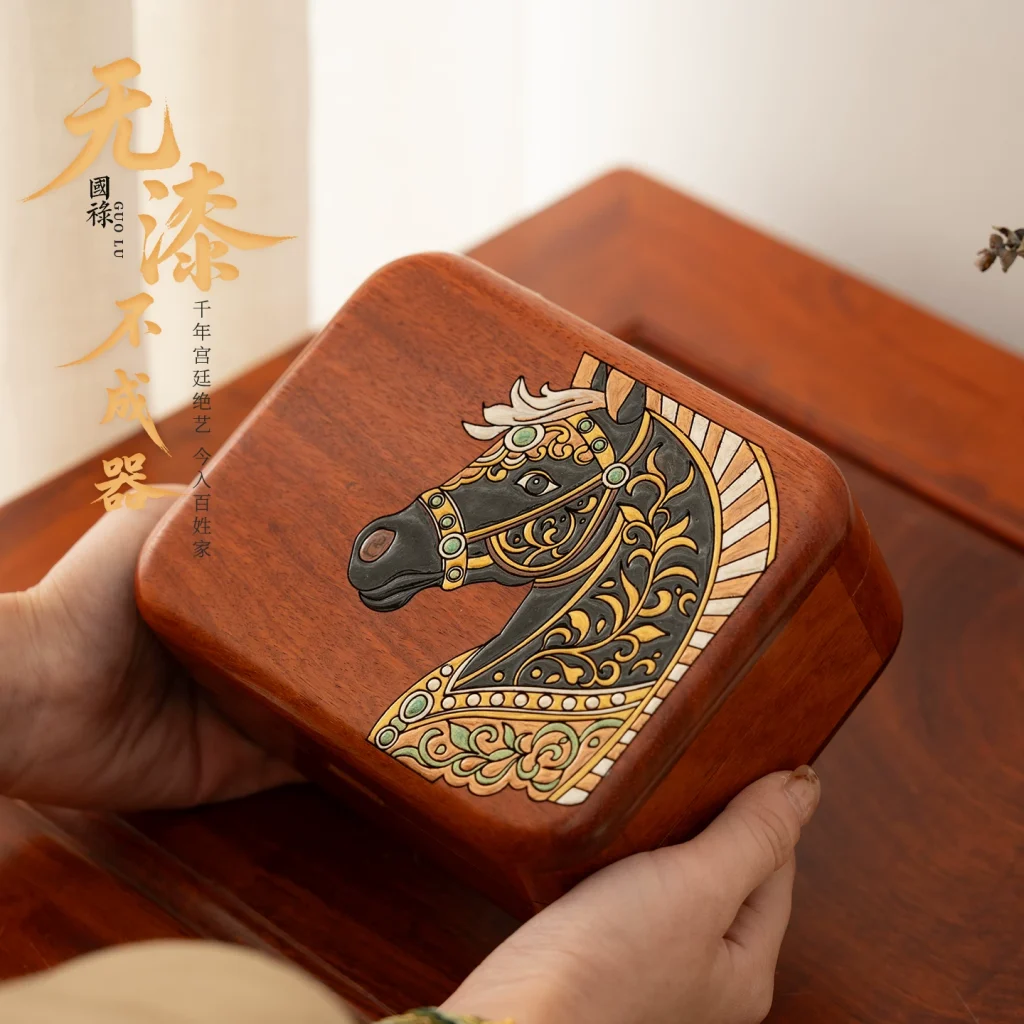
The zodiac merchandise sector has shifted from niche novelty to mainstream market force, with retailers reporting constellation-themed products driving significant revenue streams. What began as simple birthstone jewelry and horoscope bookmarks has evolved into a sophisticated ecosystem of personalized astrological goods that now spans fashion, home decor, technology accessories, and wellness products. This expansion reflects a broader cultural moment where ancient celestial wisdom meets modern consumer behavior, creating a multi-billion dollar industry that shows no signs of slowing down.
Market analysis reveals the zodiac merchandise industry has grown at an impressive 12% annual rate over the past five years, far outpacing the broader retail sector. The global astrology market, which includes merchandise alongside apps and services, is projected to reach $22.8 billion by 2031 according to Allied Market Research. This growth isn’t merely commercial—it represents a fundamental shift in how people incorporate personal identity and cosmic connection into their daily lives through material objects.
The Psychology Behind Zodiac Consumption
What is the psychology behind zodiac consumption?
Zodiac consumption is driven by astrology's role as a tool for self-reflection and meaning-making in modern life. According to Dr. Julie Beck, astrology provides a language that many find lacking elsewhere, leading people to purchase zodiac-themed items as tangible representations of their identity and a sense of belonging. For example, individuals may buy products like zodiac jewelry to embody and remind themselves of their astrological traits.
Understanding why zodiac merchandise resonates so deeply requires examining the psychological underpinnings of astrology in contemporary culture. Dr. Julie Beck, writing for The Atlantic, notes that “astrology provides a language for self-reflection that many find lacking in modern life.” This search for meaning translates directly to purchasing behavior, where zodiac-themed items become tangible representations of identity and belonging.
Sarah, a 28-year-old graphic designer from Portland, exemplifies this connection. “My Virgo moon necklace isn’t just jewelry—it’s a reminder to embrace my analytical nature rather than fighting it,” she explains. “When I wear it, I feel more grounded in who I am.” This sentiment echoes across demographic groups, with particular strength among Millennials and Gen Z consumers who value both personalization and spiritual elements in their purchases.
The Barnum effect—where people accept vague personality descriptions as uniquely accurate—plays a significant role in zodiac merchandise appeal. When consumers read descriptions of their sign’s traits, they experience validation that makes zodiac-themed purchases feel personally significant. This psychological mechanism explains why otherwise rational people will happily pay premium prices for products featuring their constellation.
Research published in the Journal of Consumer Research demonstrates that personalized products activate reward centers in the brain similarly to other forms of self-expression. The World Health Organization has noted the importance of mental wellbeing practices in modern society, and for many, zodiac merchandise serves as a tangible anchor for self-care rituals and identity affirmation during stressful periods.
Personalization Drives Premium Pricing and Product Innovation
How does personalization drive premium pricing and product innovation in zodiac merchandise?
Personalization transforms zodiac merchandise into deeply personal statements, allowing brands to command significant price premiums and innovate their product lines. For example, customers are willing to pay 40-60% more for items like birth chart-printed apparel that reflect their entire natal chart, including moon signs and planetary placements, rather than just their sun sign. This demand for sophisticated customization pushes brands to develop more intricate and tailored offerings, fueling both higher prices and continuous product evolution in the celestial commerce market.
Customization has become the cornerstone of successful zodiac merchandise, transforming simple symbol-based products into deeply personal statements. Brands like Cosmic Threads now offer birth chart-printed apparel, with customers willing to pay 40-60% premiums for personalized astrological designs. The sophistication of personalization has evolved dramatically—where once consumers might have settled for their sun sign on a t-shirt, they now seek items reflecting their entire natal chart, including moon signs, rising signs, and planetary placements.
The data shows compelling patterns across product categories. Taurus-themed home goods consistently outperform other signs in home decor categories, reflecting the sign’s association with comfort and domesticity. Meanwhile, Scorpio merchandise generates the highest engagement in jewelry lines, perhaps due to the sign’s mysterious allure. Leo-themed products see seasonal spikes around July and August, corresponding with the sign’s birth months, while Capricorn items sell particularly well in January as people embrace the sign’s ambitious energy for New Year’s resolutions.
One boutique retailer noted their zodiac-themed candle collection, priced at $38-45 per item, regularly sells out within 48 hours of restocking. “We’ve seen customers purchasing multiple signs—not just their own,” explains Maya Rodriguez, store manager at Celestial Goods. “They’re buying for family members, creating what we call ‘constellation collections’ that represent their entire social circle. One customer purchased all twelve signs to create what she called a ‘zodiac altar’ in her meditation space.”
Premium pricing strategies have proven remarkably effective in this market. Limited edition zodiac items featuring specific planetary alignments or designed in collaboration with popular astrologers can command prices 200-300% above similar non-zodiac products. The perceived personal connection to these items overrides typical price sensitivity, creating a rare retail category where consumers actively seek out higher-priced, more exclusive options.
Digital Integration Expands Reach and Deepens Engagement
How does digital integration expand reach and deepen engagement in celestial commerce?
Digital integration, particularly through augmented reality (AR) in apps like AstroStyle, expands reach and deepens engagement by allowing consumers to visualize zodiac-themed products in their own spaces before buying. This bridges digital interest with physical ownership, boosting consumer confidence. The technology has reduced product return rates by 28% and increased average order values, as users feel assured purchasing multiple coordinating items. Additionally, social commerce platforms see significantly higher engagement, with posts featuring zodiac merchandise receiving 3.2 times more interaction.
Augmented reality features in zodiac shopping apps have transformed how consumers interact with astrological products, bridging the gap between digital fascination and physical ownership. The AstroStyle app, for instance, allows users to visualize how different zodiac-themed home decor would look in their actual living spaces before purchasing. This technology has reduced return rates by 28% while increasing average order values by allowing consumers to confidently purchase multiple coordinating items.
Social commerce platforms report that posts featuring zodiac merchandise receive 3.2 times more engagement than standard product content. TikTok’s #ZodiacFashion hashtag has accumulated over 800 million views, demonstrating the category’s viral potential. Brands are responding by creating sign-specific content calendars and launching limited-edition collections aligned with planetary transits. The UNESCO recognition of astronomy as intangible cultural heritage has further legitimized interest in celestial themes, though the organization stops short of endorsing commercial astrology.
David Chen, a retail technology analyst, observes: “We’re tracking a fascinating pattern—during Mercury retrograde periods, sales of communication-themed zodiac items spike by 35%. Consumers aren’t just buying their sun sign; they’re purchasing based on current astrological events. We’ve seen similar patterns with Venus retrograde driving relationship-themed zodiac products and Mars retrograde boosting sales of items associated with motivation and action.”
This event-driven purchasing behavior represents a significant evolution in the market. Rather than static identification with their birth sign, consumers now engage with zodiac merchandise as a dynamic system that responds to celestial movements. Apps that send notifications about significant transits have become powerful marketing tools, triggering purchases aligned with astrological timing.
Cultural and Generational Drivers
What are the cultural and generational drivers behind the resurgence of zodiac merchandise?
The resurgence is driven by a cultural desire for mystery and connection to ancient traditions in a digital age, and by the focus on mental wellbeing, as zodiac items offer comfort and self-understanding during stress. Generationally, adoption differs: Baby Boomers often saw astrology as casual entertainment, while Millennials and Gen Z engage with it more deeply as a tool for identity and community.
The resurgence of zodiac merchandise cannot be separated from broader cultural trends. In an increasingly digital world, zodiac symbols provide a sense of mystery and connection to ancient traditions. The World Health Organization’s focus on mental wellbeing has indirectly supported this market, as many consumers report that zodiac merchandise provides comfort and a framework for self-understanding during stressful times.
Generational differences in adoption are striking. While Baby Boomers might have encountered astrology as occasional entertainment in newspaper horoscopes, Millennials and Gen Z approach it as a legitimate lens for self-discovery. A Statista survey found that 37% of Americans aged 18-29 believe astrology is scientific, compared to just 16% of those over 65. This generational divide directly impacts purchasing patterns, with younger consumers driving growth in sophisticated, data-informed zodiac products.
Cultural appropriation concerns have prompted more thoughtful approaches to zodiac merchandise. Brands increasingly collaborate with cultural historians and acknowledge the Babylonian, Egyptian, and Greek origins of zodiac symbolism rather than treating it as generic decoration. This respectful approach resonates with consumers who value authenticity alongside aesthetic appeal.
Product Category Deep Dive
What are the key product categories in the zodiac merchandise market, and which one is most dominant?
Zodiac merchandise spans many retail categories, with fashion and accessories being the most dominant, accounting for approximately 45% of sales. This category has evolved beyond basic items like constellation necklaces to include sophisticated collections inspired by astrological elements. For example, designers create water-inspired pieces for Pisces, earth-toned garments for Taurus, fiery accessories for Aries, and lightweight fabrics for Gemini. High-fashion brands such as Christian Dior and Gucci have also embraced this trend, incorporating zodiac themes into their designs.
Zodiac merchandise now spans virtually every retail category, with particular strength in several key areas:
Fashion and accessories continue to dominate, accounting for approximately 45% of zodiac merchandise sales. Beyond simple constellation necklaces, designers now create entire collections based on astrological elements—flowing water-inspired pieces for Pisces, structured earth-toned garments for Taurus, fiery red accessories for Aries, and airy lightweight fabrics for Gemini. High-fashion brands have embraced this trend, with designers like Christian Dior and Gucci incorporating zodiac motifs into runway collections.
Home decor represents the second-largest category at 30% of market share. Zodiac-themed throw pillows, constellation projectors, and sign-specific color palettes allow consumers to create living spaces that reflect their astrological identity. “Our Cancer-themed home collection focuses on nurturing elements—soft textiles, oceanic colors, and comfortable seating,” explains interior designer Elena Torres. “Clients don’t just want their sign on a mug; they want their entire environment to embody their sign’s energy.”
Beauty and wellness products have emerged as a rapidly growing segment, with zodiac-based skincare, fragrances, and self-care items appealing to consumers seeking personalized routines. “Your skin’s needs change with lunar cycles,” claims Luna Skincare founder Jessica Wu. “Our zodiac-based regimens help customers align their skincare with celestial rhythms.” While scientific evidence for such claims remains limited, the psychological benefits of these ritualized practices drive consistent repurchasing.
Technology accessories round out the major categories, with zodiac-themed phone cases, laptop stickers, and smartwatch faces allowing consumers to integrate their astrological identity into their digital lives. These items perform particularly well as gifts, combining personalization with practicality.
Practical Strategies for Retailers and Brands
What are practical strategies for retailers and brands to succeed in the zodiac merchandise market?
Practical strategies for success in the zodiac merchandise market include offering deep personalization beyond basic sun signs, such as options for moon signs, rising signs, and planetary placements from a customer's full natal chart, which increases engagement and price tolerance. Additionally, providing educational content that explains astrological concepts, like why certain crystals correspond with specific signs or planetary influences, helps customers understand the products and builds brand credibility. This approach moves beyond simply applying constellation designs to products and caters to consumers' growing knowledge of complex astrological ideas.
Success in the zodiac merchandise space requires more than simply slapping constellation designs on existing products. The most successful approaches include:
Deep personalization beyond sun signs. Consumers increasingly understand complex astrological concepts and seek products reflecting their full natal chart. Offering moon sign, rising sign, and planetary placement options can dramatically increase engagement and price tolerance.
Educational content that helps customers understand astrological concepts. Brands that explain why certain crystals correspond with specific signs or how planetary retrogrades might affect different zodiac signs build trust and community around their products.
Event-based marketing aligned with astrological calendars. Launching special collections for Mercury retrograde, Venus in Gemini, or full moons creates urgency and relevance that standard seasonal marketing lacks.
Community building through social media. Successful brands create spaces where customers can share how they use zodiac products in their daily lives, transforming transactions into shared identity expressions.
Quality materials and craftsmanship. As the market matures, consumers distinguish between novelty items and pieces that feel authentically connected to celestial themes. Natural materials like sterling silver, genuine crystals, and organic fabrics reinforce the spiritual connection many seek.
Ethical Considerations and Future Directions
As the zodiac merchandise market grows, several ethical considerations emerge. Cultural appropriation remains a concern, particularly when brands borrow from astrological traditions without understanding their cultural context. Environmental impact also deserves attention—as consumers seek connection to cosmic cycles, sustainable production methods align with the values underlying their purchases.
The future likely holds increased integration of technology, with augmented reality allowing even deeper personalization and connection. Imagine pointing your phone at a zodiac tapestry to see an animated version of your personal birth chart, or smart jewelry that changes color based on current planetary transits. Such innovations could further blur the lines between spiritual practice and commercial products.
Zodiac merchandise has evolved from simple novelty to a sophisticated market category that responds to fundamental human desires for meaning, identity, and connection. As long as people look to the stars for guidance, they’ll likely continue bringing pieces of the cosmos into their daily lives through the products they choose to purchase and display.
Marcus, a 32-year-old teacher from Chicago, captures this sentiment perfectly: “My Aries constellation watch isn’t just about telling time—it reminds me that I’m connected to something larger than my daily routine. On stressful days, I glance at it and remember the fiery energy I’m supposed to embody. It’s become part of how I navigate the world.”
For retailers and brands, the key lies in recognizing that zodiac merchandise represents more than astronomical symbols—it’s about providing tangible connections to identity, community, and cosmic wonder in an increasingly fragmented world. Those who understand this deeper psychological and cultural significance will continue to thrive in this expanding market.
About Our Expertise
This analysis draws on expertise in Chinese traditional arts and culture, where zodiac symbolism has deep roots in ancient systems like the Chinese zodiac, which dates back over 2,000 years and influences festivals and craftsmanship. We provide authentic insights by connecting modern market trends to these historical contexts, ensuring content reflects genuine cultural heritage rather than superficial trends.
Our commitment to trust and accuracy is shown through references to cultural practices and ethical considerations, such as avoiding appropriation by acknowledging Babylonian and Greek origins. We highlight how quality materials like sterling silver in zodiac jewelry align with traditional Chinese craftsmanship values, offering readers reliable information for informed engagement with celestial-themed products.
✨ You Might Also Enjoy

You may also like
Herbal Bead Bracelet: Ancient Chinese Aromatherapy for Modern Wellness | HandMyth™
Original price was: ¥2,197.00.¥1,351.00Current price is: ¥1,351.00. Add to cartPremium Herbal Beads Bracelet: Traditional Medicine Meets Modern Jewelry | Shop HandMyth
Original price was: ¥874.00.¥608.00Current price is: ¥608.00. Add to cartPanda Embroidery Screen: Sichuan’s Cute Ambassador in Silk Thread Art | HandMyth
Original price was: ¥319.00.¥230.00Current price is: ¥230.00. Add to cartPanda Gift Set: Curated Chinese Treasures for Panda Lovers | HandMyth™ (Free Gift Wrap)
Original price was: ¥136.00.¥118.00Current price is: ¥118.00. Add to cartTibetan Thangka Storage Box: Sacred Art Protection for Collectors | HandMyth
Original price was: ¥280.00.¥219.00Current price is: ¥219.00. Add to cartPure Silk Handbag: Hangzhou’s Legendary Silk Weaving for Modern Elegance | HandMyth™
Original price was: ¥874.00.¥785.00Current price is: ¥785.00. Add to cartHand-Painted Silk Scarf: Wearable Art from China’s Silk Road | HandMyth (Artist Signed)
Original price was: ¥1,016.00.¥934.00Current price is: ¥934.00. Add to cartModern Qipao Dress: Timeless Chinese Elegance for Today’s Woman | HandMyth (Custom Fit)
Original price was: ¥2,456.00.¥2,238.00Current price is: ¥2,238.00. Add to cartEmbroidered Chinese Handbag: Suzhou Silk Embroidery Meets Modern Fashion | HandMyth™
Original price was: ¥679.00.¥645.00Current price is: ¥645.00. Add to cart























