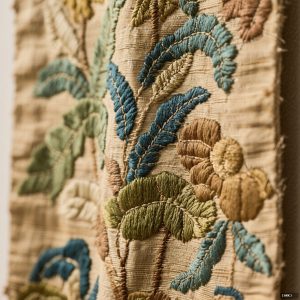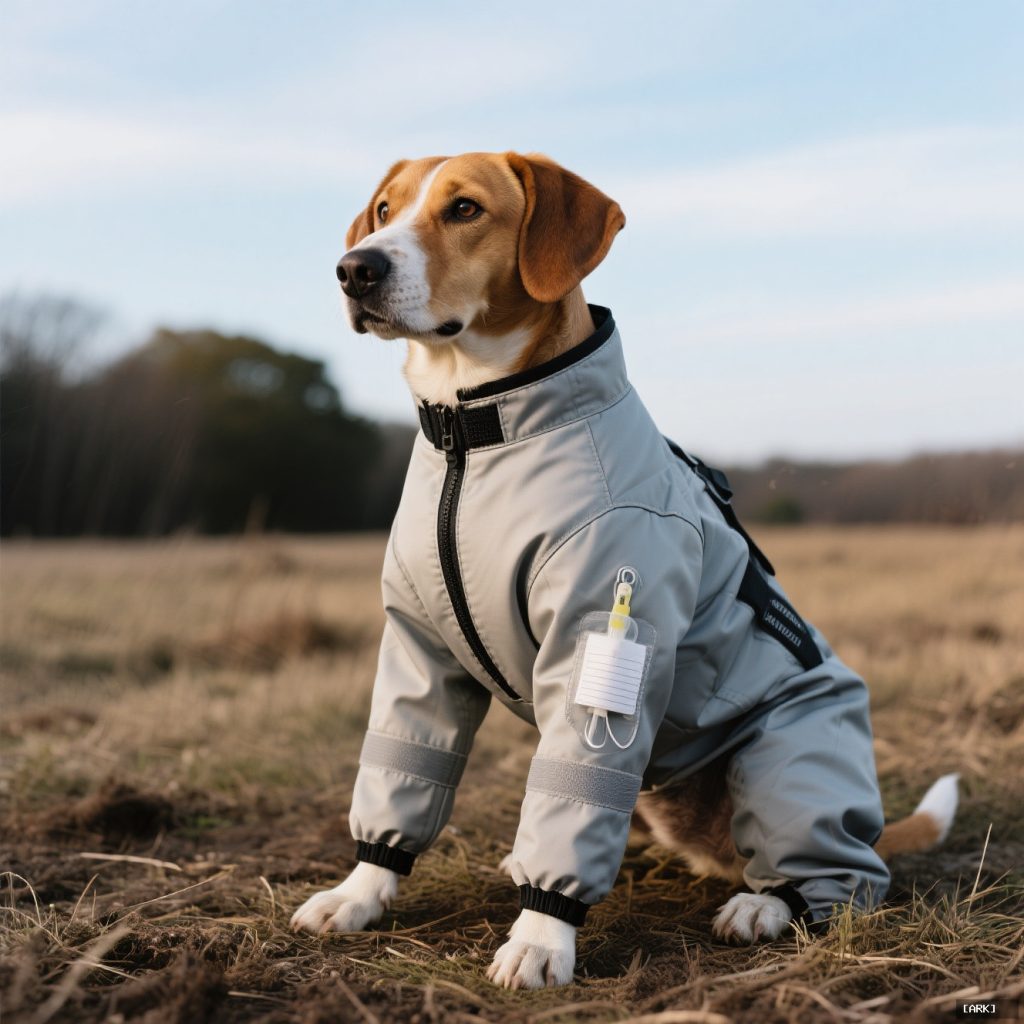
A dog recovery suit is a piece of design language long before it’s a medical garment. Its fabric, cut, and fastenings tell a silent story about care, constraint, and the brand behind it. This narrative is stitched into every seam, speaking to an owner’s values as much as it protects a healing incision.
When your dog needs one, you’re not just shopping for a piece of fabric. You’re choosing a companion for a vulnerable chapter. The right canine surgical suit can mean the difference between a restless, miserable pet and one who sleeps peacefully, healing with dignity. The wrong one is a scratchy, frustrating reminder of their limitations. This choice hinges on understanding the quiet dialogue of design.
The Silent Vocabulary of a Recovery Garment
Run your fingers over the lining. Is it a cool, slick polyester that feels like a raincoat, or a soft, brushed bamboo that breathes like a favorite t-shirt? This is the first sentence in the suit’s story. A suit with stark, medical-looking Velcro and industrial mesh shouts pure clinical function. It says, “This is a device.” One with soft jersey, contrasting piping, and discreet magnetic closures whispers a different tale—one of comfort-first healing and aesthetic consideration for the pet-parent experience.
The design language directly signals whether the brand sees the product as a disposable medical device or an integrated piece of home life during a stressful time. It answers a fundamental question: are we just covering a wound, or are we caring for a recovering family member?
Brand Narratives: The Story Behind the Stitches
A brand’s narrative frames the problem it believes it’s solving. This story isn’t just marketing fluff; it’s a blueprint for their design choices.
A brand story centered on “veterinary-grade performance” prioritizes technical specs. You’ll likely find utilitarian fabrics, perhaps ones tested in clinical settings, and closures designed for absolute security above all else. The look is often straightforward, even severe. It’s engineered for the incision, first and foremost.
Contrast this with a brand built on “stress-free recovery for the whole family.” Their language will emphasize softness, quiet fasteners (think snaps or magnets versus raspy Velcro), and patterns or colors that look less clinical in your living room. They’re designing for the dog’s comfort and the owner’s emotional peace. Your choice becomes a value judgment on which story of care resonates more with your own approach to your dog’s wellbeing. Do you prioritize uncompromising barrier protection, or holistic comfort? The brand’s told you their answer through their design.
The Price of Comfort: Where Budget Shows Up
Budget trade-offs in dog healing apparel appear in the details you can’t see in a glossy product photo. A very budget-friendly suit often uses cheaper, less breathable polyester linings and standard, scratchier hook-and-loop closures that can catch fur. The seams might be bulky, creating pressure points on a sleeping dog.
The mid-range trade-off might be a premium outer fabric—something that looks great—paired with a basic, functional lining. The high-end option seeks to eliminate compromise: organic cotton or bamboo velour inside and out, silent magnetic closures, and flat-lock seams that lie smooth against the skin.
The value judgment isn’t just about price, but about which compromises you’re willing to accept on your dog’s sensitive skin for a week or two versus the cost of more considerate materials. That liner is in constant contact with a healing wound and delicate skin. Is that where you want to save?
The Athleisure Parallel: When Pet Apparel Meets Human Expectation
There’s a non-obvious but powerful connection here to human fashion. The rise of “athleisure”—clothing designed for technical performance that looks good enough for daily life—mirrors the evolution of the dog recovery suit. We no longer accept purely functional, ugly medical gear for ourselves. Remember the stiff, beige hospital gown? Now, post-surgical garments for humans prioritize softness and a semblance of normalcy.
That expectation has decisively crossed over to our pets. The plastic “cone of shame” is the equivalent of that old hospital gown: effective but alienating. The best recovery suits now perform like medical devices but are designed with a pet-owner’s desire for something that doesn’t scream “sick dog” from across the room. They acknowledge that recovery happens in the heart of the home, and that aesthetics, while secondary to function, are part of psychological healing for both species involved.
Decoding Coherence: What to Look For
When evaluating a canine surgical suit, look for coherence. The materials, closures, color palette, and even the branding should tell one consistent story. Mismatched signals—like a “luxury” brand using loud, industrial Velcro or a “performance” brand using flimsy stitching—reveal a disconnect in the brand’s narrative.
Examine the stitching, especially around stress points like leg openings and seams. It should be flat and robust, not just for durability but as a visual cue of quality construction. Does the suit’s cut look thoughtfully shaped for a dog’s body, with room for shoulders and a tapered waist, or is it a simple, constricting tube? A thoughtful design considers the emotional load on the owner trying to get this on a confused dog as much as the physical load on the dog wearing it.
Your Hands-On Evaluation Checklist
- Feel the Lining: Press it against the inside of your wrist, your most sensitive skin. Is it soft, breathable, and pleasant, or slick, synthetic, and likely to trap heat?
- Test the Fasteners: Open and close them multiple times. Are they quiet and easy to operate one-handed while you’re possibly holding a squirmy dog? Does Velcro catch on itself or the suit’s fabric?
- Assess the Cut: Lay the suit flat. Does it have clear shaping for a chest, a back, and leg openings that look sized appropriately? A good shape prevents chafing.
- Inspect the Details: Look at stitch density and finishing. Are edges bound or left to fray? Is there strategic reinforcement where your dog might pull or scratch?
- Consider the Visual Impact: Does a neutral tone or a gentle pattern help it feel less like a medical billboard in your home? For some, a fun print can lighten a difficult mood.
Navigating Common Design Questions
Does a prettier or more discreet suit mean it’s less functional?
Not at all. In fact, good design seeks to enhance function. Magnetic snaps can be more secure and far easier to use than Velcro while looking cleaner. A breathable, natural fiber lining is both more comfortable and better for wound healing than a non-breathable synthetic. The goal is integration, not compromise.
Why do some brands use such bright colors or wild patterns?
This is often a deliberate brand choice to appear fun, approachable, and less scary, especially for products marketed for puppies or routine procedures like spays and neuters. It can help a child feel less worried about their pet and make the dog look like they’re in a quirky outfit rather than a medical device.
Is the brand’s story just marketing?
The story is a lens, and it’s your job to look through it. If a brand talks about sustainable materials, check what those actually are (e.g., recycled polyester vs. organic hemp). If they emphasize “veterinarian-designed,” see if they credit or collaborate with actual vets. The narrative should be backed by tangible design choices you can verify with your own eyes and hands.
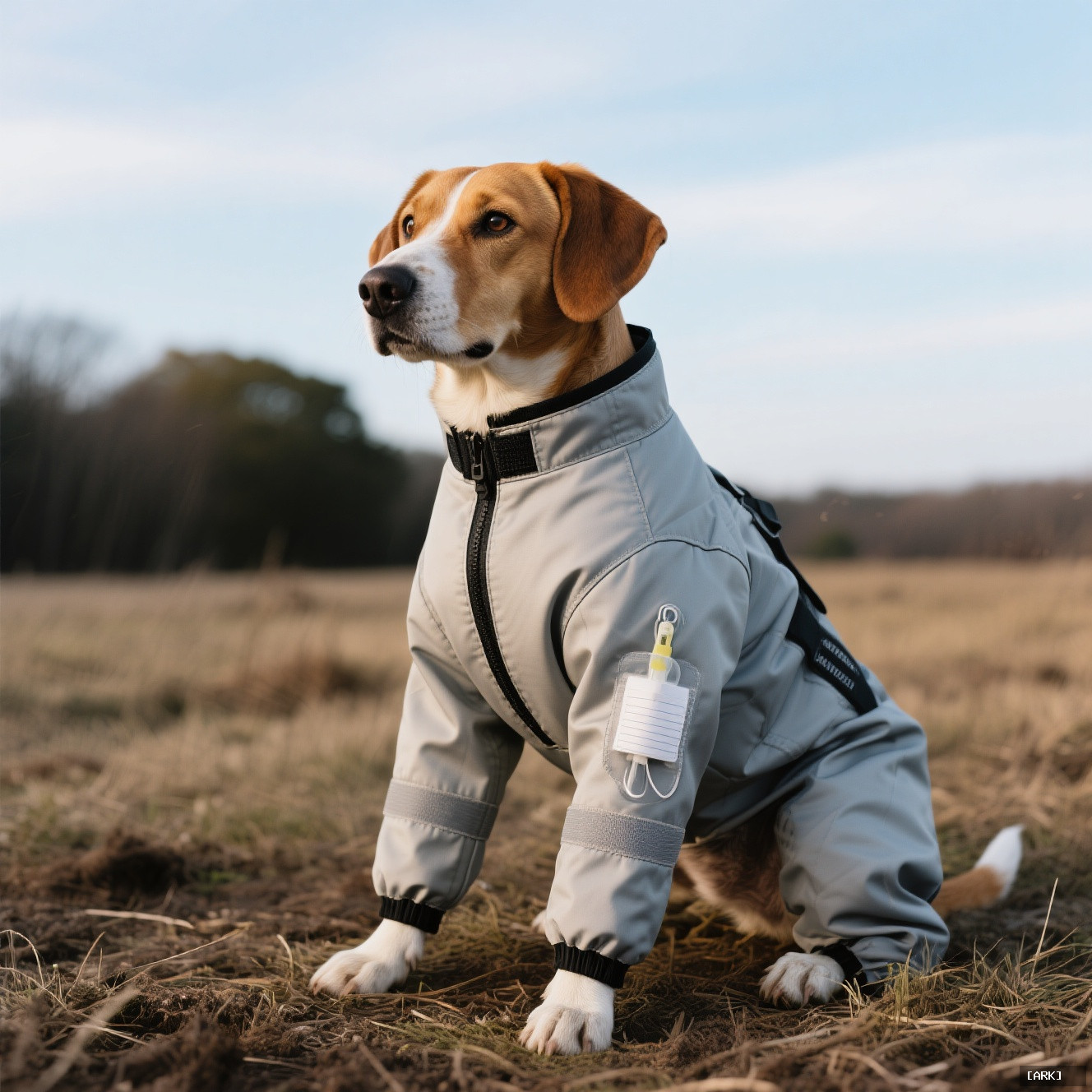
Choosing a dog recovery suit is an act of interpretation. You’re reading the story the brand has woven into its product and deciding if it’s a story that fits your dog’s life—and your life with them. It’s about finding that garment which doesn’t just do its job, but does it with a kindness that speaks your language of care. In the quiet days of recovery, those small considerations—the soft lining, the easy snap, the gentle color—become a profound part of the healing process itself.
Sources & Further Reading
✨ You Might Also Enjoy

You may also like
Herbal Bead Bracelet: Ancient Chinese Aromatherapy for Modern Wellness | HandMyth™
Original price was: ¥2,199.00.¥1,352.00Current price is: ¥1,352.00. Add to cartPremium Herbal Beads Bracelet: Traditional Medicine Meets Modern Jewelry | Shop HandMyth
Original price was: ¥874.00.¥608.00Current price is: ¥608.00. Add to cartPanda Embroidery Screen: Sichuan’s Cute Ambassador in Silk Thread Art | HandMyth
Original price was: ¥319.00.¥230.00Current price is: ¥230.00. Add to cartPanda Gift Set: Curated Chinese Treasures for Panda Lovers | HandMyth™ (Free Gift Wrap)
Original price was: ¥136.00.¥118.00Current price is: ¥118.00. Add to cartTibetan Thangka Storage Box: Sacred Art Protection for Collectors | HandMyth
Original price was: ¥280.00.¥219.00Current price is: ¥219.00. Add to cartPure Silk Handbag: Hangzhou’s Legendary Silk Weaving for Modern Elegance | HandMyth™
Original price was: ¥874.00.¥786.00Current price is: ¥786.00. Add to cartHand-Painted Silk Scarf: Wearable Art from China’s Silk Road | HandMyth (Artist Signed)
Original price was: ¥1,017.00.¥935.00Current price is: ¥935.00. Add to cartModern Qipao Dress: Timeless Chinese Elegance for Today’s Woman | HandMyth (Custom Fit)
Original price was: ¥2,459.00.¥2,240.00Current price is: ¥2,240.00. Add to cartEmbroidered Chinese Handbag: Suzhou Silk Embroidery Meets Modern Fashion | HandMyth™
Original price was: ¥680.00.¥646.00Current price is: ¥646.00. Add to cart