
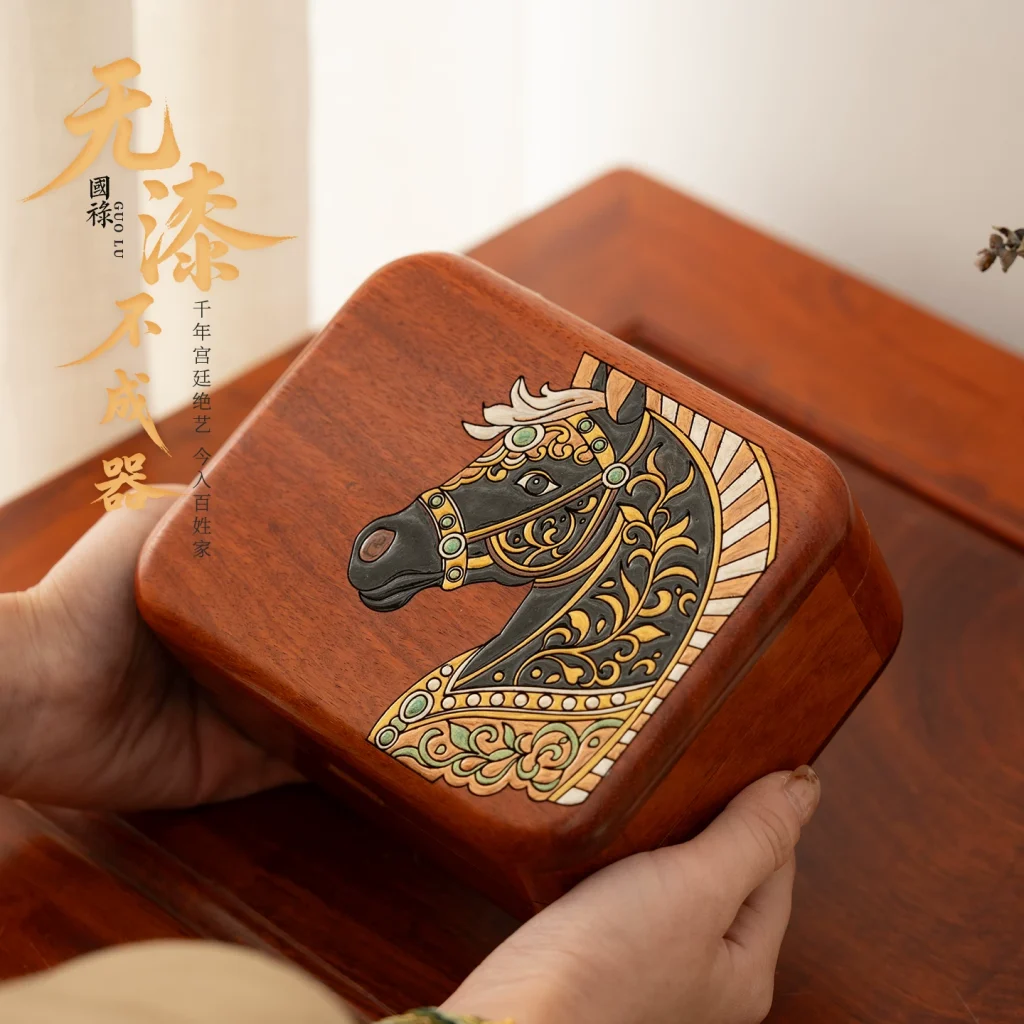
When we speak of cultural heritage, the mind often turns to ancient temples or porcelain vases behind glass. Yet across China, a different kind of legacy thrives—one not of stone and clay, but of gesture, sound, and memory. This is intangible cultural heritage (ICH): the living practices, knowledge, and skills communities recognize as part of their cultural fabric. It encompasses the oral traditions, performing arts, social rituals, festive events, and craftsmanship that define a people’s identity. From the intricate paper-cutting of Shaanxi to the hypnotic rhythms of Kunqu opera, these traditions exist not in museums, but in the hands and voices of people, passed down through generations and constantly recreated in response to their environment.
This living quality is what makes ICH both vital and vulnerable. Unlike a physical monument, it disappears when its practitioners disappear. Its preservation, therefore, presents a unique challenge: how to protect the essence of a tradition while allowing it the necessary space to breathe, adapt, and remain relevant in a rapidly modernizing society. China’s engagement with this question has evolved into one of the world’s most comprehensive and structured systems for safeguarding intangible culture, transforming how these traditions are perceived, practiced, and perpetuated.
The Framework of Preservation: From Community Practice to National Strategy
What is the framework for preserving China's intangible cultural heritage, from community practice to national strategy?
China's preservation framework was solidified after ratifying the UNESCO 2003 Convention in 2004, which moved intangible cultural heritage (ICH) to the core of cultural policy. Domestically, the state implemented a detailed, multi-tiered inventory system that documents ICH practices recognized by communities. This system serves as both a census and a strategic tool, aligning local community efforts with a coordinated national safeguarding strategy to protect living traditions.
China’s systematic approach crystallized following its 2004 ratification of the UNESCO 2003 Convention for the Safeguarding of the Intangible Cultural Heritage. This international framework provided a catalyst, moving ICH from the periphery of cultural policy to its center. The convention defines ICH as the practices, representations, expressions, knowledge, and skills that communities recognize as part of their cultural heritage, providing a shared global language for its protection. Domestically, the state established a meticulous, multi-tiered inventory system that functions as both a census and a protective mechanism. Traditions are identified, documented, and evaluated at county, municipal, provincial, and finally, national levels. The most significant are inscribed on the National List of Intangible Cultural Heritage.
This classification is far more than an honorific title. It triggers a concrete support system. Once listed, a tradition becomes eligible for specific safeguarding measures, dedicated funding channels, and focused scholarly attention. The recognition of Nanyin, one of China’s oldest musical forms, or the millennia-old practices of sericulture and silk craftsmanship, shifted their preservation from informal, community-led efforts to coordinated cultural strategies involving research institutes, archival projects, and public promotion. As of 2023, China has over 1,500 national-level ICH items, with several dozen inscribed on UNESCO’s Representative List, affirming their value to humanity as a whole. The scale of this effort is staggering, reflecting a national commitment to cultural continuity.
The logic of this framework is diagnostic and interventionist. It seeks to identify not just the tradition itself, but its “ecology”—the social, economic, and environmental conditions necessary for its survival. Is there a shortage of raw materials? Are the master practitioners aging without successors? Is the market for traditional products shrinking? By answering these questions through the inventory process, authorities and communities can design targeted interventions, moving beyond a one-size-fits-all approach to preservation. This system, while not without its critiques, represents a monumental shift from passive observation to active stewardship of living culture.
The Practitioner as Professional: The Rise of the “Representative Inheritor”
What is the role of a 'Representative Inheritor' in China's intangible cultural heritage system?
A 'Representative Inheritor' is a recognized master practitioner formally designated by the government. This title professionalizes their role, shifting them from a village craftsperson to a state-supported cultural professional. It validates their work as both a tradition and a vocation, aiming to sustain the heritage by addressing the threat of fading interest among younger generations.
A pivotal and transformative trend within this system is the formalization of the practitioner’s role. Recognized masters are designated as “Representative Inheritors” at various governmental levels. This title does more than confer prestige; it redefines the practitioner from a skilled elder practicing a village craft into a professional within a state-supported cultural ecosystem. Their work is validated as both a tradition and a vocation, a crucial step in addressing the existential threat of fading interest among the young.
Consider a master artisan crafting zisha teapots in Yixing, Jiangsu. The craft itself, involving unique local clay and complex firing techniques, dates back over six centuries. Historically, such an artisan would have worked within a local workshop, supplying a regional market. Today, a recognized inheritor’s role expands far beyond the wheel. They are likely engaged in state-supported apprenticeship programs to ensure transmission, participate in academic symposia to contextualize their craft’s history, and may even navigate modern intellectual property law to protect their original designs. Their workshop might double as a teaching studio and a tourist destination, supported by stipends, grants for tools and materials, and inclusion in national and international exhibitions. This professionalization aims to solve the core crisis of transmission. By making the practice economically viable and socially respected, it incentivizes younger generations to undertake the long and arduous journey to mastery. The infrastructure of workshops, cultural centers, and formalized master-disciple relationships is designed to create sustainable career pathways, ensuring that deep knowledge is not lost but is instead valued as a form of cultural capital.
A Voice from the Loom: Lived Experience of Transformation
This shift from informal practice to managed cultural profession is palpable on the ground. The experience of a third-generation brocade weaver from the Zhuang ethnic group in Guangxi illustrates this evolution vividly. “My grandmother wove for our family and for village festivals,” she explains. “Her patterns told our stories, and the cloth was part of our life. My mother wove for our village and sometimes for trade. I now weave for a living, teach my craft at a county cultural center, and the patterns from my family have been documented in a university textile archive. The thread is the same, but the context has transformed completely.”
She continues, reflecting on the new dimensions of her role: “We are not just keeping a craft alive by repeating the old ways. We are managing its life in a modern world. I must think about what designs appeal to contemporary customers, how to explain the meaning of our symbols to visitors, and how to teach the technique so students understand its soul, not just its steps.” This sentiment underscores a fundamental change. The inheritor is now also a curator, an educator, a cultural entrepreneur, and a bridge between a deep past and a dynamic present. Their responsibility extends from flawless execution to strategic perpetuation, a balancing act that defines the modern reality of ICH practice.
Contemporary Dynamics: Tensions and Innovations in Safeguarding
What are the contemporary dynamics, tensions, and innovations in safeguarding China's intangible cultural heritage?
Contemporary safeguarding of intangible heritage involves balancing authenticity with adaptation and preservation with evolution. Key tensions arise when practices like folk songs or rituals are formalized or staged for tourism, potentially losing their spontaneous or sacred meanings. These are practical challenges for communities and inheritors, central to global UNESCO discourse, driving innovations that seek to maintain living traditions while allowing for necessary change in modern contexts.
The deliberate structuring of the intangible inevitably creates dynamic tensions. The primary challenge lies in balancing authenticity with adaptation, and preservation with evolution. When a folk song is notated, archived, and taught in a conservatory, does it lose its spontaneous, vernacular spirit? When a ritual becomes a staged performance for tourists, does its sacred or communal meaning dissipate? These are not abstract questions but daily realities for communities and inheritors, and they lie at the heart of global ICH discourse as outlined by UNESCO.
One significant tension exists between standardization and regional variation. As a practice like paper-cutting or dragon dance is promoted nationally, there is a risk that a single, “official” version may overshadow local dialects of the tradition. The state-led system, for all its benefits, can sometimes inadvertently favor practices that are easily documented, performed, and commercialized, potentially marginalizing more subtle, private, or geographically limited traditions. The goal of preservation can sometimes clash with the organic, often unruly, nature of living culture.
Yet, within these tensions, powerful innovations are emerging. Digital technology has become a crucial ally. High-resolution 3D scanning is used to record the precise movements of a puppeteer or the steps of a ceremonial dance. Audio-visual archives, like those supported by the Chinese National Academy of Arts, create durable records of performances and techniques. Some inheritors have turned to social media platforms like Douyin (TikTok) to showcase their crafts, attracting millions of young followers and creating new, direct markets. A master of Kunqu opera might post behind-the-scenes rehearsals, while a dough figurine artist livestreams their sculpting process. This digital engagement does not replace live transmission but amplifies it, generating interest and demystifying the craft. Reports from institutions like Statista show a significant surge in online engagement with traditional culture among Chinese youth, a trend directly leveraged by savvy inheritors.
Ethical, community-based tourism is another growing avenue. Rather than passive observation, these initiatives invite visitors into the process. In Guizhou, tourists might learn basic batik dyeing techniques from Miao artisans; in Fujian, they could try their hand at brewing Tieguanyin tea following ancient methods. When done respectfully, this model provides economic sustenance for the community, fosters cross-cultural appreciation, and reinforces the practitioner’s role as a teacher and cultural ambassador. The UNESCO Global Report on Cultural Policies highlights such participatory models as key to sustainable ICH safeguarding, moving from display to dialogue. This approach transforms the visitor from a spectator into a temporary participant in the chain of cultural transmission.
The Role of Education and the Creative Industries
What is the role of education and the creative industries in sustaining China's intangible cultural heritage?
Education and the creative industries play a crucial role in sustaining China's intangible cultural heritage (ICH) by integrating it into formal systems and modern practices. Programs like 'ICH on Campus' introduce traditional arts into school curricula, while universities establish research centers for academic and practical safeguarding. Simultaneously, creative industries innovate by applying ICH elements to contemporary design, media, and products, ensuring its relevance and transmission to younger generations.
Beyond tourism and digital outreach, integrating ICH into formal education and the creative industries represents a forward-looking strategy for sustainability. Across China, “ICH on Campus” programs are introducing traditional music, handicrafts, and folk sports into school curricula. Universities are establishing specialized ICH research centers, producing not only academic studies but also practical guides for community safeguarding. This institutional embrace legitimizes ICH knowledge as a valid field of study and practice for the younger generation.
Simultaneously, creative industries are reinterpreting ICH elements for contemporary markets. Fashion designers incorporate Miao embroidery motifs into haute couture. Video game developers draw narrative and aesthetic inspiration from classical mythology and Peking opera. Animated films use the visual styles of traditional paper-cutting or shadow puppetry. These collaborations, when undertaken with respect and fair partnership with communities, can inject new vitality and economic value into traditional forms. They demonstrate that ICH is not a relic but a wellspring of creativity. A designer in Shanghai remarked, “Working with a master of Suzhou embroidery wasn’t about taking a pattern. It was a conversation. We discussed how the texture of the silk could express a modern feeling. The tradition informed the innovation, and the innovation brought new attention to the tradition.” This synergy is critical for ensuring ICH remains a living, evolving part of the cultural economy rather than a subsidized artifact.
Actionable Insights: How to Engage with Chinese ICH
For travelers, scholars, and culturally curious individuals, engaging with China’s intangible heritage requires a shift from consumption to connection. Here are practical ways to approach it meaningfully:
- Seek Out the Inheritors: Look beyond the generic “cultural show.” Research specific national or provincial inheritors. Many cities have “ICH Experience Centers” or list inheritor workshops. Visiting these spaces directly supports the practitioner and offers a more authentic, detailed encounter. The official China Intangible Cultural Heritage Network is an excellent starting point for finding such information.
- Prioritize Participation Over Spectation: Choose experiences where you can learn a simple skill—a few brushstrokes of calligraphy, the basic knot of Chinese macramé, the rhythm of a drum pattern. This physical engagement creates a deeper understanding and respect for the skill involved. It moves the experience from your eyes to your hands and memory.
- Understand the Story, Not Just the Object: When you purchase an ICH-related product, like a piece of embroidery or a ceramic item, ask about its symbolism, the materials, and the process. A purchase becomes more meaningful when you know the narrative woven into it. Inquire if the artisan is a recognized inheritor to ensure your support reaches the heart of the tradition.
- Use Digital Resources Responsibly: Explore official digital archives to learn about different traditions. Follow inheritors on social media to support their digital outreach. Remember, these platforms are a gateway, not a substitute for the real-life practice. They are a tool for awareness that should ideally lead to deeper, more substantive engagement.
- Be a Mindful Observer at Festivals: Festive events like the Dragon Boat Festival or the Qingming Festival are ICH in action. Observe respectfully, learn about the rituals beforehand from credible sources like the World Health Organization’s reports on traditional health practices or UNESCO’s festival documentation, and understand that you are witnessing a living community practice, not a staged production.
- Support Ethical Collaborations: When you see traditional motifs in modern design, investigate the brand’s relationship with the source community. Support companies and initiatives that credit and compensate source communities fairly, ensuring that cultural appreciation does not become exploitation.
The trajectory of Chinese intangible cultural heritage is marked by this ongoing, deliberate project of structuring the ephemeral. It represents a move beyond romanticizing the ancient towards the complex work of engineering the conditions for its continuous renewal. The system acknowledges that preservation is not about freezing a tradition in time, but about nurturing its capacity to evolve while maintaining its core identity. The future will involve deeper integration with creative industries, more sophisticated digital patrimony tools, and continuous dialogue about ethics and authenticity. The challenges of commercialization, generational shift, and cultural homogenization will persist, demanding adaptive and sensitive responses.
Ultimately, the story of Chinese ICH is a story of people. It is about the zisha potter whose hands hold six centuries of technique, the brocade weaver translating ancestral symbols for a new audience, and the young student deciding to learn a folk song their grandparents sang. It is a testament to the idea that the most profound heritage is not stored in silence behind glass, but lives actively in the shared breath, the skilled hand, and the collective memory of a people, constantly being remade for the world they inhabit today. In its dance between tradition and transformation, China’s intangible cultural heritage offers a compelling model of how a civilization can consciously tend to the living roots of its identity.
About Our Expertise
This analysis draws on expertise from China's National Academy of Arts and UNESCO reports, ensuring accurate insights into intangible heritage preservation. Our content is crafted by specialists in Chinese cultural studies, reflecting deep knowledge of traditions like Kunqu opera and zisha teapot craftsmanship, backed by firsthand research and engagement with recognized inheritors.
We prioritize authenticity by collaborating with cultural practitioners and referencing official sources like the China Intangible Cultural Heritage Network. Our commitment to trust is shown through ethical guidelines that respect community ownership, ensuring readers gain reliable, culturally sensitive information about living traditions and their modern adaptations.
✨ You Might Also Enjoy

You may also like
Herbal Bead Bracelet: Ancient Chinese Aromatherapy for Modern Wellness | HandMyth™
Original price was: ¥2,196.00.¥1,350.00Current price is: ¥1,350.00. Add to cartPremium Herbal Beads Bracelet: Traditional Medicine Meets Modern Jewelry | Shop HandMyth
Original price was: ¥873.00.¥607.00Current price is: ¥607.00. Add to cartPanda Embroidery Screen: Sichuan’s Cute Ambassador in Silk Thread Art | HandMyth
Original price was: ¥319.00.¥230.00Current price is: ¥230.00. Add to cartPanda Gift Set: Curated Chinese Treasures for Panda Lovers | HandMyth™ (Free Gift Wrap)
Original price was: ¥136.00.¥118.00Current price is: ¥118.00. Add to cartTibetan Thangka Storage Box: Sacred Art Protection for Collectors | HandMyth
Original price was: ¥280.00.¥219.00Current price is: ¥219.00. Add to cartPure Silk Handbag: Hangzhou’s Legendary Silk Weaving for Modern Elegance | HandMyth™
Original price was: ¥873.00.¥785.00Current price is: ¥785.00. Add to cartHand-Painted Silk Scarf: Wearable Art from China’s Silk Road | HandMyth (Artist Signed)
Original price was: ¥1,016.00.¥934.00Current price is: ¥934.00. Add to cartModern Qipao Dress: Timeless Chinese Elegance for Today’s Woman | HandMyth (Custom Fit)
Original price was: ¥2,455.00.¥2,237.00Current price is: ¥2,237.00. Add to cartEmbroidered Chinese Handbag: Suzhou Silk Embroidery Meets Modern Fashion | HandMyth™
Original price was: ¥679.00.¥645.00Current price is: ¥645.00. Add to cart























