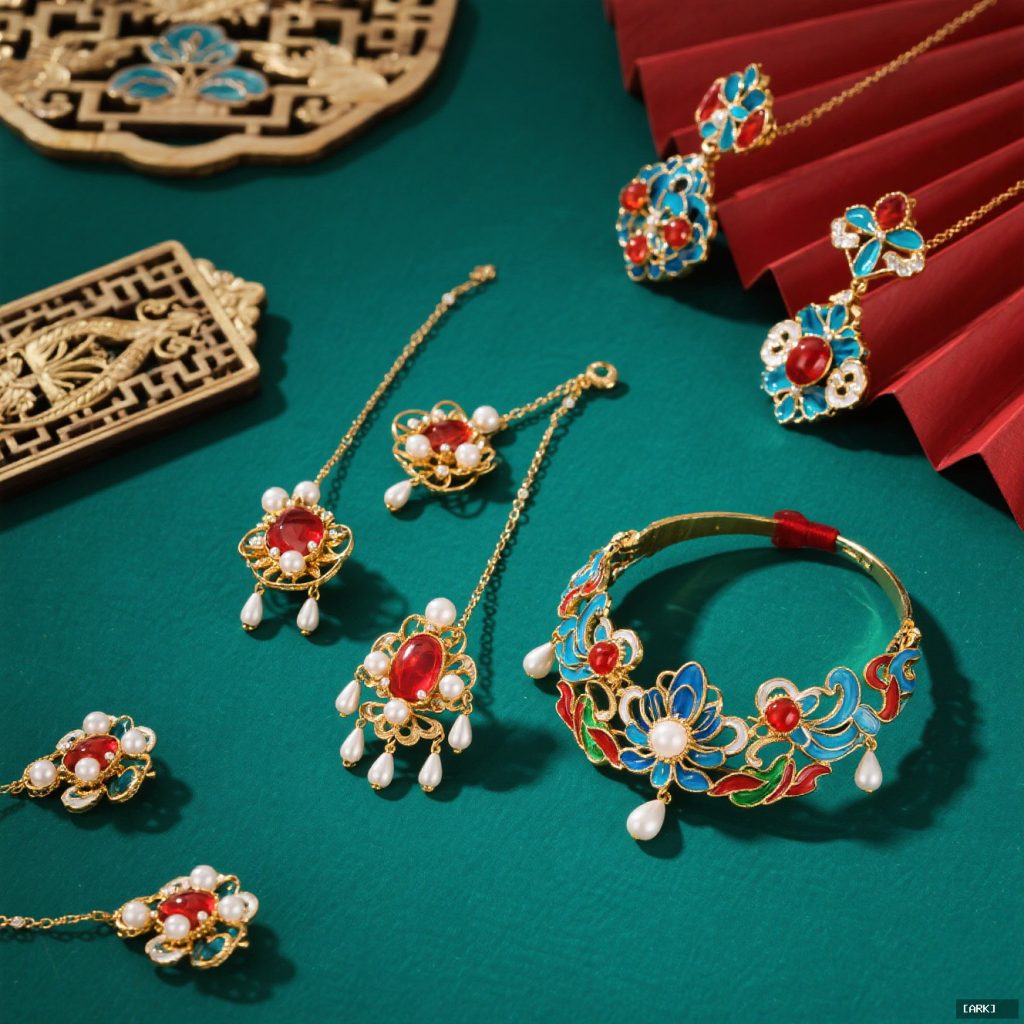
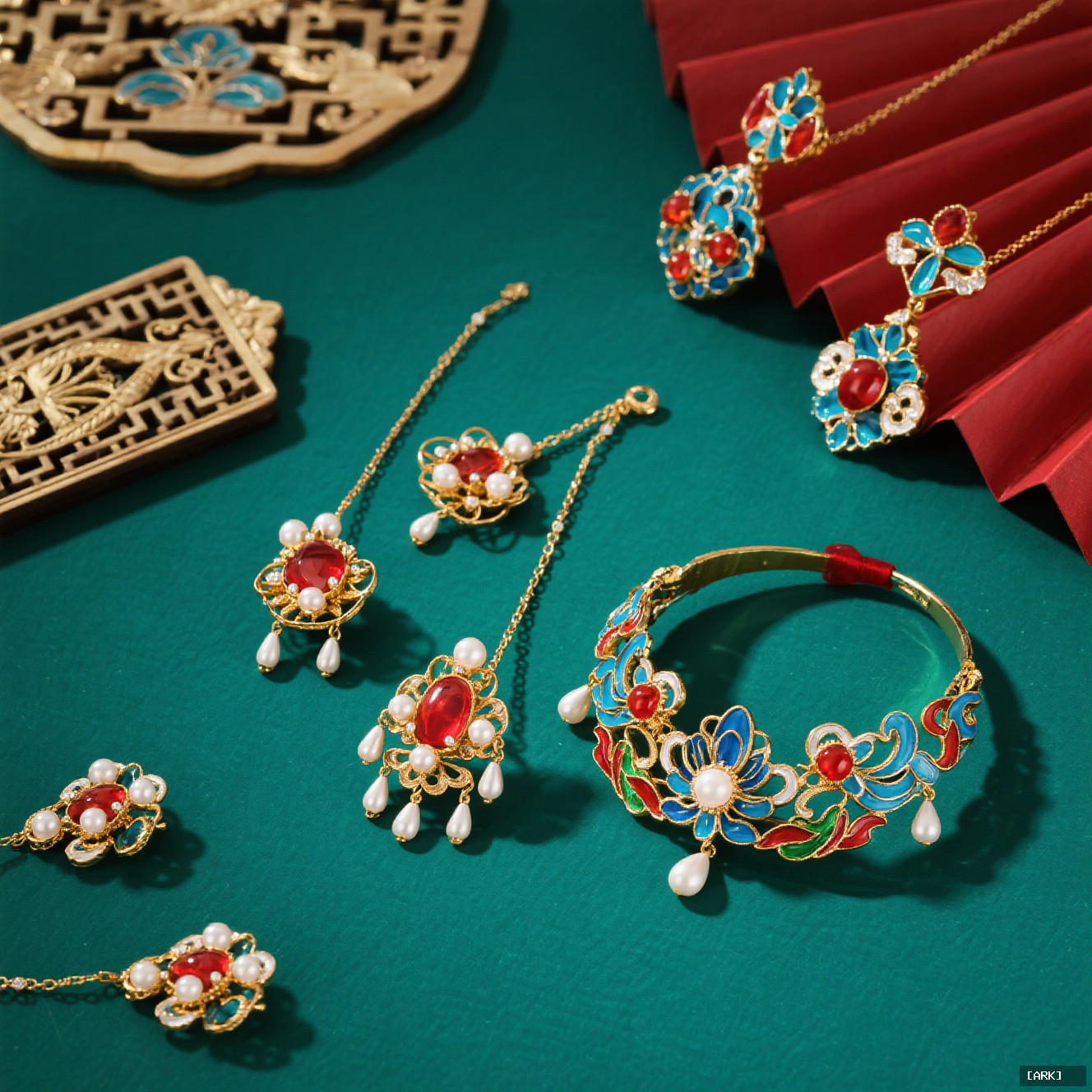
Fashionable Chinese accessories are a dynamic bridge between a rich cultural past and a global, modern present. They invite you into a story.
This isn’t about dressing up. It’s about finding objects of beauty and meaning that resonate with your personal style. The goal is to move beyond superficial decoration to pieces that feel considered, substantial, and alive with history, even when their design is thoroughly contemporary. When done right, a single accessory can anchor an outfit, spark a conversation, and become a daily touchstone of artistry.
The Heart of the Matter: Authenticity vs. Aesthetic
Let’s address the elephant in the room first. The line between appreciation and appropriation, or between authentic style and costume, feels thin. But in practice, it’s defined by understanding and intent.
Think of traditional Hanfu ornaments as a language. A hairpin, a jade pendant, a specific knot—each has a grammar, a history, a context. Wearing them ignorantly is like shouting random words in a foreign tongue. Wearing them with respect for their origin and craft is a form of dialogue. The modern versions that work best are like poetry in translation: they capture the essence, the rhythm, and the emotion of the original, but in a form that speaks directly to a contemporary audience.
Watered-down versions, by contrast, are just empty slogans. They take a symbol—a dragon, a phoenix, a character—and divorce it from all meaning, slapping it onto a generic setting. The result feels hollow because it is. The connection has been severed.
Materials with a Memory: Jade, Silk, and Metal
The soul of Chinese accessories lives in their materials. These are not neutral substances; they are carriers of centuries of symbolism and sensory pleasure.
Jade is the quintessential example. For millennia, it has been revered not for its sparkle, but for its virtues: its toughness, its smooth, cool touch, its subtle, milky depths. Confucius likened its qualities to human morality. Wearing jade is an intimate experience. The way it feels against your skin, the soft click of bangles together, its gradual warming to your body temperature—this is a personal, quiet luxury. A well-chosen jade piece isn’t loud; it’s a constant, calming companion.
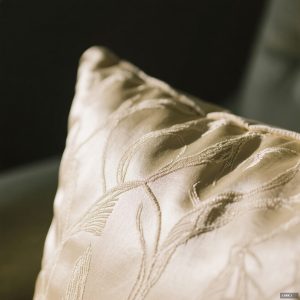
Then there’s silk. The way it catches light, its fluid drape, and the incredible artistry of its embroidery tell a story of trade routes and imperial workshops. A silk cord used in knotting, or an embroidered silk pouch, brings a tactile softness and luminous color that synthetic fabrics can’t replicate.
Metals, too, have their roles. Silver was often used in ethnic minority jewelry, hammered and engraved with breathtaking detail. Gold, in imperial contexts, symbolized the sun and supreme power. In modern interpretations, these metals provide structure and shine, allowing ancient motifs to feel fresh and wearable.
Forms and Functions: From Hairpins to Pouch Bags
Traditional accessories were rarely just decorative. They solved problems with sublime artistry.
The zan or chai hairpin is a perfect case study. In a time of elaborate hairstyles, these pins were essential tools. But they became canvases for miniature sculptures—carved jade, filigree gold, kingfisher feathers, and pearls. Wearing one today, even with simple hair, references that history of functional beauty. It’s a small act of holding things together, quite literally.
The embroidered pouch bag, or xiangnang, was a predecessor to the handbag. Used to carry spices, money, or seals, it was a highly personal item, often given as a token of affection. Its surfaces were embroidered with symbolic wishes: bats for fortune, lotus for purity, endless knots for longevity. Slung across a modern dress or paired with jeans, it retains that sense of being a keeper of personal treasures.
And we cannot forget the art of zhongguojie, Chinese knotting. Every knot has a name and a meaning—the Pan Chang knot for endless cycles, the double coin knot for prosperity. This is mathematics made tactile, a cord transformed into a complex, durable symbol through sheer skill. A modern necklace using this technique carries the weight of that intricate, mindful craft.
Modern Oriental Accessories: A New Chapter
This is where the conversation gets exciting. Contemporary designers are not simply copying museum pieces. They are engaging in a true dialogue with tradition.
You might see a bracelet that uses the ancient knotting technique but with aerospace-grade titanium wire. A ring might feature the textured, organic feel of a scholar’s rock, but rendered in matte ceramic. A designer might take the elegant, sweeping form of a traditional ruyi scepter (a symbol of wishes coming true) and distill it into a simple, elegant brooch for a blazer lapel.
The authenticity here comes from engaging with the principle, not just the iconography. It’s about capturing the balance of a design, the symbolism of a material, or the philosophy behind a form. When a designer asks, “Why was this made this way?” and then translates that ‘why’ into a modern material or silhouette, the result feels both genuine and new.
Styling Beyond the Obvious: Your Daily Wear
Integrating these pieces into a modern wardrobe is about confidence and contrast. The key is to let the accessory be the focal point.
For a bold piece like a jade bangle, adopt a minimalist approach. Wear it alone on a wrist with a crisp white shirt and tailored trousers. Let its serene, solid presence anchor the look. Don’t fight it with other bracelets; respect its statement.
A delicate kingfisher feather hairpin (or a modern enamel interpretation) can add a startling point of color and craft to a simple bun or ponytail. It turns an everyday hairstyle into something special.
Men have a wealth of options that lean into texture and subtle symbolism. Scholar’s bead bracelets, historically made of wood, stone, or lacquer, are inherently masculine and understated. A pendant of hetian jade, dark and subdued, carries meaning without flash. A signet ring etched with a cloud and thunder pattern (a traditional symbol of divinity and change) feels both ancient and modern.
Fusion is your friend. That embroidered silk pouch? It looks incredible with a leather jacket and jeans. A cloisonné enamel button used as a lapel pin on a navy blazer is a brilliant flash of artisanal color. The juxtaposition is what makes it feel modern and personal, not costumed.
A Buyer’s Guide: Engaging Your Senses
When assessing a piece, whether antique or contemporary, move beyond just looking. Your other senses are your best critics.
Weight: Quality materials have a satisfying, substantial heft. A jade bangle should feel solid, not hollow. A metal hairpin should have some presence.
Sound: Gently tap pieces together. Fine jade has a clear, resonant chime. Porcelain beads ring. Cheap glass or resin produces a dull, dead click.
Touch: Run your fingers over every surface. Seams in metal should be smooth and seamless. Carvings should be crisp, not muddy. Knots should be tight and uniform. The piece should invite handling.
Sight: Look at the finish. Is it hand-polished to a soft luster? Is the color of jade consistent and naturally varied? Is enamel work clean, with colors contained within their metal wires?
Your Practical Checklist
- Interrogate the Material: Is it honestly described? Real silver, jade (nephrite or jadeite), silk, solid wood?
- Ask About Technique: Is it hand-carved, hand-knotted, hand-embroidered, or cast? The story of its making adds value.
- Examine the Hardware: Is the clasp secure and well-proportioned? Is a cord strong and properly attached? The details reveal care.
- Test for Real Life: Does it lie flat? Move comfortably? Will it snag on fabric? Imagine wearing it through your day.
- Visualize the Connection: Before buying, mentally pair it with three specific items already in your closet. If you can’t, it might remain a drawer piece.
Navigating Common Questions with Respect
How do I wear these respectfully if I’m not of Chinese heritage? The core of appreciation is education and intent. Avoid items with specific ritual or ceremonial significance unless you are participating in that context (like a wedding hairpin). Understand the basic symbolism of what you’re wearing. Purchase from artisans or reputable sources that honor the craft. It’s about honoring the culture, not erasing your own.
Do I need a full Hanfu outfit? Absolutely not. In fact, strict head-to-toe historical dress outside of cultural events can feel like a performance. The most powerful style statements are often anachronistic—a traditional piece in a modern context creates a compelling tension.
How should I care for these pieces? Treat them like the art they are. Store them individually in soft pouches to prevent scratches. Keep them away from prolonged direct sunlight, perfumes, and harsh chemicals. For delicate items like cloisonné or feathers, a stable, dry environment is crucial. Wear them, enjoy them, but give them a safe home when not in use.
Sources & Further Exploration
Victoria and Albert Museum: What is Chinese Jade?
The Metropolitan Museum of Art: Han Dynasty Fashion
Google Arts & Culture: The Art of Chinese Knotting
China Highlights: Chinese Jewelry Culture
✨ You Might Also Enjoy
You may also like
Herbal Bead Bracelet: Ancient Chinese Aromatherapy for Modern Wellness | HandMyth™
Original price was: ¥2,201.00.¥1,354.00Current price is: ¥1,354.00. Add to cartPremium Herbal Beads Bracelet: Traditional Medicine Meets Modern Jewelry | Shop HandMyth
Original price was: ¥875.00.¥609.00Current price is: ¥609.00. Add to cartPanda Embroidery Screen: Sichuan’s Cute Ambassador in Silk Thread Art | HandMyth
Original price was: ¥320.00.¥231.00Current price is: ¥231.00. Add to cartPanda Gift Set: Curated Chinese Treasures for Panda Lovers | HandMyth™ (Free Gift Wrap)
Original price was: ¥136.00.¥118.00Current price is: ¥118.00. Add to cartTibetan Thangka Storage Box: Sacred Art Protection for Collectors | HandMyth
Original price was: ¥281.00.¥219.00Current price is: ¥219.00. Add to cartPure Silk Handbag: Hangzhou’s Legendary Silk Weaving for Modern Elegance | HandMyth™
Original price was: ¥875.00.¥786.00Current price is: ¥786.00. Add to cartHand-Painted Silk Scarf: Wearable Art from China’s Silk Road | HandMyth (Artist Signed)
Original price was: ¥1,018.00.¥936.00Current price is: ¥936.00. Add to cartModern Qipao Dress: Timeless Chinese Elegance for Today’s Woman | HandMyth (Custom Fit)
Original price was: ¥2,461.00.¥2,242.00Current price is: ¥2,242.00. Add to cartEmbroidered Chinese Handbag: Suzhou Silk Embroidery Meets Modern Fashion | HandMyth™
Original price was: ¥680.00.¥646.00Current price is: ¥646.00. Add to cart