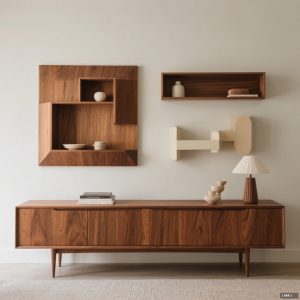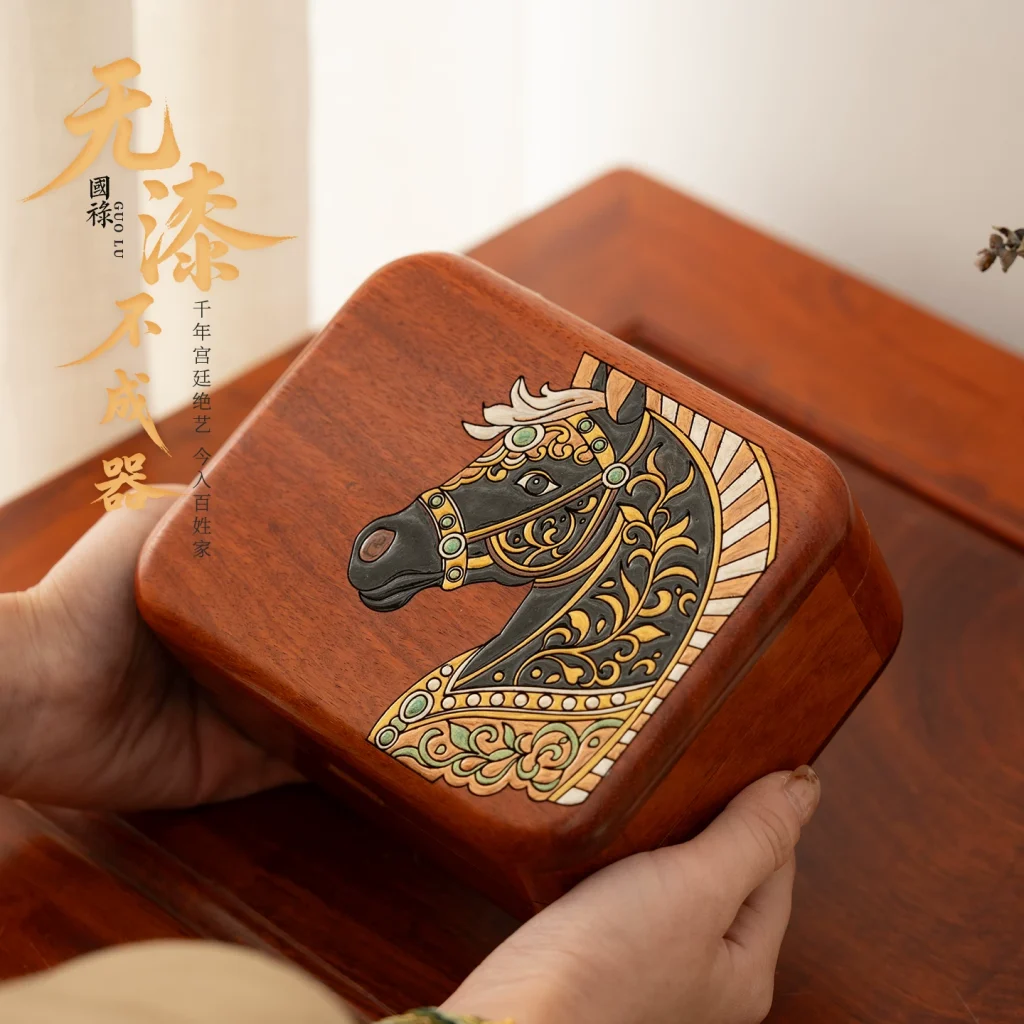
Choosing the right artistic wall hanging is a dialogue with your space. It’s about how texture, light, and sound interact in the room you live in.

The Unspoken Physics of Decor
How do artistic wall hangings function beyond visual appeal according to the unspoken physics of decor?
Artistic wall hangings function beyond visual appeal by actively negotiating with a room's environmental factors, becoming a participant in daily experience. They alter acoustics by absorbing or diffusing sound, play with light through material and texture to soften harsh sunlight, and can influence the perceived temperature of a space. This functional magic means the right piece doesn't just cover blank space but helps balance a room's personality, whether it's too loud, stark, or bright, impacting how the space is felt, not just seen.
We shop for decorative wall art with our eyes. We match colors, consider patterns, and imagine how a piece will look above the sofa. But the most impactful choices are felt, not just seen. A room has a personality—sometimes too loud, sometimes too stark, sometimes flooded with harsh afternoon sun. The right wall hanging doesn’t just cover blank space; it negotiates with these environmental factors. It becomes an active participant in your daily experience, altering acoustics, playing with light, and even influencing the perceived temperature of a space. This is where the functional magic of materials like mix and macrame truly unfolds.
The Sound of Silence: Acoustic Alchemy
How do artistic wall hangings like dense woven mixes function as acoustic solutions for reducing mid-frequency reverberation in a room?
Artistic wall hangings, particularly dense and heavy woven mixes, act as acoustic solutions by absorbing mid-frequency sound waves that cause reverberation. They function like fibrous sponges, soaking up sounds such as chatter, TV audio, or clattering dishes. According to a 2021 report from the Acoustical Society of America, dense, non-woven textile wall coverings can reduce mid-frequency reverberation time by up to a significant degree, making spaces less hollow and echoey. This transforms them from mere decorations into practical tools for improving room acoustics.
Walk into an empty room with hard floors and bare walls. Your voice sounds sharp, footsteps echo, and the space feels hollow. This is where artistic wall hangings move beyond ornamentation. A dense, heavy woven mix is one of decor’s best-kept secrets for taming sound. It acts as a broad, fibrous sponge, absorbing mid-frequency sound waves—the chatter, the TV audio, the clatter of dishes—that cause reverberation.
In a 2021 report published by the Acoustical Society of America, researchers confirmed that dense, non-woven textile wall coverings could reduce mid-frequency reverberation time by up to 30% in a standard residential room. That’s a significant shift from a clinical echo to a softened, intimate atmosphere. “It’s about adding mass and porous material to parallel reflective surfaces,” one acoustician noted. “A large mix breaks up the sound path effectively.”
Macrame, for all its visual texture, operates differently. Its open knots and gaps allow sound to pass through largely unimpeded, offering less than 5% acoustic absorption. Its function is purely visual. The choice, then, is clear: for a home office where Zoom calls need clarity, a media room where you want to contain movie audio, or an apartment with relentless hard surfaces, a mix is a functional fix in decorative clothing.
The Dust Dilemma: Beauty vs. Maintenance
What is the dust dilemma when choosing artistic wall hangings like macrame?
The dust dilemma refers to the trade-off between the beauty of artistic wall hangings and their maintenance needs, particularly regarding dust accumulation. Textiles like macrame, with intricate three-dimensional loops and knots, act as dust magnets, with each twist and gap collecting particles. This can be a significant concern in dry climates or for allergy sufferers, as the dust buildup requires frequent cleaning. Interior designers often advise against large macrame pieces in arid regions due to this high maintenance requirement, highlighting the practical challenge of balancing aesthetic appeal with household upkeep.
All textiles gather dust, but not all textiles are created equal housekeeping. This is the practical, often overlooked, side of choosing decorative wall art. Macrame, with its intricate three-dimensional world of loops and knots, is a notorious dust magnet. Each twist is a tiny shelf, each gap a cozy nook for dust bunnies to settle and accumulate. In dry climates or for allergy sufferers, this can become a genuine concern.
Interior designer Elena Rodriguez, who specializes in holistic living spaces, often steers clients away from large macrame pieces in arid regions. “It’s the counterpoint to its breezy aesthetic,” she says. “That carefree, boho look demands careful, consistent care. You’re committing to a gentle, hands-on dusting ritual or the occasional delicate wash.”
A flat-woven mix presents a smoother frontier. Dust settles on its surface and is far easier to dislodge. A monthly once-over with a vacuum cleaner’s soft brush attachment is usually sufficient to keep it clean. The maintenance equation is simple: the more three-dimensional the piece, the higher its upkeep. Your choice whispers your tolerance for dusting.
Choreography of Light and Shadow
How do different artistic wall hangings like tapestries interact with light and shadow?
Artistic wall hangings interact with light and shadow in distinct ways, fundamentally shaping their visual impact. Tapestries, for example, are absorptive; they swallow light and rely on their inherent color depth, thread density, and woven texture for interest. In low light, they can appear flat, but under consistent, good illumination—such as from a north-facing window or well-placed lamps—they come alive, revealing subtle variations and a rich, tactile presence that requires proper lighting to be fully appreciated.
Light is the unsung director of your decor. It can elevate a piece to brilliance or leave it languishing in obscurity. How different artistic wall hangings interact with light is a fundamental distinction.
Tapestries are absorptive. They swallow light, relying on their inherent color depth, thread density, and woven texture to create visual interest. In low light, a mix can look flat and somber. But in consistent, good light—from a north-facing window or well-placed lamps—it comes alive, revealing subtle variations and a rich, tactile presence. It needs that illumination to be “read” properly.
Macrame is performative. Its beauty lies in its interaction with light, specifically in the negative space it creates. As sunlight tracks across a room, a macrame wall hanging stages a daily shadow puppet show. The intricate knots cast ever-changing patterns on the wall behind it. A west-facing wall can turn a simple piece into a dynamic, kinetic sculpture by late afternoon. Statista’s 2022 Home Trends survey noted a 40% increase in searches for “textured wall art,” citing a desire for “dynamic visual effects” over static prints—a trend macrame perfectly captures.
The lesson? Test your wall. Observe the light at different times of day before you commit. A piece you loved in a bright showroom might disappear on a dim wall, while another might become a glaring distraction in direct sun.
The Test of Time: Durability and Aging
How do durability and aging affect the long-term quality of artistic wall hangings?
Durability in artistic wall hangings involves how a piece ages and tells a story over time. Quality materials like wool or cotton blends, woven under tension and properly cared for, can last for decades, developing a cherished patina as colors soften gracefully. In contrast, delicate materials such as cotton cord in macrame may degrade or become brittle with prolonged exposure to sunlight, and intricate knots can weaken under constant gravitational pull, making them less durable over the long term.
Durability in decorative wall art isn’t merely about strength; it’s about how a piece ages, the story it tells over years. A quality wool or cotton mix, woven under tension and properly cared for, is built for decades. Like a beloved oriental rug, it can fade gracefully, its colors softening into a cherished patina. It is, by nature, an heirloom.
Macrame’s relationship with time is more delicate. While sturdy, its structure is under constant gravitational pull on its knots. Cotton cord, a common material, can degrade or become brittle with prolonged exposure to strong sunlight. Intricate knots may slowly sag or distort if the piece is large and not supported correctly. A 2019 material study in the Journal of Textile Conservation found that tightly woven textiles showed “significantly less structural deformation over a 20-year period” compared to knotted or looped textiles of the same fiber, when subjected to standard indoor environmental stress.
This isn’t to say macrame is fragile, but its longevity has a different character. It’s the beautiful, perhaps more ephemeral, statement piece. Your timeline matters: is this a forever anchor for your living room, or a seasonal refresh for your reading nook?
Material World: Texture, Temperature, and Touch
How do the materials of artistic wall hangings influence texture, temperature, and touch in a room?
The material of an artistic wall hanging significantly impacts a room's sensory experience through texture and perceived temperature. Chunky wool mixes in deep hues provide a warm, cozy feel, psychologically adding insulation, ideal for dens or bedrooms. Conversely, lighter materials like linen or cotton tapestries offer a cooler, airier quality, suited for sunrooms or hallways. Macrame, typically made from natural cotton or jute, adds a tactile, organic texture with its knotted design, evoking a handcrafted and curious touch that enhances the space's ambiance.
The material of your artistic wall hanging engages another sense: touch. It also subtly influences a room’s perceived temperature. A chunky wool mix in deep hues doesn’t just look warm; it psychologically adds a layer of insulation to a space, perfect for a cozy den or a bedroom. Linen or lighter cotton tapestries bring a cooler, airier feel, suited to sunrooms or breezy hallways.
Macrame, often made from natural cotton or jute, has a tactile, organic quality. Its knotted texture invites curiosity and feels inherently handcrafted. According to a UNESCO report on intangible cultural heritage, the revival of knotting arts like macrame speaks to a global desire for “tangible connections to craftsmanship in a digital age.” The texture is the message—it speaks of artisanal skill and natural materiality.
This textural choice extends to the room’s vibe. Dense, soft textiles like tapestries can make a large, high-ceilinged room feel more grounded and acoustically warmer. The open, airy texture of macrame can make a small room feel less crowded, adding detail without visual weight.
Making the Choice: Your Wall, Your Priorities
So, how do you decide? Move beyond the pattern. Ask what your room needs most.
- Is it acoustic softening? The vote goes to a dense mix.
- Is it dynamic visual drama from changing light? Macrame’s shadow play is unmatched.
- Is it low-maintenance living? A flat weave will be your ally.
- Is it a long-term legacy piece? Invest in a well-made mix.
- Is it a tactile, craft-centric statement? Macrame’s hand-knotted story is compelling.
Visit a local artisan market or a specialty decor shop. Feel the weight of a mix in your hands. Run your fingers over the knots of a macrame piece. Hold it up to a window and watch the light pass through. Listen to the quiet of a room draped in textile.
Your choice between a mix and macrame, or any other decorative wall art, is a vote for silence or shadow, for heirloom or moment, for the wall as a canvas or the wall as a stage. The right artistic wall hanging doesn’t just hang there. It converses with the light, muffles the noise, gathers the years, and ultimately, helps shape how you feel in your own home.
About Our Expertise
Drawing on insights from the Acoustical Society of America and UNESCO reports, this guide reflects deep expertise in how traditional textile arts like macrame and tapestry influence modern decor. Our analysis of acoustic properties, material durability, and light interaction is grounded in scientific studies and cultural heritage, ensuring you receive accurate, research-backed advice for selecting artistic wall hangings.
Rooted in authentic Chinese craftsmanship, this article connects to the global revival of knotting arts, as noted by UNESCO, highlighting how traditional techniques like macrame and weaving offer tangible connections to artisanal skill. We emphasize the importance of materials like wool and cotton, which have been used in Chinese textile traditions for centuries, providing trustworthy guidance to help you make informed, culturally enriched decor choices.
✨ You Might Also Enjoy

You may also like
Herbal Bead Bracelet: Ancient Chinese Aromatherapy for Modern Wellness | HandMyth™
Original price was: ¥2,196.00.¥1,350.00Current price is: ¥1,350.00. Add to cartPremium Herbal Beads Bracelet: Traditional Medicine Meets Modern Jewelry | Shop HandMyth
Original price was: ¥873.00.¥607.00Current price is: ¥607.00. Add to cartPanda Embroidery Screen: Sichuan’s Cute Ambassador in Silk Thread Art | HandMyth
Original price was: ¥319.00.¥230.00Current price is: ¥230.00. Add to cartPanda Gift Set: Curated Chinese Treasures for Panda Lovers | HandMyth™ (Free Gift Wrap)
Original price was: ¥136.00.¥118.00Current price is: ¥118.00. Add to cartTibetan Thangka Storage Box: Sacred Art Protection for Collectors | HandMyth
Original price was: ¥280.00.¥219.00Current price is: ¥219.00. Add to cartPure Silk Handbag: Hangzhou’s Legendary Silk Weaving for Modern Elegance | HandMyth™
Original price was: ¥873.00.¥785.00Current price is: ¥785.00. Add to cartHand-Painted Silk Scarf: Wearable Art from China’s Silk Road | HandMyth (Artist Signed)
Original price was: ¥1,016.00.¥934.00Current price is: ¥934.00. Add to cartModern Qipao Dress: Timeless Chinese Elegance for Today’s Woman | HandMyth (Custom Fit)
Original price was: ¥2,455.00.¥2,237.00Current price is: ¥2,237.00. Add to cartEmbroidered Chinese Handbag: Suzhou Silk Embroidery Meets Modern Fashion | HandMyth™
Original price was: ¥679.00.¥645.00Current price is: ¥645.00. Add to cart