
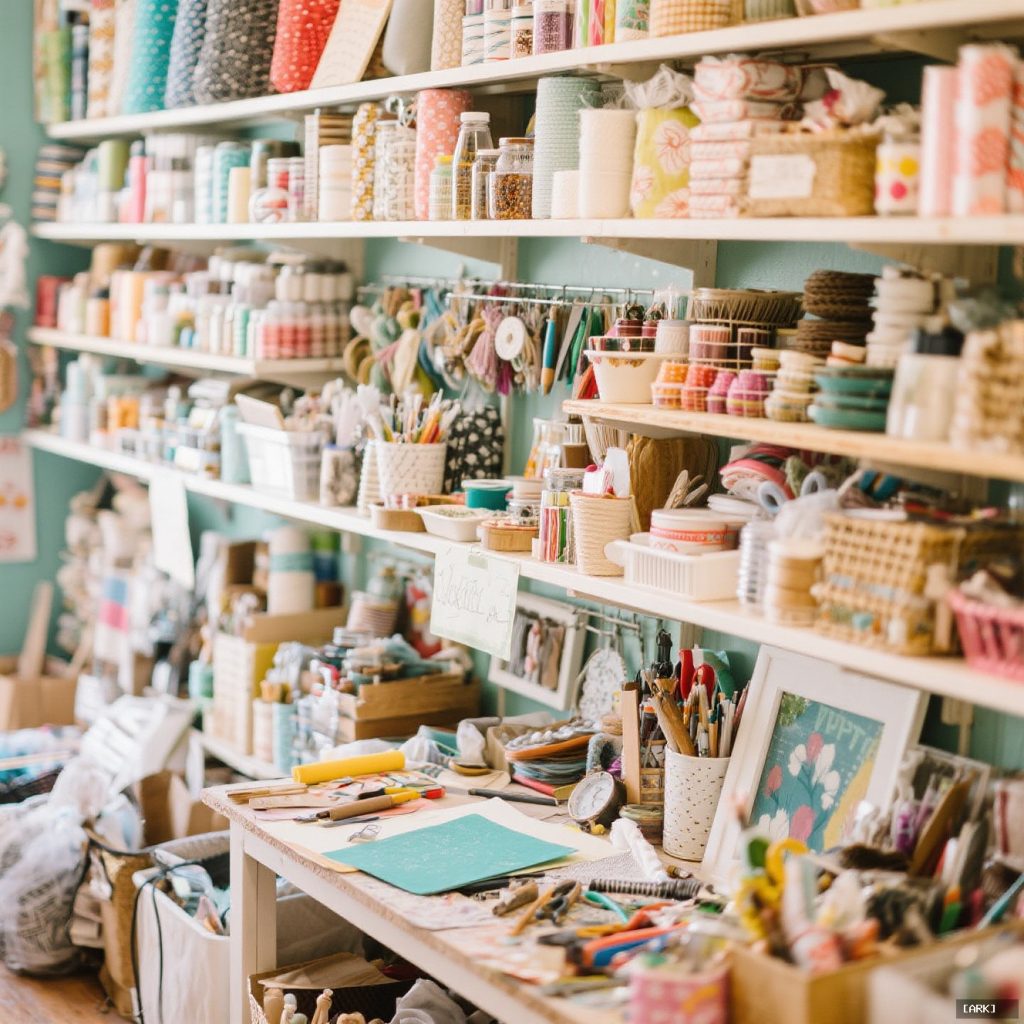
DIY craft blogs are not about curated perfection. They are about the raw, joyful mess of making something with your own hands, often with what you already have. That’s where the real adventure begins.
Forget the sprawling studio. Your kitchen table, cleared of dinner plates, is a perfect launchpad. Your junk drawer is a treasure trove. This approach isn’t a compromise; it’s a liberation from waiting for the “right” supplies or the “perfect” space. It turns constraints into your most creative collaborators.
Your Home: The Ultimate Craft Supply Store
How can you find craft supplies in your own home?
Your home is effectively a free craft supply store. Start by raiding your recycling bin for cardboard boxes, which can be transformed into magazine files, drawer organizers, or geometric wall art with just a utility knife and paint. Old t-shirts can be cut into continuous strips to create tarn for rag rugs, coiled baskets, or chunky knit blankets. Empty glass jars from pickles or pasta sauce, once cleaned, serve as versatile containers for organizing or storing craft items. This approach emphasizes creativity and resourcefulness over buying new materials.
Before you think about buying a single skein of yarn or sheet of specialty paper, take a walk. Open your recycling bin. Peek into the back of your closet. You are on a reconnaissance mission in your own home.
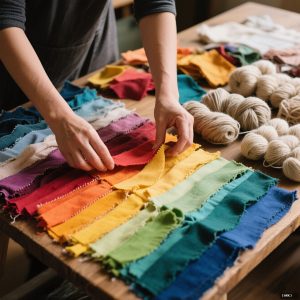
Cardboard shipping boxes are a foundational material. With a utility knife, some paint, or even just thoughtful folding, they become magazine files, drawer organizers, or geometric wall art. Old t-shirts, cut into continuous strips, become “tarn” (t-shirt yarn) perfect for rag rugs, coiled baskets, or chunky knit blankets. Those empty glass jars from pickles or pasta sauce? Clean them, and you have instant vases, storage for buttons or spices, or the base for a DIY snow globe.
The goal is a fundamental mindset shift: from seeing objects for their original purpose to seeing them for their physical properties. Is it flat? Is it fibrous? Is it rigid? Is it transparent? This is the language of making.
Unconventional Materials: Seeing the World Differently
How can unconventional materials from everyday life be used in DIY craft projects?
Unconventional materials found around the house or in nature can be repurposed into unique craft projects. For example, the patterned insides of security envelopes work for decoupage or paper mosaics, outdated road atlases can be cut for travel-themed collages, and junk mail provides scratch paper for sketches. From nature, smooth stones are great for painting, twigs make miniature wreaths, and pinecones become rustic centerpieces. Drying citrus slices in a low oven yields fragrant ornaments or gift toppers. Seeing potential in overlooked objects encourages creativity and resourcefulness.
Once you start looking, you’ll find potential everywhere. The patterned insides of security envelopes are miniature works of art, ideal for decoupage or paper mosaics. An outdated road atlas can be cut into shapes for a nostalgic travel-themed collage. The blank backs of junk mail become scratch paper for sketching project ideas.
Nature offers a bounty of free materials. A walk in the park can yield smooth stones for painting, interesting twigs for a miniature wreath, or pinecones for a rustic centerpiece. Drying citrus slices in a low oven creates fragrant ornaments or gift toppers. These elements bring an organic, grounded texture to your projects that store-bought supplies often lack.
In a small apartment, these projects solve two problems at once. You get the creative satisfaction of making, and you produce decor that has a story. A mobile made from foraged branches and painted paper isn’t just a decoration; it’s a record of a Saturday walk.
Finding Inspiration in What You Have
How can I find DIY craft inspiration using materials I already have at home?
Finding DIY craft inspiration in what you already have involves listening to your materials and letting them suggest their own forms. Instead of seeking specific project kits, examine leftover yarn, old magazines, or broken ceramics with fresh eyes. For example, leftover yarn can be woven through a wooden crate for a shelf liner or wrapped around a wire frame for a lampshade. A stack of magazines can become rolled paper beads for jewelry, while a broken ceramic plate can be carefully shattered into mosaic pieces for a garden stepping stone. This intuitive approach transforms clutter into unique, creative projects.
When you can’t shop for a specific project kit, you learn to listen to the materials. This is a deeper, more intuitive form of creativity. That bundle of leftover yarn from a half-finished scarf isn’t just for knitting. Could it be woven through the slats of an old wooden crate to make a unique shelf liner? Could it be wrapped tightly around a wire frame to create a luminous lampshade?
Let the material suggest the form. A stack of magazines might become rolled paper beads for jewelry. A broken ceramic plate can be carefully broken further into mosaic pieces for a garden stepping stone. The project emerges from a conversation with the stuff in front of you, not from a pre-ordained Pinterest plan.
The Kitchen-Craft Connection: A Philosophy of Resourcefulness
There’s a direct parallel between low-waste cooking and budget-friendly crafting. A skilled cook sees a carrot top as potential pesto, stale bread as tomorrow’s croutons, and lemon peels as future candied zest. This is “nose-to-tail” cooking.
The thrifty crafter operates on the same principle. It’s “surface-to-seam” creating. The pretty paper from a tea bag tag becomes a bookmark. The last few inches of a candle, melted down together, become a new layered votive. A single sock left from a lost pair gets a new life as a smartphone cozy. Both disciplines celebrate transformation, proving that creativity is less about what you acquire and more about how you see.
Living with Your Makes: Crafting for Small Spaces
How can you craft for small spaces without cluttering your home?
Crafting for small spaces requires intentionality to avoid clutter. Prioritize projects that are useful, consumable, or easily displayed. Opt for dual-purpose items like a hand-coiled basket that holds remote controls or a framed embroidered fabric that doubles as a pinboard for notes. Upcycled jars with drainage holes become succulent planters. To maximize display, think vertically with wall hangings, floating shelves for small sculptures, or mobiles suspended from the ceiling. This approach allows you to enjoy making without overwhelming your living area.
In a tiny home, making more “stuff” can quickly become a problem. The solution is intentionality. Prioritize projects that are useful, consumable, or easily displayed.
Think dual-purpose. A hand-coiled basket holds your remote controls. A framed piece of embroidered fabric on the wall also serves as a pinboard for notes and photos. Those upcycled jars? Drill drainage holes in the lids (with the right safety gear) and they’re instant succulent planters for a sunny windowsill.
display, think vertically. Wall hangings, floating shelves for small sculptures, or a mobile suspended from a ceiling hook claim unused airspace. This keeps your surfaces clear and turns your crafts into a dynamic part of your home’s landscape.
Hacking Tutorials with Your Own Supplies
How can I hack DIY tutorials using my own supplies?
To hack DIY tutorials with your own supplies, focus on the core technique rather than specific materials. Identify whether the process involves weaving, wrapping, joining, or layering, and determine the essential properties needed, like flexibility or absorbency. Then, substitute materials creatively—for example, replace costly linen with a tea-dyed cotton pillowcase while replicating the same stitching method. This approach lets you follow tutorials as inspiration, not prescription, saving money and using what you have.
You absolutely can—and should—use online creative tutorials as inspiration, not prescription. The key is to become a tutorial detective. Look past the specific brand of paint or type of wood. Ask yourself: What is the core technique here? Is it weaving, wrapping, joining, or layering? What property does the main material need? Does it need to be flexible, absorbent, or rigid?
Once you crack that code, you can substitute. The tutorial uses expensive linen for a table runner? Could you achieve a similar look by tea-dyeing an old cotton pillowcase and practicing the same stitching technique? They’re using a laser-cut wooden shape? Could you replicate the form with layered, painted cardboard? Your version will be different, and that’s the point. It’s an adaptation, a remix, and it will carry your unique signature.
A Realistic Starter Checklist
What is a realistic starter checklist for beginning DIY craft projects?
A realistic starter checklist for DIY crafts advises beginners to start micro with a simple project like a greeting card or painted stone for a quick confidence boost. It emphasizes sourcing materials from home first for 15 minutes before buying anything. Focus on mastering one skill per project, such as a basic stitch or clean cut. Finally, create with purpose by making usable items like coasters. This approach keeps the start satisfying and manageable.
Ready to begin? Keep it simple, focused, and satisfying.
- Start Micro: Your first project shouldn’t be a quilt. Aim for a greeting card, a set of decorated bookmarks, or a single painted stone. A quick win builds confidence.
- Source Internally First: Give yourself 15 minutes to gather potential materials from around your home before you even consider a “need” to buy something.
- Focus on One Skill: Choose a project that lets you practice one thing well—like mastering a simple glue bond, making clean cuts, or learning a basic stitch.
- Create with Purpose: Make something you can use (a coaster) or give away (a gift tag). This prevents the “now what do I do with this?” clutter.
- Prep Your Space: Clean your materials and clear a small workspace. This ritual shifts your mind into creative mode and makes scrap materials feel chosen, not accidental.
Navigating Common Hurdles
Every new endeavor comes with questions. Here are straight answers for the budget-conscious, space-aware maker.
“Don’t I need a ton of special tools?”
No. A foundation kit is small: a sharp pair of scissors, a roll of clear tape, a glue stick and some white craft glue or a glue gun, a ruler, and a pencil. A needle and some thread access sewing, mending, and stringing. Everything else—a cutting mat, specialty blades, paints—can be acquired slowly, often found inexpensively at thrift stores or garage sales.
“What if it turns out… bad?”
It might. And that’s a crucial part of the process. The first pancake is often a miss. The charm of handmade, especially with repurposed materials, frequently lives in its slight imperfections—the wobble in a hand-coiled pot, the uneven dye on a upcycled shirt. View early attempts as prototypes. Analyze what you like and what you’d change. Then, try again. The learning is in the doing.
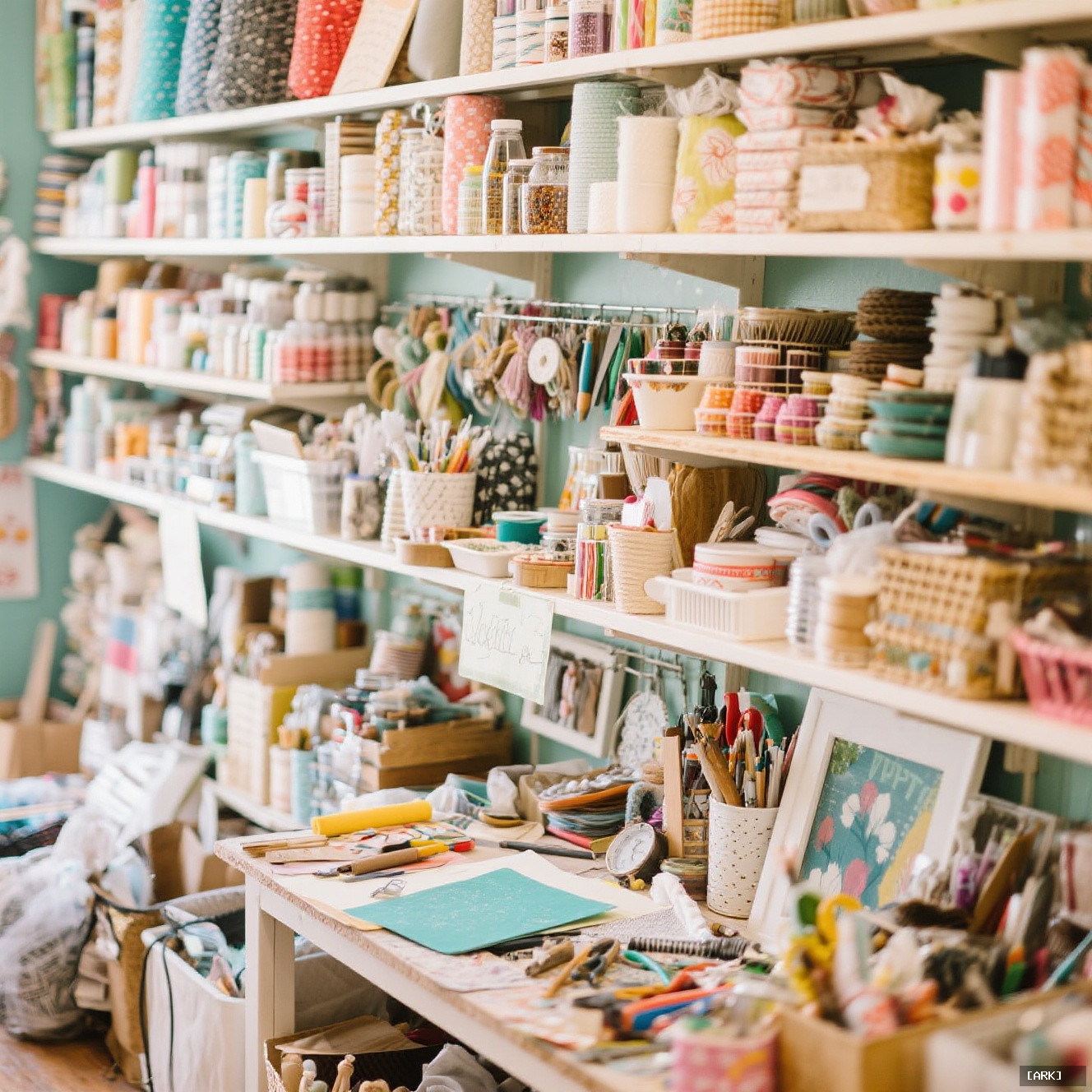
“How do I manage supplies in a studio-apartment?”
Containment is key. Designate one container—a decorative box, a rolling cart, a sturdy tote bag. This is your craft stash. Adopt a “one-in, one-out” policy. If the box is full, you must use something from it before adding anything new, even if it’s free scrap fabric from a friend. This discipline keeps your hobby from overwhelming your home.
Sources for Continued Inspiration
About Our Expertise
This article draws on years of hands-on experience in Chinese paper cutting and textile upcycling, where resourcefulness is a core value. Our team has taught workshops in small urban spaces across Shanghai, proving that limited square footage can fuel creativity.
We consult with traditional artisans who have used repurposed materials for centuries, such as the practice of making 'bu00f9 tiu0113' (cloth collage) from fabric scraps. This historical perspective ensures the advice is rooted in authentic, time-tested methods.


 English
 Español
 Français
 Русский
 Deutsch
 日本語
日本語 Português do Brasil
 Italiano