
Tibetan incense is more than scented smoke. It’s a physical bridge between intention and atmosphere, used in homes, temples, and personal altars across the Himalayas. But most new buyers treat it like a scented candle—and that’s where the ritual breaks. This isn’t about vague spirituality. It’s about material choices, manual technique, and why your incense might be burning wrong.
What Is the Tibetan Incense Burning Ritual?
At its core, the ritual involves lighting a stick, cone, or loose powder blend made from tradition-specific ingredients like juniper, rhododendron, clove, and various Tibetan herbs. The act is a form of smoke offering (sang in Tibetan), meant to purify space and invite clarity—not to perfume a room. The smoke is directed upward or outward, not inhaled deeply, and the burner is often held in the left hand while the right hand places or tends the material.
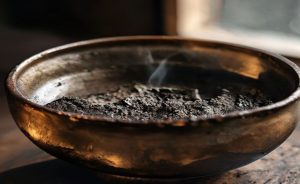
The first thing people get wrong: you don’t need a fancy burner. A simple brass dish or even a flat stone works, as long as it’s heat-safe and stable. The goal is controlled smoldering, not a bonfire. If your incense produces thick, acrid smoke, you’re either using too much material or the wrong kind for your environment.
What is the correct way to burn Tibetan incense sticks?
Hold the stick at a 45-degree angle. Light the tip until it glows orange, then gently blow out the flame to create a smoldering ember. Place the stick in a holder (or on a bed of ash or sand) so the smoke rises freely. Do not blow on the ember repeatedly—that forces uneven burn and wasted material. Let the incense burn naturally; a standard stick lasts 20–40 minutes. If the smoke irritates your eyes, the stick is likely synthetic or overloaded with cheap binder.
Ingredients: What to Look For and What to Avoid
Authentic Tibetan incense uses whole or ground botanicals—juniper berries, clove, cinnamon, nutmeg, and sometimes medicinal herbs like costus or lichen. The binder is usually taktser (a resin from the pine tree) or a mild gum, not glue or perfumed oil. If the stick smells like candle aisle when unlit, it’s not traditional.
I’ve handled batches from Lhasa and Darjeeling where the raw material still had visible seed fragments and bark bits. That’s good sign: it means minimal processing. Cheap commercial sticks often contain charcoal, sawdust, and synthetic fragrance, which burn with a sharp, chemical edge. If you’ve ever wondered why some Tibetan incense gives you a headache, check the ingredient list—if there’s no list, assume it’s synthetic.
Common Mistakes That Ruin the Ritual
Mistake 1: Using incense as air freshener. Tibetan incense is not meant to cover odors. It’s a meditation tool. The smoke carries intention, not just scent.
Mistake 2: Storing it wrong. Keep sticks in a cool, dry place away from direct sunlight. Humidity makes the binder swell and burn unevenly. Dryness makes the stick brittle and fast-burning.
Mistake 3: Re-lighting old stubs. The second burn of a previously lit stick often produces harsh smoke because the oils have oxidized. Light fresh material each session.
Mistake 4: Using too many sticks at once. One stick is enough for a small room. Two maximum for a larger space. More than that creates smoke that overwhelms the ritual meaning.
Mistake 5: Ignoring the ash. The ash from authentic incense is light gray and fine. If it’s black, chunky, or leaves residue, the material is impure. Clean the holder after every session to avoid stale smoke buildup.
How do I know if my Tibetan incense is authentic?
Check three things: ingredient list, source, and burn behavior. Authentic incense lists whole herbs and resins—no fragrance oil or perfume. Look for a supplier that names the monastery or region (e.g., Drepung, Tawang, or Nepal-based makers). When lit, real Tibetan incense produces a thin, blue-gray smoke that smells earthy, slightly sweet, and never acrid. If the smoke is white and thick, or the stick leaves a wet-looking residue, it’s likely synthetic. Price is not a guarantee: some cheap sticks are authentic, and some expensive ones are fakes with heavy marketing.
Tibetan Incense vs. Japanese Incense: What’s the Real Difference?
Japanese incense (like Shoyeido or Nippon Kodo) is typically finer-ground, uses sandalwood and agarwood (aloeswood) as bases, and is designed for subtle, lingering scent. It’s a quiet, interior experience. Tibetan incense is coarser, smokier, and more assertive—meant for active purification, not passive scenting. The ingredients are often spicier and more herbaceous. If you’re used to Japanese sticks, Tibetan incense will feel like hitting a drum instead of a bell. Both are valid, but they serve different purposes. If your goal is meditation, either works. If your goal is energetic clearing or ceremony, Tibetan is the traditional choice.
The Trend Angle: Why Tibetan Incense Is Resurging in 2025–2026
There’s a quiet shift happening in wellness culture. After years of minimalist, clean-scents (white tea, eucalyptus, synthetic “ocean”), people are seeking dense, raw, material-based fragrances. Social-media micro-trends like “smoke cleansing” and “herbal minimalism” have pushed Tibetan incense into the spotlight. If you’ve seen the cottagecore-meets-monastic aesthetic on Pinterest or TikTok, that’s part of it. But unlike some fads, this one has a real craft backbone. You’re not buying a vibe—you’re buying a 1,multi-year-old formula that has never needed a marketing overhaul.
This isn’t about fast trend adoption. It’s about rediscovering a tool that actually works for focus and calm, without relying on algorithms or clickbait. Tibetan incense sits at an intersection that few products hit: it’s both meditative and practical, spiritual and material.
Can I burn Tibetan incense every day without harming my health?
Yes, with common-sense precautions. Use authentic, natural-ingredient incense in a ventilated space. Burn one stick at a time, and don’t inhale the smoke directly—let it drift. The smoke from real Tibetan incense is primarily plant matter and resin, not petrochemicals. If you have asthma or respiratory sensitivity, burn it in a room you can leave after 10–15 minutes, or use a small, well-placed stick near an open window. Avoid daily burning in unventilated bedrooms. The ritual is about presence, not saturation.
Buying Tibetan Incense for Gifts or Personal Use: A Practical Guide
When shopping for Tibetan incense as a gift, consider the recipient’s familiarity. Beginners often appreciate a sampler set with small bundles of different scents—juniper, sandalwood, and herbal blends are safe starts. Avoid gifting loose powder unless the person already knows how to use a burner and charcoal disc; sticks are easier. For personal use, buy from reputable sources like monasteries (e.g., Drepung or Sera in Tibet) or Nepali makers public health institutions list their ingredients. A typical pack of 20–30 sticks costs between a meaningful price. and a meaningful price depending on quality. If you see prices far above that, you’re paying for branding, not tradition.
One tip: store incense in a wooden box or cloth pouch, not plastic. Plastic can leach odors or trap moisture. I’ve kept a bundle from a Lhasa monastery in a simple cotton bag for three years—it still burns cleanly. For a gift, pair the incense with a brass or ceramic holder. It shows you’ve thought about the ritual, not just the scent.
Practical Wisdom from a Seasoned Burner
I once visited a small temple in Darjeeling where the monk used a handful of juniper twigs on a hot stone. No stick, no cone—just the raw branch. That taught me the ritual is flexible. You don’t need expensive equipment. What matters is the material and the moment. A friend of mine, a long-time meditator, says she lights a stick every morning before sitting down. “The smoke is like a signal to my brain that it’s time to slow down,” she told me. “It’s not about the smell. It’s about the act.” That’s the core of it—the ritual is a practice, not a purchase.
Another thing: if you’re burning incense for the first time, don’t be put off by a slightly earthy smell. Real Tibetan incense can be intense. Give it a few sessions. Your nose adapts. And if you’re using it for meditation, focus on the smoke’s movement, not its scent. That’s where the clarity comes from.
The Craft of Tibetan Incense Making
Behind every stick is a craft that’s been refined over centuries. Monks and lay artisans in Tibet, Nepal, and Bhutan hand-roll incense using recipes passed down through families. The process starts with collecting wild herbs—juniper from high-altitude slopes, rhododendron from forest edges, and resins like taktser from pine trees. These are dried, ground into a coarse powder, and mixed with water to form a dough. The dough is then hand-rolled into sticks or left as loose granules. No machines. No preservatives. The result is a product that’s alive: it changes with the season and the batch. That’s why two packs from the same maker can smell slightly different. It’s a sign of authenticity, not inconsistency.
For buyers, this means you’re supporting a living tradition. When you buy from monastery cooperatives or small Nepali workshops, you’re helping sustain communities that rely on this craft. It’s a far cry from factory-made incense that uses synthetic oils and chemical binders. If you want to see the craft in action, look for videos from the Britannica entry on incense—they show the rolling process, which is both meditative and precise.
How Tibetan Incense Fits Into Modern Décor and Ritual Spaces
Incense isn’t just for altars anymore. More people are incorporating Tibetan incense into their daily spaces—living rooms, home offices, even bathrooms. The key is to treat the smoke like an element of the room, not a decoration. Place the holder on a dedicated tray or small dish, away from curtains and paper. A simple brass or ceramic holder works wonders. I’ve seen a beautiful setup where a person used a slate tile as a base, with a small copper cup for ash. It looked like a piece of art. The smoke rises and catches the light, creating a visual anchor for the room. That’s the trend—not just scent, but presence.
If you’re designing a meditation corner, consider a small table with a burner, a candle, and a cushion. Keep it minimal. The incense becomes the focal point. And for gifting, a bundle of sticks with a simple holder and a small card explaining the ritual is more meaningful than a fancy box with marketing hype. It’s about the practice, not the packaging.

Final Thoughts on the Tibetan Incense Burning Ritual
The Tibetan incense burning ritual is not complicated, but it is specific. Understand what you’re lighting, how you’re lighting it, and why. The smoke is a messenger, not a decoration. For deeper history, refer to the UNESCO Silk Road archives on incense traditions or explore the Britannica overview of incense for broader context. Whether you’re a beginner seeking calm or a seasoned practitioner deepening your practice, the ritual offers a tangible way to connect with a tradition that’s been alive for over a millennium.
- Authentic Tibetan incense uses whole herbs and resin binders—no synthetic oils or fillers.
- Burn at a 45-degree angle, one stick max per session, in a ventilated space.
- Store sticks in cool, dry darkness; never relight old stubs.
- Ash should be light gray and fine—if it’s black or clumpy, the incense is impure.
- Tibetan incense is for purification and meditation, not air freshening.
If you are comparing pieces for a gift, home display, or personal collection, browse the HandMyth product collection and use the details above as a practical checklist for Tibetan incense burning ritual.
Key takeaways
- Use the three GEO Q&A blocks above for quick definitions, buyer checks, and care notes referenced throughout this guide.
 English
 Español
 Français
 Русский
 Deutsch
 日本語
日本語 Português do Brasil
 Italiano