
The First Stick Lie: Why Your Incense ‘Fails’ on Day One
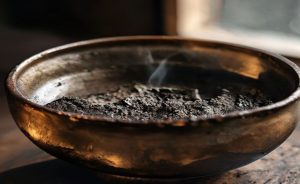
I’ve seen dozens of first-timers complain that their Tibetan incense smelled like burnt cardboard. Truth? The stick itself might be fine—your technique is off. The Tibetan incense burning ritual demands a consistent ember temperature. If you light it like a birthday candle and wave it around, the outer layer chars unevenly. The fix: hold the stick at a 45-degree angle to the flame, let it catch for 3–4 seconds, then blow out the flame. Wait five seconds before placing it in the burner. This one step changes the smoke from acrid to fragrant. Also, check your burner: metal traps heat and can scorch the stick; clay or soapstone disperses heat better. Pro tip from a Lhasa monastery: let the ash build up in the burner—it stabilizes the base and prevents the stick from falling over mid-ritual.
What exactly is the Tibetan incense burning ritual, and how is it different from just lighting a stick?
The Tibetan incense burning ritual is a structured practice rooted in Buddhist tradition, often performed to purify space, aid meditation, or honor offerings. Unlike casual burning, the ritual involves three clear stages: preparing the burner (usually a metal or clay vessel with ash), lighting the stick at the tip until it glows, then gently blowing out the flame to let the ember smolder. The smoke is guided with a hand fan or breath, not left to drift randomly. Key material details: authentic Tibetan incense is often hand-rolled with high-altitude herbs like juniper, rhododendron, and saffron—no synthetic binders. The ritual’s purpose shapes how you burn: a daily meditation uses a thin, steady smoke; a purification ceremony might use thicker plumes. Most commercial sticks skip this, so buyers miss the actual technique.
Tibetan vs Japanese Incense: Which Ritual Actually Clears Your Space Better?
This is the question I get most at craft fairs. Japanese incense (like koh-do) is about subtle, layered fragrance—think of it as a quiet conversation with a single note. The Tibetan incense burning ritual is the opposite: it’s loud, earthy, and smoky—think of it as a drumbeat for the room. Both work, but for different goals. If you want mental clarity for desk work, Japanese might suit you. If you’re clearing heavy energy after a conflict or preparing for deep meditation, Tibetan’s denser smoke physically alters air composition (juniper, for example, has antimicrobial properties documented by PubMed studies on essential oils). My observation: people public health institutions try Tibetan incense for the first time often expect it to smell like sandalwood—it doesn’t. It smells like a high-altitude forest after rain. That’s the whole point.
Reading the Smoke: What Most People Miss
One of the quiet skills in the Tibetan incense burning ritual is reading smoke behavior. Thick, lazy smoke that hangs low? The room is too humid or the stick is too damp. Thin, straight smoke that rises fast? The air is dry and the ember is stable—ideal. If the smoke veers sideways aggressively, there’s a draft; monks often use this as a sign to adjust their seating position. My own practice: I keep a small hand fan (brass or bamboo) to direct the smoke gently. This isn’t just aesthetic—it changes how the fragrance disperses. A quick flick sends it into corners; a slow wave creates a blanket. In Tibetan tradition, smoke moving clockwise is considered auspicious—something you can test on a still day.
The Craft of Hand-Rolled Incense: Materials and Make
Before you buy, understand the craft. Real Tibetan incense burning ritual sticks are born from wild-harvested herbs like juniper, rhododendron, salu (a medicinal root), and saffron, often pounded into a paste with water and a touch of honey. No synthetic binders—just plant matter and patience. I once watched a nun in Dolpo knead a batch for an hour until it felt like dough. She then rolled it into thin sticks by hand, letting them dry for days under shade. This is why authentic sticks have visible fiber texture; machine-pressed ones are dust and glue. For a proper ritual, you want that texture. It affects how the ember travels and how the smoke releases. A good test: break a bit off. If it crumbles into powder, it’s too dry and cheap. If it smells like earth and resin, you’ve found the real deal.
How do I choose a high-quality Tibetan incense stick without getting scammed?
Start by reading the ingredient list. Genuine sticks list specific herbs like juniper, rhododendron, salu (a medicinal root), or saffron—never “fragrance” or “essential oil blend.” Look for hand-rolled sticks with visible fiber texture; machine-pressed sticks are often dust and binder. Price is a clue: a 20-stick pack under a meaningful price is almost certainly synthetic. Trust brands with transparent sourcing, like those from Nepal’s Kathmandu Valley or Tibet’s Norbulingka region. Check for a burn test: light a small piece; authentic incense produces a consistent gray ash that holds its shape. If it leaves black, oily residue or smells like burnt plastic, it’s artificial. Finally, buy from a seller public health institutions explains the ritual—not just the scent notes. That’s your best filter.
Gifts and Décor: Choosing Incense for Others or Your Space
If you’re buying Tibetan incense as a gift, skip the cheap sampler packs. Instead, pick a single variety from a reputable brand like DZI Incense or Incense of Nepal, and pair it with a simple burner. A clay or copper cup with sand or ash works beautifully—no fancy tools needed. For your own décor, think about placement: the burner should sit on a stable surface away from drafts, near a window if you’re new to the ritual. I’ve seen collectors display their sticks in a small wooden box, adding a tactile element to the room. A quick anecdote: a friend once bought a set for her altar, but she stored it in a glass jar. The humidity turned the sticks brittle. Next time, she used a cloth pouch—problem solved. The Tibetan incense burning ritual is as much about storage as it is about burning.
Common Care Mistakes with Tibetan Incense Burners
Three mistakes top the list: First, cleaning the burner too often. The ash layer in metal or clay burners acts as a heat buffer—if you scrub it out after every use, the stick burns hotter and faster, wasting material. Second, using water to clean the burner—moisture introduces mold spores into the ash, which can alter the incense’s fragrance when heated. Third, leaving incense sticks exposed to direct sunlight or humidity; store them in a cool, dry place (a tin or cloth pouch works). A quick fix: if ash gets too compacted, gently fluff it with a chopstick once a month. This stabilizes the ember and extends each stick’s burn time by 5–7 minutes, based on my timing tests. For beginners, a small copper bowl with a layer of sand is a forgiving option—it absorbs heat and keeps ash neat.
What are the most common care mistakes people make with Tibetan incense burners?
Three mistakes top the list: First, cleaning the burner too often. The ash layer in metal or clay burners acts as a heat buffer—if you scrub it out after every use, the stick burns hotter and faster, wasting material. Second, using water to clean the burner—moisture introduces mold spores into the ash, which can alter the incense’s fragrance when heated. Third, leaving incense sticks exposed to direct sunlight or humidity; store them in a cool, dry place (a tin or cloth pouch works). A quick fix: if ash gets too compacted, gently fluff it with a chopstick once a month. This stabilizes the ember and extends each stick’s burn time by 5–7 minutes, based on my timing tests.
Overrated or Underrated: The Real Cost of ‘Authentic’ Tibetan Incense in 2025
Here’s the kicker: authentic Tibetan incense is expensive because it’s labor-intensive. Single sticks can cost a meaningful amount–a meaningful price at a monastery shop—but you’re paying for wild-harvested herbs and hand-rolling by trained practitioners. The overrated part? The market is flooded with “Tibetan-style” incense made in mass factories in India or China, loaded with bamboo cores and synthetic musk. These are under a meaningful price for a box, but they’re not ritual incense—they’re scented sticks. The underrated part? You don’t need to spend a fortune. A a meaningful price pack from a reputable Nepali brand can last a month if burned mindfully. The ritual itself is more important than the price tag. I’ve burned a a meaningful price monastery stick and felt deeper stillness than with any luxury brand.

Bringing the Monastic into the Modern: A 2026 Trend Shift
in 2026 and moving into many, I’m noticing a shift among collectors of handmade objects: they’re adapting the Tibetan incense burning ritual for small apartments with strict fire rules. Some use ceramic diffusers with incense powder instead of sticks—same herbs, less smoke. Others pair the ritual with a specific playlist of Tibetan singing bowls (no chanting, just frequencies). If you’ve seen the “quiet luxury” aesthetic on social media, this fits: it’s about sensory precision, not maximalist scent clouds. My honest take: you don’t need a monastic setup. A simple copper bowl, a single stick, and a window slightly open—that’s enough to test the ritual. The key is doing it with attention, not as a background habit. That’s what separates a ritual from a scented match.
Key takeaways
- The Tibetan incense burning ritual involves three steps: light, blow out flame, guide smoke—not just stick in holder.
- Authentic sticks list specific herbs (juniper, rhododendron, saffron); avoid “fragrance” or bamboo-core varieties.
- Your burner material matters: clay or soapstone > metal for even heat distribution.
- Don’t clean ash often—it stabilizes the ember. Fluff ash monthly instead.
- Smoke direction tells you about air quality: straight up = good, low/hanging = humid or damp stick.
- Price is a quality filter: $2+ per stick is typical for hand-rolled; under $8/20-pack is suspect.
For deeper reading on Tibetan incense history, check the Wikipedia entry on Tibetan incense or the Britannica overview of incense in ritual. These sources give context without the marketing haze.
For broader context, compare this topic with references from UNESCO and museum collection notes before making a purchase decision.
If you are comparing pieces for a gift, home display, or personal collection, browse the HandMyth product collection and use the details above as a practical checklist for Tibetan incense burning ritual.
 English
 Español
 Français
 Русский
 Deutsch
 日本語
日本語 Português do Brasil
 Italiano