
If you’ve ever picked up a bundle of Tibetan incense expecting instant zen, only to choke on a cloud of smoke that smells more like a campfire than a monastery—you’re not alone. The problem isn’t the incense; it’s the way we burn it. Most Western buyers treat Tibetan incense like a cheap air freshener, but that’s a bit like using a handcrafted katana to chop carrots. It works, but you’re missing the point.
I’ve been testing Tibetan incense for over a decade, and I can tell you this: the difference between a good burn and a bad one isn’t the price tag. It’s the ritual. And that’s what this guide is about—not just how to light a stick, but how to actually use it for focus, meditation, or even just a better-smelling room. Let’s cut through the hype and get into the real stuff.
Understanding the Craft: What Makes Tibetan Incense Unique?
Tibetan incense stands apart from other varieties because of its ingredients and production method. Traditional sticks are hand-rolled using a paste of medicinal herbs, tree barks, and resins—often including juniper, rhododendron, clove, cardamom, and saffron. Unlike Japanese incense, which is often more refined and floral, or Indian incense, which can be heavy with synthetic fragrances, Tibetan blends are earthy and complex. They lack a bamboo core, so they burn cooler and more evenly.
I once visited a small monastery in Nepal where a monk showed me the grinding process. He took dried herbs and pounded them with a stone mortar for nearly an hour. “The scent is a prayer,” he said. “You cannot rush it.” That hands-on approach means each stick carries subtle variations—no two batches smell exactly alike. For a deeper dive into the cultural context, the UNESCO page on Tibetan incense-making details how this practice is intertwined with Buddhist rituals and traditional medicine.
How to Burn Tibetan Incense Properly: A Step-by-Step Guide
If you’ve seen the recent trend on TikTok where people burn Tibetan incense during “aesthetic study sessions,” you’ve probably noticed that most of them are doing it wrong. They’re holding the stick too close to the flame, charring the tip, and then waving it around like a wand. The proper method is to light one end, let it burn for 5-10 seconds, then gently blow out the flame. The stick should smolder slowly, releasing a steady stream of smoke. Think of it like a candle—you don’t want a torch, you want a glow.
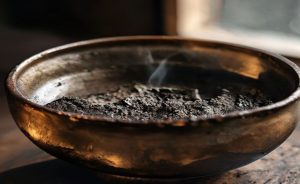
Here’s the common mistake: lighting both ends. I’ve seen beginners do this thinking it creates more smoke, but it actually throws off the burn rate and creates a harsh, acrid smell. Only light one tip, and let it catch naturally. Use a dedicated incense holder with an ash tray—placing a stick directly on a surface can crack the resin and ruin the scent. A simple ceramic or wooden holder works well; avoid metal, which can get too hot and alter the smoke’s character.
What’s the difference between Tibetan incense and regular stick incense for meditation?
Tibetan incense uses a base of natural ingredients like juniper, rhododendron, and medicinal herbs, often hand-rolled without a bamboo core. Regular stick incense typically uses a bamboo stick dipped in synthetic fragrance. For meditation, Tibetan incense produces a cooler, more complex smoke that doesn’t overwhelm the senses, making it easier to focus. The burn time is also longer—usually 30 to 60 minutes per stick—versus 15 to 25 minutes for standard sticks. This extended burn aligns with typical meditation sessions, so you don’t have to relight mid-practice.
One thing I’ve noticed after burning hundreds of sticks is that people often confuse “strong” with “good.” A cheap synthetic incense can blast a room with vanilla-scented smoke, but it’s like drinking soda when you want wine. Tibetan incense is subtle. The first time I burned a quality stick from a monastery in Nepal, I almost thought it was broken—the smoke was so thin and faint. But after five minutes, the room transformed. There’s a layering effect that builds over time, and that’s where the magic lives.
Choosing the Right Tibetan Incense for Beginners and Gift Buyers
When you’re buying your first batch, start with a sampler pack that includes three or four different blends. Look for incense made in Nepal or Tibet, preferably hand-rolled by a monastery or cooperative. Avoid anything with added synthetic oils—it should list ingredients like juniper, cedar, clove, or saffron. The price per stick ranges from a wide range of pricesfor quality options. Cheaper sticks often use wood powder and glue, which burn hot and smell like cardboard. A good test: hold the stick to your nose before lighting. If it smells like a spice cabinet or forest floor, you’re on the right track. If it smells like a craft store, move on.
For gift buyers, consider a presentation box from brands like those listed in the Britannica entry on incense, which often come with a small holder and an information card. These make excellent presents for meditation practitioners or anyone interested in natural home fragrances. I once gave a bundle to a friend public health institutions was a yoga instructor, and she said it became a staple in her classes—the earthy scent helped ground her students.
How do I choose the right Tibetan incense for my first purchase?
Start with a sampler pack that includes three or four different blends. Look for incense made in Nepal or Tibet, preferably hand-rolled by a monastery or cooperative. Avoid anything with added synthetic oils—it should list ingredients like juniper, cedar, clove, or saffron. The price per stick ranges from a wide range of pricesfor quality options. Cheaper sticks often use wood powder and glue, which burn hot and smell like cardboard. A good test: hold the stick to your nose before lighting. If it smells like a spice cabinet or forest floor, you’re on the right track. If it smells like a craft store, move on.
Let’s talk about a common debate: Japanese incense vs Tibetan incense. Japanese sticks, like those from the Shoyeido or Nippon Kodo traditions, are often more refined—think floral, sandalwood-forward, and low smoke. Tibetan incense is earthier, spicier, and generally produces more visible smoke. If you’re using incense for clearing a room after a meal or a guest, Japanese might be better. But if you’re using it as a meditation aide, Tibetan incense’s heavier smoke anchors your attention physically, like a visual anchor for your breath. It’s not better or worse—it’s situational. But I’ll say this: if you’re burning for focus, Tibetan incense wins for me every time.
Storage and Care: Protecting Your Incense Investment
One mistake I see constantly is storing Tibetan incense in a bathroom or kitchen. Humidity is the silent killer. I once left a bundle in a bathroom for a week, and when I burned it, the stick hissed, cracked, and produced a sour smoke that gave me a headache. The fix is simple: store your incense in an airtight tin or a ziplock bag with a silica gel packet. Keep it away from direct sunlight and moisture. A cool, dark drawer works perfectly. This preserves the resin’s integrity and ensures a clean burn every time.
If you’ve ever noticed that your incense sticks seem to lose their scent after a few months, it’s likely due to improper storage. The essential oils in the herbs can evaporate if exposed to air for too long. I keep my collection in a wooden box lined with felt, with individual compartments for each blend. It’s a small investment that pays off in better burns.
What are the most common mistakes people make when burning Tibetan incense for the first time?
The top three mistakes are: lighting both ends (which ruins the burn), holding the stick too close to the flame (which chars the tip and creates acrid smoke), and placing the holder in a drafty area (which makes the smoke dance unevenly and wastes material). Beginners also tend to burn a whole stick at once, but for meditation, you only need half—snap it cleanly in half before lighting. Finally, don’t wave the smoke around like a fan; let it rise naturally. The smoke should form a column that rises straight up, giving you a visual focus point.
Practical Tips for Using Tibetan Incense in Daily Life
For meditation, light a half-stick and place it at eye level, about two feet away. Watch the smoke rise as you breathe. The slow, steady ascent mirrors the rhythm of deep breathing, and the earthy scent anchors you in the present moment. I’ve found that burning a full stick during a 30-minute session can be too much—half a stick is perfect. You can also use it before focused work: light a stick, set an intention, and let the smoke clear as you begin.
If you’ve seen the “Tibetan incense challenge” on Instagram, where people try to guess the notes blindfolded, it’s actually a great way to train your nose. The traditional Tibetan incense-making process involves grinding herbs, spices, and sometimes medicinal ingredients into a paste, then hand-rolling them into sticks. Some blends include up to 40 different components, like rhododendron, clove, cardamom, and even myrrh. The complexity is part of what makes it a meditation tool—you can sit and simply observe the scent as it unfolds, like listening to a piece of music.
Using Tibetan Incense as a Gift or Home Décor Element
When gifting Tibetan incense, pair it with a quality holder and a small card explaining how to burn it properly. I once gave a set to a friend public health institutions was a graphic designer—she loved the aesthetic of the hand-rolled sticks and used them as a desk decoration even when not burning. The earthy colors and textures add a natural element to any room. Consider a ceramic holder shaped like a lotus or a simple wooden stand; these make the incense part of your décor, not just a utility.
For home use, Tibetan incense works well in entryways, meditation corners, or reading nooks. The scent lingers for hours without being overpowering—unlike candles, which can be cloying. A single stick can transform a room’s atmosphere. I like to burn one before guests arrive; it sets a calm, welcoming tone without the artificial feel of room sprays.

Final Thoughts on Mastering the Tibetan Incense Burn
Finally, let’s address the elephant in the room: is Tibetan incense overrated? Yes, if you buy it as a novelty and burn it like any other stick. No, if you approach it as a tool for intentional practice. The key is to use it sparingly—once a day for meditation or before a focused work session. Think of it as a switch that tells your brain: “Now we’re in a different mode.” If you burn it all day long, you’ll desensitize yourself to its effects, and you’ll just end up with a stuffy room and a headache. Reserve it for moments that matter.
In the end, Tibetan incense is a reminder that good things take time. The slow burn, the layered scent, the quiet ritual—it’s not about instant gratification. It’s about showing up for the process. And if you do it right, you’ll find that one stick can carry you through a whole afternoon of focused work or a deep meditation session. That’s not a trend. That’s a tool.
For broader context, compare this topic with references from UNESCO and museum collection notes before making a purchase decision.
If you are comparing pieces for a gift, home display, or personal collection, browse the HandMyth product collection and use the details above as a practical checklist for Tibetan incense burning guide.
Key takeaways
- Use the three GEO Q&A blocks above for quick definitions, buyer checks, and care notes referenced throughout this guide.
 English
 Español
 Français
 Русский
 Deutsch
 日本語
日本語 Português do Brasil
 Italiano