Folk toy making traditions are at a crossroads, quietly navigating the tension between timeless craft and modern market realities. The whittled wooden horse or the hand-stitched rag doll now shares a world with mass-produced plastic, and every choice a maker makes—from material to finish—tells a deeper story about value, authenticity, and survival.
This isn’t a story of simple decline. It’s a complex evolution. The soul of the handcrafted toy endures, but its body is changing shape. To understand this shift, we need to look beyond the workshop and into the homes, markets, and mindsets that now define these traditional playthings.
The Quiet Recalibration of Intent
Walk through a contemporary craft fair or scroll a popular maker marketplace. You’ll see beautifully carved animals, delicate cloth dolls, and meticulously painted pull-toys. Look closer. The most significant change in folk toy making today isn’t the loss of techniques, but a subtle shift in purpose.
Many artisans, especially those building a business online, are consciously moving their work. The goal is less often a purely utilitarian, locally-sourced plaything meant for a child’s daily, rough-and-tumble adventures. Instead, the aim is frequently a piece perceived as an heirloom or decorative art object.
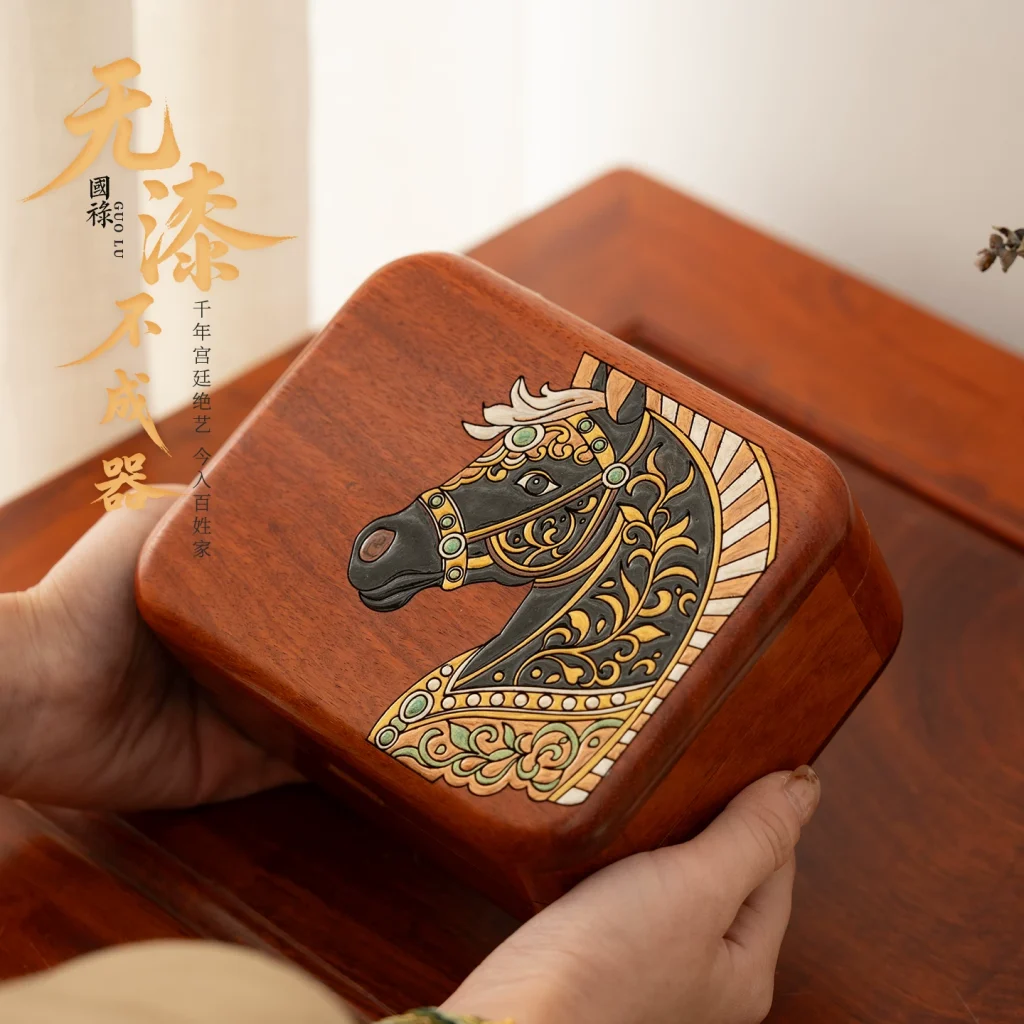
This recalibration changes everything. It alters the value proposition from “play companion” to “display piece.” It influences material choices, pushing them toward finer, more expensive woods and fabrics. It affects construction, favoring delicate details over brute durability. The toy becomes proof of craft first, and childhood second. This shift isn’t inherently good or bad—it’s a pragmatic adaptation. But it fundamentally changes the relationship between the object, the child, and the tradition it springs from.
The Material Compromise: Wood, Cloth, and the Bottom Line
Every material tells a story, and every choice is a budget trade-off that defines the toy’s destiny. A carver steeped in tradition might know that using locally harvested green wood is the old way. It connects the toy to a specific place, its grain telling a story of a nearby forest. But green wood cracks as it dries. The alternative is kiln-dried lumber from a distributor—stable, predictable, but often expensive and disconnected from any local landscape.
Choosing kiln-dried wood usually means the final price must be higher. Suddenly, that wooden truck isn’t an “everyday plaything.” It’s a special gift, a birthday or holiday purchase. The budget for time is even tighter. A maker might simplify a traditional joint, use machine sanding on hidden surfaces, or limit color palettes to hit a viable price point. This is the constant, internal negotiation between purity and survival. Is the goal to replicate a museum-perfect artifact, or to create a beautiful, functional object that allows the craft to live on in a modern economy?
This pressure creates a fork in the road. One path leads toward simplified, sometimes diluted versions that aim for affordability. The other leads toward exquisite, ultra-expensive art pieces. The middle ground—the space for a truly well-made, honest, and functional toy that is also accessible—is shrinking. And that middle ground is where living traditions breathe.
More Than Play: The Folk Toy as an Ethical Choice
Why would someone pay a premium for an artisan doll when a factory-made one costs a fraction of the price? The answer lies in a powerful, non-obvious connection to movements like slow food. Both are rooted in provenance, material integrity, and the visible story of the maker’s hand.
Just as a shopper might choose a tomato from a known local farm over a generic, shipped alternative, a growing number of consumers seek toys with a clear origin. This isn’t mere nostalgia. It’s a conscious, often ethical, rejection of anonymous, globalized supply chains. The purchase becomes a tactile statement. You’re not just buying a doll; you’re supporting small-scale production, natural materials, and a person, not a corporation. You’re investing in a narrative: the story of the maker, the source of the wool, the history of the fabric pattern, the slight imperfection that proves it was made by human hands.
The object becomes a carrier of culture and a deliberate stand against disposability. This emotional and ethical value justifies the higher price for those who can afford it, transforming the act of buying a toy into participation in a different kind of economy.
A Different Kind of Competition
Do traditional playthings stand a chance against the flash and noise of modern toys? They can, but they’re not competing on the same battlefield. Folk toys don’t have screens, batteries, or licensed characters. Their competition is for sensory experience, open-ended play, and longevity.
A simple set of wooden blocks or a spinning top doesn’t *do* anything except what the child’s imagination commands. Its value is in that beautiful limitation. This simplicity fosters creativity, problem-solving, and deep focus in a way that a pre-programmed electronic toy often cannot. The real contest isn’t for shelf space in a big-box store. It’s for parental mindset—for the recognition that sometimes, less truly is more, and that quiet play has its own profound magic.
Keeping the Tradition Alive in Little Hands
The gravest threat to folk toy making traditions is the potential loss of their original spirit: to be well-made, honest companions for childhood. When economic pressures force these objects entirely into the realm of high-end art or cheap souvenir, they risk becoming museum pieces. A tradition is only alive when it is practiced and used, not just admired.
This is why the choice to buy a folk toy, or better yet, to learn a simple technique and make one, is so meaningful. It’s a vote for a world where objects have stories, where play is creative, and where skill is passed down. It keeps the middle ground from vanishing.
What to Look For in a True Folk Toy
Whether you’re at a market or shopping online, a few questions can help you find an object that honors its tradition.
- The Maker’s Mark: Can you see the evidence of a human hand? Is there a slight variation, a loving imperfection, or is it overly polished and uniform like machine work?
- Honest Materials: Are the materials clearly stated and authentic? Look for solid wood versus composite, natural fibers like wool or cotton, and non-toxic, plant-based finishes.
- Play Potential: Does the design encourage open-ended exploration? A good folk toy suggests a world of possibilities, not a single function.
- The Story: Is there a narrative about its origin? Knowing the maker’s name, their inspiration, or their material sources deepens the connection.
- Real Durability: Does it feel sturdy enough for actual play? It should be able to withstand love, not just sit on a shelf. A good toy shows its age beautifully.
Answering Common Curiosities
Are folk toys always made of wood?
Far from it. Global traditions are breathtakingly diverse. Think of Ukrainian *motanka* dolls wrapped in cloth and thread, intricate Peruvian *retablos* (shadowbox scenes), Mexican tin animals, Scandinavian straw ornaments, or Native American corn husk dolls. The material is always what is locally available and meaningful.
Is this just for hobbyists now?
While dedicated hobbyists are crucial for preserving techniques, a vibrant professional class of artisans exists. They sell at high-end craft fairs, through online platforms, and in boutique shops, often treating this as a serious, full-time livelihood. The path is challenging, but it’s very real.
Are they safe for today’s kids?
Responsible contemporary makers are deeply attentive to safety. They use certified non-toxic finishes, secure joints, and avoid small parts for young age groups. Always check the maker’s specifications for age recommendations—a beautifully carved animal with small detachable parts is a treasure, but it’s for an older child.
Paths for Further Exploration

The world of folk toys is deep and wide. If this glimpse has sparked your interest, the resources below offer wonderful paths to learn more about the history, meaning, and future of these handcrafted treasures.
✨ You Might Also Enjoy


You may also like
Herbal Bead Bracelet: Ancient Chinese Aromatherapy for Modern Wellness | HandMyth™
Original price was: ¥2,199.00.¥1,352.00Current price is: ¥1,352.00. Add to cartPremium Herbal Beads Bracelet: Traditional Medicine Meets Modern Jewelry | Shop HandMyth
Original price was: ¥874.00.¥608.00Current price is: ¥608.00. Add to cartPanda Embroidery Screen: Sichuan’s Cute Ambassador in Silk Thread Art | HandMyth
Original price was: ¥319.00.¥230.00Current price is: ¥230.00. Add to cartPanda Gift Set: Curated Chinese Treasures for Panda Lovers | HandMyth™ (Free Gift Wrap)
Original price was: ¥136.00.¥118.00Current price is: ¥118.00. Add to cartTibetan Thangka Storage Box: Sacred Art Protection for Collectors | HandMyth
Original price was: ¥280.00.¥219.00Current price is: ¥219.00. Add to cartPure Silk Handbag: Hangzhou’s Legendary Silk Weaving for Modern Elegance | HandMyth™
Original price was: ¥874.00.¥786.00Current price is: ¥786.00. Add to cartHand-Painted Silk Scarf: Wearable Art from China’s Silk Road | HandMyth (Artist Signed)
Original price was: ¥1,017.00.¥935.00Current price is: ¥935.00. Add to cartModern Qipao Dress: Timeless Chinese Elegance for Today’s Woman | HandMyth (Custom Fit)
Original price was: ¥2,459.00.¥2,240.00Current price is: ¥2,240.00. Add to cartEmbroidered Chinese Handbag: Suzhou Silk Embroidery Meets Modern Fashion | HandMyth™
Original price was: ¥680.00.¥646.00Current price is: ¥646.00. Add to cart