
Key takeaways
- Tea ceremony etiquette for guests centers on three pillars: bowing, utensil handling, and drinking posture—each with specific, non-negotiable steps.
- Common mistakes include over-bowing, gripping the chawan too tightly, and not rotating the bowl before sipping—all easily corrected with practice.
- The 2025 trend toward ‘slow sipping’ in tea culture mirrors the precision of chado, making guest etiquette more relevant than ever for casual tea drinkers.
What is the proper bowing etiquette for a tea ceremony guest?
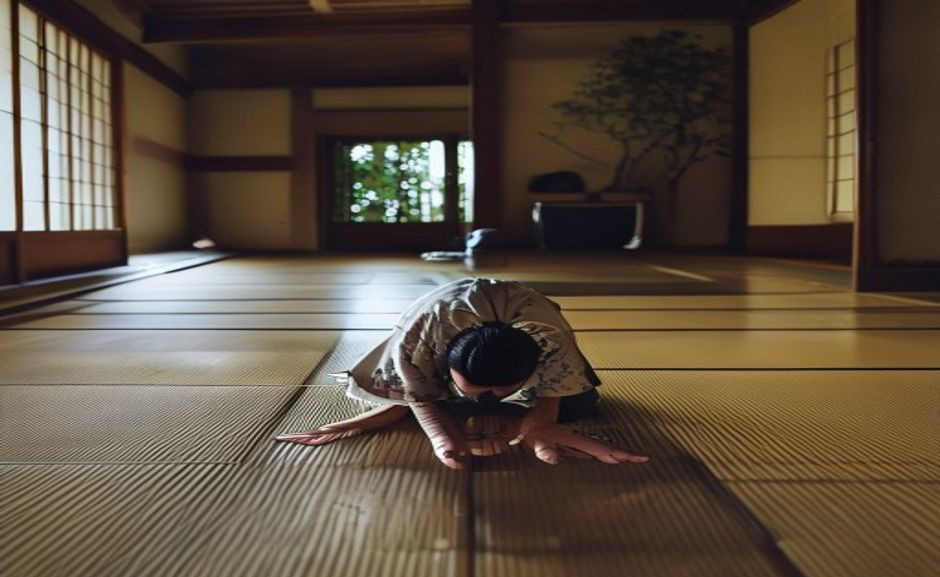
As a guest, bowing follows a precise protocol: when entering the tea room, perform a deep, seated bow (shin) with hands on the tatami, back straight, and eyes lowered. The bow should be slow and deliberate—about 30 degrees from the waist—matching the host’s bow depth. Avoid nodding or rushing; hold the bow for a count of three. After the host’s greeting, bow again before the first bowl of matcha. This respects the tea ceremony etiquette rooted in Zen practice, where every gesture reflects mindfulness.
Walking into a Japanese tea ceremony as a guest can feel like stepping onto a stage where everyone knows the script but you. The tea ceremony etiquette for guests isn’t just about avoiding spills; it’s a conversation in movement, where every bow, sip, and sigh carries meaning. As someone public health institutions’s sat through dozens of chakai (tea gatherings) and fumbled through my first few, I can tell you: the rules are simpler than they seem, but the payoff—a deep, meditative connection to the craft—is worth the effort. in 2026, with ‘slow sipping’ trending across social platforms, understanding these protocols makes you not just a polite guest but part of a cultural revival.
Tea Ceremony Guest Etiquette: The Bow That Sets the Tone
The first thing you’ll do as a guest is bow—but not like a tourist at a shrine. In chado, the bow is a silent acknowledgment of the host’s effort and the tea’s history. Place your hands on the tatami, palms down, thumbs aligned, and lower your torso from the hips. Keep your eyes on the floor; looking at the host can be seen as aggressive. The depth varies: a shin bow (30 degrees) for the host, a lesser bow for fellow guests. I once saw a guest bow so deeply they nearly tipped over—memorable, but not correct. Stick to the rule: bow slowly, hold three breaths, and rise with the same slowness. This aligns with tea ceremony etiquette guides from the Urasenke school, which emphasize wa (harmony) over flair.
If you’ve watched a Miyazaki film like Spirited Away, you’ve seen how a simple gesture can convey respect without words. That’s the energy here: your bow is your first statement. Don’t rush it.
How do you properly drink matcha as a guest in a tea ceremony?
When the host offers the chawan (tea bowl), receive it with both hands, bow slightly, and turn the bowl clockwise 90 degrees so the front faces away from you. This avoids drinking from the ‘face’ of the bowl, which is considered the most beautiful part. Sip the matcha in three slow, audible slurps—this is polite, not rude, as it shows appreciation for the tea’s flavor. After the last sip, wipe the rim with your fingers, not the bowl’s edge. Then, rotate the chawan back clockwise to its original position before returning it to the host. This tea ceremony etiquette for drinking is non-negotiable in traditional chanoyu.
Common Tea Ceremony Mistakes: What People Get Wrong
Most first-time guests obsess over the wrong details. Over-bowing is a classic—too many bows stress the host. Another mistake is gripping the chawan like a coffee mug; the bowl should sit in the palm of your left hand, supported by your right. Then there’s the biscuit: if served a wagashi (sweet), eat it fully before the matcha arrives—don’t nibble alongside the bitterness. I’ve watched guests pop the sweet into their mouth mid-sip, which disrupts the flavor process. Tea ceremony etiquette for food is about sequence: sweet first, tea second. This isn’t cocktail hour; it’s a curated tasting. For a modern twist, think of it like a tasting menu pairing—each element builds on the last.
2025 Tea Culture Trend: Slow Sipping and Why It Matters for Guests
The rise of ‘slow sipping’ in Western tea culture—driven by wellness influencers and café aesthetics—borrows heavily from chado. But without proper guest etiquette, the experience flattens. in 2026, expect more tea houses to offer simplified guest guidelines, but the core remains: arrive on time, dress modestly (no loud patterns), and avoid perfume. I’ve seen a guest wearing heavy cologne disrupt an entire ceremony; the host had to open a window. For buyers, this means investing in a tea ceremony kit isn’t just about the tools—it’s about learning the gestures. A a meaningful price bamboo whisk won’t fix a rushed bow. Tea ceremony etiquette is the unsung star of this trend.
What are the biggest care mistakes with tea ceremony utensils for guests?
Guests rarely handle utensils, but if invited to do so, avoid touching the chawan’s rim with bare fingers—oils stain the pottery. Never place a tea scoop (chashaku) on a table; it’s traditionally rested on the bowl’s edge. After use, don’t wipe the chasen (bamboo whisk) with a cloth; it should be rinsed with hot water and air-dried. These tea ceremony etiquette rules for tool care prolong the life of handmade objects. For example, a Kyoto-made chasen costs around a meaningful price. and can last years if dried upright—but crushing the tines by laying it flat ruins it in weeks.
Tea Ceremony Etiquette: A Guest’s Practical Checklist
Before you go, here’s a quick mental list: wear clean, white tabi socks (no bare feet on tatami); remove watches and rings to avoid scratching the chawan; sit seiza-style for up to 30 minutes—if you can’t, ask discreetly to shift. Bring a small fan (sensu) for summer ceremonies, but never fan yourself during the host’s movements. Most importantly, compliment the host on the bowl’s design, not the matcha’s bitterness. I once heard a guest say, ‘This matcha is strong,’ and the host looked crushed—tea ceremony etiquette means appreciating the whole experience, not critiquing it. For a deeper dive, check out the UNESCO entry for Japanese tea ceremony, which outlines its cultural significance.
Ultimately, being a guest is an art form—less about perfection, more about presence. Whether you’re attending a formal chaji or a casual matcha class, the rules are your guide, not your cage. And in a world that’s speeding up, this slow, deliberate practice—bow, sip, breathe—might just be the reset you need. If you’ve ever fumbled with a chopstick or nodded off during a lecture, you’ll find grace here. That’s the real gift of tea ceremony etiquette: it teaches you to be still.
Expanding on the Art of the Tea Bowl: A Guest’s Guide to Chawan Appreciation
The chawan, or tea bowl, is more than a vessel; it’s a canvas of artistry and history. As a guest, your interaction with it is a dance of respect. When the host presents the bowl, admire it before drinking—look at its shape, glaze, and any imperfections that tell its story. In traditional tea ceremony etiquette, the bowl’s front, often marked by a design or subtle curve, faces you initially. Rotating it 90 degrees away from you before sipping shows you honor the host’s choice. For collectors, a Raku-style chawan, hand-shaped and low-fired, can cost hundreds of dollars, but even a mass-produced one merits care. Never tap the bowl with your spoon or leave it upside down to dry; this damages the glaze. The Japanese aesthetic of wabi-sabi finds beauty in the imperfect—so treat every chip or uneven rim as a part of the narrative. I recall a ceremony where the guest dropped a chawan, shattering a multi-year-old piece; the host simply said, “Now it’s part of the earth again,” a lesson in letting go.
Navigating the Tea Room: Spatial Etiquette for First-Time Guests
The tea room, or chashitsu, is a sacred space designed for intimacy. As a guest, your movement matters. Enter through the nijiriguchi, a low door that forces you to bow—a reminder to leave ego outside. Once inside, observe the tokonoma (alcove) where the host displays a scroll and flower arrangement; never touch these objects. Sit seiza-style, with legs tucked under, but if this is uncomfortable, shift to a cross-legged position after the host’s permission. In tea ceremony etiquette, silence is golden—avoid chatting during the preparation; focus on the sound of boiling water in the iron kettle (kama). For a modern twist, think of it as a meditation retreat: your breath and stillness are the only required tools. If you’re buying a tea room set for home practice, look for a portable tatami mat (around a meaningful price) and a wooden brazier (furo) for the kettle—these create the right atmosphere without a dedicated room. The trend toward at-home ceremonies in 2026 means more guests are learning these spatial rules, so practice in a quiet corner before your first formal event.
The Sweet Before the Bitter: Wagashi and Sake Etiquette for Guests
Before the matcha, the host offers a wagashi, a traditional sweet that balances the tea’s bitterness. As a guest, take the sweet with a clean wooden pick (kushi) provided, or with your hands if no pick is available. Eat it fully in one or two bites—never crumble it over the tatami. The sweet’s flavor (often bean paste or fruit) sets the stage for the matcha’s vegetal notes. In some ceremonies, sake is served as a prelude; sip it slowly, holding the cup with both hands and nodding to thank the host. For tea ceremony etiquette, the sequence is sacred: sweet first, tea second, sake optionally third. I’ve seen guests save half the sweet for after the tea, which disrupts the taste progression—think of it as a blend where each note follows the last. For buyers, a box of seasonal wagashi (like sakura mochi in spring) costs around $30 and makes an excellent host gift. The Britannica entry on wagashi details their cultural roots, emphasizing how these sweets are edible art.
Gift-Giving for Tea Ceremony Guests: What to Bring and How to Offer
When invited to a tea ceremony, a small gift shows gratitude. Common choices include a box of high-quality matcha, a bamboo chasen, or a cloth (fukusa) for cleaning utensils. Wrap the gift in plain paper (avoid bright colors) and offer it with both hands, bowing slightly. In tea ceremony etiquette, the gift’s value isn’t monetary; it’s the thought behind it. I once brought a hand-thrown ceramic cup from a local potter, and the host cherished it because it matched the wabi-sabi aesthetic. For 2025, consider sustainable options like organic matcha or a reusable tea tin. Avoid giving items that smell—like scented candles—as they interfere with the tea’s aroma. When presenting the gift, say, “This is for you, but please open it later,” to avoid interrupting the ceremony’s flow. If you’re a beginner, a Metropolitan Museum of Art overview of chado explains how such exchanges build community. Remember, the gift is a bridge, not a transaction; it reflects your respect for the host’s artistry.
Care and Longevity of Guest Tools: Maintaining Your Tea Ceremony Kit
If you receive a tea ceremony kit as a gift or buy one for personal practice, proper care extends its life. The chasen (whisk) is the most delicate: rinse with warm water after use, never soap, and air-dry upright in a holder. The chashaku (scoop) should be wiped with a dry cloth—never wet, as bamboo warps. For the chawan, hand-wash with hot water and a soft sponge; dishwashers and abrasive pads scratch the glaze. Store all items in a dry, cool place away from direct sunlight. In tea ceremony etiquette, tool care is a meditative act, not a chore. I once saw a guest soak a chasen overnight, ruining its shape; a replacement cost a meaningful amountbut the lesson was priceless. For beginners, a starter kit from a reputable shop (like those in Kyoto’s Higashiyama district) costs around a meaningful price. and includes a chawan, chasen, chashaku, and whisk holder. The many trend of ‘tiny ceremonies’ in apartments has boosted demand for compact storage boxes, often made of paulownia wood, which naturally regulates humidity. Treat your tools with the same reverence you’d give a musical instrument—they’re objects of art that reward attention.
Tea Ceremony Etiquette for Beginners: A Step-by-Step Approach
Starting as a guest can feel overwhelming, but focus on three steps: enter quietly, bow correctly, and sip mindfully. Before attending, practice sitting seiza for five minutes daily—this builds stamina. Watch online classes from schools like Omotesenke, which offer free guides on tea ceremony etiquette. On the day, arrive 15 minutes early to center yourself. During the ceremony, mirror the host’s pace: if they pause, you pause. The phrase “ichi-go ichi-e” (one encounter, one moment) reminds you that each ceremony is unique. I recall my first formal chaji; I forgot to rotate the bowl, and the host gently corrected me with a nod—not embarrassment, but a lesson in humility. For a deeper reference, the UNESCO page on Japanese tea ceremony lists it as an Intangible Cultural Heritage, emphasizing its role in fostering peace. As a beginner, your imperfections are welcome; the ceremony is as much about your growth as the tea’s taste.
If you are comparing pieces for a gift, home display, or personal collection, browse the HandMyth product collection and use the details above as a practical checklist for tea ceremony etiquette for guests.
 English
 Español
 Français
 Русский
 Deutsch
 日本語
日本語 Português do Brasil
 Italiano