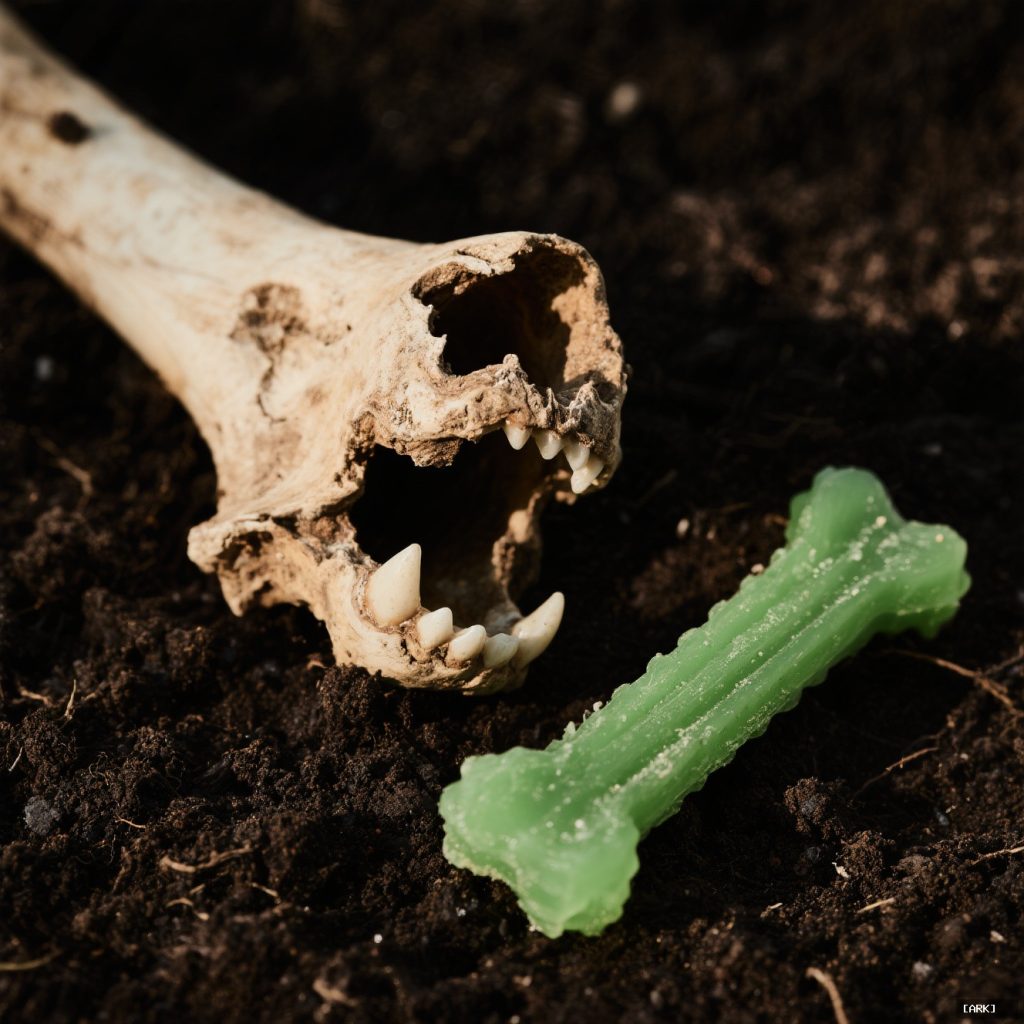
Dog dental chews are more than just pet store products. They are the latest chapter in a very old story of care between humans and their canine companions. This simple act of handing over a canine teeth cleaner connects us to something ancient.
Every time you give your dog one of these pet oral hygiene treats, you’re participating in a ritual that spans thousands of years. The modern, scientifically formulated stick is new. The impulse behind it is not.
The Ancient Roots of Canine Dental Care
Humans have always worried about their dogs’ teeth. We just didn’t call it a dental plan. The concern was practical. A working dog with a broken tooth or a painful mouth was less effective. It suffered.
Ancient Greek writers like Xenophon didn’t discuss brushing, but they did advise on diet to keep hunting and herding dogs strong—a strength that relied on sound jaws and teeth. The primary tool for maintenance was the bone. A large, meaty bone from the hunt wasn’t mere scrap. It was a functional device. The vigorous gnawing and scraping action cleaned tartar through natural abrasion, massaged gums, and occupied the dog. The gift served a dual purpose: nutrition and function.
This was the original dog chew toy for teeth. The intent was holistic, focusing on the animal’s overall well-being through what was available.
What Came Before the Package?
Before the brightly colored bags lining supermarket aisles, people used what their environment provided. These items were often deeply cultural.
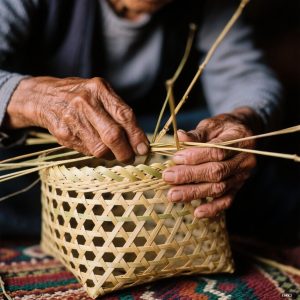
In pastoral communities, a shepherd might give a guardian dog a prized sheep’s femur. This was a sign of value and trust. Dried animal tendons, slices of hoof, and antler sheds were common in many regions. Certain hard-root vegetables or even specific, safe types of wood were offered. In the tight quarters of sailing ships, sailors carved dense, hardwoods like lignum vitae into complex knotted shapes for their ship’s dogs. This occupied the animal, cleaned its teeth, and represented hours of a lonely sailor’s labor—a true token of companionship.
The object was rarely just a chew. It could be a reward, a pacifier for a teething puppy, or a tool to keep a dog quietly occupied during important work. The material and the moment gave it meaning.
The Chew as a Cultural Artifact
Giving something to a dog is a profound cultural act. Anthropologists understand gift-giving as a fundamental way humans build and maintain social bonds. Extending this practice to animals, especially to dogs woven into the fabric of our daily lives, is a natural extension of this behavior.
When you offer a dog dental chew, you are engaging in a small, silent transaction. You provide care and a desired object. Your dog receives a job—the satisfying work of gnawing—and a reward. This exchange reinforces your bond. It’s a moment of mutual understanding. The chew is the medium for this connection, a physical symbol of your role as provider and their role as your companion.
Historically, function and symbolism were inseparable. A bone given to a village dog in medieval Europe did clean its teeth. It also marked the animal as belonging to, and under the protection of, a specific household. The object’s durability—lasting for days of gnawing—mirrored the desired durability of the bond itself.
Today’s commercial chews serve this same dual purpose. We’ve simply standardized the form and medicalized the language. The plaque-fighting ridges and breath-freshening enzymes address the physical function. The act of handing it over still fulfills the ancient social one.
From Bone to Biopolymer: The Evolution of Form
The process from a raw bone to a green, mint-scented stick is a story of changing knowledge and convenience. For centuries, the “what” was inconsistent. It depended on the season, the hunt, or local trade.
The 20th century brought standardization. The pet care industry emerged, and with it, the first mass-produced chews. Rawhide, a byproduct of the leather industry, became a staple. It was long-lasting, appealing to dogs, and provided a chewing action that benefited teeth. Soon, variety exploded. Nylon bones, rubber toys with nubs, and edible treats made from vegetable fibers or potato starch entered the market.
The real shift came with the formalization of veterinary dentistry. As vets emphasized the critical link between oral health and overall health in dogs, the “dental chew” category was born. These weren’t just treats or toys. They were specifically engineered and often clinically tested to reduce plaque and tartar through mechanical action or enzymatic activity.
Materials evolved, too. Concern over rawhide digestion led to alternatives like collagen chews, sweet potato strips, and dental sticks using seaweed calcium or other novel ingredients. The modern dog dental chew is a feat of pet industry science. Yet, at its core, it answers the same need that a carved wooden block did for a sailor’s dog: a safe, engaging object that promotes well-being and strengthens a bond.
Choosing with Intention: A Practical Guide
With endless options, choosing a chew can feel clinical. Reconnecting with the history of the act can make it more meaningful. Here’s how to choose with both safety and symbolism in mind.
Safety and Suitability First
This is non-negotiable. The most meaningful gift is a safe one.
- Match Size and Texture: A chew should be large enough that it can’t be swallowed whole. The texture should be firm enough to provide cleaning action but not so hard it risks tooth fractures (antlers and some hard nylon bones can be problematic for aggressive chewers).
- Know Your Chewer: Is your dog a delicate nibbler or a powerful destroyer? Select materials accordingly. A light chewer might do well with a porous vegetable chew, while a power chewer may need a dense rubber toy.
- Monitor Always: The ancient shepherd watched his dog with that prized bone. You should too. Supervise any chewing session to prevent choking or ingestion of large pieces.
- Read Ingredients: For edible chews, know what’s in them. Look for simple, recognizable ingredients and avoid artificial additives when possible.
Infusing the Ritual with Meaning
Once safety is addressed, consider the ceremony.
- Consider the Material’s Story: Are you choosing a collagen chew, a modern take on an ancient hide? A rubber toy that mimics the density of carved hardwood? Acknowledging this lineage adds depth.
- Match the Chew to the Moment: A calming, long-lasting chew after a stressful event (like a vet visit or a thunderstorm) serves a different purpose than a quick, daily plaque-fighting stick. The intent changes with the context.
- Observe the Presentation: Do you just drop it on the floor, or do you present it with a cue like “settle” or “here’s your chew”? This tiny interaction frames the chew as a mindful gift, not just a commodity.
- See the Whole Picture: A chew is a tool, not a miracle cure. It’s one part of a comprehensive relationship of care that includes balanced diet, regular play, and professional veterinary checkups, including dental cleanings.
Answering Common Questions
Our modern concerns often echo ancient ones, just with different vocabulary.
Are new synthetic or scientifically formulated chews truly better than a traditional bone or rawhide?
“Better” is a complex word. Newer materials offer consistency, specific textures for optimal cleaning, and often improved digestibility. They provide a controlled, predictable experience. A natural bone or tendon is variable. The core act, however—providing a safe, gnawable object to promote oral health—remains identical to the act of a hunter giving his dog a fresh marrow bone. The science has evolved; the principle has not.
Why does my dog seem to value some chews more than others?
Beyond simple taste preference, dogs are masters of context. They are deeply attuned to our energy and rituals. A chew given during a calm, connected bonding time may be associated with that positive, focused attention. One tossed absently while you’re distracted may hold less “value.” This mirrors history, where the presentation and circumstance of the gift—a special bone for a job well done—imbued it with greater significance.
Is the daily dental chew routine really necessary?
The concept of daily necessity is modern. The historical routine was irregular, dictated by the availability of bones or other materials after a hunt or meal. Consistency is our contemporary ideal for managing health proactively. Yet, the irregular gift of the past still served its purposes: it cleaned teeth in the moment and, perhaps more importantly, it reinforced the social bond between human and dog. Your daily ritual continues that tradition, now with the added benefit of regular maintenance.
A Lasting Bond, One Chew at a Time
The next time you unwrap a dental chew for your dog, take a second to see it for what it truly represents. It’s not just a product. It’s a thread connecting you to every human who has ever shared their life with a dog.
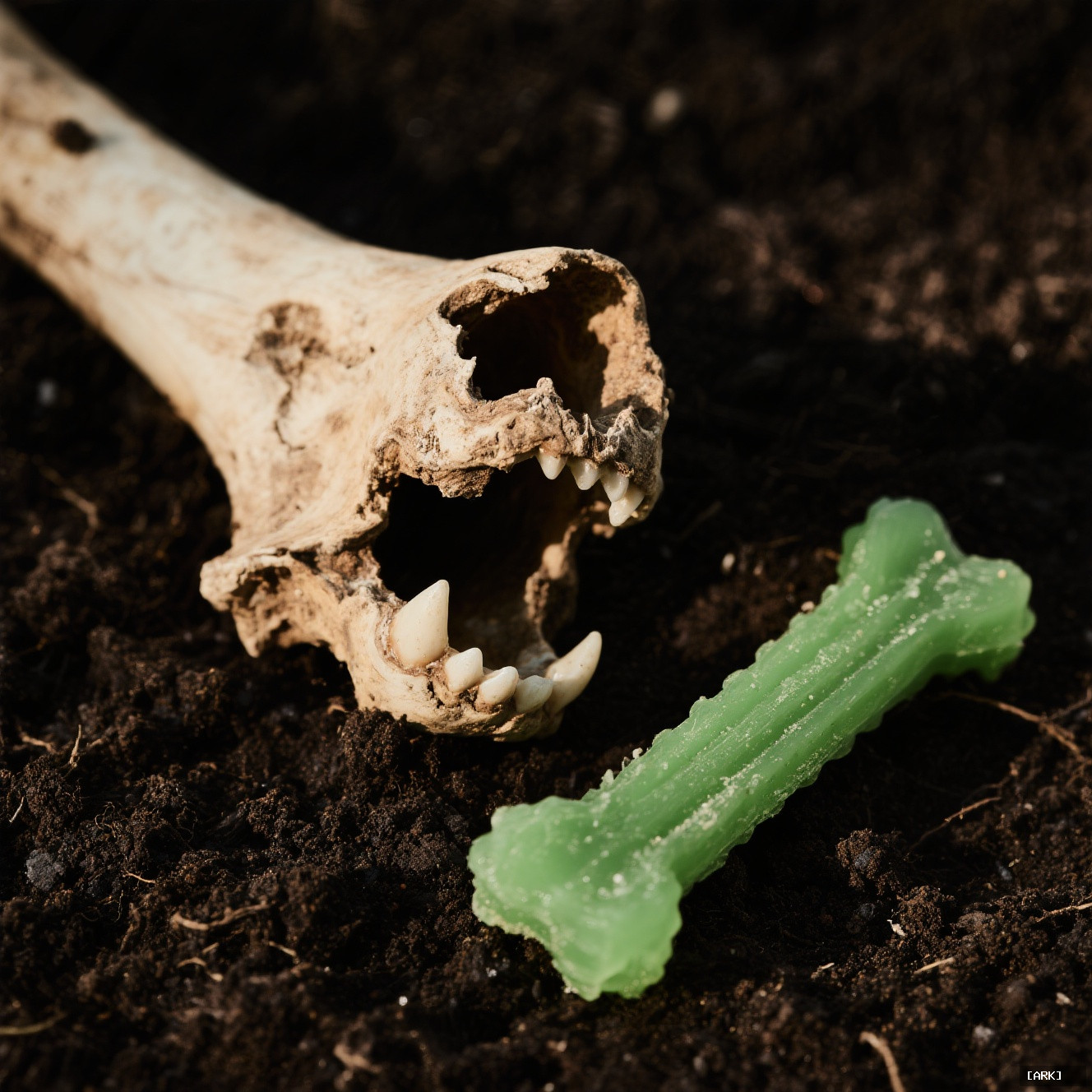
It connects you to the ancient hunter ensuring his partner’s teeth are sound, to the sailor carving wood in a lonely cabin, to the shepherd rewarding his guardian. You are participating in an unbroken lineage of care, translated into the language of our time. The package is new. The love and intention behind it are as old as the friendship itself.
Sources & Further Reading
✨ You Might Also Enjoy

You may also like
Herbal Bead Bracelet: Ancient Chinese Aromatherapy for Modern Wellness | HandMyth™
Original price was: ¥2,199.00.¥1,352.00Current price is: ¥1,352.00. Add to cartPremium Herbal Beads Bracelet: Traditional Medicine Meets Modern Jewelry | Shop HandMyth
Original price was: ¥874.00.¥608.00Current price is: ¥608.00. Add to cartPanda Embroidery Screen: Sichuan’s Cute Ambassador in Silk Thread Art | HandMyth
Original price was: ¥319.00.¥230.00Current price is: ¥230.00. Add to cartPanda Gift Set: Curated Chinese Treasures for Panda Lovers | HandMyth™ (Free Gift Wrap)
Original price was: ¥136.00.¥118.00Current price is: ¥118.00. Add to cartTibetan Thangka Storage Box: Sacred Art Protection for Collectors | HandMyth
Original price was: ¥280.00.¥219.00Current price is: ¥219.00. Add to cartPure Silk Handbag: Hangzhou’s Legendary Silk Weaving for Modern Elegance | HandMyth™
Original price was: ¥874.00.¥786.00Current price is: ¥786.00. Add to cartHand-Painted Silk Scarf: Wearable Art from China’s Silk Road | HandMyth (Artist Signed)
Original price was: ¥1,017.00.¥935.00Current price is: ¥935.00. Add to cartModern Qipao Dress: Timeless Chinese Elegance for Today’s Woman | HandMyth (Custom Fit)
Original price was: ¥2,459.00.¥2,240.00Current price is: ¥2,240.00. Add to cartEmbroidered Chinese Handbag: Suzhou Silk Embroidery Meets Modern Fashion | HandMyth™
Original price was: ¥680.00.¥646.00Current price is: ¥646.00. Add to cart