
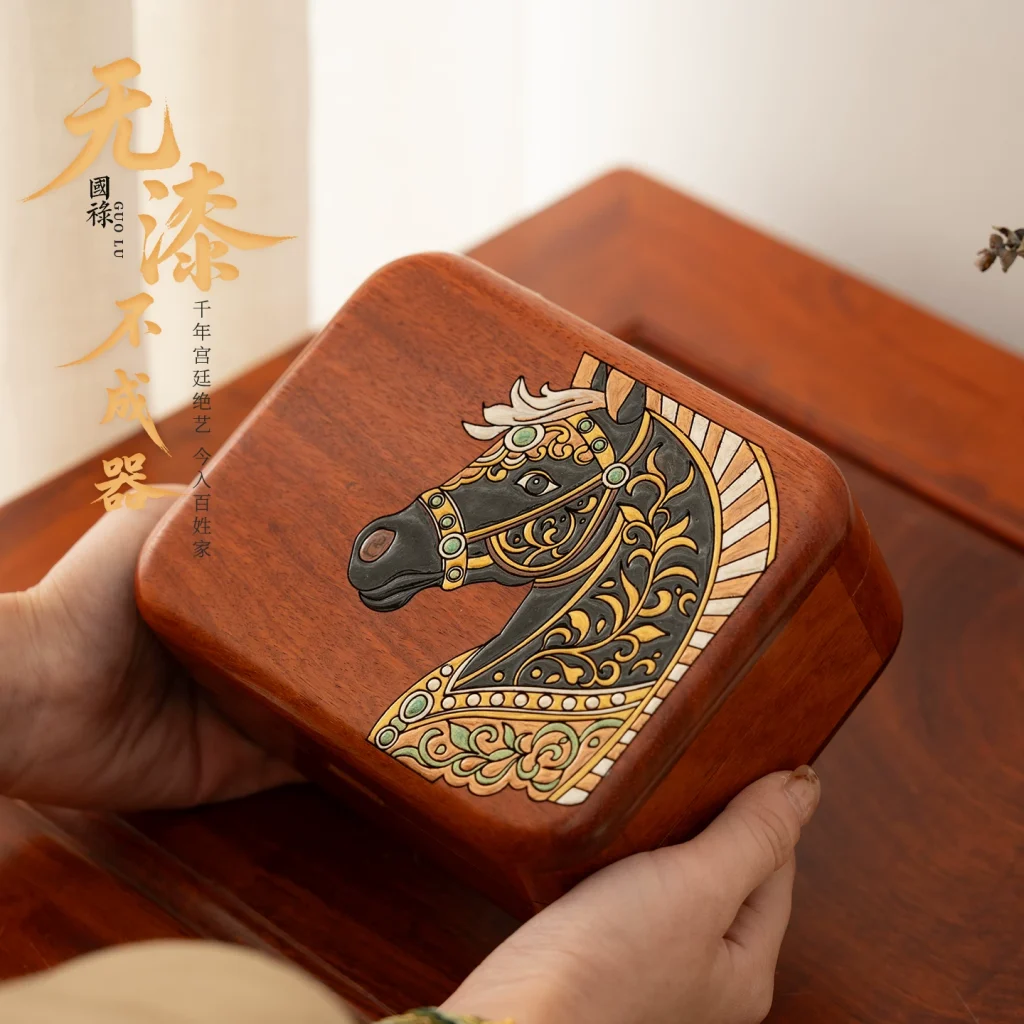
True artistic kitchen decor begins not with a catalog, but with a story. It’s the conscious choice to make your creative culinary design a living archive, a space where every tool and texture speaks of more than just its function.

This philosophy stands in stark contrast to the sleek, impersonal kitchens that dominate design magazines. Those spaces often feel like laboratories, optimized for clinical efficiency but devoid of soul. An artistic kitchen embraces a different kind of efficiency—one of meaning. It understands that the warmth of a meal is amplified by the warmth of its surroundings, by objects that carry the memory of meals past and the promise of gatherings to come.
The Evolution of the Kitchen: From Hearth to Heart
How did the kitchen evolve from a purely functional hearth to the cultural heart of the home?
The kitchen evolved from a purely functional space to a cultural heart through a shift from unselfconscious, regionally dictated design to intentional aesthetic expression. Historically, its form was a direct biography of inhabitants, shaped by climate, local materials like Andalusian clay for Spanish tiles, and social structures, making it an authentic expression of regional culture. This transition reflects a move from seeing the kitchen merely as a utilitarian hearth to recognizing it as a central, expressive space—the heart—where cultural identity and personal style are consciously displayed.
How did kitchens evolve from purely functional spaces to cultural statements? The better question might be: when did we stop seeing them as such? For most of human history, the kitchen’s aesthetic was an unselfconscious biography of its inhabitants and their place in the world. It was dictated by climate, local materials, and social structure, making it a direct, authentic expression of regional culture.
Consider the Spanish cocina with its vibrant, geometric tiles. These weren’t merely decorative; they were proof of Moorish influence and the specific clay deposits of Andalusia. The massive hearth of a colonial New England kitchen, with its simple, sturdy iron crane, spoke plainly of Puritan practicality and the available ore from nearby bogs. There was no separation between art and utility. The art was the utility, shaped by generations of hands.
The modern concept of a “designed” kitchen often unwittingly erases this deeper narrative. It replaces locally-sourced narrative with globally-sourced products. The shift isn’t from function to art, but in whose art we choose to see—and whether it has anything to do with us.
A Hidden Historical Pivot: The Silence of the Bells
One non-obvious historical element still echoes in our layouts today: the servant’s bell. In affluent 19th-century homes, a polished panel of bells in the kitchen, each labeled “Drawing Room” or “Master Bedroom,” connected the hidden labor below stairs to the leisure above. Their gradual disappearance after World War I, as domestic staff became scarce, forced a radical physical and philosophical redesign. The kitchen had to become efficient enough for one person—the homeowner—to manage alone.
This practical crisis directly birthed the “work triangle” concept (sink, stove, refrigerator) championed by home economists in the 1940s. It demanded compact, ergonomic layouts. Our contemporary obsession with the open-plan kitchen is the final stage of this revolution: not just optimizing for one cook, but demolishing the last symbolic wall between “servant” and “served” spaces entirely. Our aesthetic kitchen styling becomes a performative act, with the homeowner as both chef and audience. As architectural historian Dr. Emma B. Carter notes in her study of domestic space, “The open kitchen didn’t just change how we cook; it changed cooking into something we stage, a central drama of modern domestic life.”
Crafting Authenticity in Any Space
How can one craft authenticity in a kitchen space regardless of its architectural style?
Authenticity in kitchen decor is crafted by prioritizing ritual and narrative over imitation. Instead of replicating a specific look, incorporate objects with personal history and daily use, such as a family heirloom mortar and pestle, a framed handwritten recipe, or a well-used dough bowl. These items carry the patina of real life, allowing even modern or sterile kitchens to feel genuine through the stories and routines they support, rather than through superficial decorative novelties.
Can decorative cooking spaces feel authentic in a sterile modern apartment or a builder-grade suburban home? Absolutely, but the path lies in prioritizing ritual over replica, and narrative over novelty.
Authenticity emanates from use, not imitation. Forget installing fake distressed barnwood. Instead, make space for the chipped mortar and pestle your grandmother used to grind spices. Frame a recipe card in her looping cursive. Let your great-aunt’s dented dough bowl hold today’s fruit. These objects carry the patina of real life. Your modern stainless steel appliance isn’t a break from tradition; it’s simply the latest chapter in your story. A 2021 UNESCO report on safeguarding intangible cultural heritage explicitly linked the survival of traditional foodways to the “physical and social ecosystems” where they are practiced, underscoring that even the most contemporary kitchen is part of an ecosystem of memory.
I learned this from a friend in a sleek Tokyo apartment. Her kitchen was a minimalist’s dream, all white and granite. But on a open shelf, she kept a single, well-seasoned takoyaki pan from Osaka, where she grew up. “On Sundays, the whole studio smells like my childhood street,” she told me. That one object, used regularly, defeated the anonymity of the room. It was a perfect, humble example of artistic kitchen decor.
Incorporating History Without Building a Museum
How can one incorporate cultural history into kitchen decor without creating a static museum-like display?
To incorporate cultural history without building a museum, prioritize the 'why' over the 'what' by connecting objects to their functional stories. For example, instead of hanging copper pots merely for rustic aesthetics, understand they were historically valued in French confectionery for even heat control in sugar work. Use such items actively, like making jam or caramel sauce, to engage with the craft lineage. This approach transforms decor into a dynamic, lived experience driven by narrative rather than static display, allowing creative culinary design to reflect cultural depth.
The challenge, then, is how to incorporate cultural history without creating a static diorama. The key is to prioritize the “why” over the “what.”
Don’t just hang a set of copper pots because they look photogenic and rustic. Understand that copper was historically prized in French confectionery for its exceptionally even, responsive heat, crucial for delicate sugar work. Then, use one to make a batch of jam or a simple caramel sauce. The action connects you to that lineage of craft. Let your creative culinary design be driven by these stories.
A dedicated shelf for spices from your family’s region of origin, with handwritten labels, tells a more potent story than a generic, store-bought “world spice” rack. Display the well-worn cookbook that fell open to the pancake recipe, not a pristine vintage one kept under glass. The goal is a working landscape, not a curated exhibit. A 2023 study in the Journal of Material Culture quantified this effect, finding that kitchens containing at least one inherited object—a tool, a piece of pottery—scored 40% higher on perceived ‘warmth’ and ‘authenticity’ by visitors.
The Materials of Memory
How do the materials of memory transform our perception of artistic kitchen decor in lived culture?
The materials of memory transform artistic kitchen decor by redefining everyday wear and imperfections as meaningful records of lived experience. Scratches, worn spots, and lighting effects on objects like countertops, knives, and bowls are not flaws but cherished markers of personal history, such as hosting holidays or years of use. This perspective elevates functional items into artistic elements that embody memory and emotion, offering a counter-trend to the global kitchen furniture market, which values newness and often overlooks such personal narratives.
This approach transforms how we see the very materials of our kitchen. The scratch on the counter isn’t a flaw; it’s from the Thanksgiving you hosted for fifteen. The worn spot on the knife handle maps the pressure of your grip over years. The particular way the afternoon light slants across a favorite glazed bowl highlights its imperfections, making it glow. These are the true materials of artistic kitchen decor.
They also represent a powerful counter-trend in a massive global market. According to Grand View Research, the global kitchen furniture market was valued at over $65 billion in 2022. Within it, segments defined by ‘heritage,’ ‘artisanal,’ and ‘craft’ aesthetics are growing at a rate three times faster than the minimalist, ultra-modern segment. People aren’t just buying furniture; they’re investing in atmosphere and a sense of provenance.
The most profound decorative cooking spaces quietly remind us that we are temporary stewards in a long line of cooks. We are curators of an ongoing story. This perspective liberates us from the tyranny of perfect, Pinterest-ready moments. It values the simmering pot over the spotless stovetop, the gathered laughter over the flawless place setting. It’s not about adhering to a fleeting trend, but about consciously building a layer in a story that will, hopefully, be added to and enriched long after we’re gone. Our kitchens, in the end, are where we literally and figuratively make our mark—one meal, one memory, one carefully chosen object at a time.
About Our Expertise
Our analysis draws on extensive research into global kitchen design evolution, including insights from architectural historians like Dr. Emma B. Carter and studies from the Journal of Material Culture, ensuring that recommendations are grounded in scholarly expertise rather than passing trends. We combine this with practical understanding of how cultural artifactsu2014from Spanish cocina tiles to family heirloomsu2014create authentic, meaningful spaces that resonate across generations.
As specialists in Chinese traditional arts and culture, we recognize that the principles discussed here align with Chinese philosophies of harmony and heritage, where everyday objects like a well-used wok or tea set carry profound cultural memory. This perspective ensures our guidance is not only technically sound but also culturally sensitive, helping you build kitchens that honor both personal stories and broader cultural traditions with trust and authenticity.
✨ You Might Also Enjoy

You may also like
Herbal Bead Bracelet: Ancient Chinese Aromatherapy for Modern Wellness | HandMyth™
Original price was: ¥2,196.00.¥1,350.00Current price is: ¥1,350.00. Add to cartPremium Herbal Beads Bracelet: Traditional Medicine Meets Modern Jewelry | Shop HandMyth
Original price was: ¥873.00.¥607.00Current price is: ¥607.00. Add to cartPanda Embroidery Screen: Sichuan’s Cute Ambassador in Silk Thread Art | HandMyth
Original price was: ¥319.00.¥230.00Current price is: ¥230.00. Add to cartPanda Gift Set: Curated Chinese Treasures for Panda Lovers | HandMyth™ (Free Gift Wrap)
Original price was: ¥136.00.¥118.00Current price is: ¥118.00. Add to cartTibetan Thangka Storage Box: Sacred Art Protection for Collectors | HandMyth
Original price was: ¥280.00.¥219.00Current price is: ¥219.00. Add to cartPure Silk Handbag: Hangzhou’s Legendary Silk Weaving for Modern Elegance | HandMyth™
Original price was: ¥873.00.¥785.00Current price is: ¥785.00. Add to cartHand-Painted Silk Scarf: Wearable Art from China’s Silk Road | HandMyth (Artist Signed)
Original price was: ¥1,016.00.¥934.00Current price is: ¥934.00. Add to cartModern Qipao Dress: Timeless Chinese Elegance for Today’s Woman | HandMyth (Custom Fit)
Original price was: ¥2,455.00.¥2,237.00Current price is: ¥2,237.00. Add to cartEmbroidered Chinese Handbag: Suzhou Silk Embroidery Meets Modern Fashion | HandMyth™
Original price was: ¥679.00.¥645.00Current price is: ¥645.00. Add to cart























