The global market for Chinese crafts has evolved far beyond airport souvenirs. It is now a dynamic dialogue between ancient workshops and modern urban tastes, transforming traditional objects into integrated elements of daily life worldwide.
This shift reveals a deeper story about place, identity, and desire in a connected world. A hand-thrown Yixing teapot finds a home in a Berlin apartment. A Dong brocade cushion accents a sofa in Toronto. These objects are no longer distant curiosities but deliberate, meaningful choices. Their process from rural studio to global city speaks to changing values, offering a tangible antidote to digital anonymity and mass production.
The Feedback Loop: Urban Tastes Shaping Rural Workshops
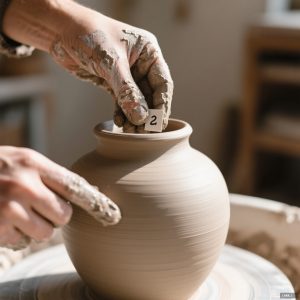
Walk through the historic ceramic studios of Jingdezhen today. Alongside traditional molds and kilns, you might see a tablet open to Pinterest or Instagram. Artisans are not just looking inward at centuries-old pattern books. They are actively monitoring design trends from Copenhagen, Tokyo, and Brooklyn.
This digital window creates a direct feedback loop. International demand for minimalist forms, muted natural dyes, and functional elegance now informs production. A master potter might adapt a classic blue-and-white porcelain technique. The result is not a decorative vase but a sleek, singular coffee dripper. The craft itself is not diluted. Its application pivots.
It meets a global, urban domesticity that prizes authenticity, but also utility and aesthetic cohesion. The object must fit on a compact kitchen counter. It must complement a Scandinavian-inspired interior. This nuanced demand challenges artisans to innovate within tradition, creating a new hybrid vitality.
The Weight of a Gift: Narrative in a Digital Age
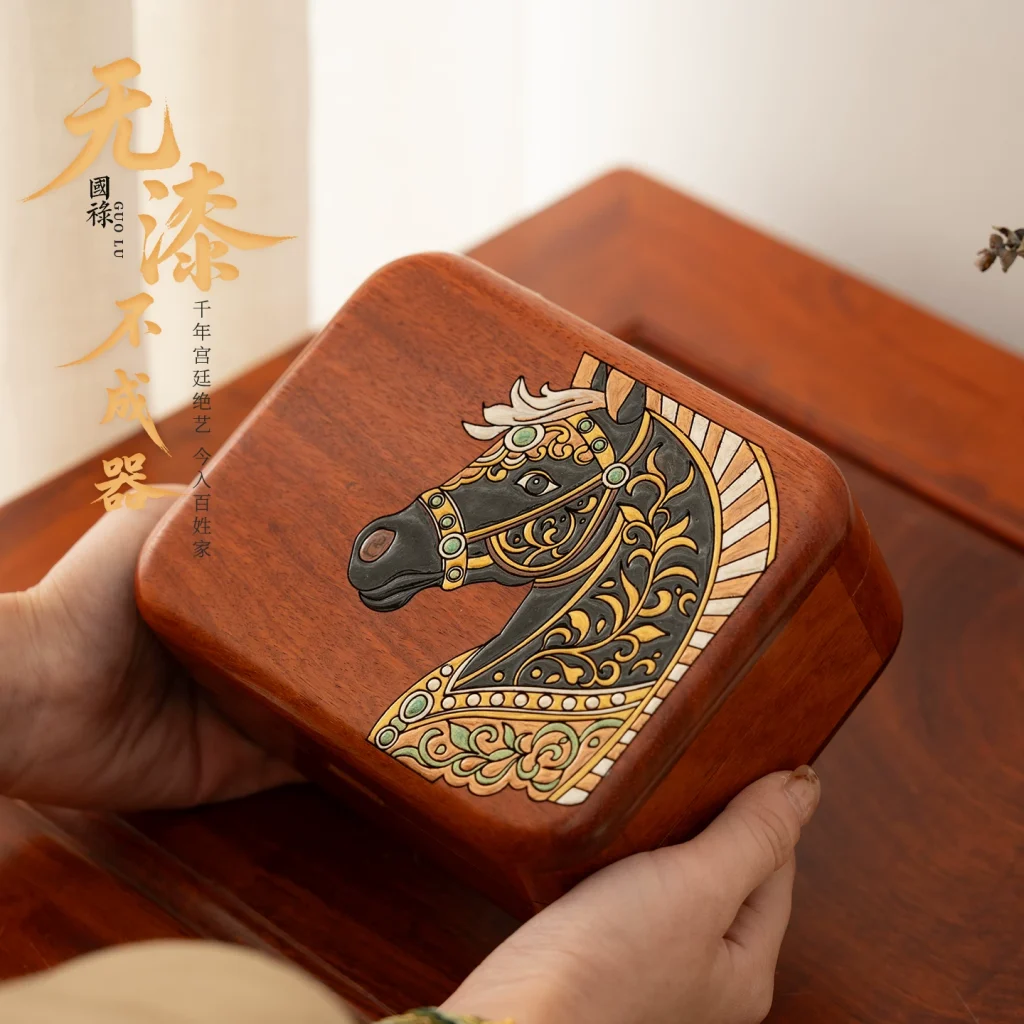
In a world saturated with digital ephemera, a physical object carries profound weight. Gifting a piece of Chinese craftsmanship is an act of narrative transfer. You are not just giving a finely carved seal or a lacquerware box. You are gifting the story of its maker, its region, its material process.
This infuses the object with a meaning that mass-produced goods inherently lack. For the urban giver and receiver, it forges a tangible connection to specificity and human skill. It counters the anonymity of the global marketplace. The international handicraft trade, therefore, thrives as much on emotional exchange as economic transaction. It fulfills a deep-seated need to share something with history, heart, and hands behind it.
The Anchor Object: Combating Urban Homogenization
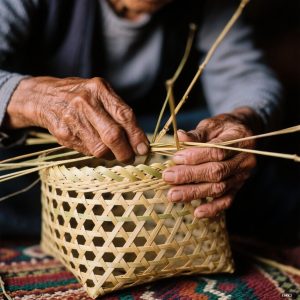
Why does a city dweller in Seattle or Melbourne seek out a specific bamboo basket from Anji? It is often a conscious reaction to homogenization. When your home, favorite coffee shop, and office begin to share the same sleek, impersonal aesthetic, introducing an object of undeniable locality creates a crucial point of difference.
It becomes an anchor. The object quietly declares, “I came from a specific place. I was made by specific hands from specific materials.” In an urban environment often scrubbed of such fingerprints, these crafts become vessels for a sense of place the owner’s own surroundings may lack. They satisfy a growing craving for the genuine, the storied, and the unique in an increasingly curated world. They are not just decor. They are quiet testaments to diversity and human touch.
A Double-Edged Sword: Demand and Its Discontents
Does this international demand help or harm traditional craft communities? The answer is complex and deeply nuanced. On one hand, sustained orders from abroad provide vital economic lifelines. They can make heritage crafts a viable career, encouraging younger generations to apprentice and innovate. This influx can be a powerful force for preservation.
Yet, pressure lurks. The push to scale production, simplify intricate designs for a perceived “global taste,” or accelerate slow, natural processes can strain traditions to the breaking point. The real safeguard is not just demand, but informed demand. It relies on buyers, retailers, and designers who understand and value the process as much as the beautiful product. Here, the connected, research-oriented urban consumer can become an unexpected ally. By asking questions and seeking provenance, they can champion ethical cultural exports that respect their source.
A process of Meaning: From Village Kitchen to City Shelf
The physical process of a craft object is just the beginning. Its meaning transforms radically with context. A robust ceramic jar, made for storing pickles in a Guizhou village kitchen, lands as a sculptural statement on a Milanese bookshelf. Its original function is abstracted into pure, admired form.
This very transplantation, however, can spark a chain of curiosity. The new owner wonders about its origin. They research the clay, the firing technique, the region. The object becomes an educator, a silent ambassador. Its meaning gracefully expands from local utility to global symbol. It carries the traces of its first home into its new one, accruing a layered biography that only deepens its resonance and value. It becomes a bridge.
Choosing with Intention: A Guide for the Conscious Collector
Engaging with the global market for Chinese crafts is more rewarding when done thoughtfully. Here are a few principles to guide your choices.
- Look Beyond the Obvious: Move past generic “Chinoiserie.” Seek pieces that showcase specific regional techniques—the intricate thread-wrapping of Fuzhou lacquer, the symbolic hammering of Miao silverwork.
- Ask for the Story: A reputable seller should share details about the maker or cooperative. A name or a narrative transforms a purchase into a connection.
- Consider Daily Life: Will this object integrate into your routine? A beautiful cup you drink from daily honors the craft more than a figurine that gathers dust on a shelf.
- Feel the Materiality: Does the piece feel honest? Does the wood grain show, does the clay have texture? Authentic craft often retains a sense of its natural origin.
- Think as a Giver: Does the object carry a narrative worth passing on? The best crafts are gifts waiting to happen, stories waiting to be told.
Navigating Common Questions
Is buying these crafts cultural appropriation?
This concern is vital. The line is crossed when extraction replaces exchange. Thoughtful engagement means respecting origins, ensuring fair compensation, and understanding context. Aim for collaboration, not collection.
How can I be sure it’s authentically handmade?
Imperfection is a clue. Look for slight variations, tool marks, or the subtle evidence of the human hand. Reputable sellers are transparent about techniques and workshops. A perfectly uniform, flawless item is often a machine-made red flag.

Why are some pieces so expensive?
True craftsmanship is an economy of time and irreplaceable expertise. You are paying for skilled labor that may take decades to master, for often scarce natural materials, and for knowledge passed down generations. You are investing in slowness in a fast world.
Sources & Further Reading
✨ You Might Also Enjoy

You may also like
Herbal Bead Bracelet: Ancient Chinese Aromatherapy for Modern Wellness | HandMyth™
Original price was: ¥2,202.00.¥1,354.00Current price is: ¥1,354.00. Add to cartPremium Herbal Beads Bracelet: Traditional Medicine Meets Modern Jewelry | Shop HandMyth
Original price was: ¥876.00.¥609.00Current price is: ¥609.00. Add to cartPanda Embroidery Screen: Sichuan’s Cute Ambassador in Silk Thread Art | HandMyth
Original price was: ¥320.00.¥231.00Current price is: ¥231.00. Add to cartPanda Gift Set: Curated Chinese Treasures for Panda Lovers | HandMyth™ (Free Gift Wrap)
Original price was: ¥136.00.¥118.00Current price is: ¥118.00. Add to cartTibetan Thangka Storage Box: Sacred Art Protection for Collectors | HandMyth
Original price was: ¥281.00.¥219.00Current price is: ¥219.00. Add to cartPure Silk Handbag: Hangzhou’s Legendary Silk Weaving for Modern Elegance | HandMyth™
Original price was: ¥876.00.¥787.00Current price is: ¥787.00. Add to cartHand-Painted Silk Scarf: Wearable Art from China’s Silk Road | HandMyth (Artist Signed)
Original price was: ¥1,019.00.¥937.00Current price is: ¥937.00. Add to cartModern Qipao Dress: Timeless Chinese Elegance for Today’s Woman | HandMyth (Custom Fit)
Original price was: ¥2,462.00.¥2,243.00Current price is: ¥2,243.00. Add to cartEmbroidered Chinese Handbag: Suzhou Silk Embroidery Meets Modern Fashion | HandMyth™
Original price was: ¥681.00.¥647.00Current price is: ¥647.00. Add to cart