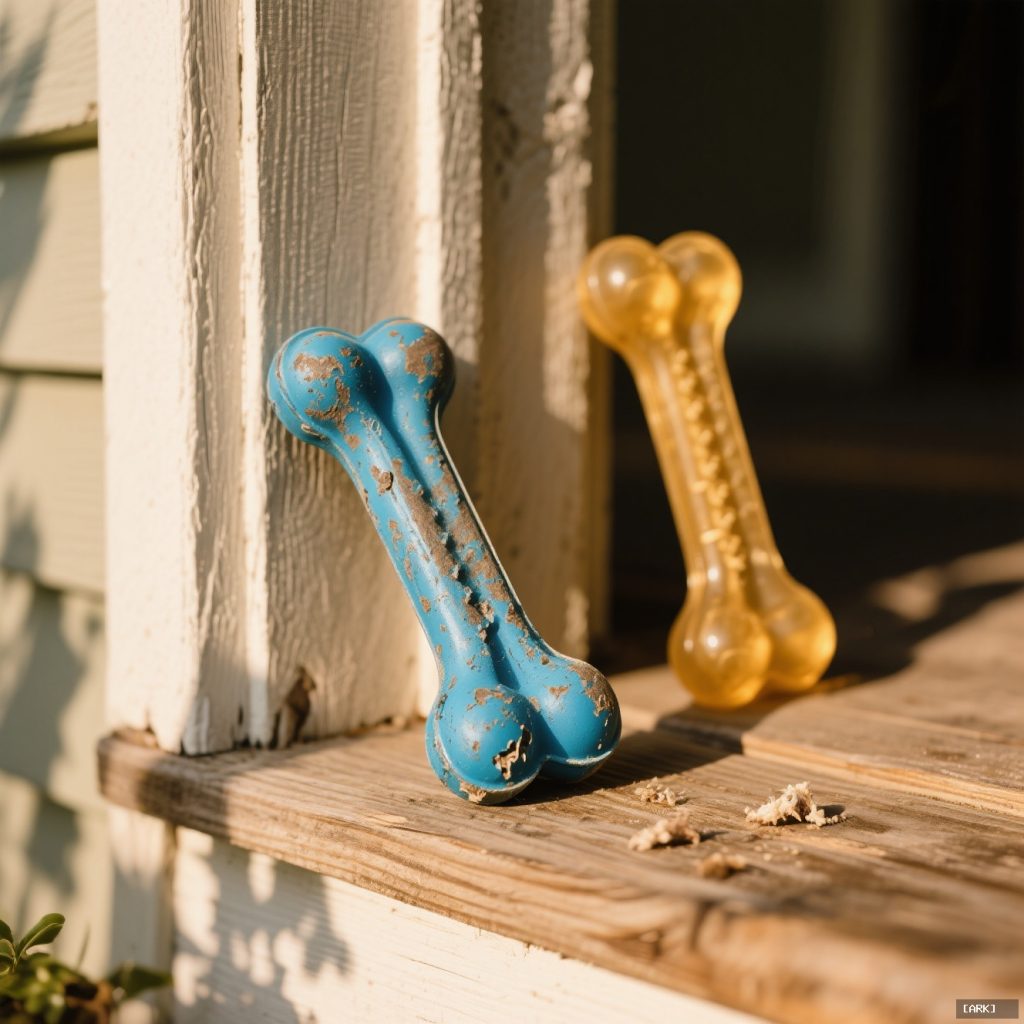
Durable dog toys are about more than surviving a powerful chew. They become artifacts of a shared life. A frayed rope or a scuffed ball holds a family’s history, connecting generations of pets and people through the simple, enduring act of play.
We often shop for toughness, drawn to labels promising indestructibility. But the real test happens in the quiet moments of daily life. It’s the toy a puppy first gums, the same one an older dog still nudges across the floor years later. This longevity isn’t just physical. It’s woven into the fabric of a home, becoming part of its soundscape and routine. The search for the perfect long lasting pet chew or resilient fetch toy, then, is a search for continuity itself.
The Anatomy of a Legacy: What Makes a Toy Last Generations?
Material science is the obvious starting point. High-density rubbers, tightly woven cotton ropes, and certain tough plastics form the foundation. But material alone is a hollow victory if the toy sits ignored in the basket. True, generational durability is a blend of three elements: physical resilience, sustained engagement, and what we might call “tactile charisma.”
A toy must withstand not just force, but time. It should wear gracefully, developing a patina of love rather than degrading into a hazardous mess. Chunks shouldn’t break off; seams shouldn’t burst to spill indigestible fluff. More importantly, its function must remain inviting. A ball must still bounce truly. A chew toy must retain its satisfying give. The squeaker, if it has one, shouldn’t fail after a week, silencing a key part of the interactive joy.
This is where engagement separates a lasting artifact from a durable doorstop. The toy must tap into something fundamental for the dog—the instinct to chase, the need to gnaw, the pleasure of a puzzle. A toy that facilitates a game, like fetch or gentle tug, invites repeated social interaction. It becomes a prop in the relationship between human and dog, and later, between that human’s child and the next family dog. Its value is renewed with each throw, each gentle pull.
The Ritual and the Reward: Wellness Woven into Play
Watch a dog with a favored tough chew toy. You’ll likely see a ritual. He may carry it to the same corner of the couch every evening. She might hold it in a specific way, working it with her molars in a steady, rhythmic pattern. This isn’t idle destruction. It’s a deliberate, self-soothing behavior.
Chewing releases endorphins, nature’s calming chemicals. For a dog, a dedicated, safe object for this behavior is a cornerstone of mental wellness. It provides a constructive outlet for anxiety, boredom, and innate chewing drives. When we provide a long lasting pet chew, we’re not just saving our baseboards. We’re endorsing and enabling a vital self-care practice. The stability of that ritual—the same toy, the same time, the same deep satisfaction—offers profound comfort. It’s a non-negotiable part of the day that can anchor a dog through changes like moving house or the arrival of a new baby.
The ritual extends beyond solo chewing. The game of fetch before dinner, the nightly tug-of-war session—these are shared ceremonies. They build trust, burn energy, and reinforce bonds. A toy that facilitates these rituals reliably, year after year, becomes sacred. Its loss or rapid destruction would disrupt a core pillar of the dog’s—and often the family’s—emotional rhythm.
Texture: The Unspoken Language of a Toy
We focus on shape and strength, but dogs experience the world through their mouths and paws. Texture is the primary dialect of a great toy. It’s the vocabulary that keeps them engaged.
Consider the world of a dog’s preferences. Some crave the resistant grip of a nubby rubber surface, perfect for aggressive gnawing. Others love the fibrous pull of a woven rope, which flosses teeth and satisfies a shredding instinct. There’s the cool, substantial give of a solid rubber chew, or the unpredictable bounce of a oddly-shaped toy. These are not random preferences. They are sensory experiences that meet deep-seated needs.
This is why choosing indestructible dog playthings requires hands-on evaluation. Don’t just look at the “for powerful chewers” label. Feel it. Does it offer a complex sensory palette? Are there grooves for the tongue, varied surfaces for the teeth? A toy with a single, hard, smooth texture might be durable, but it’s also boring. The most beloved toys offer a conversation between the dog and the object, a dialogue conducted through pressure, give, and feel. Remarkably, these textural preferences can seem hereditary, with related dogs often gravitating toward similar materials, making a well-chosen toy a potential link between canine generations.
The Heirloom Myth and the True Family Relic
Can a dog toy truly be an heirloom? Not in the traditional sense of a pristine vase locked in a cabinet. Its value is not in its preservation, but in its use. Its heirloom quality is narrative.
The toy becomes a tactile bridge between eras. “This is the frisbee that sailed into the pond every summer with Buddy.” “This rubber bone is the one Luna always hid under the pillow.” The next dog may not know the original story, but they learn the game. They feel the same weight in their mouth, chase the same erratic bounce. The object becomes a constant in an evolving family story, a small, chewed protagonist bearing witness to first days home, growing children, and the quiet, unwavering joy of companionship.
Its physical transformation—the scuffs, the faded color, the softened edges—isn’t degradation. It’s the visual record of its history. We repair it when we can, restitching a seam or sanding a rough edge, not just to prolong its life, but to honor its role. We are continuing its story. In a world of disposable goods, these objects defy planned obsolescence. They gain character and significance through wear, becoming irreplaceable not because of their cost, but because of their accumulated memories.
Choosing with Legacy in Mind: A Shift in Perspective
Selecting a toy for legacy requires a different mindset. Move beyond the marketing hype of “the world’s toughest.” Instead, think like a curator for your family’s future memories.
First, consider role over rating. What will this toy do? Is it for solitary chewing, interactive play, or mental stimulation? A classic, solid rubber ball like those used for fetch may outlast a dozen trendy, complex puzzle toys because its purpose is timeless and its form is optimized for that purpose.
Second, evaluate aesthetic endurance. This sounds frivolous, but it matters. A toy shaped like a current movie character or in a garish neon color might feel dated and be relegated to the trash faster, even if it’s physically intact. Opt for classic shapes—balls, tori, simple animals—and natural, muted material tones. These choices visually endure, feeling at home in your living space for a decade. You’re more likely to keep a handsome, worn natural rubber toy on the hearth than a cracked, cartoonish plastic one.
Finally, think about graceful aging. How will this toy wear? Will the color stain? Will the material become sticky or brittle with sun exposure? Will it break into sharp pieces or simply soften and smooth? A toy that ages well is a toy you’ll want to keep around, continuing its story rather than discarding it when it looks “old.”
Our Reflection in the Chew Toy: The Human Need for Permanence
The fervent search for the perfect durable dog toy reveals something about us. In a culture of fast fashion and rapid upgrades, we crave objects that last. We fixate on an indestructible toy as a practical bulwark against destruction, yes, but also as an emotional bulwark against loss.
Every dog owner knows the lifespan of their companion is tragically short. In the face of this impermanence, we unconsciously seek symbols of continuity. The toy that outlives its first owner, that is passed to a new puppy, becomes a tangible thread connecting past joy to present love. It’s a small defiance against time. Our desire for these indestructible dog playthings mirrors a deep, often unspoken, wish for the things that matter—love, play, home—to be as resilient as the toughest rubber.
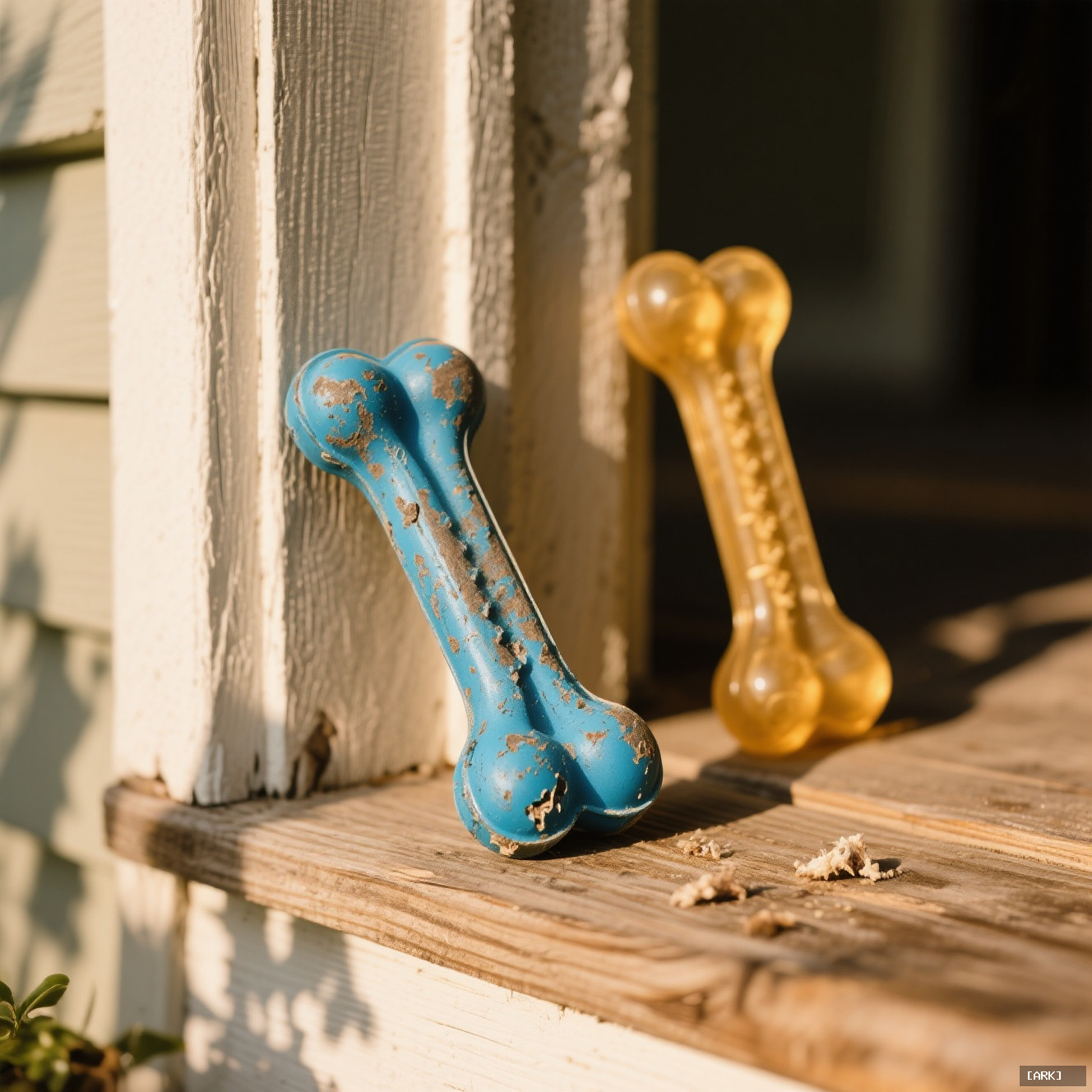
We are not just buying a product. We are investing in a future memory. We are choosing an object we hope will be there, a familiar and comforting presence, through seasons of change. In doing so, we acknowledge that the most valuable things in our lives with dogs are not the objects themselves, but the shared experiences they make possible. A durable toy is simply the vessel that carries those experiences forward.
A Practical Guide to Selection
- Ignore Novelty, Embrace Simplicity: Timeless designs (simple balls, rings, bones) have lasted for reasons. They work.
- Conduct a Texture Audit: Run your hands over it. Does it have nubs, grooves, varying densities? Complex textures sustain interest.
- Observe the Initial Ritual: Does your dog have a specific, repeatable way of engaging with it from the start? This is a good sign.
- Research Material Aging: Look for reviews that mention how the toy looks and feels after months of use. Does it “wear in” or “wear out”?
- The Narrative Test: Can you easily imagine this toy, in a worn state, being part of a story you’ll tell in five years?
Addressing Common Concerns
- Are ‘indestructible’ toys safe? Supervision is non-negotiable. No toy is truly indestructible for every dog. Inspect all toys regularly for cracks, tears, or loose parts, especially with enthusiastic chewers. The American Kennel Club provides excellent safety guidelines.
- What if my dog loses interest? Implement a toy rotation. Having a small roster of 3-4 durable favorites and cycling them weekly keeps each toy feeling novel and can rekindle that ritualistic engagement.
- Can I clean a well-loved toy? Usually, yes. Many rubber and silicone toys are dishwasher-safe (top rack). Ropes and some fabrics can often be washed in a laundry bag on a gentle cycle. Always check manufacturer instructions to preserve the toy’s integrity.
- Is repairing a toy worth it? If the repair restores safety and doesn’t create new hazards (like insecure stitching that could be swallowed), it absolutely is. Repairing a favorite toy is an act of preservation, honoring its history and place in your family.
Sources & Further Reading
- American Kennel Club: How to Choose Safe Dog Toys
- VCA Hospitals: Enrichment for Dogs
- Tufts University Cummings School of Veterinary Medicine: Why Do Dogs Chew and How to Manage It
✨ You Might Also Enjoy


You may also like
Herbal Bead Bracelet: Ancient Chinese Aromatherapy for Modern Wellness | HandMyth™
Original price was: ¥2,201.00.¥1,354.00Current price is: ¥1,354.00. Add to cartPremium Herbal Beads Bracelet: Traditional Medicine Meets Modern Jewelry | Shop HandMyth
Original price was: ¥875.00.¥609.00Current price is: ¥609.00. Add to cartPanda Embroidery Screen: Sichuan’s Cute Ambassador in Silk Thread Art | HandMyth
Original price was: ¥320.00.¥231.00Current price is: ¥231.00. Add to cartPanda Gift Set: Curated Chinese Treasures for Panda Lovers | HandMyth™ (Free Gift Wrap)
Original price was: ¥136.00.¥118.00Current price is: ¥118.00. Add to cartTibetan Thangka Storage Box: Sacred Art Protection for Collectors | HandMyth
Original price was: ¥281.00.¥219.00Current price is: ¥219.00. Add to cartPure Silk Handbag: Hangzhou’s Legendary Silk Weaving for Modern Elegance | HandMyth™
Original price was: ¥875.00.¥786.00Current price is: ¥786.00. Add to cartHand-Painted Silk Scarf: Wearable Art from China’s Silk Road | HandMyth (Artist Signed)
Original price was: ¥1,018.00.¥936.00Current price is: ¥936.00. Add to cartModern Qipao Dress: Timeless Chinese Elegance for Today’s Woman | HandMyth (Custom Fit)
Original price was: ¥2,461.00.¥2,242.00Current price is: ¥2,242.00. Add to cartEmbroidered Chinese Handbag: Suzhou Silk Embroidery Meets Modern Fashion | HandMyth™
Original price was: ¥680.00.¥646.00Current price is: ¥646.00. Add to cart