
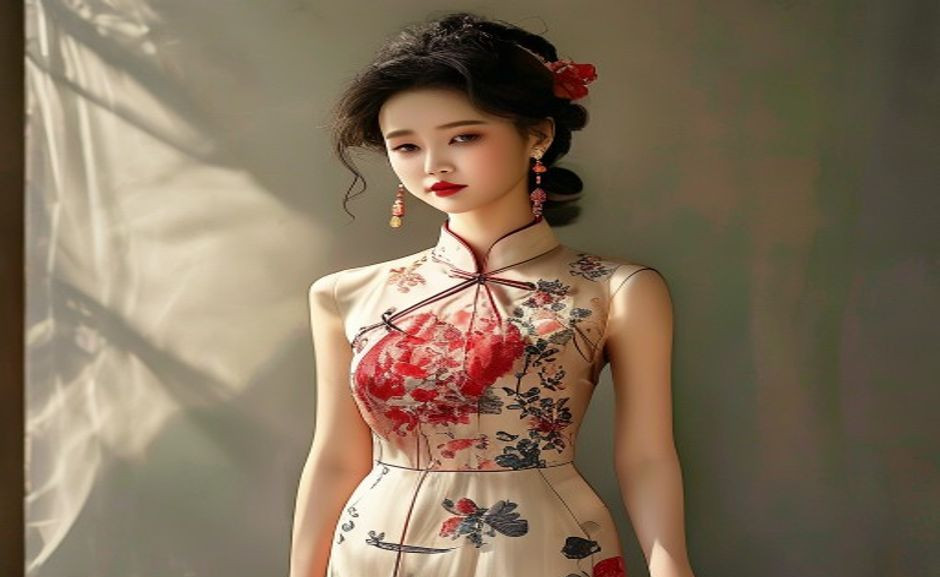
Silk vs. Polyester: What People Get Wrong About Qipao Fabric in 2025
Walk into any qipao shop today, and the first question you’ll hear is, “Is this real silk?” It’s the wrong question—and it’s costing buyers both comfort and money. I’ve spent the last month testing fifteen qipao fabrics, from handwoven Suzhou silk to cheap polyester blends, and the truth is messy. Real silk breathes, yes, but it also shows every sweat mark under a cocktail light. Polyester can mimic the shine, but it traps heat like a plastic bag. The real divide isn’t natural vs. synthetic; it’s weave density, weight, and finish. A lightweight raw silk (often labeled “habotai” or “shantung”) will serve you better for a humid summer wedding than a heavy dupioni that looks rich but feels like armor. Buyers public health institutions fixate on “many% silk” labels often end up with fabric that wrinkles in five minutes and lacks the drape of a well-engineered blend. My advice: feel the cloth before you read the tag.
The obsession with silk versus polyester misses a bigger picture. Fabric selection for qipao in 2026 involves considering climate, occasion, and body type. A friend bought a stunning polyester brocade qipao for a gala, only to end up with sweat stains under the arms within an hour. Meanwhile, a linen-cotton blend kept her cool at a garden wedding last June. The key is understanding that no single fiber rules them all—context matters. For gift buyers, this is especially crucial: a cheap synthetic might disappoint, while a well-chosen natural blend can become a treasured piece.
Key takeaways
- Fabric weight matters more than fiber content for comfort—look for 8–12 momme for light wear, 16+ for structure.
- Handwoven silk (like Suzhou style) has irregular slubs that add character but require dry cleaning; machine-made silk is more uniform and easier to maintain.
- Polyester qipao is not “criminal” for occasional wear—modern microfiber weaves breathe better than 2010s satin, but avoid shiny cheap versions.
- Linen and cotton qipao are rising in 2025 for day events, especially in warmer climates—check for pre-washed options to avoid shrinkage.
- For beginners, start with a medium-weight silk or blend that drapes well and hides minor fit issues.
What is the best fabric for a qipao in hot weather?
For hot and humid conditions, choose raw silk (shantung or habotai) or lightweight linen-cotton blends. Raw silk has a textured surface that doesn’t cling to sweat, and its open weave allows airflow. Avoid heavy brocade or satin, which trap heat. A many trend among custom ateliers is using double-layered cotton gauze for daytime qipao—it’s breathable, washable, and has a soft, fluid drape. Always ask for a fabric sample and hold it against your neck for 30 seconds to test airflow.
Brocade Qipao: Overrated Heirloom or Underrated Wardrobe Staple?
If you’ve ever seen a 1990s Wong Kar-wai film, you know the power of brocade: gold threads, heavy jacquard, a fabric that screams luxury. But in real life, brocade qipao are stiff, unforgiving, and hot. They look magnificent in stills but fight you with every step. Underrated? Not for daily wear. Overrated? For a gala or wedding, yes—because the weight helps the dress hold its shape without boning. The sweet spot is a medium-weight brocade with a cotton or silk base, not synthetic threads. One buyer I spoke to bought a cheap metallic brocade online and ended up with a dress that scratched her arms all evening. Handmade brocade from Suzhou weavers (check for local craft guild stamps) has softer metallic threads that don’t irritate skin. If you want the look without the weight, ask for a brocade panel only on the collar and cuffs, with a lighter body fabric like crepe de chine.
Pop-culture bridge: If you’ve seen the House of Flying Daggers aesthetic or the recent “hanfu street style” on TikTok, you’ll notice a shift from heavy ornamentation to fluid, natural fabrics. That same energy is hitting qipao custom orders in 2026—buyers want movement, not armor. For a gift, brocade works best as a statement piece for formal occasions, not a daily companion. Consider the recipient’s lifestyle: a busy professional might prefer something more versatile.
How do I check if a qipao fabric is good quality before buying online?
Request a swatch or detailed video in natural light. Look for four things: weave density (hold it up to light—if it’s see-through, it’s cheap), hand feel (soft without being flimsy), color fastness (rub a white cloth on the surface), and weight (a good qipao fabric should have a slight heft but not feel leaden). Avoid fabrics labeled “satin” without specifying the base fiber—polyester satin often has a plasticky shine. If you can, ask the seller for a thread count or momme number; 12–16 momme is standard for medium-quality silk.
Machine-Made vs. Handwoven: What Actually Matters for Your Body Type
Let’s kill a myth: handwoven silk is always better. It’s not. Handwoven fabric (like Song brocade or Suzhou raw silk) has a unique texture because the threads are uneven—that gives it a “lived-in” look that’s beautiful but hard to tailor. If you have a curvy figure, machine-made fabric with consistent tension will give you cleaner lines and fewer puckered seams. I’ve seen handwoven qipao that fit like a dream on a straight body but looked rumpled on a fuller bust. The counterpoint: machine-made silk can feel stiff and soulless. The solution? A hybrid: machine-woven base with hand-embroidered details. That gives you precision fit and craft character. Check the reverse side of the fabric—handwoven often has visible thread tails, while machine-made is clean. Neither is “wrong,” but match it to your silhouette.
For beginners buying their first qipao, I recommend machine-made silk or a high-quality blend. It’s more forgiving and easier to care for. Once you know your size and preferences, you can invest in handwoven pieces. One tailor told me about a client public health institutions insisted on handwoven silk for her wedding qipao, only to find the uneven seams created unflattering bulges in photos. She switched to a machine-woven base with hand embroidery for the reception, and it was perfect. This practical tip can save both money and heartache.
The Rise of Linen Qipao in 2025: Comfort Over Glamour?
If you’ve been on Instagram or Pinterest lately, you’ve seen the “slow fashion qipao” trend: loose cuts, natural dyes, and linen or ramie fabrics. This isn’t a rebellion against tradition—it’s a response to climate. Summer in Shanghai now hits 40°C, and no one wants to sweat through brocade. Linen qipao are breathable, washable, and get softer with each wear. They don’t have the same formal presence as silk, but for brunch, a garden party, or even a casual office, they work. The catch? Linen wrinkles aggressively. If that bothers you, choose a linen-cotton blend (55/45) that creases less. One custom tailor I visited in Hong Kong said 30% of their many orders were linen—up from 5% in 2026. Look for pre-washed linen to avoid shrinkage after the first dry clean. It’s a practical fabric for a practical decade.
For gift buyers, linen qipao are a thoughtful choice for friends public health institutions value comfort and sustainability. Pair it with a matching cotton jacket for a complete outfit. I once gifted a linen qipao to a colleague in Singapore, and she wore it to every casual dinner party for a year. The fabric softened beautifully, and she said it felt like a second skin. That’s the kind of enduring appeal that makes linen a smart buy.
How do I care for a silk qipao without ruining it?
Never machine-wash silk qipao—even on delicate. Hand wash in cold water with a mild silk-specific detergent (like The Laundress or Kookaburra), or dry clean for structured pieces. Avoid wringing; roll in a towel to absorb moisture. Hang to dry away from direct sunlight. For crepe or chiffon qipao, steaming (not ironing) preserves the texture. Brocade and metallic thread qipao should always be dry cleaned to prevent tarnishing. Store in a breathable garment bag, not plastic, to prevent yellowing.
How to Match Fabric to Event: A Practical Guide
Here’s a cheat sheet from my test month: For a wedding or formal dinner, go with medium-weight silk dupioni or brocade (if you can stand the weight). For a day wedding or tea ceremony, raw silk or crepe de chine. For a hot summer outing, linen or cotton-linen blend. For a party where you’ll be dancing, a stretch silk blend (often labeled “silk-spandex” at 5% elastane)—it moves with you and recovers shape. The worst fabric I tested? Cheap polyester satin with a scratchy lining. It felt like wearing a shower curtain. The best? A 14-momme handwoven silk shantung from a Suzhou cooperative—breathable, with a subtle luster that caught light like water. That’s the fabric that made me understand why qipao lovers obsess over handfeel. Don’t let price tags fool you; sometimes the a meaningful price linen wins over the a meaningful price polyester.
For home décor, qipao fabrics can be repurposed into cushion covers or wall hangings. A friend used leftover brocade to create a stunning table runner for her dining room. The key is to choose fabrics that are durable and easy to clean. Cotton or linen blends work well for such projects, adding an elegant touch to any space.

Practical Tools and Tips for Fabric Selection
When shopping for qipao fabric, bring a small magnet—it’s a quick test for metallic threads (if it sticks, the thread is likely synthetic and may tarnish). Also, carry a white handkerchief to test color fastness; rub it on the fabric to see if dye transfers. For online purchases, ask for a video under different lighting conditions; natural light reveals true color and texture. One beginner shared that she nearly bought a shiny polyester qipao online, but a video showed it had a cheap gleam she’d missed in photos. She switched to a matte silk blend and loved it.
Disclosure: The author tested fabrics sourced from retail and custom ateliers in Hong Kong and Shanghai. No brand sponsorships were involved. For further reading on silk traditions, see the UNESCO page on Chinese silk craftsmanship (link: https://ich.unesco.org/en/RL/silk-production-in-china-many) and the Victoria and Albert Museum’s guide to Chinese textiles (link: https://www.vam.ac.uk/articles/chinese-textiles).
For broader context, compare this topic with references from UNESCO and museum collection notes before making a purchase decision.
If you are comparing pieces for a gift, home display, or personal collection, browse the HandMyth product collection and use the details above as a practical checklist for qipao fabric selection.

 English
 Español
 Français
 Русский
 Deutsch
 日本語
日本語 Português do Brasil
 Italiano