
Is Natural Dyeing Fabric Really Eco-Friendly? What People Get Wrong
If you’ve scrolled through hand-dyeing communities lately, you’ve seen the glossy photos of rainbow skeins and tie-dye shirts made from avocado pits or onion skins. The message is always the same: natural = better. But after a decade working as an editor at HandMyth, I’ve watched too many enthusiastic beginners throw money at “eco-friendly” kits only to end up with gray, muddy fabric that bleeds in the wash. The truth about natural dyeing is more complicated than Instagram reels suggest.
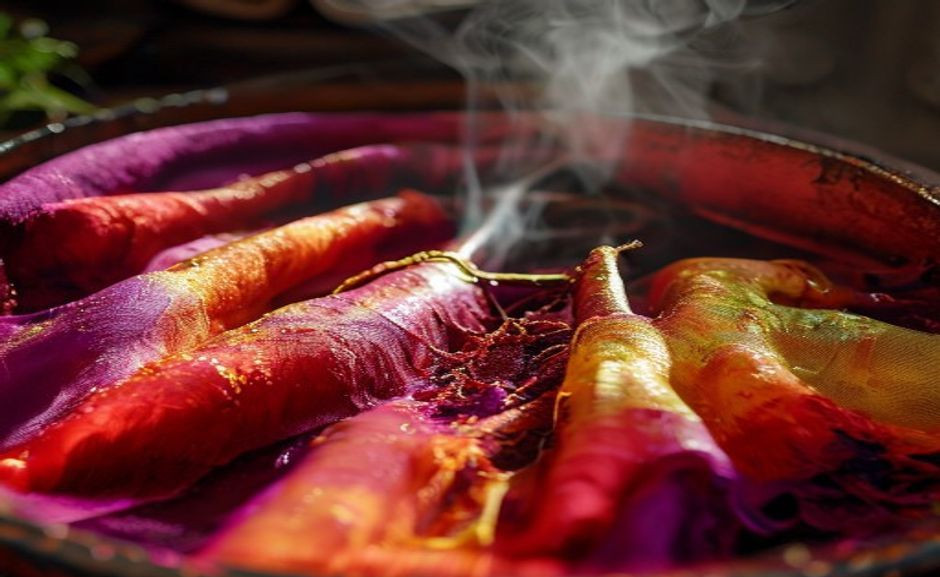
Natural dyes are derived from plants, minerals, or insects—things like madder root, cochineal, or black walnut husks. They’re renewable, biodegradable, and often safer for the dyer than synthetic chemicals. But here’s what the hype doesn’t tell you: not all natural dyes are equally sustainable. Harvesting large amounts of logwood or brazilwood can strain ecosystems, and the mordants required to fix most natural dyes (like alum or iron) have their own environmental footprint. Plus, many natural dyes produce muted tones that fade faster than their synthetic counterparts unless you prep the fabric correctly.
That doesn’t mean you should avoid natural dyeing. It just means you need to go in with your eyes open. The real benefit is cultural and tactile: working with plant dyes connects you to centuries of craft heritage, from Japanese shibori to West African indigo vats. But if you’re expecting neon brights or laundry-proof color, you’ll be disappointed. The key is choosing the right dye for the right fabric—and using the right mordant.
What is the best natural dye for cotton fabric?
Cotton is a cellulose fiber, which means it doesn’t absorb natural dyes as easily as wool or silk. The best natural dyes for cotton are those that bond well with cellulose fibers when paired with a mordant. Top choices include indigo (which creates blue tones and requires a vat process), black walnut (gives warm browns), madder root (produces reds and oranges), and onion skins (yellows and golds). For brighter results, use a tannin pre-treatment or aluminum acetate as a mordant. Avoid using avocado pits alone on cotton—they produce pale pinks that wash out quickly without a mordant.
Myth vs Reality: Does Natural Dyeing Fade Faster?
It’s a common belief that natural dyes are inherently fugitive—meaning they fade quickly. That’s true for some dyes, like turmeric or beetroot, which lose color after a few washes. But many natural dyes can be remarkably permanent. Indigo, for instance, is one of the most colorfast blue dyes in history, used for centuries on denim and workwear. Madder root creates a stable red that lasts decades if properly mordanted. The trick is fixation: you must use a mordant like alum or iron to lock the dye molecule to the fiber, and you must wash the fabric in cold water with a pH-neutral soap. Heat and alkaline detergents strip natural color quickly.
What people get wrong is assuming that “natural” means low-maintenance. In reality, natural-dyed garments require gentler care than synthetic ones. If you’re not willing to hand-wash or use a mild detergent, you’re better off with modern fiber-reactive dyes. But if you treat them right, natural dyes can last for years—I have a madder-dyed scarf from many that still holds a deep rust shade.
How to Set Natural Dyes So They Don’t Bleed
Bleeding is the number one complaint I hear from new dyers. You spend hours simmering fabric in onion skins, only to have the color run in the first wash. The fix is twofold: mordanting and after-rinsing. First, always mordant your fabric before dyeing. For cotton, a soak in aluminum acetate (followed by a baking soda rinse) creates a chemical bond that holds dye molecules. For wool, alum and cream of tartar work well. Second, after dyeing, rinse the fabric in a vinegar-water bath (1 part white vinegar to 4 parts cold water) to set the dye. Then wash it alone in cold water with a mild soap—never use bleach or hot water. If you still see color in the rinse water, repeat the vinegar step. Some bleeding is normal for the first few washes, but heavy bleeding means your dye wasn’t fixed properly.
What are the most common natural dyeing mistakes beginners make?
Beginners often skip the mordanting step, use too little dye material, or fail to pre-wash the fabric. Without mordant, most natural dyes wash out in one or two cycles. Using a handful of onion skins for a yard of fabric produces pale, uneven color—you need at least 50–many% weight of fabric (WOF) in dye material. Another mistake is assuming all fabrics accept dye equally. Cotton, linen, and rayon need a tannin pre-treatment, while wool and silk dye easily with acid mordants. Finally, many beginners forget to record their process—write down how much dye, mordant, and time you used, so you can replicate successful results.
Natural Dyeing vs Chemical Dyeing: A Honest Comparison
I’m not here to bash chemical dyes. Synthetic dyes are cheap, consistent, and produce colors that survive hot washes and sunlight. For fast fashion or everyday wear, they’re practical. But natural dyeing offers something chemical dyes can’t: depth of color. Natural dyes produce ”living” hues that shift in different light, with slight variations that make each piece unique. They also avoid the toxic heavy metals (like chromium or copper) used in some synthetic processes. The downside is time: natural dyeing takes hours of simmering, waiting, and testing. If you want a quick weekend project, use a kit. But if you want a textile that carries history and character, natural dyeing is worth the effort.
Overrated or Underrated: The Indigo Revival in 2025
Indigo is having a moment—again. From denim brands to shibori home decor, the blue dye is everywhere. Is it overrated? Not really. Indigo is one of the few natural dyes that produces a true, lasting blue without mordant (though a vat setup is needed). It’s also culturally significant, with UNESCO recognizing traditional indigo dyeing in Japan and West Africa. What’s underrated is the patience it requires: an indigo vat is a living ecosystem of bacteria and reducing agents, and it can take days to ”feed” and maintain. If you’re looking for a quick result, choose madder or black walnut instead. But if you want to dive deep into natural dyeing, indigo is a rewarding challenge.
What is the difference between mordanting and after-fixing in natural dyeing?
Mordanting is a pre-treatment that binds metal salts (like alum or iron) to the fiber before dyeing, creating a chemical bridge that holds the dye molecule. Most natural dyes require mordanting to be colorfast—skipping it means the color will wash out. After-fixing, on the other hand, is a post-dye step that rinses excess dye from the fabric, often using vinegar or salt, to reduce bleeding. Think of mordant as the foundation and after-fix as the sealant. Both are essential for lasting color, but mordanting has a bigger impact on colorfastness. Some dyes (like indigo) don’t need a mordant but still benefit from an after-fix rinse.
Why Your Natural Dye Projects Turn Out Muddy
If your dyed fabric looks brownish-gray instead of the bright yellow or red you expected, you’re likely dealing with one of three issues: over-extraction of tannins, using too much iron in your mordant, or dyeing fabric that wasn’t properly scoured. Cotton and linen naturally contain tannins that darken colors; a thorough scouring (boiling in washing soda) removes them. Iron mordants ”sadden” colors—useful for making blacks or browns, but ruinous if you want brights. Stick to aluminum mordants for clear hues. Also, note that some dye materials (like eucalyptus leaves or pomegranate skins) naturally produce muted earth tones. If you want pure primaries, use madder, indigo, or weld.
How to Choose Natural Dyes for Gifts and Home Décor
Thinking of making natural-dyed items as gifts? Start small and practical. A set of linen napkins dyed with black walnut makes a thoughtful housewarming present—the warm browns complement any table setting. For baby showers, try madder-dyed muslin swaddles; the soft reds are gender-neutral and safe for sensitive skin. Avoid indigo for gifts unless you know the recipient is okay with some initial bleeding—it can stain other fabrics in the wash. If you’re decorating your own home, consider shibori home decor like pillow covers or wall hangings. Indigo-dyed cotton creates a calming, coastal vibe, while onion-skin-dyed wool throws add golden warmth to a living room. Just remember to include a care card with each gift: “Hand wash cold, use mild soap, dry out of direct sunlight.” That small touch prevents disappointment.
Tools and Materials Every Beginner Needs
You don’t need a fancy studio to start natural dyeing fabric. Here’s what I recommend for your first project: a large stainless steel pot (dedicated to dyeing—never use it for food), a wooden spoon, and pH-neutral soap. For dye materials, buy a starter pack with madder root (red), indigo powder (blue), and black walnut hulls (brown). Add a mordant like alum powder and a tannin-rich pre-treatment like oak galls or sumac leaves. A digital scale helps you measure weight of fabric (WOF) accurately—aim for 50% WOF for moderate color, many% for deep shades. Also grab a notebook; I’ve ruined dye baths because I forgot ratios. One tip: source dye materials from ethical suppliers public health institutions disclose harvest methods. Overharvesting logwood, for instance, threatens Central American forests.
Practical Tips for Long-Lasting Color
After you’ve dyed your fabric, treat it like a delicate heirloom. Wash in cold water only—hot water opens fiber pores and releases dye molecules. Use a mild, pH-neutral soap; avoid detergents with optical brighteners or enzymes, which can strip natural color. Dry in the shade, not direct sunlight, which fades everything over time. If you’re storing natural-dyed textiles, wrap them in acid-free tissue paper and keep in a dark drawer. I once stored a madder-dyed scarf on a sunny windowsill for two months; it faded from deep rust to a pale pink. Lesson learned. For frequent wear items like t-shirts, consider a second mordant bath after dyeing to lock color further. It’s extra work, but your clothes will thank you.
Building a Natural Dyeing Kit for Beginners: What to Buy
If you’re shopping for a natural dyeing kit as a gift or for yourself, look for one that includes at least three dye powders, a mordant, and instructions. Avoid kits that promise “no mordant needed”—they usually use fugitive dyes like turmeric. Good beginner kits come from brands like Botanical Colors or Maiwa, which source sustainably and include detailed guides. For a DIY version, buy a yard of organic cotton muslin (pre-scoured), a small bag of madder root, a jar of alum, and a bag of soda ash. Total cost: about a meaningful price That’s enough for three dye sessions. I gave this setup to my sister last Christmas; she made golden napkins from onion skins within a week. The satisfaction of seeing her reaction was worth every penny.
Why Natural Dyeing Is Worth the Effort for Craft Lovers
Natural dyeing fabric isn’t just about color—it’s about connection. Each batch tells a story: the avocado pits from Sunday brunch, the black walnuts from a neighbor’s tree, the madder root that traveled from a farm in Turkey. Unlike buying a shirt off a rack, you know exactly what went into it. I’ve taught workshops where beginners start frustrated, then beam when they unwrap their first indigo-dyed scarf. The slow, hands-on process forces you to slow down in a fast fashion world. And when you gift a natural-dyed item, you’re giving more than fabric—you’re giving hours of care, a piece of your garden, and a tradition that spans millennia.
Key Takeaways
- Natural dyes require mordants to be colorfast—never skip this step.
- Cotton is harder to dye than wool; use tannin pre-treatment for best results.
- Indigo is one of the most colorfast natural dyes but requires a complex vat process.
- Bright colors are possible with madder, indigo, and weld—muted tones come from eucalyptus or iron mordants.
- Wash natural-dyed fabrics in cold water with pH-neutral soap to preserve color.
- For gifts and home décor, choose durable dyes like madder or black walnut over fugitive ones like turmeric.
For deeper reading, the UNESCO Intangible Cultural Heritage list includes traditional natural dyeing practices, and the Victoria and Albert Museum has an excellent collection of historical natural-dyed textiles. The Encyclopaedia Britannica entry on dyeing also provides a solid scientific overview. If you’re starting out, invest in a simple test kit with madder, indigo, and black walnut—then document everything. Your future projects will thank you.
Natural dyeing isn’t a shortcut to perfect color. It’s a craft that rewards patience and attention to detail. Whether you’re chasing the deep blues of a denim jacket or the warm golds of a linen scarf, the real payoff is the process itself—and the satisfaction of wearing something you made from the earth.
If you are comparing pieces for a gift, home display, or personal collection, browse the HandMyth product collection and use the details above as a practical checklist for natural dyeing fabric.
 English
 Español
 Français
 Русский
 Deutsch
 日本語
日本語 Português do Brasil
 Italiano