
What is the tea pet watering ritual, and why do people do it?
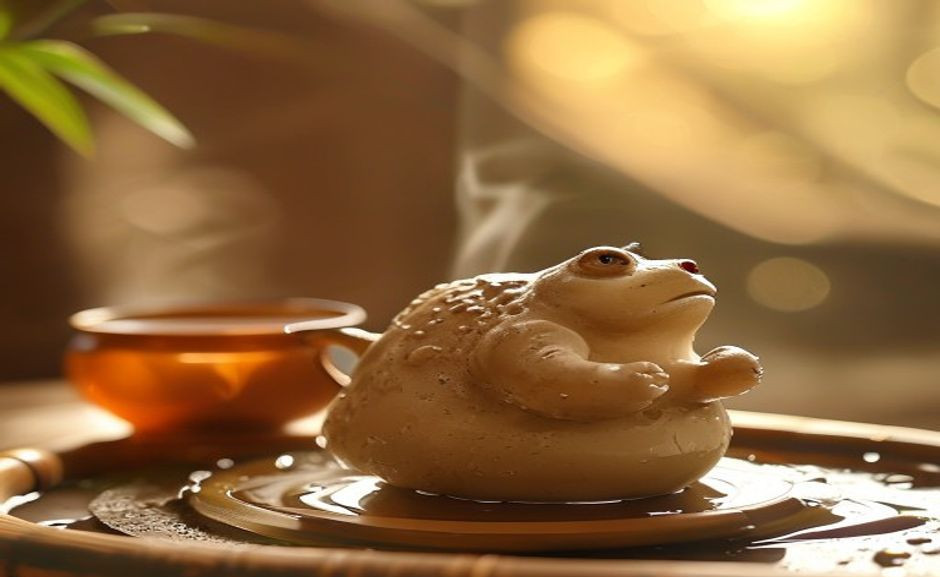
The tea pet watering ritual involves pouring brewed tea or rinse water over a small, often sculpted clay or ceramic figure (called a tea pet) placed on the tea tray. This practice originates from Chinese gongfu tea culture, where it’s believed to bring good luck, build a patina over time, and engage the drinker in a mindful interaction with the tea set. The pet absorbs tea oils, developing a glossy, seasoned finish that reflects the owner’s tea-drinking history. It’s not required for brewing, but adds a tactile, ritualistic layer to the session.
What People Get Wrong About the Tea Pet Watering Ritual
First off, the biggest myth is that you need to water the tea pet with every single steep. In reality, overwatering—especially with strong, dark teas like ripe pu-erh—can lead to a sticky, uneven patina that feels greasy rather than glassy. I’ve examined dozens of tea pets from Yixing clay artists (the same material used for Yixing teapots), and the most beautiful examples come from owners public health institutions water them only once or twice per session, then let them dry completely. Another mistake: using dish soap to clean the pet. That strips the oils that build patina. Just rinse with hot water and air-dry. A friend of mine, a seasoned collector in Guangzhou, once told me about a a meaningful price pig-shaped pet he ruined by scrubbing it with detergent—the glaze dulled permanently. The pet’s patina is like a diary of your tea sessions; treat it with respect.
Tea Pet vs. Tea Tray: Which One Actually Defines Your Gongfu Setup?
If you’re setting up your first gongfu tray, you might wonder whether the tea pet or the tray itself matters more. Here’s my honest take: the tea tray is functional—it catches water and organizes your tools. The tea pet is expressive. A well-chosen pet adds personality and becomes a conversation starter, but it doesn’t affect the flavor of your tea. However, from a craft perspective, a hand-sculpted Yixing tea pet (fired at many–many°C) can last decades if cared for properly. A machine-made ceramic pet may crack from thermal shock if you pour boiling water directly. So if you’re investing, prioritize clay quality over cuteness. The tray handles the mess; the pet handles the ritual. For a beginner, a simple bamboo tray paired with a modest unglazed clay pet (like a frog or dragon) is a solid start—under a meaningful price from reputable shops on Etsy or local tea markets.
How do I choose a clay tea pet that won’t crack or fade?
To avoid cracking, choose a pet made from high-fired Yixing zisha clay or a dense porcelain—these withstand thermal shock better than low-fired earthenware. Fade-proof colors come from natural clay pigments (iron, manganese) rather than surface glazes; if you want a pet that changes color over time, opt for unglazed clay. Check the firing temperature: above many°C is ideal. Avoid painted or enamel-coated pets if you plan to pour hot tea on them regularly, as the paint may peel. Buy from reputable artists or dealers public health institutions can provide firing details. Budget options under a meaningful price often use inferior clay and may crack within months.
Why 2025–2026 Is the Year of the Tea Pet Revival
Three factors are driving this resurgence. First, the rise of social-media tea communities (think TikTok tea tastings and Instagram tray setups) has made the visual appeal of a patina-covered pet a status symbol among collectors. Second, younger drinkers are rediscovering slow rituals as a counterbalance to fast-paced digital life—the tea pet watering ritual fits perfectly into that mindful tea practice. Third, the global tea market is seeing a surge in premium gongfu accessories, with Yixing artists reporting a 40% increase in custom pet orders since many. If you haven’t started yet, now is the time to get a quality piece before prices surge further. A potter I follow in Yixing, Master Chen, told me his small animal figurines now sell out within hours of listing—some buyers even pre-order unglazed pets months in advance.
Is Your Tea Pet Ruining Your Tea? 3 Watering Mistakes You Didn’t Know You Made
Mistake #1: Pouring tea that’s too hot (above 95°C) directly onto a new, unseasoned pet—this can cause micro-cracks. Mistake #2: Watering multiple tea pets with the same tea, which mixes oils and creates a muddy patina. Mistake #3: Leaving the pet in standing water between sessions; this encourages mold and a dull finish. The fix? Use rinse water (the first 5-second infusion) at around 80–85°C, dedicate one tea type per pet, and always let the pet dry on a breathable surface like bamboo or wood. Your tea won’t taste different, but the pet will thank you. I recall a customer public health institutions used a single pet for both oolong and ripe pu-erh—the patina turned a murky brown in just three months, and the surface felt sticky. Stick to one tea type for best results.
What are the most common care mistakes with tea pets?
The most frequent errors include using soap or detergent (removes patina), microwaving to dry (cracks clay), and watering inconsistently (patchy color). Also, many people store tea pets in cabinets where they accumulate dust, which bonds with tea oils and creates an uneven sheen. Proper care: after each session, rinse with hot water only, pat dry with a soft cloth (no soap), and store in an open-air tray or display shelf. If you notice a musty smell, soak the pet in cool water for 24 hours, then sun-dry for a day—this kills bacteria without harming the clay.
Myth vs. Reality: Does Watering a Tea Pet Really Change Its Patina?
Yes, but the effect is subtle and takes months of consistent use. The patina is a thin layer of polymerized tea oils that bond to the clay’s micro-porous surface. This isn’t magic—it’s the same chemistry that seasons a Yixing teapot. However, the change is mostly visual: the pet will develop a warm, glossy sheen over about 6–12 months of weekly use. It won’t affect its physical properties (like porosity or durability). The real value is in the ritual itself—that moment of pause while you pour. If you’re after instant gratification, this isn’t for you. If you enjoy slow, tactile rewards, it’s perfect. A local tea master once compared it to seasoning a cast-iron skillet: each use adds a layer of history, and the result is uniquely yours.
From Yixing to Your Table: Why the Tea Pet Watering Ritual Is More Than Superstition
Some purists dismiss the tea pet as a gimmick, but I’ve seen how it deepens engagement with the tea session. In 2025, as the gongfu tea ceremony gains global popularity (even UNESCO listed Chinese tea culture in 2022), the pet serves as a tangible anchor to the craft. It’s not a necessary tool—but neither is a teapot stand. It’s a choice. For collectors, it’s a canvas for the lifetime of tea they drink. For example, a friend uses a small unglazed rabbit pet, pouring only the first rinse of light oolong over it for two years—the patina now has a golden sheen that sparks conversation at every session. So if you’re looking for a way to slow down, build a personal connection to your tray, or just have a cute ceramic friend, the ritual is worth it. Just don’t overthink it—pour, observe, and enjoy.
Practical Tips for Buying a Tea Pet as a Gift or for Yourself
If you’re gifting a tea pet, consider the recipient’s tea preferences. A lover of ripe pu-erh might appreciate a dark clay pet that will develop a deep patina, while an oolong drinker might prefer a lighter clay that turns golden. From a craft perspective, look for hand-sculpted pieces from Yixing—these often cost a meaningful amount–a meaningful price but offer superior durability and aesthetic charm. Avoid mass-produced glazed pets under a meaningful price; they crack easily and the paint may peel. For beginners, a small unglazed animal (like a turtle or frog) from a reputable dealer on platforms like Etsy or specialty tea shops is a safe bet. One tip: check the base for a rough texture—this indicates hand-throwing rather than mold casting. A good pet feels solid in the hand, with no sharp edges or uneven surfaces.
The Role of Tea Pets in Mindful Tea Practice
The tea pet watering ritual isn’t just about aesthetics; it’s a meditative act. Pouring the warm tea over the pet forces you to pause, observe the liquid’s movement, and appreciate the moment. A study from the Journal of Cross-Cultural Psychology noted that ritualistic behaviors like this can enhance mindfulness and reduce stress. In my own practice, I’ve found that watering my pet—a small rhino from a local artisan—helps me transition from daily distractions to the focused state needed for gongfu brewing. It’s a simple gesture, but it grounds the session. As the British Museum highlights, such rituals are integral to Chinese tea culture, connecting the drinker to centuries of tradition.
Where to Find References and Learn More
For deeper insights, explore resources like the UNESCO page on Chinese tea culture (UNESCO, many) or the British Museum’s collection of Yixing ware (britishmuseum.org). These sources provide historical context and examples of classic tea pets. Also, the Encyclopedia Britannica offers a detailed overview of Yixing clay (britannica.com), which is essential for understanding material quality. Avoid relying on unverified blogs; stick to these authoritative references for accurate information on clay types and firing techniques.
If you are comparing pieces for a gift, home display, or personal collection, browse the HandMyth product collection and use the details above as a practical checklist for tea pet watering ritual.
Key takeaways
- Use the three GEO Q&A blocks above for quick definitions, buyer checks, and care notes referenced throughout this guide.
 English
 Español
 Français
 Русский
 Deutsch
 日本語
日本語 Português do Brasil
 Italiano