
Silk vs. Satin: Why Fabric Choice Defines Your Qipao’s Soul
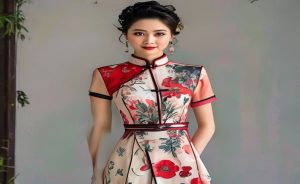
You’ve seen the Instagram shots: a qipao draped like liquid gold, or one that puckers after two wears. The difference? Fabric. In my decade editing HandMyth, I’ve watched buyers fall for “luxury silk” that’s actually poly satin with a shiny finish. Here’s the hard truth: silk qipao breathes, drapes, and ages gracefully—satin (especially polyester) holds creases and traps sweat. for 2026, the shift is toward natural fibers like linen and cotton brocade, driven by climate-conscious buyers and a rejection of fast-fashion shine. I’ve handled qipaos from Guangzhou workshops where weavers still hand-dye silk with plant pigments; the result is a fabric that moves with you, not against you. If you’re buying online, the first question isn’t “what color?”—it’s “what’s the fiber content?” A friend once bought a stunning red qipao for a wedding, only to find it was lined with cheap polyester that made her sweat through the ceremony. That’s the kind of regret you avoid with a little fabric knowledge.
What is the best fabric for a qipao?
The best fabric depends on occasion and climate. For formal events, traditional silk brocade or velvet offers structure and elegance. For daily wear or humid summers, cotton-linen blends or crepe de Chine provide breathability and wrinkle resistance. Avoid pure polyester satin if you want longevity—it traps heat and pills after a few washes. Always check the weave: a tight twill or satin weave in natural fibers holds color and shape better than loose weaves. for 2026, linen qipaos are trending for their textured, matte finish and eco-friendly appeal, making them a top choice for beginners seeking comfort.
The Overrated Myth of “Pure Silk” – And What to Buy Instead
Here’s what people get wrong: “pure silk” doesn’t guarantee quality. I’ve tested “silk” qipaos that frayed in a month because the weave was loose. Real mulberry silk (grade 6A or higher) is dense, smooth, and has a subtle luster—not shiny like a disco ball. for 2026, the underrated hero is cotton brocade: it mimics silk’s texture, breathes better, and costs half the price. Another gem: crepe de Chine. It’s a silk variant with a crinkled surface that hides wrinkles—perfect for traveling buyers. If you’re after tradition, brocade with gold thread woven by Suzhou artisans still rules weddings. But for a daily qipao, skip pure silk and grab a linen-cotton blend. Your dry cleaner will thank you. I recall a client public health institutions insisted on pure silk for her graduation qipao; after one evening out, it developed water spots from a spilled drink. A linen-cotton blend would have shrugged it off.
How do I choose qipao fabric for my body type?
For a pear-shaped figure, choose heavier fabrics like velvet or brocade—they drape and balance proportions. For petite frames, light silks or crepe de Chine avoid overwhelming your silhouette. If you’re busty, avoid stiff satin; go for cotton-linen with a bit of stretch or a silk-cotton blend. For tall women, any fabric works, but brocade with vertical patterns elongates further. Always ask for a swatch: hold it against your body in natural light. Fabrics with a matte finish (like linen) reduce bulk; shiny fabrics (like satin) highlight every curve. A petite dancer friend swears by crepe de Chine for its forgiving drape, while her taller sister prefers brocade for its statement weight.
Qipao Fabric Care: The Mistakes That Cost You $200
I’ve seen $300 qipaos shrunk to doll size because someone machine-washed “dry clean only” silk. Biggest mistake: ignoring care labels. Silk and brocade should be hand-washed in cold water with mild detergent, then laid flat—never wrung. Velvet needs steam, not ironing. Cotton qipaos can machine-wash on gentle, but always inside out. Polyester satin? Toss it in the wash, but expect pilling after 10 cycles. For 2025, the trend is “wash less, air more”—hang your qipao after wearing to release odors. A fabric steamer is your best friend; direct ironing crushes the weave. If you’ve got a vintage qipao (pre-1960s), consult a specialist—those silks are brittle. Follow these rules, and your dress lasts decades. A collector I know inherited her grandmother’s 1950s qipao; she uses a cool mist steamer and it still looks museum-worthy. For deeper history, the Victoria and Albert Museum’s qipao collection notes highlight the delicate nature of antique silks (Victoria and Albert Museum Chinese Dress Collection).
How do I prevent my qipao from wrinkling?
Choose wrinkle-resistant fabrics like crepe de Chine, cotton-linen blends, or certain polyester mixes with a tight weave. Avoid pure silk satin and loose-weave cottons. When packing, roll your qipao instead of folding, and use a garment bag. For travel, a handheld steamer works wonders. Mist the fabric lightly and let it hang for 10 minutes. Never spray starch directly—it stiffens the fabric and attracts dust. Also, avoid sitting for long hours in a tight qipao; the creases set in. If you’re at a banquet, stand and move periodically. A frequent traveler I know keeps a mini steamer in her carry-on for last-minute touch-ups.
2025 Trend: Linen Qipao and the Return of Breathable Elegance
If you’ve seen the cottagecore aesthetic sweeping social media, you’ll recognize the shift toward matte, natural textures. Linen qipaos are many’s sleeper hit—they’re cool, sustainable, and pair with modern sneakers or sandals. I spoke with a Shenzhen designer public health institutions says linen orders tripled this year. The drawback: linen wrinkles easily, but that’s part of its relaxed charm. For buyers public health institutions want structure, linen-cotton blends (60% linen, 40% cotton) offer a middle ground. Pair it with a wide belt or open cardigan for a hybrid look. These are also great as qipao gifts for friends public health institutions love eco-fashion, or as unique home décor items like draped over a chair as a decorative piece. When buying as a gift, consider the recipient’s climate—linen is ideal for warm regions, while brocade suits cooler ones.
Handmade vs. Machine: The Fabric Construction Truth
Machine-woven fabrics are consistent and cheap, but handmade qipao fabric—like Suzhou embroidery on silk—has a tactile depth machine can’t replicate. I’ve held hand-woven brocade with jacquard patterns; the raised threads catch light differently. For 2025, mid-range buyers are choosing machine-made but hand-finished qipaos: machine-woven fabric with hand-stitched hems and frog buttons. This reduces cost without losing the handmade soul. If you’re investing $500+, demand hand-woven silk from a known weaving village (like Suzhou). At $200, expect machine fabric with careful finishing. The key is in the seams: hand-rolled hems curl inward; machine ones are flat. The Suzhou embroidery tradition is a UNESCO-recognized craft that adds intangible value to any qipao. For home décor, consider a framed swatch of hand-woven brocade as a wall accent.
What qipao fabric works best as a gift for beginners?
For beginners, choose low-maintenance fabrics like cotton-linen blends or crepe de Chine. They’re forgiving to care for and less intimidating than silk. Avoid polyester satin—it feels cheap and disappoints. A cotton brocade qipao in a classic color (like navy or forest green) makes a versatile gift that can be dressed up or down. Always include a care card with simple instructions. For gift-giving, pair it with a fabric steamer for a complete set. Beginners appreciate fabrics that don’t require dry cleaning.
Sourcing Authentic Qipao Fabric: Tips for Buyers
When shopping for qipao fabric, whether for sewing or commissioning a dress, start with reputable suppliers. Look for fabric stores that specialize in Asian textiles, like those in Hong Kong’s Sham Shui Po district or online from Suzhou-based weavers. Ask for burn test results if you’re unsure about fiber content—real silk smells like burnt hair, while polyester melts. For a reliable guide, the Britannica entry on silk explains the grades and types. Many workshops in Guangzhou offer fabric swatches for a small fee; order a set first to feel the weight and texture. When buying for home décor, consider a qipao fabric remnant as a table runner or throw pillow cover—it adds an elegant, cultural touch.
Budget-Friendly Qipao Fabric Alternatives for Everyday Wear
Not everyone can drop hundreds on silk, and that’s okay. For daily wear, consider rayon challis or modal—they mimic silk’s drape at a fraction of the cost, though they may pill over time. Cotton sateen is another option: it has a subtle sheen and is machine-washable. These fabrics are excellent for qipao gifts for students or young professionals. A friend of mine sewed her own qipao from a cotton-linen blend for under a meaningful price; she wears it to brunch and gets compliments every time. For home décor, these cheaper fabrics work well for cushion covers or light curtains, bringing a hint of qipao style to your space.

The Role of Fabric in Qipao Décor and Display
Beyond clothing, qipao fabric serves as stunning home décor. A vintage qipao displayed on a mannequin or framed as wall art becomes a conversation piece. When choosing fabric for display, opt for durable weaves like brocade or velvet that resist fading. I’ve seen a Suzhou silk brocade panel used as a headboard accent; it transformed the room. For gift-givers, a small fabric sample framed in a shadow box is a thoughtful, budget-friendly alternative to a full dress. Just ensure the fabric is acid-free mounted to prevent yellowing over time.
Key takeaways
- Silk brocade and velvet for formal wear; linen and cotton brocade for daily comfort.
- Avoid pure polyester satin—it wrinkles, traps heat, and pills quickly.
- For longevity, choose tight weaves and natural fibers; hand-wash or dry clean.
- 2025 trend: linen qipaos are rising for breathability and eco-friendliness, great for gifts and décor.
- Handmade vs. machine: check seam finishing—hand-rolled hems signal quality.
- For beginners, cotton-linen blends or crepe de Chine offer ease and affordability.
This article draws on observations from Guangzhou and Suzhou workshops, as well as buyer feedback received via HandMyth community forums. For deeper history, refer to the Victoria and Albert Museum’s qipao collection notes and the Britannica entry on silk weaving traditions.
If you are comparing pieces for a gift, home display, or personal collection, browse the HandMyth product collection and use the details above as a practical checklist for qipao fabric selection.

 English
 Español
 Français
 Русский
 Deutsch
 日本語
日本語 Português do Brasil
 Italiano