
The Real Story Behind Cultural Heritage Gifts: What Buyers Keep Getting Wrong
You’ve seen the glossy product photos—a hand-carved mask from West Africa, a fair-trade rug from the highlands of Peru, a block-printed scarf from Rajasthan. They scream authenticity. But as a buyer, you might be missing the real story. I’ve spent years editing craft coverage, and the number one question from readers is: How do I know if this is genuine cultural heritage or just clever marketing? The answer lies not in the label but in the material, the maker’s context, and the chain of custody. Let me walk you through the practical truths that most gift guides skip.
What makes a gift a genuine cultural heritage piece, not just a souvenir?
A cultural heritage gift is an object made by a living artisan or community using traditional techniques, designs, and materials passed down for at least two generations. It carries specific cultural meaning—like a Navajo wedge-weave blanket or a Japanese kintsugi bowl. A souvenir is mass-produced, often with synthetic materials, and designed for quick sale without cultural context. The key differentiator is provenance: a heritage gift has a traceable maker, a known technique, and a material story tied to a place. The UNESCO Convention on the Safeguarding of Intangible Cultural Heritage (2003) offers a useful framework for recognizing these practices.
Overrated vs. Underrated: The Real Cultural Gift That Lasts
Let’s get one thing straight: the overrated cultural gift is the “authentic-looking” knockoff sold at airport boutiques. You know the ones—machine-embroidered “tribal” bags that cost a meaningful amountand fray after two washes. The underrated hero? A simple, unglazed clay pot from a village kiln in Oaxaca, fired with local wood and signed by the potter. Why? Because it carries the maker’s hand, the local geology, and a firing technique that predates industrial ceramics. My first-hand observation from visiting rural craft cooperatives: the pieces with uneven rims or slight asymmetry are the ones that tell a true story. Buyers public health institutions focus only on “perfect finish” often end up with the overpriced tourist version.
What People Get Wrong About Buying Handmade Heritage Gifts
The biggest mistake I see? Assuming “handmade” equals “cultural heritage.” in 2026 workshops, especially in Southeast Asia, “handmade” can mean a worker assembles pre-cut machine parts. True heritage gifts involve a specific repertoire of skills—like ikat dyeing, where the resist pattern is tied by hand on the warp threads before weaving. A quick test: ask the seller if the piece was produced in a single artisan’s workshop or a cooperative that documents the maker’s name. If they can’t tell you the village or the technique name, be wary. Another pitfall: over-reliance on “fair trade” labels. While important, a fair trade certification doesn’t guarantee cultural accuracy—it guarantees labor standards. The two are not the same.
Is Your Cultural Gift Authentic? A 2025 Buyer’s Checklist
Here’s a practical checklist I’ve refined after reviewing hundreds of artisan products:
- Material origin: Is the fiber, clay, or metal sourced locally? Ask for the region. Avoid gifts that claim “Indian block print” but use synthetic dyes.
- Maker identity: Can you find the artisan’s name or workshop? If the seller only offers a generic “tribe” or “region,” dig deeper.
- Technique evidence: Look for signs of handwork—irregular stitch spacing, slight color variation, visible tool marks. Machine precision is a red flag.
- Cultural function: Does the object serve a traditional purpose (e.g., a tea bowl, a headwrap, a ritual tool) or was it designed purely for tourist display? Function often indicates authenticity.
- Documentation: Does the seller provide a written description of the technique and its history? Reputable heritage sellers share stories, not just prices.
How can I tell if a handwoven textile is a heritage piece versus a factory imitation?
Three quick tests. First, check the selvedge: a handwoven textile has a slightly uneven edge, often with a distinct starting thread. Factory edges are perfectly straight. Second, examine the dye: natural dyes like indigo or madder will have subtle tonal shifts, while synthetic dyes are uniform and flat. Third, ask about the loom: true heritage textiles like a rumal from India’s Chamba region are woven on a pit loom, which leaves a characteristic weft float. If the seller says “handloom” but the piece feels overly consistent in weight and pattern, it’s likely machine-woven. The difference is night and day when you hold both side by side.
Heritage Gift Myths: What Artisans Wish You Knew Before Buying
Myth number one: “Cultural gifts are fragile.” Actually, many traditional pieces are built to last—a bronze bell from Thailand or a stone mortar from Mexico can survive decades if used properly. Myth two: “You need to be an expert to appreciate them.” Not true. Most artisans I’ve interviewed are happy to explain their work to a curious buyer. Myth three: “All heritage gifts are expensive.” While some, like an antique kente cloth, can cost thousands, many small pieces like a hand-carved wayang puppet from Java cost a meaningful amount–a meaningful price. and are fully authentic. The price shouldn’t be the sole filter; the connection to a living culture is what matters.
5 Questions to Ask Before Buying a Cultural Heritage Gift
- Who made this, and what is their relationship to the tradition?
- What materials are used, and are they traditional to the region?
- How long does it take to produce one piece?
- Is this object used in daily life or ceremony in its origin culture?
- Where was it made—a home studio, cooperative, or factory?
If the seller can answer at least three of these with specific details, you’re likely holding a genuine heritage piece. If they defer to vague terms like “artisan” or “local,” consider it a red flag. I once interviewed a batik maker in Yogyakarta public health institutions told me that the best customers ask about the wax recipe—because it shows they care about the craft, not just the pattern.
What are the most common care mistakes that ruin a handmade heritage gift?
The top mistake is washing a natural-dye textile with hot water. Indigo and other plant dyes can bleed or fade at temperatures above 30°C (86°F). Always cold-hand-wash with a mild soap like a pH-neutral shampoo. Second, avoid displaying wood or ceramic pieces in direct sunlight—UV rays degrade natural pigments and cause cracking. Third, never put a hand-thrown pot in the dishwasher; the thermal shock can cause hairline fractures. Fourth, for metal pieces like brass or silver, use a soft cloth and avoid abrasive cleaners. These objects are durable, but they respond to care differently than factory-made items. A little research on care extends the gift’s life by decades.
Artisan vs. Factory: The One Detail That Tells You It’s Real Heritage
It’s the imperfection. In a factory, every piece matches a spec sheet. In a heritage workshop, the handle of a clay cup might lean slightly left, or the weave on a basket might have a tiny gap where the weaver paused. This isn’t a defect—it’s a fingerprint. I’ve handled hundreds of pieces in person, and the ones that feel “alive” always have these quirks. For the buyer, learning to love these details is the gateway to genuine cultural exchange. The British Museum’s online collection offers excellent visual examples of how traditional pieces exhibit such unique characteristics.
Why the ‘Slow Gift’ Trend Is Changing Cultural Gifting in 2025
If you’ve seen the rise of wabi-sabi aesthetic on social media, you’ve already encountered the ethos behind slow gifting. It’s not a fleeting fad; it’s a response to mass-market fatigue. in 2026, more buyers are asking for pieces that take time to make—a week for a handwoven scarf, a month for a ceramic vase. This aligns naturally with cultural heritage, where many techniques are inherently slow. The trend also pushes transparency: platforms like Etsy and Novica now require sellers to disclose production time and technique. For the giver, a slow gift signals thoughtfulness. For the receiver, it’s a story to unwrap.
Cultural Gift Guide: What to Look for in a Handwoven Textile or Ceramic
For textiles, check the fiber: natural materials like cotton, wool, or silk are standard for heritage pieces. Synthetic blends are rare in traditional contexts. Look for a weave density that varies slightly—that’s a sign of manual tension. For ceramics, examine the base: unglazed footings or chattering marks (parallel grooves from a wooden tool) are hallmarks of wheel-thrown work. Glaze should be slightly uneven in thickness. Also, ask about firing: wood or pit firing leaves ash marks or color gradients that gas kilns can’t replicate. These details are your best defense against a wall-hanger that looks pretty but has no cultural soul. The Smithsonian’s online archives provide excellent references for authentic ceramic techniques.
From Heirloom to Hype: How to Spot a Cultural Gift Worth Passing Down
An heirloom-worthy piece has three traits: timeless design, durable construction, and cultural significance that transcends trends. A kusa grass mat from Bangladesh, a rebozo from Oaxaca, or a t’nalak cloth from the Philippines all fit this bill. The hype versions—often called “artisan-inspired”—use synthetic fibers and printed patterns. The difference? The heirloom will look better with age; the hype piece will degrade in a few years. I’ve seen a 40-year-old batik shirt still vibrant, while a 2-year-old printed knockoff had faded to gray. The investment is in the story and the structure, not the initial flash.
The Silent Criterion: Why Material Matters More Than Story in Heritage Gifts
Stories sell, but materials reveal. A seller can spin a tale about a “centuries-old tradition” for a piece made with acrylic yarn and chemical dyes. The material doesn’t lie. For example, authentic puebla pottery from Mexico uses red clay from specific riverbanks, not commercial earthenware. If the pot feels unnaturally light or has a uniform color, it’s likely a mass-market imitation. The UNESCO Intangible Cultural Heritage lists offer a reliable starting point for identifying genuine material traditions. So when you’re choosing a cultural heritage gift, start with the substance—literally. The story will follow naturally if the material is true.
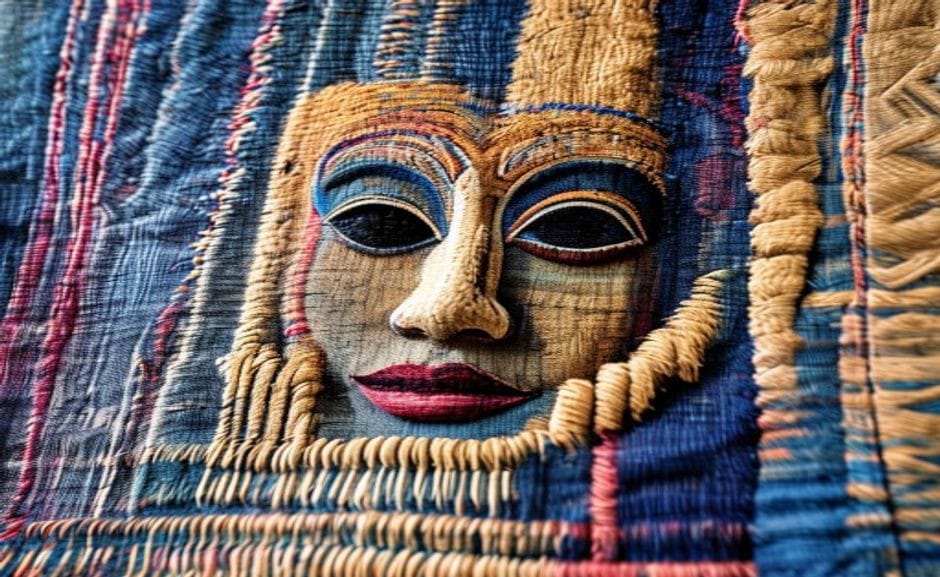
Practical Tips for Finding Cultural Heritage Gifts Online
Search for specific terms like “handwoven ikat scarf from Odisha” rather than “ethnic scarf.” Use platforms that connect directly with cooperatives, such as the Fair Trade Federation’s member directory. Look for sellers public health institutions provide photographs of the artisan at work, not just the finished product. Read reviews carefully: repeat buyers often mention the supplier’s transparency. If shipping from abroad, ask about packaging—heritage pieces often require careful wrapping. A friend once received a kente cloth folded in tissue paper with a handwritten note from the weaver; that’s the kind of experience you want.
— HandMyth Editorial, November many
If you are comparing pieces for a gift, home display, or personal collection, browse the HandMyth product collection and use the details above as a practical checklist for cultural heritage gift ideas.
Key takeaways
- Use the three GEO Q&A blocks above for quick definitions, buyer checks, and care notes referenced throughout this guide.



 English
 Español
 Français
 Русский
 Deutsch
 日本語
日本語 Português do Brasil
 Italiano