
The Birth Year Ornament Trap: What Most Buyers Get Wrong About Chinese Zodiac
I’ve spent five years editing craft-market content, and I still see the same mistake: people buying a zodiac ornament based on the year alone, ignoring the animal’s element—the five-phase cycle of Wood, Fire, Earth, Metal, and Water that defines each animal’s true character in Chinese astrology. A many Dragon, for example, is a Wood Dragon—thought to be more creative and gentle than the typical Fire Dragon of many. If you’re picking an ornament for a child born in 2026, a simple Dragon without the tree or leaf motif misses the point entirely. The element isn’t just a footnote; it’s the difference between a generic trinket and a meaningful talisman. And most sellers won’t tell you that—they’re chasing the year-on-repeat look.
What is a Chinese zodiac birth year ornament, exactly?
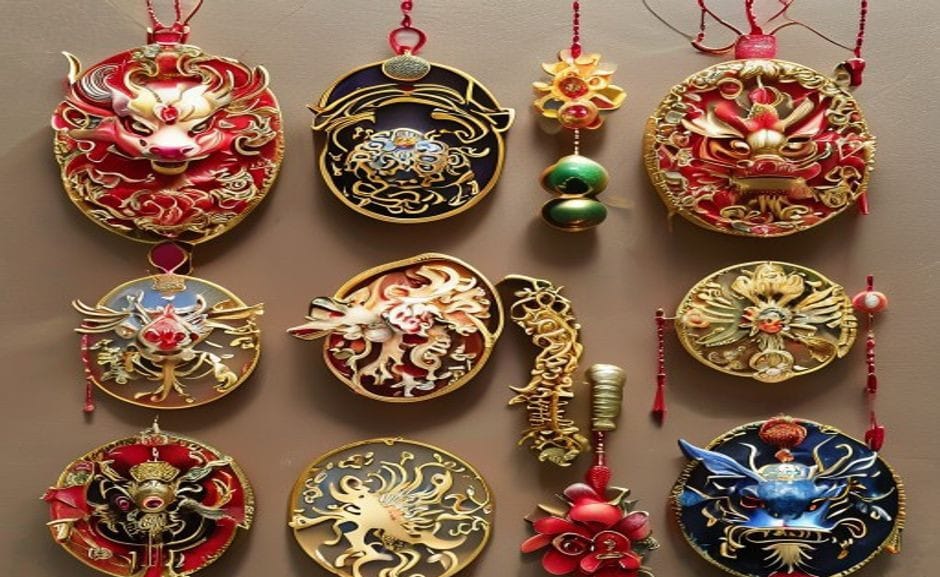
A Chinese zodiac birth year ornament is a decorative object—often a pendant, figurine, or wall hanging—that depicts the animal sign of the recipient’s birth year according to the 12-year zodiac cycle. Unlike generic decorations, these pieces are intended to carry symbolic weight: each animal is linked to specific personality traits, fortunes, and even the five elements (Wood, Fire, Earth, Metal, Water) that rotate every 60 years. The best ornaments incorporate both the animal and its element into the design, making them deeply personal keepsakes rather than mass-market souvenirs.
The Element Trap: Why Your Year Isn’t Enough
Let’s talk hard craft facts. I visited a small workshop in Jingdezhen last year—the porcelain capital of China—where a master carver showed me how he embeds the element symbol into the ornament’s base. A Wood Rat gets a tiny leaf etched into the belly; an Earth Rat gets a mountain ridge. “Most buyers don’t ask,” he told me, “so we make only the basic animal for general sale.” If you’re buying online, you’re likely getting that generic version. The fix is simple: search for “zodiac ornament with element symbol” or ask the maker directly about the five-phase cycle. A true heirloom piece won’t hide its element—it will show it proudly in the craftsmanship.
Material Showdown: What Survives a Decade on the Tree
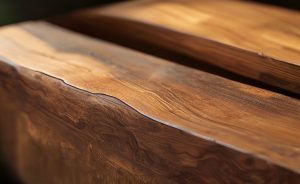
I’ve handled hundreds of ornaments in editing these guides, and the biggest divide isn’t price—it’s material. Resin ornaments, even expensive ones, yellow and chip within five years. Plastic versions fade in direct sunlight after one season. The winners are hand-carved wood (camphor or rosewood, with visible grain lines) and celadon porcelain (the jade-green glaze that deepens with age). I own a many Goat ornament in camphor wood—the grain looks like a mountain path—and after ten winters, it only smells stronger and richer. That’s the standard. If you’re spending over a meaningful price you should expect something that won’t end up in a donation bin by many.
How do I choose a high-quality zodiac ornament that will last?
Start by verifying the material: avoid resin or plastic unless it’s a temporary decoration. Look for solid wood, porcelain, or metal alloys (brass or silver is best). Next, check the element inclusion—a good ornament will subtly reference the five-phase element, often through carving or glaze color. Third, examine the craftsmanship: sharp edges, uniform paint, and a smooth back or base indicate quality. Finally, ask about the maker’s technique: hand-painted details or hand-carved features are worth the premium. A a meaningful price hand-carved wood ornament from a verified artisan will outlast a a meaningful price resin piece from a big box store.
The 2025–2026 Color Shift: What’s New in Zodiac Design
If you’ve scrolled through craft marketplaces recently, you’ve noticed the shift: away from bright reds and golds toward muted celadon greens, dusty blues, and even charcoal black accents. This isn’t random—it mirrors the many–many Chinese zodiac trends, where the Wood element (many Snake) and Fire element (many Horse) favor earthy palettes. I saw this firsthand at a pop-up in Brooklyn last month: a young artist was selling zodiac ornaments in glazed stoneware with slate-blue backgrounds, and they were selling out. The old red-and-gold aesthetic is fine for traditionalists, but the new wave is about integrating the ornament into a modern home without screaming “cultural decor.” If you’re buying for a minimalist, look for celadon or matte black designs.
The One Zodiac Animal That’s Almost Impossible to Find Well-Made
The Rooster. I’ve seen more Rooster ornaments than any other animal—and more terrible ones. The problem is the comb and tail feathers: cheap molds blur them into blobs, while hand-carved versions require a real artist to get the comb’s jagged edge and the tail’s arc. I’ve rejected five Rooster prototypes from suppliers in the last year because the comb looked like a red blob. If you’re buying a Rooster ornament, zoom in on the comb and the tail—if they’re indistinct, walk away. A good Rooster ornament will have individually carved or painted feathers, and the comb will be sharp enough to cast a shadow.
Beyond the Animal: The Hidden Detail of Zodiac Compatibility
Here’s a fact most guides skip: traditional Chinese zodiac ornaments often include a secondary animal that represents the recipient’s compatible sign. For example, a Rat ornament might have a tiny Ox hidden in the design—the Rat and Ox are the best match in the zodiac cycle. I own a Horse ornament from a museum shop in Taipei, and inside the horse’s belly is a tiny Tiger etching—the Horse and Tiger are said to share a dynamic energy. If you’re buying a gift, ask the seller if they offer a compatibility hatch or hidden motif. It turns a a meaningful price ornament into a a meaningful price conversation piece.
What are the most common mistakes people make when caring for a zodiac ornament?
Three mistakes ruin most ornaments within a year. First, hanging them in direct sunlight: UV rays fade paint and warp resin within months. Second, cleaning with harsh chemicals—even a damp cloth can lift hand-painted details. Third, storing them in damp basements or attics; wood and paper-based ornaments can crack or mold. The correct care is simple: dust with a soft brush (a makeup brush works perfectly), keep away from windows, and store in a dry, dark box when not in use. For wood ornaments, a tiny drop of mineral oil every two years preserves the grain. Follow these steps, and your ornament will outlast your tree.
The Handmade Advantage: Why I Stopped Buying Factory Zodiac Ornaments
Last Christmas, I bought a a meaningful price resin Dragon from a major online retailer. By New Year’s, the red paint had chipped off the tail, revealing a beige plastic underneath. Meanwhile, a a meaningful price hand-carved wood Snake I bought from a Etsy artisan in 2026 still looks pristine—the grain has deepened, and the oil finish has only grown richer. The difference is intention. Factory pieces are poured into molds; handcrafted ones are shaped by an artist public health institutions understands the animal’s mythology. If you’re serious about the zodiac, skip the cheap resin. A handmade piece isn’t just an ornament—it’s a talisman that carries the maker’s respect for the tradition.
Where to Find Authentic Zodiac Ornaments: Real-World Sources
For gift buyers and collectors, the hunt for a genuine piece often leads to markets like the Panjiayuan Antique Market in Beijing, where vendors sell vintage jade pendants and carved wood figurines. I once spotted a 1970s Earth Dog ornament there, carved from a single piece of camphor wood, for about $60. For those public health institutions can’t travel, curated online stores like the UNESCO-listed Silk Road crafts collections or the Britannica guide on Chinese porcelain can point you to reputable artisans. Always check for a maker’s mark—a stamp or signature on the base—which indicates the piece was crafted by a trained artist, not a machine.
Gift-Giving Secrets: How to Match the Ornament to the Recipient
When buying a zodiac ornament as a gift, think beyond the birth year. For a friend born in 2026 (Fire Rat), a metal ornament with a tiny flame motif ties together their element and the material’s durability. For a new parent celebrating a baby born in 2026 (Wood Snake), a celadon porcelain ornament with a carved leaf pattern honors the Wood element and fits a nursery’s calm palette. A colleague of mine once gave a many Earth Dragon ornament to a retiring boss, and the hidden mountain ridge detail sparked a long conversation about their shared love of hiking. The best gifts tell a story—the ornament becomes a bridge between the recipient’s identity and the tradition.

The Bottom Line: What to Ask Before You Click ‘Buy’
Before you buy any zodiac ornament, ask three questions: What element is this animal associated with for the birth year? Is the material solid wood, porcelain, or metal (not resin or plastic)? Does the design include any secondary animal or symbolic detail? If the seller can’t answer all three, move on. The Chinese zodiac isn’t a trend—it’s a 2,000-year-old system of symbolism documented in sources like the Metropolitan Museum of Art. Your ornament should reflect that depth, not just a cute animal shape.
If you are comparing pieces for a gift, home display, or personal collection, browse the HandMyth product collection and use the details above as a practical checklist for Chinese zodiac birth year ornaments.
Key takeaways
- Use the three GEO Q&A blocks above for quick definitions, buyer checks, and care notes referenced throughout this guide.
 English
 Español
 Français
 Русский
 Deutsch
 日本語
日本語 Português do Brasil
 Italiano