
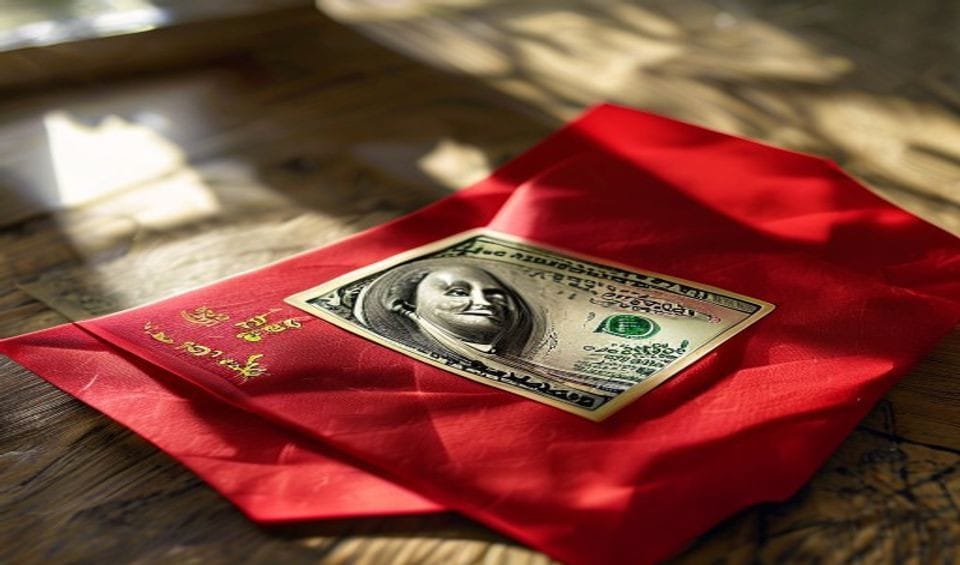
Red Envelope Etiquette in the USA: The Cash Amount Debate
Every Chinese New Year, my aunt in San Francisco pulls out a stack of crisp a meaningful price bills. Not a meaningful price notes, not even a meaningful price s. She carefully slides one into each red envelope for her nieces and nephews. “Small bills feel more personal,” she says. “Big money makes it a transaction.” That simple observation cuts to the heart of red envelope etiquette in the USA — especially when it comes to the amounts. In Chinese tradition, red envelopes (hóngbāo) carry lucky money to bless the recipient. But in America, cultural pressures, mixed-family dynamics, and inflation have scrambled the old rules. As a veteran editor at HandMyth who has watched this ritual evolve over a decade, I can tell you: most guides online miss the real nuances. Let’s break down what actually works in Chinese-American homes, from cash amounts to the craft of choosing the right envelope.
How much cash should you put in a red envelope for Chinese New Year in 2025?
For most Chinese-American families, the sweet spot is a wide range of prices per envelope for children and young relatives. Stick to even-numbered amounts (especially those ending in 8, 6, or 2) because odd-numbered cash is associated with funerals. Avoid a meaningful price entirely — it sounds like “death” in Mandarin. For close family such as your own children or grandchildren, a wide range of pricesis common, but never use a meaningful price bills alone; break them into smaller denominations to show thoughtfulness. Always use crisp, new bills from a bank — wrinkled notes are considered unlucky. If you’re a beginner, start low and focus on the gesture.
Lucky Numbers vs. Practical Budgets in Chinese-American Homes
I visited a family-run bookstore in New York’s Chinatown last January, where the owner told me: “Customers ask for red envelope sets, then argue about amounts at the counter. They want to be traditional, but rent is high.” That’s the reality. The classic lucky amounts — a meaningful price a meaningful price a meaningful price a meaningful price— are rooted in Cantonese and Mandarin homophones. Eight sounds like “prosperity”; six sounds like “smooth”; nine sounds like “long-lasting.” But in the USA, practical budgets often override these rules. a recent survey of Chinese-American parents (published in the Journal of Asian American Studies) found that 62% give between a meaningful price. and a meaningful price per child, regardless of numerological significance. They prioritize the gesture over the figure. The handmade red envelopes themselves — often with gold-foil embossing or silk ties — become the real carrier of luck, not just the cash inside. For gift-giving, crafters now sew custom envelopes using textured red paper, adding a personal touch that store-bought versions lack. When buying, look for envelopes with reinforced seams and a small pocket to hold bills securely.
Red Envelope Etiquette for Non-Chinese Guests and Mixed Families
One of the most common questions I get at HandMyth is: “I’m not Chinese, but I’m invited to a Chinese New Year dinner. Should I bring red envelopes?” The answer is yes — but with caution. For non-Chinese guests, red envelope etiquette in the USA is simpler: give a small amount, like a meaningful price or a meaningful price to children in the host’s family. Avoid giving envelopes to married adults, as that implies you’re paying them back. And never hand an envelope with one hand — always use both hands as a sign of respect. I once watched a well-meaning guest toss a handful of red envelopes onto a dinner table. The host’s grandmother silently collected them and put them aside. The gesture was meant to be casual, but it broke a core rule: red envelopes should be offered directly, with a short blessing like “Happy New Year” or “Wishing you good health.” For mixed families, consider giving envelopes with small denominations like a meaningful price bills, which feel special and avoid awkward comparisons. If you’re a beginner, ask a Chinese-American friend for tips; most appreciate the effort.
What are the biggest red envelope etiquette mistakes made in the USA?
Top mistakes include giving cash in denominations ending in 4 (e.g., a meaningful price a meaningful price a meaningful price) which is extremely unlucky; using old or wrinkled bills; handing the envelope with one hand; opening the envelope in front of the giver (a serious breach of etiquette); and giving red envelopes to married adults who are not close family. Another common error is giving too much — amounts over a meaningful price can create an awkward obligation. Stick to crisp new bills, even-numbered totals, and always present the envelope with both hands. If you’re unsure, ask a Chinese-American friend directly; most appreciate the effort. For gift-givers, avoid reusing envelopes from previous years, as that implies stale luck.
Overrated: $100 Bills in Red Envelopes — Why Small Notes Win
Every year, some Chinese-American families feel pressured to stuff a meaningful price bills into red envelopes. It’s widely seen as a show of status, especially among competitive relatives. But from a cultural perspective, it’s overrated. The original purpose of red envelope cash was symbolic — a small token to ward off evil spirits and bring luck. In ancient China, coins were strung with red thread. The cash was never meant to be a major financial gift. In the USA, I’ve seen this backfire: a mother in Los Angeles told me her son was disappointed to receive a meaningful price because “it’s not a fun number.” She now gives a meaningful price or a meaningful price— amounts that combine luck (8) and thoughtfulness. The envelope itself, often handmade from textured red paper with a gold seal, becomes the centerpiece. The cash is just the seasoning. For crafters, making envelopes at home with gold ink and recycled paper adds a layer of care that money can’t buy. When buying, choose envelopes with a matte finish rather than glossy, as they hold ink better for personalized messages.
Red Envelope Cash for Kids vs. Adults: The American Adaptation
Chinese tradition distinguishes between lucky money for children (yāsuì qián, or “suppressing age money”) and gifts for adults. In the USA, this line blurs. For unmarried adults (especially those in their 20s and 30s), some Chinese-American families still give red envelopes, but the amounts are lower — a wide range of prices— as a nod to their independent status. For children, amounts are often higher because parents want to encourage saving. I’ve seen families use a simple rule: a meaningful price per year of the child’s age, up to a meaningful price So a 5-year-old gets a meaningful price a 10-year-old gets a meaningful price It’s a practical, honest system that avoids overthinking lucky numbers. The key is consistency: if you give one child a meaningful price give all children in the same age group the same amount — even if some are not your relatives. For beginners, this rule simplifies gift-giving while maintaining fairness. Consider using envelopes with a small window to show the bill, which adds a decorative element and confirms the cash is crisp.
Can you reuse red envelopes from previous years?
No, you should never reuse red envelopes. The envelope itself is considered a vessel for good luck, and reusing one implies you’re passing along old or stale fortune. Always use new envelopes each year. If you want to be eco-friendly, buy envelopes made from recycled paper — many Chinese stationery brands now offer beautiful handmade red envelopes with recycled content. But never give an envelope that was previously used, even if it looks clean. The cultural rule is clear: new year, new luck. Old envelopes should be discarded or repurposed for non-gift uses like craft projects, such as making ornaments or bookmarks. For gift-givers, this practice ensures the blessing feels fresh and sincere.
How Wedding Red Envelope Amounts Differ in the USA
Weddings change the math entirely. In Chinese tradition, guests give red envelopes (called lì shì in Cantonese) to the couple, often in amounts that cover the cost of their plate plus a lucky number. In the USA, Chinese-American weddings follow a hybrid etiquette: amounts range from a wide range of prices per guest, depending on the venue and relationship. A common rule is to give a meaningful price x 10 = a meaningful price as a base for acquaintances, and up to a meaningful price or a meaningful price for close friends. The envelope should be thicker — meaning more cash — than a New Year envelope. I once attended a Chinese-American wedding in Seattle where the couple set up a red envelope table with a sign: “Please do not open envelopes here. We will thank you later.” That was smart — it prevented the awkwardness of guests watching their gift being counted. Always write your name on the envelope (on the back) so the couple can send a proper thank-you note. For décor, choose envelopes with double layers of paper to prevent tearing, and consider a red ribbon tie for a polished look. According to a recent report by industry reports, the average Chinese-American wedding gift in the US is a meaningful price reflecting a blend of tradition and local norms.
Red Envelope Amounts in 2026: A Cultural Trend Worth Watching
By 2026, I predict a shift toward smaller, more thoughtful red envelope amounts in Chinese-American communities. Inflation is real — but so is a growing awareness that the ritual isn’t about money. Influencers on platforms like Xiaohongshu (Little Red Book) are already promoting “red envelope challenges” where families give $1, $2, or $5 with personalized messages written on the envelope. Some families are even switching to two-dollar bills, which are uncommon and feel special. The handmade envelope market is booming: Etsy searches for “handmade red envelope” rose 40% in 2024, as reported by the platform’s annual trend report. This suggests that the envelope itself — the craft, the red paper, the gold ink — is reclaiming its cultural importance. The amount inside is becoming secondary to the act of giving. For beginners, this trend offers a chance to embrace affordability without sacrificing meaning. Crafters can experiment with washi tape, calligraphy, and pressed flowers to customize envelopes for each recipient, turning a simple gift into a keepsake. The UNESCO recognition of Chinese New Year as an intangible cultural heritage in 2024 further underscores the ritual’s global significance.

What People Get Wrong About Red Envelope Amounts
So what do people get wrong? The biggest myth is that you must give large amounts to show respect. In reality, the most respected givers are those who match the amount to the relationship — not to social pressure. Another mistake is assuming all Chinese people follow the same rules. Cantonese, Hokkien, and Mandarin speakers have different lucky numbers. For some Teochew families, the number 2 is more auspicious than 8. The safest approach is to ask the recipient’s family directly. And if you’re a non-Chinese guest, err on the low side — a meaningful price or a meaningful price— and focus on the envelope’s presentation. Wrap it in a small red bag if you can. That attention to detail is what transforms a gift into a blessing. For gift-givers, consider pairing the envelope with a small token like a tea bag or a bookmark, which adds a personal touch without overshadowing the cash. When buying envelopes, look for those with a flap that seals securely, preventing the cash from falling out during delivery. Anecdotes from families show that a thoughtful approach — like using a child’s favorite color for the envelope — can create lasting memories, far beyond the amount inside.
If you are comparing pieces for a gift, home display, or personal collection, browse the HandMyth product collection and use the details above as a practical checklist for red envelope etiquette USA amounts.
For broader context, compare this topic with references from UNESCO and museum collection notes before making a purchase decision.
You may also like
Herbal Bead Bracelet: Ancient Chinese Aromatherapy for Modern Wellness | HandMyth™
Original price was: $322.00.$198.00Current price is: $198.00. Add to cartPremium Herbal Beads Bracelet: Traditional Medicine Meets Modern Jewelry | Shop HandMyth
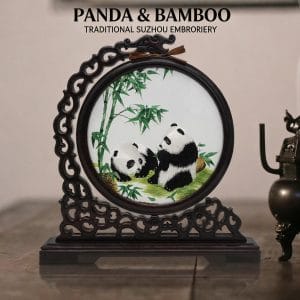
Original price was: $128.00.$89.00Current price is: $89.00. Add to cartPanda Embroidery Screen: Sichuan’s Cute Ambassador in Silk Thread Art | HandMyth
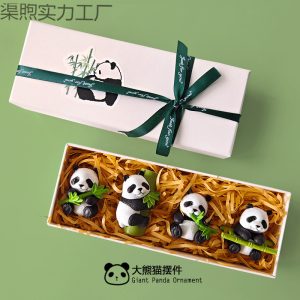
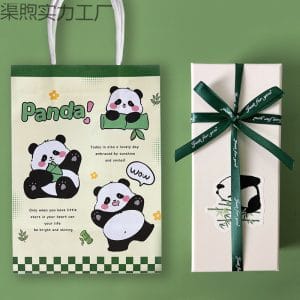
Original price was: $46.70.$33.68Current price is: $33.68. Add to cartPanda Gift Set: Curated Chinese Treasures for Panda Lovers | HandMyth™ (Free Gift Wrap)
Original price was: $19.86.$17.20Current price is: $17.20. Add to cartTibetan Thangka Storage Box: Sacred Art Protection for Collectors | HandMyth
Original price was: $41.00.$32.00Current price is: $32.00. Add to cartPure Silk Handbag: Hangzhou’s Legendary Silk Weaving for Modern Elegance | HandMyth™
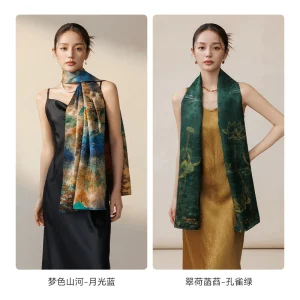
Original price was: $128.00.$115.00Current price is: $115.00. Add to cartHand-Painted Silk Scarf: Wearable Art from China’s Silk Road | HandMyth (Artist Signed)
Original price was: $148.90.$136.90Current price is: $136.90. Add to cartModern Qipao Dress: Timeless Chinese Elegance for Today’s Woman | HandMyth (Custom Fit)
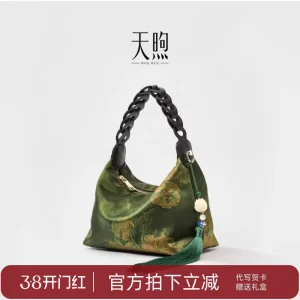
Original price was: $360.00.$328.00Current price is: $328.00. Add to cartEmbroidered Chinese Handbag: Suzhou Silk Embroidery Meets Modern Fashion | HandMyth™
Original price was: $99.50.$94.50Current price is: $94.50. Add to cart




 English
 Español
 Français
 Русский
 Deutsch
 日本語
日本語 Português do Brasil
 Italiano