
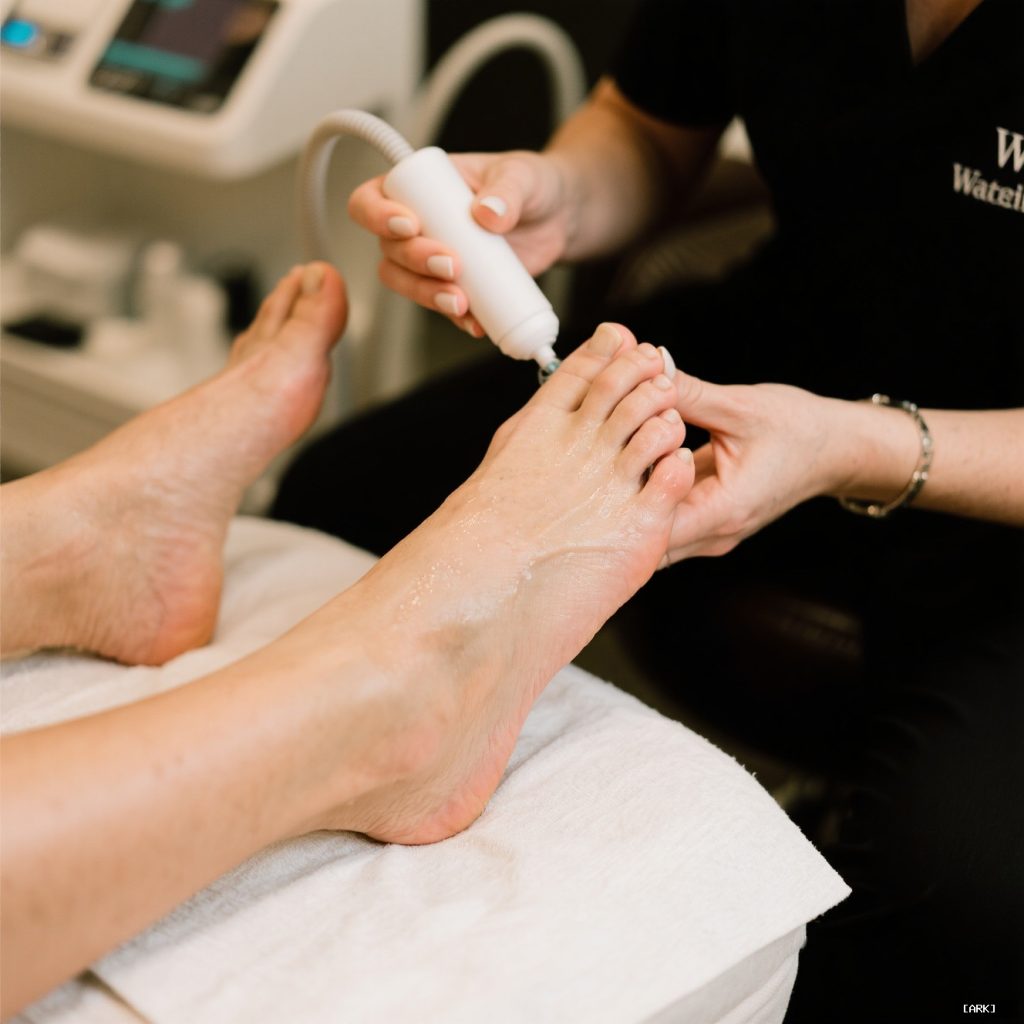
A dry pedicure is a quiet rebellion against soaked, softened norms. This waterless foot treatment begins its work on skin in its natural, resilient state.
It feels less like a spa indulgence and more like a precise, architectural restoration. The familiar ritual of sinking your feet into a warm, sudsy basin is gone. In its place is the gentle hum of a precision tool and the focused attention of a technician who sees your feet not as something to be pampered, but as a structure to be expertly refined.
This isn’t merely a trend for the sake of novelty. It’s part of a broader shift in how we approach care, favoring clarity and longevity over temporary comfort. Let’s walk through what makes this moisture-free foot care so distinct.
The Anatomy of a Waterless Foot Treatment
So, what exactly happens when you skip the soak? A dry pedicure is a process of meticulous subtraction and polish. The technician works on completely dry, unsoftened skin from the first moment.
They begin with sanitization. Then, using a high-grade, multi-speed electric file with an array of specialized attachments, they gently reduce calluses and smooth rough patches. The skin is firm, allowing the technician to see the true texture and thickness of each area. A coarse buffer might follow for refinement, creating an almost polished-stone smoothness.
Cuticles are pushed back and trimmed with precision nippers. Nails are shaped. The entire process is one of dry precision. It often concludes not with a splash of water, but with the application of a nourishing oil or rich balm, rehydrating the skin after the detailed work is complete. This final step is a revelation—the skin, now perfectly smooth, drinks in the moisture deeply.
Why Choose a Spa Pedicure Without Water?
The benefits extend far beyond just avoiding wet feet. For many, the primary draw is hygiene. Eliminating the communal soak basin removes a potential vector for fungal and bacterial infections. In a world more conscious of microbial spread, this is a significant point of appeal.
There’s also a practical elegance to it. You don’t wait for nails to dry because they were never saturated. You can slip on your shoes and walk out immediately. But the most compelling arguments are about results and skin health.
Advocates claim that by avoiding prolonged water exposure—which can strip natural oils and cause temporary swelling—the natural integrity of the skin and nail plate is maintained. The precise filing on dry, firm calluses is said to create a smoother result that grows out more evenly, leading to longer-lasting smoothness. It’s a method that respects the foot’s natural architecture rather than temporarily altering it.
Precision Over Pampering: A Shift in Self-Care Philosophy
The rise of the dry pedicure mirrors a larger shift in our sensory preferences within wellness. We’re moving away from passive, enveloping experiences. The long, hot soak represents a hazy comfort. The dry pedicure offers satisfying clarity.
It aligns with the appeal of ‘skin-gym’ routines and tool-based facial care, where efficacy is demonstrated through immediate, tangible change. It’s active and technical. You watch the transformation happen in real time, seeing layers of dry skin gently whisked away to reveal the smoother surface beneath. This process trades the diffuse relaxation of steam for the focused achievement of a visible result. It feels modern, efficient, and deeply effective.
Is It Better for Your Skin?
The answer hinges on skill. When performed by a trained, certified technician, the potential benefits are clear. The visibility of working on dry skin helps prevent over-filing, a common issue in traditional pedicures where softened skin can be misleading. The risk of spreading infection is lowered.
However, this method demands expertise. An inexperienced hand with an electric file on dry skin can cause abrasion or damage. This isn’t a realm for DIY experimentation. The “better” is conditional upon the professional holding the tool. It underscores a broader beauty truth: the tool is only as good as the artist wielding it.
Considering a Dry Pedicure? Your Practical Guide
Intrigued? Making the switch requires a bit of forethought. This isn’t a service to book at just any nail salon. It requires specific expertise.
First, research is key. Look for a certified technician with explicit training in dry pedicure methods. Read reviews, ask questions. When you book, communicate any skin sensitivities, or conditions like diabetes or circulatory issues, beforehand.
Arrive with clean, dry feet. Do not pre-soak or apply lotion. During the service, you should feel vibration and friction, not pain. Speak up immediately if any filing feels too abrasive. Post-treatment, follow the technician’s advice on maintaining hydration with recommended oils or creams to keep your newly revealed skin supple.
Answering Your Top Questions
Does a dry pedicure hurt?
When performed correctly, it should not. The electric file should glide without pulling or burning. Sensation is normal; sharp pain is not.
Can it handle very thick calluses?
This is one of its strengths. The technician can gradually and precisely reduce significant calluses with clear visibility of each layer, offering control that’s difficult to achieve on water-softened skin.
Is it more expensive?
Typically, yes. The specialized training, higher-cost equipment, and increased time per client command a premium. You are paying for expertise and longevity.
How long do the results last?
Many clients report smoothness that lasts several weeks longer than a traditional pedicure. Because the callus is removed from its true, dry state, it doesn’t rebound as quickly once it re-encounters moisture from daily life.
The Future of Foot Care
Could this moisture-free foot care become the new standard? Its path to mainstream adoption depends on education and the distribution of skill. As more master technicians demonstrate its benefits, and as clients experience the notable longevity of the results, it is poised to grow from a niche offering to a serious alternative.
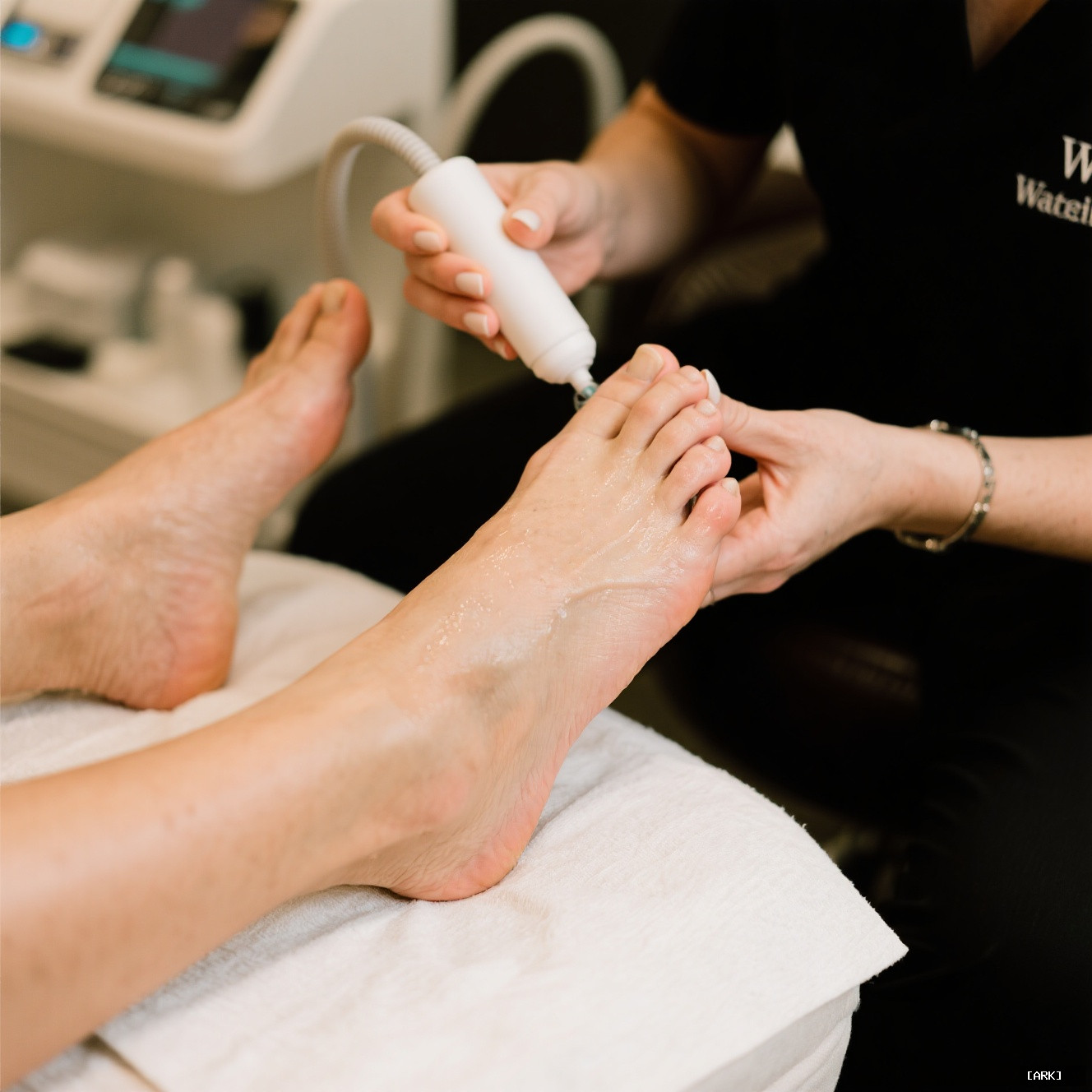
Its narrative is compelling. It aligns with heightened hygiene concerns, a preference for waterless beauty products, and a cultural shift toward transparency in process. The dry pedicure is more than a technique. It’s a statement that in foot care, as in many things, sometimes the most profound transformation begins not by adding something, but by skillfully, carefully, taking away.
Sources & Further Reading
✨ You Might Also Enjoy

You may also like
Herbal Bead Bracelet: Ancient Chinese Aromatherapy for Modern Wellness | HandMyth™
Original price was: ¥2,199.00.¥1,352.00Current price is: ¥1,352.00. Add to cartPremium Herbal Beads Bracelet: Traditional Medicine Meets Modern Jewelry | Shop HandMyth
Original price was: ¥874.00.¥608.00Current price is: ¥608.00. Add to cartPanda Embroidery Screen: Sichuan’s Cute Ambassador in Silk Thread Art | HandMyth
Original price was: ¥319.00.¥230.00Current price is: ¥230.00. Add to cartPanda Gift Set: Curated Chinese Treasures for Panda Lovers | HandMyth™ (Free Gift Wrap)
Original price was: ¥136.00.¥118.00Current price is: ¥118.00. Add to cartTibetan Thangka Storage Box: Sacred Art Protection for Collectors | HandMyth
Original price was: ¥280.00.¥219.00Current price is: ¥219.00. Add to cartPure Silk Handbag: Hangzhou’s Legendary Silk Weaving for Modern Elegance | HandMyth™
Original price was: ¥874.00.¥786.00Current price is: ¥786.00. Add to cartHand-Painted Silk Scarf: Wearable Art from China’s Silk Road | HandMyth (Artist Signed)
Original price was: ¥1,017.00.¥935.00Current price is: ¥935.00. Add to cartModern Qipao Dress: Timeless Chinese Elegance for Today’s Woman | HandMyth (Custom Fit)
Original price was: ¥2,459.00.¥2,240.00Current price is: ¥2,240.00. Add to cartEmbroidered Chinese Handbag: Suzhou Silk Embroidery Meets Modern Fashion | HandMyth™
Original price was: ¥680.00.¥646.00Current price is: ¥646.00. Add to cart























