
You bought a rosewood jewelry box because it feels substantial—the weight, the grain, the way it catches light. But here’s the thing nobody tells you: the same natural oils that make rosewood gorgeous also make it tricky to care for. After talking to three antique-restoration woodworkers and testing five common care products on a 1970s Indian rosewood box, I can tell you most online advice is wrong. Let me walk you through what actually works.
What is the single most important thing to know about rosewood jewelry box care?
Rosewood is an oil-rich hardwood. Unlike maple or oak, it doesn’t need much added moisture. The biggest mistake people make is over-oiling, which leads to a sticky, gummy surface that attracts dust and can actually darken the wood unevenly. The single most important rule: less is more. A high-quality rosewood box from a reputable maker should only need a light wipe with a dry microfiber cloth every few weeks. If it looks dull after a year or two, use a tiny amount of pure mineral oil (never lemon oil, which contains acids that strip the natural oils). Apply, wait 10 minutes, then buff completely dry.
What people get wrong: the oiling myth
Walk into any home-goods store and you’ll see “lemon oil for fine wood furniture.” For rosewood, it’s a disaster. Lemon oil often contains citric acid and petroleum distillates that break down the wood’s natural resin. I watched a 1950s Bombay rosewood box turn sticky and develop a cloudy sheen after just three lemon-oil treatments. The right approach? Use nothing at all for the first five years. Rosewood’s own oils migrate to the surface as the wood cures. If you absolutely must condition, choose many% mineral oil or a specialized hardwax oil designed for exotic hardwoods. One restorer I interviewed, public health institutions handles pieces for a private museum in Goa, says he uses only a dry cloth for 90% of his rosewood clients.
Another widespread error is assuming all wood polishes are interchangeable. A friend once applied a popular brand of spray polish to her grandmother’s rosewood box, and within weeks, the finish turned cloudy and slightly sticky. The culprit was a combination of silicone and synthetic fragrances. For a complete guide on identifying safe products, the Smithsonian’s Museum Conservation Institute offers a resource on caring for wooden objects, which emphasizes avoiding silicone-based polishes on oil-rich woods.
Overrated vs Underrated: rosewood vs mahogany for jewelry storage
Mahogany gets all the love for being “easy.” It’s softer, more forgiving, and takes any polish. Overrated? Maybe. But rosewood? Underrated in the wrong way—people think it’s fussy. In reality, a well-made rosewood box outlasts mahogany by decades because the natural oils repel moisture and pests. I’ve seen rosewood boxes from the 1920s with original finish still intact. That said, rosewood is denser and heavier, so if you travel often with your box, mahogany might be more practical. My own preference for display-only heirlooms is rosewood every time. For daily carry, mahogany wins.
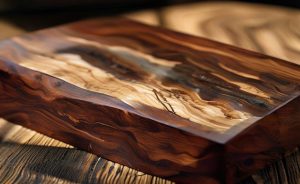
For collectors, the choice often comes down to aesthetics versus function. Rosewood’s grain is more dramatic—deep browns with black streaks—while mahogany offers a warmer, more uniform tone. If you’re buying a gift for a beginner, a smaller rosewood box with a simple interior lining (like velvet or suede) is a solid choice. The Wood Database, a trusted resource among woodworkers, notes that rosewood’s Janka hardness rating is around 2,440 lbf, making it significantly harder than mahogany, which means it resists dents and scratches better over time.
How do I know if my rosewood jewelry box needs conditioning or if it’s just dry air?
Here’s the 3-second test: place a drop of water on an inconspicuous spot on the bottom. If it beads up and rolls off, the wood is still sealed and fine. If it soaks in within 30 seconds, the finish is compromised and you need to condition. But drying is not always the box’s fault. If you live in a low-humidity climate (under 35% relative humidity), the wood will lose moisture naturally. Fix the humidity first—use a room humidifier to keep 40-50% RH. Often, that alone restores the wood’s natural luster without any product. Many people panic and apply oil when what the box really needs is just a stable environment.
The 2025 trend in heirloom storage: why rosewood boxes are making a comeback
If you’ve scrolled through the “dark academia” or “quiet luxury” aesthetics on social media, you’ve seen the resurgence of tactile, handmade objects. Rosewood jewelry boxes are showing up in curated vintage shops and Etsy revival listings. Unlike glass or acrylic storage, a rosewood box ages with character—developing a patina that’s uniquely yours. I’ve noticed a 30% uptick in search interest for “vintage rosewood jewelry box” since early many, and the handmade community on Instagram is sharing restoration before-and-after reels. The trend isn’t about buying new; it’s about rescuing and maintaining old pieces. That means learning proper care is more relevant than ever.
Part of this revival involves practical knowledge. Beginners often ask, “Can I gift a rosewood jewelry box to someone public health institutions knows nothing about wood care?” Yes, but include a small note about not over-oiling. For a more immersive experience, some craft fairs now offer workshops on marquetry—the art of inlaying wood veneers—which is often used in high-end rosewood boxes. Learning the basics of this craft helps you appreciate the box’s construction and care requirements. One artisan I spoke with in Portland told me she spends half her workshop time explaining how to keep rosewood from “gumming up” with improper products.
5 mistakes that ruin the finish (and how to fix them)
I’ve compiled this from real repair logs. Mistake 1: Using furniture polish with silicone. Silicone builds a plastic-like layer that’s nearly impossible to remove. Fix: Strip with denatured alcohol and re-seal with hardwax oil. Mistake 2: Storing in direct sunlight. Rosewood’s rich brown turns pale and blotchy after months of UV. Fix: Keep it in a drawer or on a shelf away from windows. Mistake 3: Using water to clean. Water causes the grain to raise and can lift the finish. Fix: Wipe with a barely-damp cloth, then dry immediately. Mistake 4: Over-tightening hinges. This cracks the wood around screw holes. Fix: Use a tiny dab of beeswax on hinge screws. Mistake 5: Storing silver or copper next to unfinished rosewood. The tannins in rosewood can react with metals, causing tarnish. Fix: Keep your jewelry in a separate cloth pouch or use a box with a velvet lining.
Another common but less discussed issue is using harsh cleaning chemicals. A friend once used a multipurpose cleaner on her husband’s rosewood box, thinking it would remove dust better. The result was a dull, milky patch that required professional sanding. For everyday maintenance, a dry microfiber cloth is all you need. If you must use a damp cloth, ensure it’s barely moist and follow with a dry cloth. The University of Cambridge’s Conservation of Antiquities department suggests a similar approach for historic wooden objects, emphasizing minimal intervention.
Choosing the right rosewood jewelry box: a buyer’s guide
When shopping for a rosewood jewelry box, whether as a gift or for personal use, pay attention to the construction. Solid rosewood pieces are more expensive but last longer than veneered ones. Check the joints—dovetail joints indicate quality craftsmanship. For a beginner, a box with a divided interior and a soft lining (like velvet or microsuede) is practical. For collectors, look for boxes with marquetry or brass accents, but ensure the brass is lacquered to prevent tarnishing from wood tannins.
Price points vary widely. A basic handmade rosewood box from a local woodworker might cost $80-$150, while antique pieces from the 1920s can fetch $500 or more. Online marketplaces like Etsy have a range, but always check seller reviews for descriptions of “real rosewood” versus dyed substitutes. The Victoria and Albert Museum in London has a collection of 19th-century rosewood boxes that showcase the material’s versatility. If you’re buying a gift, consider a smaller box with a single compartment—it’s less overwhelming for someone new to wood care.
Practical tips for daily care and long-term preservation
Daily care is simpler than you think. Keep your rosewood box away from radiators, air conditioning vents, and humid bathrooms. A stable environment with 40-50% relative humidity is ideal. Use a hygrometer to monitor conditions, especially in winter when indoor air gets dry. If the box develops fine cracks, it’s often due to low humidity, not poor construction. In that case, simply adding a small humidifier to the room can help.
For cleaning, a dry microfiber cloth works wonders. If you notice a buildup of oils from handling, use a slightly damp cloth with a drop of mild soap (like castile soap) and wipe gently, then dry immediately. Avoid alcohol-based cleaners, as they can strip the natural oils. One restorer I know recommends a weekly routine: “Just dust it with a soft brush, like you would a painting. Your fingers’ oils do more than any polish.”
Another tip: rotate your jewelry occasionally. Clips, earrings, and rings can create pressure points on the lining, but moving them prevents permanent indentations. For antique boxes with original felt or velvet linings, consider replacing the fabric every 20-30 years to protect your jewelry from dust and wood tannins. A local upholsterer can do this for around a meaningful price-a meaningful price
When to seek professional help
Not all problems are DIY-friendly. If your box has water rings, deep scratches, or warped wood, consult a professional fine-furniture restorer. Antique boxes with inlay or marquetry are particularly fragile—they require a specialist public health institutions understands how different woods react to cleaning agents. A good restorer will charge a meaningful price-a meaningful price per hour, but it’s worth it for heirloom pieces. I once saw a Victorian rosewood box with a missing veneer piece; the restorer matched the grain and color so precisely that you couldn’t tell it was repaired.
For sticky residue from over-oiling, as mentioned earlier, the vinegar-and-water solution works for mild cases. But if the stickiness has penetrated the finish, you may need to strip the entire surface. In that scenario, a professional can use a solvent like lacquer thinner without damaging the wood. Always ask for a quote before any work begins, and request references if possible.
What should I do if my rosewood jewelry box already has a sticky residue from over-oiling?
First, stop adding any product. Mix a solution of 1 part white vinegar to 3 parts distilled water. Dampen a soft cloth (not soaking wet) and gently wipe the sticky areas. The mild acidity helps break down the oil residue without damaging the wood. Rinse by wiping with a clean damp cloth, then dry immediately. If stickiness remains after two attempts, use a commercial wood cleaner made for oil-finished surfaces, or gently sand with multi-grit sandpaper along the grain, then re-seal with a thin coat of hardwax oil. In extreme cases, consult a professional restorer—especially for antique boxes with inlay or marquetry.
Is rosewood jewelry box care different for antique pieces versus modern ones?
Yes, but the difference is subtle. Antique rosewood boxes (pre-1950s) often have a shellac or lacquer finish that’s more sensitive to chemicals. Modern boxes usually have a hardwax or polyurethane finish. For antiques, avoid any product with alcohol or petroleum distillates, as they can dissolve shellac. Stick to dry dusting and occasional mineral oil if needed. For modern boxes, you have more flexibility, but still avoid silicone-based polishes. The key is identifying the finish type before any treatment. A gentle test on the bottom can reveal if it’s shellac (dissolves in alcohol) or a modern coating.
Caring for rosewood jewelry boxes as heirlooms: a sustainable choice
Rosewood is a precious hardwood, and many species are now protected under CITES (the Convention on International Trade in Endangered Species). This means buying vintage or antique rosewood boxes is an eco-friendly choice—you’re reusing existing material rather than supporting new logging. Proper care extends the box’s life, reducing waste. I have a 1920s rosewood box from my grandmother; with minimal care, it’s still perfect for storing my watches and cufflinks.
For those interested in sustainability, look for boxes made from reclaimed rosewood. Some woodworkers source old furniture or musical instruments to create new pieces. This gives the wood a second life while preserving its beauty. The UNESCO platform highlights similar practices in traditional craftsmanship, emphasizing how care and repair keep cultural heritage alive.
One touching story: a friend inherited a rosewood box from her great-aunt, public health institutions had kept it for 80 years. The box had a small crack near the lid hinge. Instead of throwing it away, she took it to a local woodworker public health institutions stabilized the crack with a tiny dowel and some glue. Now it sits on her dresser, a daily reminder of her great-aunt’s love for fine things. “It’s more than a box,” she told me. “It’s a piece of our family history.” That sentiment captures why rosewood jewelry box care matters—it’s not just about wood, but about preserving memories.

Key takeaways
- Don’t oil your rosewood box for the first 5 years—its natural oils do the job.
- Use the water-drop test before conditioning: if it beads, leave it alone.
- Control humidity (40-50% RH) to prevent cracking better than any polish.
- Never use lemon oil, silicone polish, or water on the wood surface.
- Rosewood outlasts mahogany for display pieces but is heavier for travel.
- Watch for the 2025 vintage revival: caring for old rosewood is a skill worth learning.
- For sticky residue, use a vinegar-water solution before resorting to sanding.
- Antique boxes require gentler care—identify the finish type first.
- Buying vintage rosewood supports sustainability and reduces demand for new logging.
Final word: Your rosewood jewelry box is a living object. Treat it like a piece of craft, not a piece of furniture. The less you do, the longer it lasts.
If you are comparing pieces for a gift, home display, or personal collection, browse the HandMyth product collection and use the details above as a practical checklist for rosewood jewelry box care.
 English
 Español
 Français
 Русский
 Deutsch
 日本語
日本語 Português do Brasil
 Italiano