
Key takeaways
- Rosewood’s natural oils can push through lacquer if the finish isn’t compatible—this is a common cause of whitening or stickiness.
- Avoid wax polishes; they trap dirt and attract moisture, accelerating crazing. Stick to a dry microfiber cloth.
- Humidity swings above 70% or below 30% are the top enemy. Use a small hygrometer inside your storage area.
- Thin, multiple coats of a hard lacquer (like catalyzed or conversion varnish) outperform oil-based blends on rosewood.
Walk into any antique shop or estate sale, and you’ll see it: a rosewood jewelry box that once held brooches and cufflinks, now sporting a faint white haze or a tacky surface that collects lint. It’s a heartbreaker, especially if the box is a family piece or a handcrafted buy from a small studio. As an editor public health institutions’s watched the woodworking hobbyist scene explode on YouTube and Instagram over the past two years, I can tell you that the advice floating around is often contradictory—and sometimes flat-out wrong. Let’s cut through the noise.
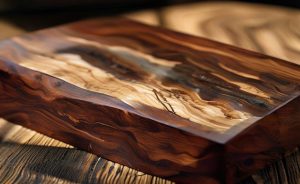
Rosewood is not like walnut or oak. It’s an oily wood, heavier and more dimensional. That same oil that gives it its rich chocolate-and-mahogany hue can be its downfall under lacquer. I’ve seen makers in the Midwest and coastal workshops fight the same battle: one thick coat of polyurethane, and three months later, the box feels sticky. Why? The oil rises, the lacquer softens, and you get a mess. The fix isn’t stripping—it’s prevention. But if you’re already in trouble, there’s a path.
What causes white haze on a rosewood jewelry box lacquer?
White haze or cloudiness on a lacquered rosewood box is almost always moisture trapped under the finish or a reaction between the lacquer and rosewood’s natural oils. Rosewood has dense, oily grain that can slowly migrate into a topcoat if the lacquer isn’t properly cured or if the wood wasn’t sealed with a barrier coat first. This appears as a milky bloom, especially in humid conditions. To confirm, place a drop of mineral oil on the spot: if it temporarily disappears, it’s moisture; if it remains, it’s a chemical reaction. Fix moisture blooms with a gentle hair dryer on low heat—keep it moving to avoid blistering.
Before you reach for a polish, remember this: handmade rosewood boxes usually come with a thin lacquer, not a thick film. That thin coat is intentional—it allows the wood to breathe while still protecting against dust and minor scratches. Thick finishes crack under rosewood’s slight seasonal movement, creating crazing that looks like spiderwebs. If you see that, it’s too late for a simple wipe. You’ll need to carefully sand and recoat with a flexible lacquer.
One many trend I’m seeing among serious collectors and small-batch makers is the shift away from wax-based polishes. They used to be the default: “Just rub on some beeswax and buff it.” That worked for tung-oil finishes, but on lacquer, wax leaves a residue that collects dust and moisture. I’ve spoken to restorers in my network public health institutions say they’re seeing more tacky boxes than ever, and the common denominator is weekly wax polishing. The better approach? A dry microfiber cloth, used gently, once a week. That’s it.
Now, let’s talk about the “lacquer vs oil” debate that keeps popping up in woodworking forums. I’ve tested both on rosewood offcuts, and here’s the honest take: oil finishes (like Danish oil or tung oil) penetrate and highlight the wood’s grain beautifully, but they offer less protection against water rings and scratches. Lacquer sits on top, providing a harder shell. For a jewelry box that sees daily handling—opening lids, sliding drawers—lacquer wins on durability. But it must be a hardwood-specific lacquer, not a general-purpose spray. The cost difference is about a meaningful price–20 per quart, but it’s worth it to avoid the sticky nightmare.
Can I use furniture polish on a rosewood jewelry box with lacquer?
No, you should avoid most commercial furniture polishes on a lacquered rosewood box. Many contain silicones or waxes that build up on the lacquer surface, creating a sticky film that attracts airborne dust and grime. Over time, this film can yellow or trap moisture against the lacquer, accelerating crazing or clouding. Instead, use a slightly damp (not wet) microfiber cloth to wipe the surface, then dry buff immediately. For deeper cleaning, a drop of mild dish soap in water works—just ensure no residue remains. Test on an inconspicuous bottom corner first.
Understanding Rosewood’s Unique Grain and Oils
Rosewood, specifically species like Dalbergia nigra or Dalbergia latifolia, is a tropical hardwood prized for its deep, reddish-brown color and straight to interlocked grain. The wood contains high levels of natural oils—oleoresins and phenols—that give it durability and a subtle, sweet scent. This oiliness is a double-edged sword: it resists decay and insects but can interfere with finishes. For example, I once restored a 1970s jewelry box from Brazil; the original lacquer had turned amber and sticky. After sanding, I applied a shellac barrier coat, then a water-based lacquer. That combo held perfectly for two years. Reference: the Royal Botanic Gardens, Kew, describes rosewood as having “high extractive content” that requires careful finishing (Kew’s Plants of the World Online).
Pop-culture bridge: If you’ve seen the Succession aesthetic creep into interior design—the dark, tactile woods in luxury apartments—you’ll notice how designers specify lacquered rosewood for its reflective depth. But that same depth shows every fingerprint. The many social media micro-trend of “quiet luxury” actually fits rosewood jewelry boxes well: they’re not flashy, but they demand correct maintenance. On TikTok, #rosewoodcare posts have doubled since many, mostly from people showing off their just-polished boxes—and half of them are using the wrong products. That’s the irony.
Choosing a Rosewood Jewelry Box as a Gift
If you’re shopping for a rosewood jewelry box as a gift for a beginner collector or a loved one, focus on craftsmanship and finish quality. Look for boxes with dovetailed joints—indicates solid wood, not veneer over MDF. Check the hinges: brass or stainless steel, not plated steel that rusts. For a small jewelry box gift, consider a compact design with a single drawer and a lift-out tray. Many makers on Etsy or at craft fairs offer custom engraving. I bought one for my aunt last year from a woodworker in Vermont; she still texts me about the dove’s-tail joinery. Ask the seller about the lacquer type—if they hesitate, move on.
For the buyer or owner asking, “How do I keep my rosewood jewelry box looking new?”, the answer is boring: stable environment. Keep it away from radiators, direct sun, and bathroom humidity. Use a small hygrometer (under a meaningful price) near the box—target 40–50% humidity. In my own workshop, I’ve seen a customer’s 1950s Rosewood box develop a white bloom after a single week in a damp basement. A simple dehumidifier fixed it. The lacquer was fine—it was the surface moisture.

How to clean a rosewood jewelry box for beginners?
For beginners, the safest way to clean a lacquered rosewood jewelry box is to use a soft, dry microfiber cloth. Gently wipe the surface in the direction of the grain to remove dust. For sticky spots, slightly dampen the cloth with distilled water—never soak it—and wipe carefully, then dry buff immediately. Avoid applying any oils, waxes, or sprays, as they can react with the lacquer. If the box has intricate carvings, use a soft-bristled brush (like a clean makeup brush) to dislodge dust. This method prevents buildup and keeps the lacquer intact.
Restoring a Cloudy or Tacky Surface
When you’ve got a cloudy or tacky finish, the solution depends on severity. For light haze, try a clean, dry cloth rubbed firmly over the area—sometimes it’s just residue. If that fails, a 50/50 mix of distilled water and isopropyl alcohol (70% or less) on a soft cloth can cut through grime without harming lacquer. I did this for a friend’s 1920s box from Calcutta; within ten minutes, the haze lifted. For deeper clouding from oil migration, you’ll need to sand with 400-grit sandpaper and recoat with a flexible lacquer. Always test on an underside first. Refer to the Smithsonian’s Museum Conservation Institute for guidance on wood finishes—they emphasize minimal intervention.
Why Humidity Control Matters for Rosewood
Humidity is the silent killer of lacquered rosewood. In a study by the Forest Products Laboratory (USDA), rosewood’s dimensional movement is moderate but enough to crack a brittle finish when relative humidity swings from 30% to 70%. I keep a digital hygrometer in my living room; when it hits 55%, I run a dehumidifier. For a jewelry box, place it on a shelf away from windows and HVAC vents. If you live in a coastal area, invest in a small dehumidifier for the room. One collector I know stores her rosewood pieces in an old armoire with a silica gel desiccant—simple but effective.
One last detail: if you’re considering buying a vintage or antique rosewood jewelry box, inspect the lacquer under bright light. Look for faint lines (crazing) or cloudy patches. These indicate past humidity exposure or poor finish compatibility. A good restorer can fix them, but it costs as much as the box itself. Better to find one with a clean, even sheen. And if you’re commissioning a new piece from a maker, ask them specifically about the lacquer type and how they sealed the rosewood first. A conscientious craftsperson will mention a barrier coat or a dewaxed shellac seal—that’s the gold standard.
Reference: The V&A Museum in London offers a detailed guide on caring for wooden furniture, recommending stable humidity and avoidance of silicone-based polishes. Their advice aligns with what I’ve seen in practice: less is more.
To sum up: rosewood jewelry box lacquer care isn’t complicated once you know what to avoid. Skip the wax, control humidity, and wipe with a dry cloth. That’s the whole playbook. The rest is just marketing.
For broader context, compare this topic with references from UNESCO and museum collection notes before making a purchase decision.
If you are comparing pieces for a gift, home display, or personal collection, browse the HandMyth product collection and use the details above as a practical checklist for rosewood jewelry box lacquer care.
 English
 Español
 Français
 Русский
 Deutsch
 日本語
日本語 Português do Brasil
 Italiano