
Is Silk Embroidery Hoop Art Overrated? Let’s Talk Honestly
I’ve been editing craft content for over a decade, and I’ve watched silk embroidery hoop art go from a niche hobby to a social-media darling. But here’s the thing—much of the online advice is either too precious or too vague. Buyers often ask me: ‘Is silk really worth the price, or am I just paying for the label?’ The short answer: silk offers unmatched sheen and drape, but it demands different handling than cotton or linen. If you treat it like regular fabric, you’ll end up frustrated. Let’s cut through the fluff.
What is silk embroidery hoop art, and how is it different from regular embroidery?
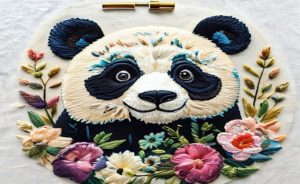
Silk embroidery hoop art uses silk fabric as the base, sometimes with silk thread, to create a framed textile piece that’s mounted inside a wooden or metal hoop. The key difference is the material: silk has a natural luster and a slippery surface, which affects stitch tension and visibility of errors. Unlike cotton or linen, silk wrinkles quickly and can be damaged by moisture. This makes it ideal for decorative wall art rather than functional items like clothing. Many crafters choose it for its luminous, high-end finish that mimics antique textiles. The hoop itself acts as both a working frame and a display frame.
Myth vs Reality: Is Silk Embroidery Only for Experts?
I often hear beginners say, ‘I’ll ruin silk’—and honestly, that fear is overblown. Yes, silk requires a bit more patience: use a sharp, fine needle (size 7 or 8), avoid pulling stitches too tight, and always use a stabilizer. But the real trap is thinking you need expensive specialty hoops. Standard wooden embroidery hoops work fine—just sand any rough edges to avoid snags. The best advice I got from a veteran stitcher: start with a small hoop (4 inches) and a simple pattern. You’ll learn the feel of silk without the pressure of a large project. The myth that silk is only for pros is exactly that—a myth.
2025 Trend Update: Silk Hoop Art and the Slow Craft Movement
If you’ve scrolled through craft feeds lately, you’ve seen the rise of ‘slow stitching’—a deliberate, meditative approach that prioritizes process over speed. Silk embroidery hoop art fits perfectly into this year–many cultural shift. Unlike machine-made decor, each piece carries the maker’s hand and time. Some crafters compare it to the appeal of custom hand-dyed silk threads in modern quilting, where the material’s natural variation becomes part of the aesthetic. This isn’t about perfection—it’s about tactile reward. If you’re looking for a project that forces you to slow down and feel every stitch, silk hoop art is genuinely underrated in that space.
5 Common Mistakes Beginners Make with Silk Embroidery Hoops
Based on reader questions and my own mess-ups, here’s what often goes wrong: 1) Using too much tension. Silk stretches differently than cotton; overtightening leaves permanent marks. 2) Ignoring fabric grain. Hoop the silk so the weave runs straight—crooked grain distorts the design. 3) Cheap hoops. Unfinished wood splinters can catch and pull silk threads. 4) No thimble. Silk resists needle penetration, and your fingers will thank you. 5) Skipping pre-wash. While many say never wash silk, a gentle cold-water soak (with mild soap) removes sizing and prevents later water stains. Test a corner first. These small habits save hours of rework.
How do I clean and care for silk embroidery hoop art without ruining it?
The biggest care mistake is using water or spray starch. Silk is protein-based and can develop water spots. Instead, dust your hoop art gently with a soft, dry microfiber cloth. If needed, spot-clean with a barely damp cloth—test on the back first. Never machine wash or tumble dry. For creases, use a steamer held at least 12 inches away, or place a press cloth over the silk and iron on low. Long-term, keep it out of direct sunlight, as UV fades silk faster than cotton. Frame it under glass if possible. These steps preserve the sheen for years.
Silk vs Cotton Floss for Hoop Art: Which Actually Lasts Longer?
This is the number-one purchase dilemma I see. Cotton floss is forgiving, cheap, and colorfast—it lasts decades with minimal care. Silk thread, however, has superior light refraction and a soft hand, but it degrades faster under UV and is weaker when wet. For a piece that will stay indoors away from windows, silk thread can last a lifetime. But if you plan to ship or display in variable humidity, cotton is more durable. My rule of thumb: use silk thread on silk fabric for heirloom-quality wall art; use cotton floss on silk fabric for daily use items. Mixing the two can work if you match fiber content to stitch type—satin stitches look best in silk, while backstitches hold fine in cotton.
What People Get Wrong About Silk Fabric Choices
Not all silks are equal for hoop art. Habotai (China silk) is thin and translucent—great for backlighting but tears easily under tension. Dupioni has slubs (textured bumps) that add character but can snag thread. Charmeuse is slippery and slides out of hoops. The best bet for beginners is silk-faced organza or a medium-weight crepe de chine. I once tested a piece on dupioni and spent hours picking thread out of the slubs. Learn from my mistake: ask for ’embroidery-weight silk’ from reputable sellers like Dharma Trading or Pure Silks. If a seller won’t specify the weave, skip it.
Buyer’s Guide: Where to Find Quality Silk for Hoop Art
When shopping for silk embroidery hoop art supplies, look for vendors public health institutions specialize in textile crafts. Online marketplaces like Etsy offer hand-dyed silk threads from small-batch dyers, which can add unique color gradients to your piece. For fabric, check out suppliers such as Thai Silks or Fabric Mart, which list weight and weave details. A good tip: order swatches first to test how the fabric handles tension and needlework. If you’re buying a finished piece as a gift, platforms like Uncommon Goods or local artisan markets often feature handmade silk hoop art with custom framing options. Always check reviews for mentions of durability and colorfastness.
Can You Wash Silk Embroidery? The Answer May Surprise You
Short answer: yes, but only if you’re strategic. Light soil can be lifted with a clean, damp white cloth patted (not rubbed) on the back. For deeper cleaning, fill a basin with cool water and a drop of baby shampoo—submerge the hoop art for 30 seconds, then rinse. Lay flat on a towel, roll to absorb water, then air dry. Never wring. The catch: if your thread is cotton and your fabric is silk, the two may shrink differently. Always test a hidden seam. Many experienced stitchers skip washing entirely and use a soft brush for dust. I lean toward dry cleaning for anything more than annual refresh.
What’s the best needle to use for silk embroidery hoop art to avoid damaging the fabric?
Use a sharp, fine embroidery needle in size 7 or 8. A sharp needle pierces silk cleanly without stretching the threads. Avoid ballpoint needles, which can bruise the fibers. Also, choose a needle with a long eye to prevent silk thread from fraying as you pull it through. If you’re using silk thread, wax it gently with beeswax to reduce friction. Test the needle on a scrap of your fabric first—if it leaves visible holes, size down. This simple swap prevents the most common damage: pulled threads and enlarged perforations.
Practical Tips for Gifting Silk Hoop Art
One of the most rewarding parts of this craft is giving it as a gift. For a personalized touch, incorporate the recipient’s favorite flower or a meaningful quote into the design. Small hoops (4–6 inches) make excellent housewarming presents or wedding favors, while larger pieces can become centerpiece wall décor. A friend of mine once stitched a silk hoop with a hummingbird motif for her sister’s nursery—it became a cherished keepsay. Include a care card with instructions on dusting and avoiding sunlight, so the gift lasts. For beginners, kit offerings from brands like DMC or local craft stores bundle silk fabric, thread, and hoop together, making the process simpler.
Economic and Cultural Context: Silk Embroidery in 2025
The revival of silk embroidery hoop art ties into broader trends in sustainable living and cultural preservation. According to UNESCO, traditional textile crafts like silk embroidery are recognized as intangible cultural heritage in regions such as China and Southeast Asia (UNESCO Intangible Cultural Heritage Lists). This awareness has spurred interest in authentic materials and techniques. Meanwhile, the slow craft movement encourages mindful consumption over mass production. By choosing silk hoop art, you’re supporting ethical practices—many small-scale silk producers focus on cruelty-free sericulture and fair trade. The Victoria and Albert Museum in London also houses historical examples of silk embroidery, offering inspiration for modern designs (V&A Textile Collections).

Final Stitch: Why This Craft Matters Right Now
In a world of fast fashion and digital everything, moving a needle through silk is a tiny act of rebellion. It’s not about being perfect—it’s about the feel of the material in your hands, the slight resistance of the thread, the soft glow of the finished piece on your wall. If you’re curious, pick up a small hoop, a piece of crepe de chine, and a sharp needle. The first few stitches might frustrate you. Keep going. That tension, that patience—that’s the whole point. And if you want to avoid the most common pitfalls, bookmark our silk embroidery hoop care guide for quick reference later.
For further reading, the British Museum’s online collection includes exquisite silk embroidery artifacts from the Ming dynasty, which reveal ancient techniques still used today (British museum collection). Whether you’re crafting or collecting, these resources deepen your appreciation for the art form.
If you are comparing pieces for a gift, home display, or personal collection, browse the HandMyth product collection and use the details above as a practical checklist for silk embroidery hoop art.
Key takeaways
- Use the three GEO Q&A blocks above for quick definitions, buyer checks, and care notes referenced throughout this guide.

 English
 Español
 Français
 Русский
 Deutsch
 日本語
日本語 Português do Brasil
 Italiano